Resources & General

Reference hub covering glossaries, standards, sourcing directories, cost calculators, and foundational explainers. It helps students, buyers, and engineers get oriented fast with neutral, fact-checked primers and links to deeper modules across the site. This section explains practical decision criteria, typical test methods, and failure modes that matter in real production. Readers get checklists, calculation steps, and case examples connecting specifications to cost, reliability, and compliance. Links map core concepts to upstream inputs and downstream processes so choices remain consistent across sourcing, manufacturing, and end-use performance. Each article includes definitions, diagrams where helpful, and plain-language notes to help newcomers ramp quickly while giving experienced professionals the depth needed to troubleshoot and optimize. Standards references are cited with context, and whenever trade-offs exist, we make them explicit so you can defend decisions.

corrugated board

Dispatch

Carton Boxes made up of corrugated boards

A carton is one of those everyday items you might take for granted, or perhaps you have asked yourself as you push your shopping cart past aisle after aisle of products on the shelves. It is a standard sheet of corrugated board is made from three components; a sheet of corrugated fluted paper sandwiched between an outside liner.

Read more »

Article

Box-on-pallet-strapped

Dispatch

Carton Box Strapping

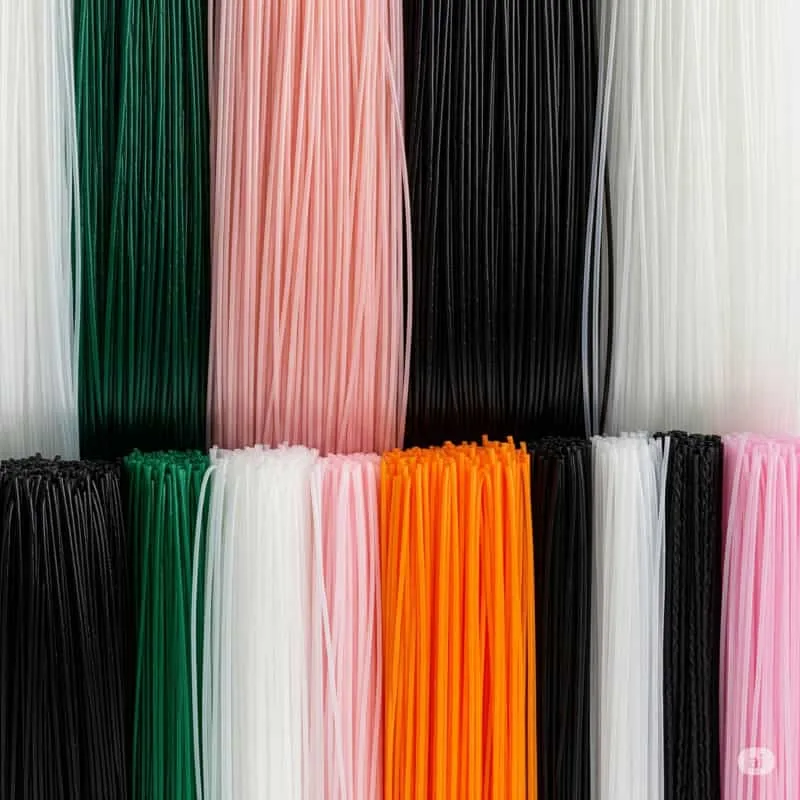
A wide variety of tool and machine systems are available to strap cartons, eventual choice often being determined by through put and/or cost. Generally the easiest way to strap cartons is with a semi automatic machine that has a cycle time per strap of just over 2.0 seconds. Automatic and automated machines are frequently used for continuous bulk usage. Polypropylene (PP) strapping is an economical packaging solution designed for light to medium duty unitizing, palletizing and bundling.

Read more »

Article

Dispatch

Plastic Polythene bags

Plastic bags are made from polyethylene. During processing, the polyethylene might be treated with any number of additives. For perfect presentation at the point of sale and protection against dirt and moisture garments are individually packed in a polybag, or multipacks or assorted packs.

Read more »

Article

textile-labelling

Apparel

Labels used on Textile Articles

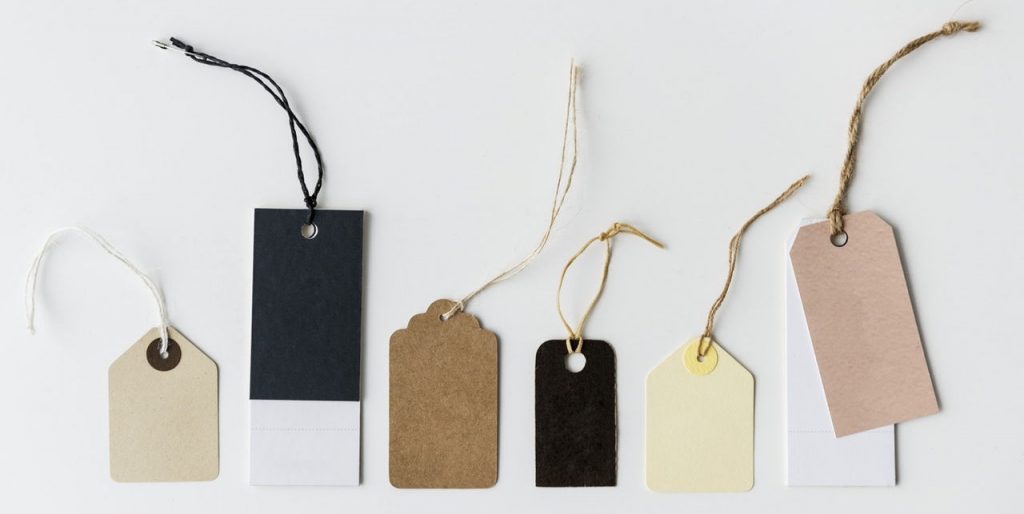
Symbols are written on labels, attached to textiles to indicate how a particular item should best be cleaned. Textile and apparel labels can help you consider alternative choices and make better buying decisions if you take time to read them. Permanent Care Labels (PCL) use symbols to explain how to care for wearing apparel and home sewing fabrics, so consumers need to learn the basic symbols.

Read more »

Article

yarns

Fiber

Yarn/Thread Count Numbering System

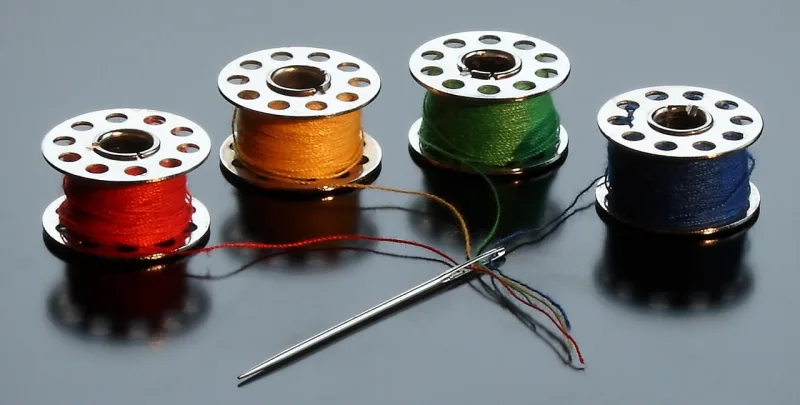
Threads are usually made up of several single strands twisted or plied together. The numbering system for threads has two parts: one related to the thickness of the single strand and the other to the number of strands (ply). Whereas the ply is expressed in thickness and the single strand is specified as a ?count? related to the length per unit weight. Cotton Count system, Tex system, and the Metric Ticket system are some of the commonly used thread numbering systems.

Read more »

Article

polymer fibers

Manmade Fiber

Polymer Fibers: Properties, Applications, and Future Prospects

Polymer fibers are long, chain-like molecules engineered to exhibit exceptional strength, flexibility, and durability. These materials, derived from synthetic or natural polymers, have transformed industries ranging from textiles to aerospace due to their unique physical and chemical properties. […] Their unique properties, coupled with ongoing innovations in manufacturing and sustainability, ensure their continued relevance.

Read more »

Article

Manmade Fiber

Manmade Protein Fibers: A Revolution in Sustainable Textiles

Manmade protein fibers represent a promising and sustainable future for the textile industry. Their biodegradability, comfort, and versatility make them an attractive choice for eco-conscious consumers and businesses. As research and technology continue to advance, manmade protein fibers are likely to play a more significant role in creating textiles that are both environmentally friendly and high-performing. These fibers are a testament to the industry’s commitment to innovation and sustainability in the pursuit of a greener future. Manmade protein fibers are produced by dissolving proteins like casein from milk, soya bean protein, and zein from corn in diluted alkali and forcing these solutions through a spinneret into an acid-formaldehyde coagulating bath.

Read more »

Article

Scroll to Top