Merchandizing

Buying cycles, costing, vendor development, critical path tracking, and shipment coordination. Focus on risk control and margin protection. This section explains practical decision criteria, typical test methods, and failure modes that matter in real production. Readers get checklists, calculation steps, and case examples connecting specifications to cost, reliability, and compliance. Links map core concepts to upstream inputs and downstream processes so choices remain consistent across sourcing, manufacturing, and end-use performance. Each article includes definitions, diagrams where helpful, and plain-language notes to help newcomers ramp quickly while giving experienced professionals the depth needed to troubleshoot and optimize. Standards references are cited with context, and whenever trade-offs exist, we make them explicit so you can defend decisions.

Home » Apparel & Fashion » Apparel » Merchandizing

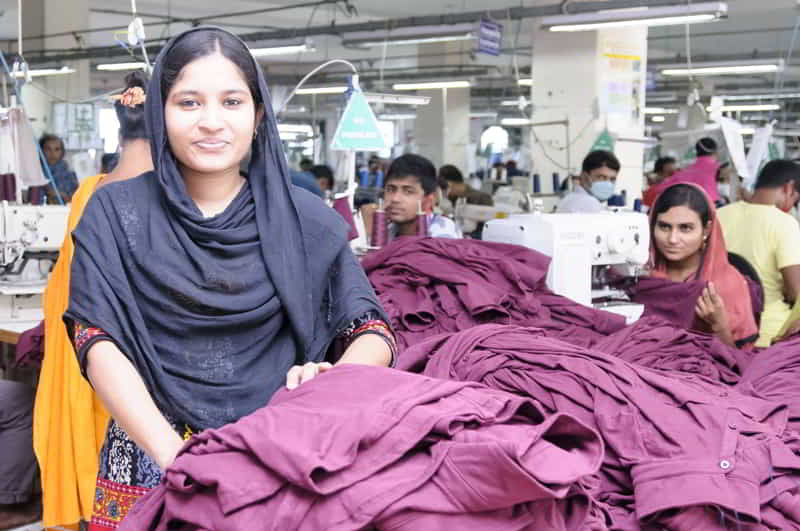
The Intricate Process of Garment Production: Unveiling the Journey from Raw Materials to Fashion Statements

The production of clothing is a multifaceted process that seamlessly blends artistry and craftsmanship with meticulous attention to detail. From the initial spark of inspiration to the final distribution of garments, every step in the journey contributes to the creation of the clothes we wear every day.

The Intricate Process of Garment Production: Unveiling the Journey from Raw Materials to Fashion Statements Read More »

Yarn to Fabric Manufacturing

SPINNING A Yarn is usually of substantial length & of a small cross-section. In the cross-section of yarn, there are usually multiple numbers of Staple fibers (short fibers) or Filaments (long fibers) of unlimited length. Spinning is the process of creating yarn (or thread, rope, cable) from various raw fiber materials. Several fibers are twisted

Yarn to Fabric Manufacturing Read More »

textile designer

Designing Textile Products

Textile products are crafted analyzing numerous internal and external factors bound to the end products. Before, during, and after designing a product, a series of factors such as the market trends, market research, quality testing, trials, design patterns, etc. to be arranged or considered by the designer. Here we discuss a few of them.

Designing Textile Products Read More »

laboratory

Essential elements of selection of a third party testing lab in apparel export

Apparel testing is essential before shipment to foreign countries like the US and EU. Selection of a suitable testing lab is required to get the right result. In order to achieve this, the lab has to equip themselves with equipment, calibration, proficiency testing, training etc. Such aspects have been critically reviewed in this paper.

Essential elements of selection of a third party testing lab in apparel export Read More »

boys-wear

Fabrics for Men’s and Boy’s Wear

Men’s clothing includes garments such as suits, topcoats, cover coats, jackets, and slacks. Boy’s clothing includes suits, topcoats, overcoats, jackets, and raincoats. With the emergence of fashion as selling force, there are more divisions of men’s and boy’s section in department and specialty stores.

Fabrics for Men’s and Boy’s Wear Read More »

fabrics

Fabric Identification for Garment Making

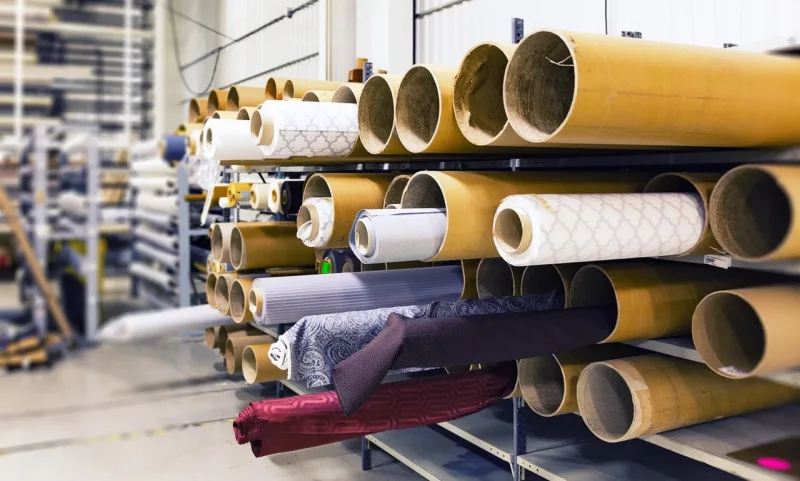
The vast variety of fabrics available today makes their identification important.We know that variety is created by using different fibers in combination. Knowledge of the fiber content of a fabric is, therefore, necessary to know its suitability, use, and care. Labels and salespersons are not always able to guide us.Fabric samples, Fabric specification, lead times are some of the ways to identify the fabric.

Fabric Identification for Garment Making Read More »

Scroll to Top