Introduction
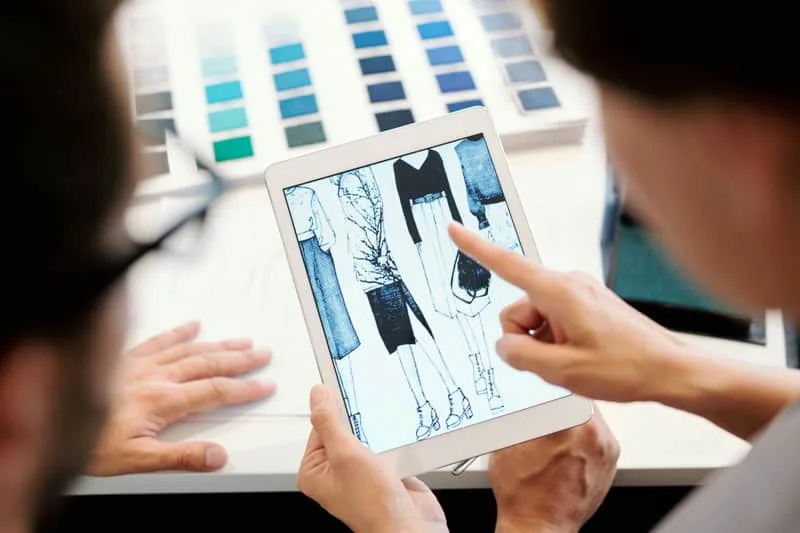
Graphic design in the garment industry encompasses a wide range of creative processes and applications, all aimed at enhancing the visual appeal of clothing and fashion brands. This field plays a pivotal role in shaping the way we perceive and interact with fashion, from the initial conception of a clothing line to its marketing and promotion. Whether it’s the intricate patterns on a designer’s runway collection or the iconic logo of a globally recognized brand, graphic design is an integral part of the fashion world.
The History of Graphic Design in Fashion
The historical roots of graphic design in fashion trace back to the earliest forms of textile printing and embellishment. From the intricate tapestries of the Renaissance to the bold graphics of the Art Deco era, fashion has long been intertwined with visual design. This section explores the evolution of fashion graphics throughout history, highlighting key innovations and influences.
The history of graphic design in fashion is a fascinating journey that reflects the evolving aesthetics, technology, and cultural influences of different eras. From the earliest forms of textile decoration to the digital revolution in contemporary fashion, graphic design has played a pivotal role in shaping the visual identity of clothing and fashion brands. In this section, we’ll explore the historical milestones and key influences that have shaped the history of graphic design in fashion.
Early Innovations in Textile Printing (Ancient Times – 18th Century)
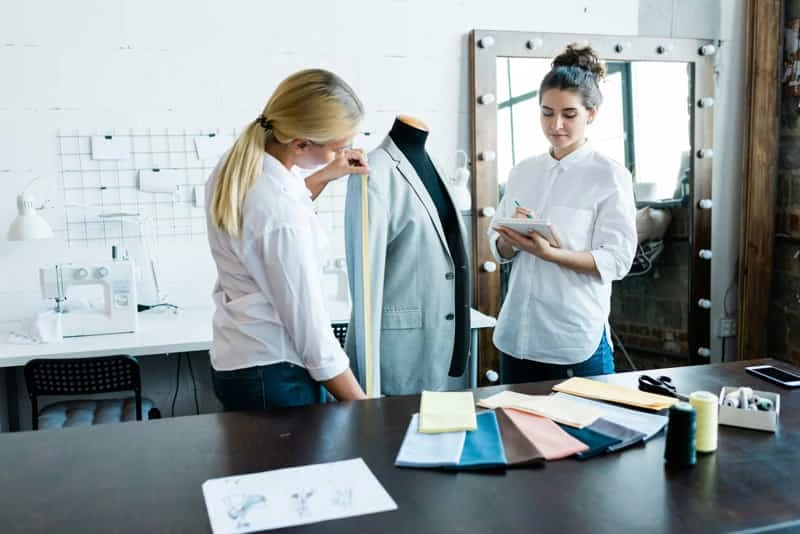
The history of graphic design in fashion can be traced back to ancient civilizations, where textile printing techniques such as block printing and hand-painting were used to create intricate patterns and motifs on fabrics. Ancient Egyptians, Greeks, and Romans were known for their use of graphic designs in clothing, with motifs often inspired by mythology and nature.
The Renaissance and Ornate Textiles (14th – 17th Century)
During the Renaissance, textile design in Europe reached new heights of sophistication. Richly ornamented textiles featuring elaborate patterns, floral motifs, and intricate tapestries became symbols of wealth and status. The use of graphic design in clothing and textiles was closely linked to the art and craftsmanship of the time.
The Birth of Fashion Illustration (18th – 19th Century)
The 18th and 19th centuries marked the rise of fashion magazines and fashion illustration. Publications like “Godey’s Lady’s Book” and “La Mode Illustrée” featured detailed illustrations of clothing designs, making fashion accessible to a broader audience. Fashion illustrators played a crucial role in visually communicating the latest trends.
Art Movements and Avant-Garde Fashion (Early 20th Century)
The early 20th century saw a convergence of graphic design and fashion, particularly with the rise of avant-garde art movements. Artists like Erté and Erwin Blumenfeld introduced innovative graphic elements into fashion photography and advertising. Art Deco, with its geometric shapes and bold patterns, influenced clothing and graphic design alike.
The Pop Art Era and Logo Design (1960s – 1970s)
The 1960s and 1970s witnessed a fusion of art, fashion, and graphic design, epitomized by the Pop Art movement. Artists like Andy Warhol and Roy Lichtenstein brought bold colors and iconic imagery to fashion through their collaborations with designers and brands. The era also saw the emergence of memorable fashion logos, such as the Chanel interlocking C’s and the Nike swoosh.
Punk and DIY Graphics (1970s – 1980s)
The punk subculture of the 1970s and 1980s challenged traditional fashion norms and embraced DIY graphic design. Punk fashion featured rebellious, hand-drawn graphics, distressed typography, and unconventional materials. This movement influenced the fashion industry’s willingness to experiment with unconventional design elements.
Digital Revolution and Contemporary Fashion (Late 20th Century – Present)
The advent of digital technology revolutionized graphic design in fashion. Computer-aided design (CAD) tools, digital textile printing, and 3D modeling have transformed the creative process. Fashion designers and graphic artists can now create intricate patterns and digital prints with unprecedented precision.
Streetwear and Collaborations (Late 20th Century – Present)
Streetwear emerged as a dominant fashion trend, characterized by bold graphics, logos, and a fusion of high and low culture. Streetwear brands like Supreme and Off-White have leveraged graphic design as a key element of their identity. Collaborations between fashion designers and graphic artists have become common, leading to unique and collectible apparel.
Sustainable Graphic Design in Fashion (21st Century)
In the 21st century, sustainability has become a significant concern in both fashion and graphic design. Designers are increasingly focused on eco-friendly printing methods, ethical branding, and sustainable material choices. Sustainable graphic design practices are shaping the future of fashion.
The history of graphic design in fashion is a rich tapestry of creativity, innovation, and cultural influences. From ancient textile printing to the digital revolution, graphic design has been a driving force in the ever-evolving world of fashion, continuously shaping how we perceive and interact with clothing and brands.
Functions of Graphic Design in the Garment Industry
Graphic design serves various functions within the garment industry, contributing to the visual identity of fashion brands, the aesthetics of apparel, and the effectiveness of marketing strategies. We delve into these functions, emphasizing how graphic design impacts every stage of the fashion supply chain.
The Creative Process in Fashion Graphic Design
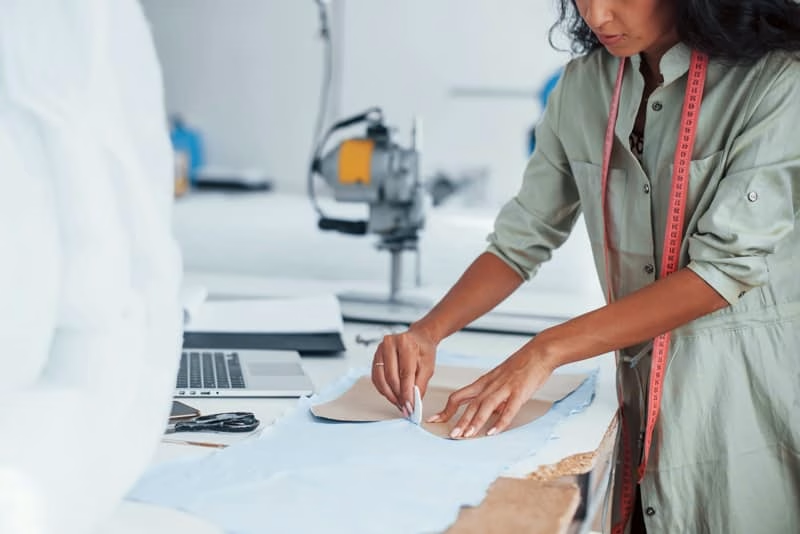
Behind every stunning garment lies a creative process driven by inspiration, sketching, and digital design. Here, we uncover the step-by-step journey of a graphic designer in the fashion industry, shedding light on the artistic and technical aspects of their work.
The creative process in fashion graphic design involves a series of steps that designers follow to develop visually compelling and impactful graphics for the fashion industry. These graphics can be used on clothing, accessories, marketing materials, and more. Here’s an overview of the creative process in fashion graphic design:
- Research and Inspiration:
- Start by researching current fashion trends, industry news, and consumer preferences.
- Gather inspiration from various sources, such as fashion magazines, art exhibitions, street style, and social media.
- Create mood boards or Pinterest boards to collect and organize your visual inspiration.
- Concept Development:
- Define the purpose and goals of your graphic design project. Are you designing a logo, a textile print, a fashion illustration, or a promotional poster?
- Brainstorm ideas and concepts that align with the brand or collection you’re working on.
- Consider the target audience and how your design will resonate with them.
- Sketching and Thumbnailing:
- Begin with rough sketches and thumbnails to visualize your ideas.
- Experiment with different compositions, typography, and graphic elements.
- Explore various color palettes and styles that suit the project’s aesthetic.
- Digital Rendering:
- Once you have refined your sketches, move on to digital rendering using graphic design software like Adobe Illustrator or Photoshop.
- Create vector graphics for scalability and versatility in application.
- Pay attention to details and precision in your design work.
- Typography:
- Select appropriate fonts that complement your design and convey the desired message.
- Experiment with typography hierarchy, spacing, and alignment to ensure readability and visual balance.
- Color Palette:
- Choose a color palette that resonates with the brand’s identity or the fashion collection’s theme.
- Consider the psychological impact of colors and their cultural associations.
- Texture and Patterns:
- Incorporate textures or patterns into your design, especially if it’s intended for textiles or apparel.
- Ensure that textures and patterns seamlessly integrate with the overall design.
- Feedback and Iteration:
- Seek feedback from peers, mentors, or clients to refine your design.
- Be open to constructive criticism and be willing to make revisions as necessary.
- Iterate on your design based on feedback to improve its quality and impact.
- Presentation:
- Create a visually appealing presentation of your design that showcases its versatility and potential applications.
- Use mock-ups or digital simulations to demonstrate how the design will look on clothing or other fashion items.
- Finalization:
- Prepare the final files in the required formats for production or publication.
- Ensure that the design is print-ready or web-ready, depending on its intended use.
- Double-check for any errors or inconsistencies.
- Production and Implementation:
- Hand off the final design to the appropriate teams or manufacturers for production.
- Monitor the production process to ensure the design is executed accurately.
- Promotion and Marketing:
- If the graphic is part of a fashion collection or brand, use it in marketing materials, such as lookbooks, social media campaigns, and advertisements.
The creative process in fashion graphic design is iterative and collaborative, with designers constantly seeking inspiration, feedback, and refinement to create visually stunning and on-brand graphics for the fashion industry. It involves a combination of artistic expression, technical skills, and an understanding of fashion trends and consumer preferences.
Techniques and Technologies in Fashion Graphic Design
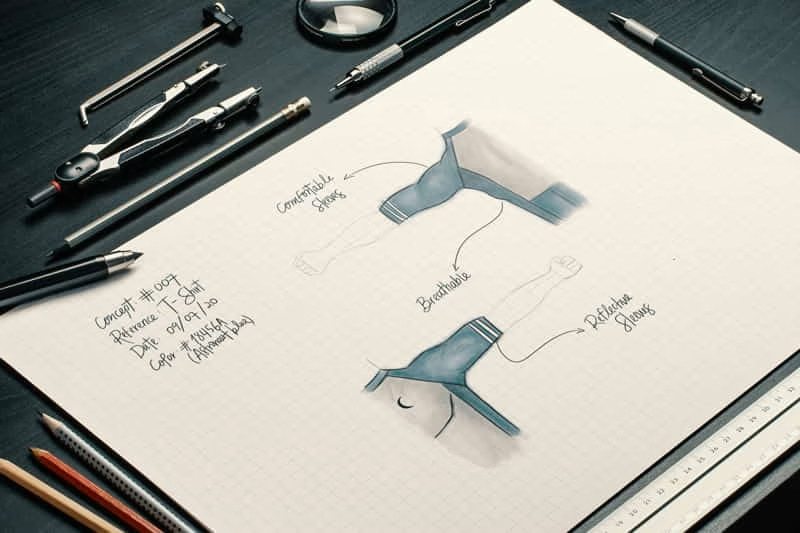
Graphic designers employ a multitude of techniques and technologies to bring their creative visions to life. From traditional printing methods like screen printing to cutting-edge digital tools, we explore the toolkit of a fashion graphic designer.
Fashion graphic design is a dynamic field that constantly evolves with the latest techniques and technologies. Staying updated with these advancements is crucial for fashion graphic designers. Here are some key techniques and technologies in fashion graphic design:
1. Computer-Aided Design (CAD) Software:
- Adobe Creative Cloud: Adobe Illustrator, Adobe Photoshop, and Adobe InDesign are industry-standard software used for vector graphics, image editing, and layout design.
- CorelDRAW: Another popular vector graphics software for fashion design.
- 3D CAD Software: Software like CLO 3D allows designers to create 3D clothing simulations, helping with pattern making and visualizing how designs will look on models.
2. Digital Illustration:
- Tablets and Styluses: Tools like Wacom tablets and iPad Pro with Apple Pencil enable digital drawing and illustration.
- Digital Painting Software: Apps like Procreate and Adobe Fresco are favored by illustrators for creating fashion sketches and illustrations.
3. Typography:
- Font Libraries: Access to extensive font libraries and online resources for selecting and downloading fashion-appropriate typefaces.
- Typography Software: Typography design tools, such as FontLab and Glyphs, enable custom font creation and modification.
4. Textile Design:
- Digital Textile Printing: Technology for printing custom patterns and designs directly onto fabric.
- Pattern Design Software: Software like NedGraphics and Repeat for creating seamless patterns and textile designs.
5. 3D Printing and Prototyping:
- 3D Printing: Utilized for creating fashion accessories, jewelry, and even garments with intricate 3D elements.
- Laser Cutting: Used for precision cutting of fabric, leather, and other materials to create unique textures and designs.
6. Augmented Reality (AR) and Virtual Reality (VR):
- AR Try-On Apps: Brands are using AR technology to allow customers to virtually try on clothing and accessories.
- VR Fashion Shows: Virtual reality is being used for immersive fashion show experiences.
7. Sustainability Tools:
- Sustainable Design Software: Tools like “The Fashion Revolution Fashion Design Toolkit” help designers consider sustainability in their creations.
- Material Sourcing Platforms: Online platforms like Sourcemap help designers find sustainable and ethical materials.
8. Social Media and Influencer Marketing:
- Visual Storytelling: Designers must create graphics that are social media-friendly and suited for influencer collaborations.
- Instagram Filters: Fashion brands create custom Instagram filters to engage their audience.
9. Data Visualization:
- Infographics: Fashion brands use infographics to communicate sustainability efforts, product details, and more.
- Data Analytics Tools: Designers use data visualization tools to create compelling data-driven graphics.
10. Motion Graphics and Animation: – Video Editing Software: Adobe After Effects and similar software are used for creating fashion-related animations and promotional videos. – GIFs: Animated GIFs are used for social media campaigns and email marketing.
11. E-commerce and Web Design: – Responsive Web Design: Ensuring that fashion websites and e-commerce platforms are user-friendly on various devices. – User Experience (UX) Design: Enhancing the online shopping experience with intuitive navigation and interfaces.
12. AI and Machine Learning: – Pattern Recognition: AI algorithms help analyze fashion trends by recognizing patterns in social media, runway shows, and street style. – Personalization: AI-driven product recommendations and customization options for consumers.
Fashion graphic designers often need to adapt and learn new techniques and technologies as the industry evolves. Staying informed about the latest trends and tools is essential to creating compelling and relevant graphics for the fashion world.
The Role of Graphic Design in Sustainable Fashion
The fashion industry is increasingly turning to sustainability, and graphic design plays a crucial role in these efforts. We examine eco-friendly printing practices, ethical branding, and sustainable material choices that are reshaping fashion graphics.
Graphic design plays a significant role in sustainable fashion by helping brands communicate their commitment to environmental and ethical practices, educating consumers about sustainability, and contributing to the overall eco-conscious image of the fashion industry. Here’s a closer look at the role of graphic design in sustainable fashion:
- Visual Identity and Branding:
- Graphic designers create sustainable fashion brands’ visual identities, including logos, color palettes, and typography.
- These design elements convey a brand’s values, mission, and commitment to sustainability, helping them stand out in the market.
- Sustainable Packaging Design:
- Graphic designers work on eco-friendly packaging solutions, using sustainable materials and designs that minimize waste and environmental impact.
- Labels, hangtags, and packaging graphics can communicate the sustainability of the product and encourage responsible disposal.
- Educational Materials:
- Graphic designers develop materials like brochures, pamphlets, and infographics that educate consumers about sustainable fashion practices, such as ethical sourcing, responsible manufacturing, and eco-friendly materials.
- These materials inform consumers about the impact of their choices and help them make more sustainable fashion decisions.
- Sustainable Fashion Campaigns:
- Graphic designers create visuals for marketing campaigns that highlight sustainable fashion lines, initiatives, and partnerships.
- These campaigns can promote ethical practices, showcase eco-friendly materials, and encourage consumers to support sustainable brands.
- Website and E-commerce Design:
- Sustainable fashion brands require user-friendly websites that reflect their values and make it easy for consumers to find information about sustainable practices, materials, and certifications.
- Graphic design ensures that the website’s visual elements align with the brand’s sustainability message.
- Social Media and Content Creation:
- Graphic designers produce visually engaging content for social media platforms, such as Instagram, Facebook, and Pinterest.
- Infographics, images, and videos are used to convey sustainability-related messages, tell the brand’s story, and promote eco-conscious fashion.
- Sustainable Fashion Labels and Certifications:
- Graphic designers create labels and graphics to display certifications and logos indicating sustainable practices, such as Fair Trade, organic, or cruelty-free.
- These labels reassure consumers that the product aligns with their values.
- Upcycling and DIY Guides:
- Designers can create guides and tutorials on upcycling clothing or repurposing old garments to promote a more sustainable approach to fashion.
- Visuals and step-by-step instructions encourage consumers to be creative and reduce waste.
- Event Promotion:
- Sustainable fashion events, such as eco-friendly fashion shows or clothing swaps, often require promotional materials and posters.
- Graphic design plays a crucial role in promoting these events and conveying their eco-conscious themes.
- Collaborations and Partnerships:
- Graphic designers develop visuals for collaborations between sustainable fashion brands and other eco-friendly organizations or artists.
- These designs can raise awareness about sustainability and expand the brand’s reach.
Graphic design in sustainable fashion goes beyond aesthetics; it serves as a powerful tool to communicate a brand’s commitment to ethical and environmental responsibility. By creating visually compelling and informative materials, graphic designers help consumers make informed choices and support a more sustainable fashion industry.
Fashion Branding through Graphic Design
Building a strong brand identity is essential for fashion labels. This section examines the symbiotic relationship between graphic design and branding, showcasing iconic fashion logos and their impact on consumer perception.
Fashion branding through graphic design is essential for creating a distinctive and memorable identity in the highly competitive fashion industry. Effective graphic design helps convey a brand’s personality, values, and unique selling points, ultimately attracting and retaining customers. Here are key aspects of fashion branding through graphic design:
- Logo Design:
- The logo is the cornerstone of a fashion brand’s visual identity. Graphic designers create logos that encapsulate the brand’s essence and resonate with its target audience.
- Logos should be versatile, working well on clothing labels, packaging, websites, and marketing materials.
- Color Palette:
- Graphic designers select a color palette that reflects the brand’s personality and sets the mood for its products. Colors can evoke emotions and convey brand values.
- Consistency in color use across all brand materials is crucial for brand recognition.
- Typography:
- Typography choices should align with the brand’s identity, whether it’s modern, elegant, playful, or edgy. The right fonts convey the brand’s tone and style.
- Designers establish guidelines for font usage to maintain consistency in branding materials.
- Visual Elements and Imagery:
- Graphic designers work with visual elements like patterns, illustrations, and photography to create a cohesive brand image.
- Imagery should be consistent with the brand’s aesthetics and values. For example, an eco-friendly brand may use nature-inspired visuals.
- Branding Collateral:
- Designers create various branding collateral, including business cards, letterheads, hangtags, and packaging.
- These materials reinforce the brand’s identity and create a cohesive look and feel.
- Website and Online Presence:
- A fashion brand’s website is a crucial touchpoint for customers. Graphic designers ensure the website’s design aligns with the brand’s visual identity.
- Consistency in design elements, such as navigation bars, buttons, and fonts, enhances user experience.
- Social Media Graphics:
- Graphic designers create visually appealing graphics for social media platforms to engage the audience and maintain a consistent brand presence.
- Instagram posts, Facebook cover photos, and Pinterest pins should all reflect the brand’s style.
- Advertising and Marketing Campaigns:
- Designers develop graphics for advertising campaigns, promotional materials, and lookbooks.
- These graphics should tell a compelling brand story and showcase products effectively.
- Packaging Design:
- Packaging is an important part of fashion branding, and designers create packaging that reflects the brand’s image and enhances the unboxing experience.
- Sustainable fashion brands, for example, may use eco-friendly packaging with branded graphics.
- In-Store Displays and Visual Merchandising:
- Graphic design extends to in-store displays, window designs, and signage.
- These visuals create a consistent and immersive brand experience for shoppers.
- Collaborations and Limited Editions:
- Graphic designers create special graphics and packaging for collaborations or limited-edition collections, enhancing the brand’s exclusivity.
- Consistency and Brand Guidelines:
- Graphic designers establish brand guidelines that outline how the brand’s visual elements should be used.
- These guidelines ensure consistency across all brand materials and collaborations.
Fashion branding through graphic design is about creating a visual language that resonates with the brand’s target audience, communicates its values, and distinguishes it from competitors. A well-executed graphic design strategy reinforces the brand’s identity, fosters customer loyalty, and drives brand recognition in the fashion industry.
Fashion Marketing and Promotion through Graphics
Graphic design extends beyond clothing—it also shapes the way fashion is marketed and presented to the public. We explore how graphics influence visual merchandising, advertising campaigns, and the ever-evolving world of social media.
Fashion marketing and promotion through graphics is a vital aspect of the fashion industry’s success. Graphics play a central role in capturing the attention of the target audience, conveying the brand’s message, and ultimately driving sales. Here’s how fashion marketing and promotion are achieved through graphics:
- Branding and Visual Identity:
- Graphics establish a brand’s visual identity, including the logo, color palette, typography, and imagery. These elements create a consistent and recognizable brand image.
- Advertising Campaigns:
- Graphic design is essential for creating visually striking advertising campaigns. This includes print ads, online banners, billboards, and other promotional materials.
- Graphics should effectively communicate the brand’s message and evoke emotions that resonate with the target audience.
- Social Media Graphics:
- Social media platforms are a key marketing channel for fashion brands. Graphic designers create eye-catching graphics for posts, stories, and profile images.
- Consistent visuals across platforms help reinforce the brand identity and engage followers.
- Email Marketing:
- Graphics are used in email marketing campaigns to showcase new arrivals, promotions, and seasonal collections.
- Visuals should encourage subscribers to click through to the website or make a purchase.
- Website Design:
- A fashion brand’s website is often the first point of contact for potential customers. Graphic design ensures an attractive and user-friendly website.
- Visual elements like product images, banners, and navigation menus should encourage exploration and conversion.
- E-commerce Product Imagery:
- High-quality product images and graphics are essential for e-commerce platforms. These visuals help customers make informed buying decisions.
- Zoom-in features, 360-degree views, and lifestyle images can enhance the shopping experience.
- Lookbooks and Catalogs:
- Graphic designers create lookbooks and catalogs to showcase fashion collections. These materials are often used in both print and digital formats.
- Visual storytelling through graphics helps convey the brand’s narrative and style.
- Influencer Collaborations:
- Graphics are used to promote influencer collaborations on social media and brand websites.
- Co-branded visuals should reflect the influencer’s style while maintaining the brand’s identity.
- Video Content:
- Video graphics and motion graphics are crucial for fashion brands’ video content. These can include intros, overlays, and animated transitions.
- Graphics enhance the visual appeal and professionalism of videos, whether they’re product tutorials, brand stories, or runway shows.
- Popup Shops and Events:
- Graphic design plays a role in promoting and branding physical pop-up shops and fashion events.
- Graphics for event invitations, signage, and banners create anticipation and a sense of exclusivity.
- Sustainable and Ethical Messaging:
- Graphics can convey a brand’s commitment to sustainability and ethical practices, such as using eco-friendly materials or supporting fair trade.
- Infographics, visuals on product labels, and website banners can inform customers about these efforts.
- Interactive Content:
- Interactive graphics, such as quizzes, polls, and contests, engage the audience and encourage user participation on social media and websites.
- Seasonal and Holiday Promotions:
- Seasonal graphics, such as holiday-themed visuals or summer sale banners, help create a sense of urgency and excitement among customers.
Effective fashion marketing and promotion through graphics require a deep understanding of the brand, its target audience, and current trends. Graphic designers play a pivotal role in creating visually compelling content that resonates with consumers and drives brand awareness and sales.
Graphic Design in Apparel Trends
Fashion is a dynamic industry driven by trends and movements. We spotlight the role of graphic design in various fashion subcultures, from streetwear and athletic wear to high fashion and couture.
Graphic design plays a significant role in shaping apparel trends and the overall fashion industry. It allows clothing brands to create visually appealing and conceptually meaningful garments that resonate with consumers. Here’s how graphic design influences apparel trends:
- Printed Graphics:
- Graphic designers create prints and patterns that can be applied to fabrics. These prints can be inspired by various themes, such as nature, geometry, or pop culture.
- Bold and unique graphic prints can make a garment stand out and become a trendsetter.
- Slogans and Typography:
- T-shirts and other apparel often feature slogans, quotes, or typography-based designs. Graphic designers play a crucial role in crafting these messages and presenting them creatively.
- Slogan tees have been a popular trend in recent years, often conveying social or political messages.
- Illustrations and Artwork:
- Apparel trends often incorporate hand-drawn illustrations, paintings, or digital artwork. Graphic designers and artists collaborate to create these unique designs.
- Art-inspired clothing collections can lead to trends that merge fashion with the art world.
- Logos and Branding:
- The logos and branding elements of clothing brands are essential in shaping apparel trends. Graphic designers develop and refresh brand logos to keep them relevant.
- Iconic logos and branding can become trend symbols themselves.
- Color Trends:
- Graphic designers often work closely with color experts to choose color palettes for garments. Color trends can shift from season to season and influence apparel choices.
- Pantone’s Color of the Year, for example, has a significant impact on fashion and graphic design choices.
- Digital Printing and Sublimation:
- Advancements in digital printing and sublimation technology have allowed for intricate and high-quality graphic designs on clothing.
- These technologies enable designers to experiment with photorealistic images, gradients, and intricate patterns.
- Streetwear Graphics:
- Streetwear fashion often relies heavily on graphic design elements, including logos, graffiti-inspired artwork, and urban typography.
- Streetwear trends often originate from the creative graphics used in this style.
- Cultural and Subcultural References:
- Graphic design incorporates cultural and subcultural references, such as music, movies, and historical events.
- Apparel trends often draw inspiration from these references, creating nostalgia or celebrating specific cultural moments.
- Customization and Personalization:
- Customization and personalization trends in fashion allow consumers to design their clothing, often with the help of graphic design tools and technology.
- Brands offer personalized options, such as custom text or graphics, allowing consumers to express themselves uniquely.
- Sustainability and Eco-Friendly Graphics:
- Sustainability is a growing trend in fashion, and graphic designers play a role in creating eco-friendly and sustainable clothing graphics.
- Eco-conscious graphics may highlight organic materials, recycling, or ethical practices.
- Digital Fashion:
- The rise of digital fashion has led to innovative graphic design trends in virtual clothing and avatars. Digital fashion designers create unique garments and graphics for the metaverse.
- Digital fashion allows for unlimited creativity, as there are no physical constraints.
- Nostalgia and Vintage Revival:
- Vintage-inspired graphics, including retro logos, fonts, and patterns, often make a comeback in fashion trends.
- Graphic designers help modernize these nostalgic elements for contemporary audiences.
Graphic design is an integral part of the fashion industry, influencing clothing trends, consumer preferences, and brand identities. By creating visually compelling and conceptually meaningful graphics, designers shape the way people express themselves through clothing and contribute to the ever-evolving world of fashion.
The Digital Revolution in Fashion Graphic Design
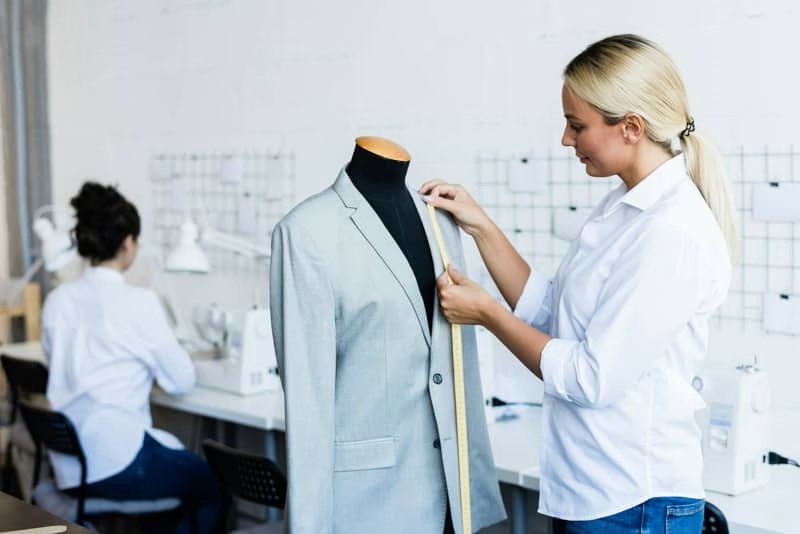
The digital age has transformed fashion graphic design in profound ways. We investigate how 3D design, virtual fashion shows, and digital textile printing are reshaping the landscape of fashion graphics.
The digital revolution has had a profound impact on the field of fashion graphic design, transforming the way designers create, showcase, and market their work. Here’s an overview of the digital revolution’s influence on fashion graphic design:
- Digital Tools and Software:
- Digital design software such as Adobe Illustrator and Photoshop have become industry standards, replacing traditional hand-drawing and painting methods.
- These tools enable designers to create vector graphics, manipulate images, and experiment with various design elements efficiently.
- 3D Design and Virtual Prototyping:
- 3D design software like CLO 3D and Marvelous Designer allows fashion designers to create and visualize garments in a digital space before physical production.
- This technology reduces the need for physical prototypes, saving time and resources.
- Digital Textile Printing:
- Digital textile printing technology has revolutionized the creation of textile designs. It allows for intricate and detailed patterns with minimal waste.
- Designers can digitally print custom patterns directly onto fabric, providing greater design flexibility.
- Augmented Reality (AR) and Virtual Reality (VR):
- AR and VR technologies are used in fashion graphic design to create immersive and interactive experiences for consumers.
- Virtual fashion shows, try-on apps, and virtual showrooms enable customers to engage with fashion brands in unique ways.
- E-commerce and Online Shopping:
- The rise of e-commerce has made digital graphic design essential for fashion brands. Designers create visually appealing product images, website layouts, and user interfaces to enhance the online shopping experience.
- Virtual try-on features and 360-degree views of products rely on digital graphics.
- Social Media and Content Marketing:
- Social media platforms have become primary channels for fashion promotion. Graphic designers create engaging content, including posts, stories, and videos, to reach and connect with a global audience.
- Visual storytelling through graphics is key to building brand awareness and loyalty.
- Data-Driven Design:
- Digital tools and analytics allow designers to collect data on consumer behavior and preferences.
- This data can inform design decisions, helping brands create products and graphics that resonate with their target audience.
- Sustainability and Eco-Friendly Practices:
- The digital revolution has enabled designers to incorporate sustainable and eco-friendly practices into their work.
- Digital tools assist in reducing paper waste, optimizing supply chains, and facilitating eco-conscious design choices.
- Global Collaboration:
- Digital platforms and communication tools make it easier for designers to collaborate with teams and manufacturers worldwide.
- Remote collaboration has become more efficient, allowing for faster design iterations and production.
- Customization and Personalization:
- Digital design tools empower customers to personalize their fashion items. Brands offer online customization options where consumers can choose colors, patterns, and graphics.
- Graphic designers create templates and design assets for customization.
- Digital Art and NFTs:
- The digital revolution has also influenced the art world, with fashion graphic designers creating digital art and fashion-related NFTs (Non-Fungible Tokens).
- These digital assets hold value and are traded in the digital art market.
- Digital Fashion:
- Digital fashion design goes beyond physical clothing. Designers create virtual fashion and accessories for use in virtual worlds, online games, and metaverse environments.
The digital revolution has expanded the possibilities for fashion graphic design, offering increased creativity, efficiency, and accessibility. It has blurred the lines between traditional fashion design and digital art, paving the way for innovative and immersive experiences in the fashion industry. Fashion graphic designers today must be adaptable and embrace digital tools to thrive in this dynamic landscape.
Challenges and Future Trends
The world of fashion graphic design is not without its challenges, from navigating intellectual property issues to the growing role of AI. We discuss these challenges and forecast future trends in the field.
In conclusion, graphic design in the garment industry is an ever-evolving field that continually shapes the way we perceive and engage with fashion. From its historical roots to its sustainable and digital future, graphic design remains an indispensable force in the fashion world.
The field of fashion graphic design is constantly evolving, and it faces various challenges and opportunities in the future. Here are some of the key challenges and future trends:
Challenges:
- Sustainability: One of the most significant challenges in the fashion industry is its environmental impact. Fashion graphic designers must work towards creating sustainable designs and promoting responsible consumption.
- Fast Fashion: The fast fashion model, characterized by rapid production and consumption, poses challenges to designers in terms of keeping up with trends and maintaining ethical and sustainable practices.
- Digital Overload: With the digital revolution, there is an overload of digital content, making it harder for fashion brands to stand out. Designers must find ways to create unique and compelling digital graphics.
- Ethical and Inclusive Design: There’s a growing demand for ethical and inclusive fashion. Designers need to address issues of diversity and inclusivity in their graphics, ensuring they represent a broad range of cultures, body types, and identities.
- Intellectual Property: The digital age has made it easier for designs to be copied and distributed without permission. Protecting intellectual property rights is a constant challenge.
- Consumer Awareness: As consumers become more informed about sustainability and ethical practices, they expect brands to be transparent and accountable. Designers need to convey these messages effectively.
- Rapid Technological Changes: Keeping up with evolving technologies like augmented reality, virtual reality, and digital fashion can be challenging for designers, but it’s also an opportunity for innovation.
Future Trends:
- Sustainable Design: The focus on sustainable and eco-friendly fashion will continue to grow. Designers will incorporate more sustainable materials and practices into their work.
- Digital Fashion and the Metaverse: As virtual worlds and the metaverse expand, fashion graphic designers will create digital garments and accessories for avatars and virtual spaces.
- NFTs and Digital Art: Fashion designers will explore non-fungible tokens (NFTs) and digital art, opening new avenues for monetization and creativity.
- Personalization: Brands will offer more personalized and customizable fashion, and designers will create templates and graphics that allow customers to personalize their clothing.
- Minimalism and Simplicity: Minimalist and timeless designs will continue to gain popularity, emphasizing quality over quantity.
- Biometric Fashion: Wearable technology and biometric sensors will be integrated into clothing, and designers will create graphics that incorporate these features.
- Sustainability Transparency: Graphics will be used to communicate a brand’s sustainability efforts and certifications to consumers transparently.
- AI-Generated Designs: Artificial intelligence will assist designers in generating designs, improving efficiency, and predicting fashion trends.
- Inclusivity and Diversity: Brands will prioritize inclusivity and diversity in their designs and graphics, reflecting a broader range of identities and experiences.
- Sustainable Packaging: Designers will continue to work on eco-friendly packaging solutions that reduce waste and enhance the unboxing experience.
- Interactive Graphics: Interactive graphics, such as augmented reality try-ons and clickable shoppable content, will become more common in digital marketing.
- Art Collaboration: Collaboration between fashion designers and artists will lead to unique and artistic fashion collections.
Fashion graphic design will remain a dynamic field, with designers adapting to new technologies and consumer expectations. Embracing sustainability, inclusivity, and innovation will be crucial for the future success of fashion graphic design in a rapidly changing industry.