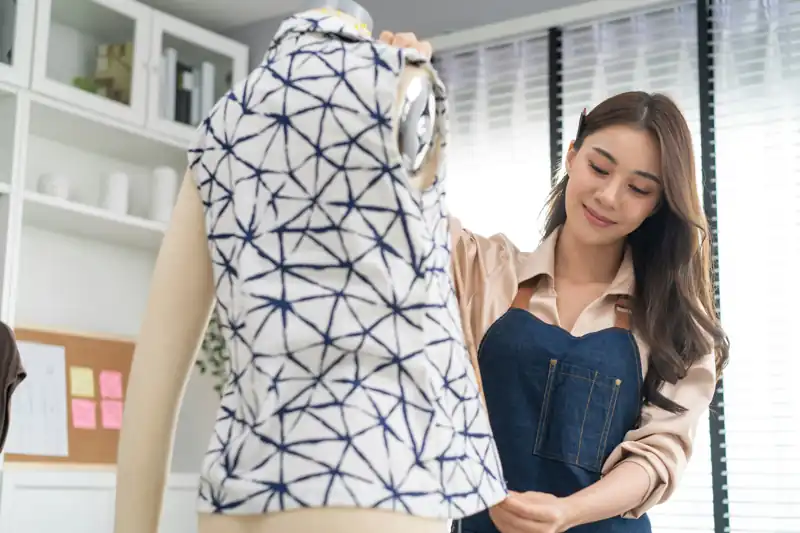
This article unpacks the growing movement of upcycling in high fashion, tracing its cultural roots, creative processes, design techniques, and market impact. Learn how discarded fabric is becoming the medium for next-generation couture.
Introduction
In an industry known for its speed and excess, a quiet revolution is taking place—one that celebrates slowness, resourcefulness, and sustainability. Upcycling, the creative reuse of materials that would otherwise be discarded, is redefining the aesthetic and economic value of fashion. More than a trend, it is a philosophy rooted in craftsmanship and environmental responsibility.
In high fashion, where exclusivity, uniqueness, and story are prized, upcycled garments offer a compelling alternative to mass-produced luxury. Designers and brands are now turning textile waste into one-of-a-kind pieces that grace runways, museum exhibits, and wardrobes of the style-conscious. This article explores the art and science of upcycling textile scraps into couture, combining heritage skills with innovative thinking to reduce fashion’s environmental footprint.
Historical Roots of Upcycling in Fashion
Long before “sustainability” became a buzzword, cultures around the world practiced forms of upcycling as a matter of necessity. From Japanese boro and Indian kantha to African patchwork and Victorian-era remaking, garments were reimagined to extend their life or elevate their value.
In Western fashion, wartime rationing led to “make do and mend” campaigns, while avant-garde designers like Martin Margiela began incorporating found objects into fashion in the 1980s. The rise of eco-consciousness in the early 2000s revived upcycling, which has since evolved from fringe experiment to haute couture staple.
What Is Upcycling? How It Differs from Recycling
Upcycling involves creatively reusing materials without breaking them down chemically or mechanically, unlike recycling.
| Factor | Upcycling | Recycling |
|---|---|---|
| Process | Retains original material structure | Involves breaking down and reprocessing |
| Quality | Often improves or adds value | Often downgrades material properties |
| Energy Use | Minimal | High |
| Output | One-of-a-kind pieces | Mass-produced fibers or fabrics |
Why Upcycling Matters in the Fashion Industry
The fashion industry produces over 92 million tons of textile waste annually. Pre-consumer waste (scraps, roll ends, production defects) and post-consumer waste (discarded garments) overwhelm landfills and pollute ecosystems. Upcycling addresses this by:
- Diverting waste from disposal
- Reducing the need for virgin resources
- Lowering water and chemical use
- Encouraging craftsmanship and slow design
- Supporting local artisans and microenterprises
Additionally, upcycling fosters emotional durability—consumers value pieces with a story, history, or visible handwork.
The Upcycling Workflow: From Scrap to Style Statement
Turning discarded fabric into a fashion-forward garment involves several creative and technical steps:
1. Material Sourcing
- Studio-generated offcuts
- Deadstock fabrics from mills
- Thrifted garments
- Damaged or sample inventory
- Industrial textile waste (e.g., denim shreds, military uniforms)
2. Sorting and Categorizing
- By fiber type (natural vs. synthetic)
- By color and texture
- By condition and usability
3. Design Ideation
- Sketching modular, patchwork, or collage concepts
- Building around existing shapes (e.g., shirt backs, denim legs)
- Considering zero-waste pattern layouts
4. Construction Techniques
- Patchworking and appliqué
- Quilting and embroidery
- Hand-darning and visible mending
- Layering and collage
- Modular seams for future disassembly
5. Finishing and Branding
- Unique labeling with origin stories
- Natural or low-impact dyeing of final garments
| Step | Key Tools and Techniques |
|---|---|
| Sourcing | Textile swap platforms, in-house scrap bins |
| Assembly | Overlock machine, sashiko needles, hand sewing kits |
| Design | Mood boards, 3D draping software |
Techniques and Styles in Upcycled Couture
Upcycling allows for exceptional stylistic diversity, especially in high fashion:
A. Patchwork Couture
A modern reimagination of folk aesthetics, using carefully selected and arranged patches. Often employed in coats, gowns, or denim.
B. Deconstructed Design
Garments are taken apart and reassembled in abstract or asymmetrical ways—staple of designers like Margiela and Comme des Garçons.
C. Scrap Appliqué
Scraps are cut into motifs (flowers, symbols) and stitched onto base garments to create elaborate surfaces.
D. Embroidery and Visible Mending
Hand-stitched details highlight flaws as features. Often draws on traditional embroidery motifs.
E. Layered Textiles
Sheer, felted, or shredded textiles are layered to create depth and drama—ideal for couture gowns or stagewear.
Tools and Technologies Empowering Upcycled Design
While upcycling is deeply manual, technology enhances efficiency and precision:
- Digital Fabric Databases: Track waste output for real-time upcycling options
- Laser Cutting: Shapes scraps precisely, reducing fray and loss
- AI-Assisted Pattern Making: Suggests layouts that maximize leftover fabric use
- 3D Simulation Tools: Visualize patchwork drapes before sewing
- Embroidery Machines: Enable intricate detailing with scrap thread
These tools allow designers to scale upcycled production while preserving uniqueness.
Real-World Examples of Upcycled High Fashion
1. Marine Serre
Known for upcycled denim, vintage towels, and deadstock T-shirts turned into luxe silhouettes.
2. Bethany Williams
Integrates social impact by collaborating with marginalized communities and uses book offcuts and organic waste in garments.
3. EILEEN FISHER RENEW
Collects used garments, then remakes them into new pieces through felting, cutting, and patching.
4. Bode
Hand-appliquéd shirts and coats made from antique quilts, grain sacks, and vintage linens.
Each brand proves that upcycling can command luxury pricing when paired with strong storytelling and artisanal technique.
Challenges in Upcycled Fashion Design
While creatively fulfilling, upcycling presents hurdles:
- Inconsistent Material Supply: Hard to standardize fit or colorways
- Time-Intensive Construction: More manual labor, higher costs
- Consumer Perception: Must reframe “used” as “crafted”
- Scalability Issues: Unique items hard to mass-produce
- Legal Concerns: Copyright issues when using branded garments
Solutions include modular design systems, microfactories, batch upcycling, and consumer education through transparency.
Upcycling in Education and Maker Spaces
Textile schools and community workshops are now embedding upcycling into curricula:
- Teaching zero-waste patterning and visible mending
- Hosting scrap challenges and design hackathons
- Building material libraries from local textile waste
- Partnering with local thrift stores or mills for student sourcing
This early exposure nurtures a generation of designers who treat waste as opportunity.
Business Models Built Around Upcycling
- Studio-Based Couture: One-off pieces at luxury price points (e.g., custom bridalwear)
- Product Drops: Capsule collections from seasonal scrap surpluses
- Collaborations: Partner with mills or fashion brands for exclusive upcycled lines
- Subscription Repair Services: Monthly mending kits or visible mending sessions
Each model offers new revenue channels while reducing environmental harm.
Future of Upcycling in Fashion
- AI Sorting: Fast classification of textile waste by type and color
- Digital Twins for Materials: Track every scrap’s location and reuse history
- Crowdsourced Design: Customers vote on which upcycled pieces go to production
- Biodesigned Scraps: Recombine waste with mycelium or bacterial cellulose
- Carbon Footprint Scoring: Upcycled pieces earn eco-points for lower emissions
The creative and sustainable future of upcycling lies at the intersection of craft, tech, and storytelling.
Summary
Upcycling in fashion is no longer confined to DIY corners or grassroots movements. It has emerged as a powerful tool for redefining luxury, fostering sustainability, and celebrating ingenuity. When textile scraps transform into garments of beauty, character, and purpose, they challenge the very notion of waste.
For designers, consumers, and the textile industry at large, embracing upcycling is not just a creative choice—it is a necessary one.
References
- Ellen MacArthur Foundation – Circular Fashion: https://ellenmacarthurfoundation.org/topics/fashion/overview
- Fashion Revolution – Upcycling Resources: https://www.fashionrevolution.org/resources
- Journal of Fashion Technology & Textile Engineering – Upcycled Apparel Trends: https://www.longdom.org/fashion-technology-textile-engineering.html