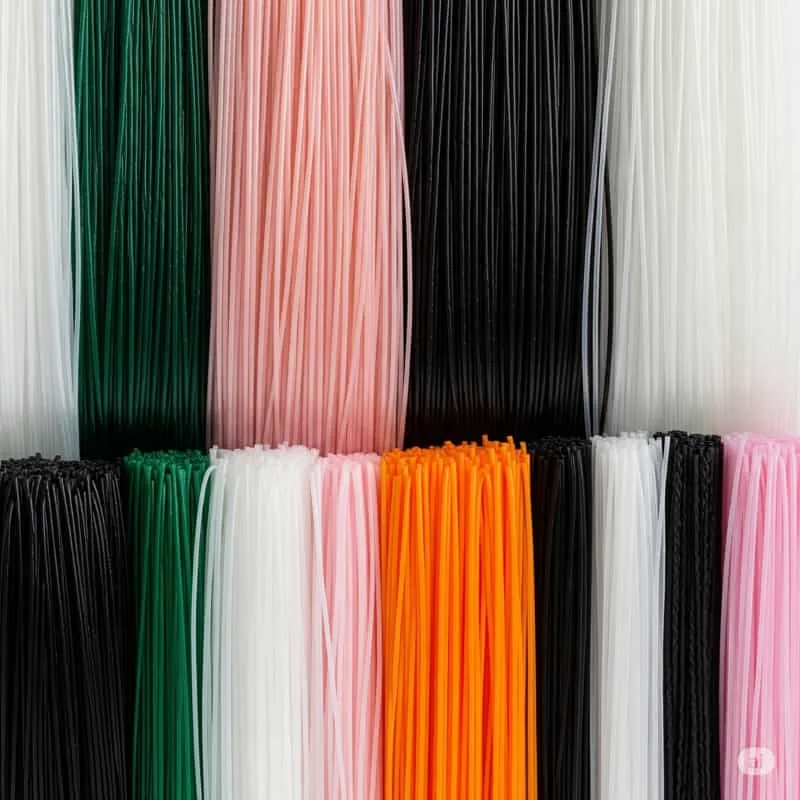
Manmade Fiber

Polyester, nylon, acrylic, elastane, and regenerated cellulosics. Polymer chemistry, spinning methods, modifications, and recycling routes. This section explains practical decision criteria, typical test methods, and failure modes that matter in real production. Readers get checklists, calculation steps, and case examples connecting specifications to cost, reliability, and compliance. Links map core concepts to upstream inputs and downstream processes so choices remain consistent across sourcing, manufacturing, and end-use performance. Each article includes definitions, diagrams where helpful, and plain-language notes to help newcomers ramp quickly while giving experienced professionals the depth needed to troubleshoot and optimize. Standards references are cited with context, and whenever trade-offs exist, we make them explicit so you can defend decisions.

polymer fibers

Polymer Fibers: Properties, Applications, and Future Prospects

Polymer fibers are long, chain-like molecules engineered to exhibit exceptional strength, flexibility, and durability. These materials, derived from synthetic or natural polymers, have transformed industries ranging from textiles to aerospace due to their unique physical and chemical properties. […] Their unique properties, coupled with ongoing innovations in manufacturing and sustainability, ensure their continued relevance.

Read more »

Article

Manmade Protein Fibers: A Revolution in Sustainable Textiles

Manmade protein fibers represent a promising and sustainable future for the textile industry. Their biodegradability, comfort, and versatility make them an attractive choice for eco-conscious consumers and businesses. As research and technology continue to advance, manmade protein fibers are likely to play a more significant role in creating textiles that are both environmentally friendly and high-performing. These fibers are a testament to the industry’s commitment to innovation and sustainability in the pursuit of a greener future. Manmade protein fibers are produced by dissolving proteins like casein from milk, soya bean protein, and zein from corn in diluted alkali and forcing these solutions through a spinneret into an acid-formaldehyde coagulating bath.

Read more »

Article

polyester wedding dress

Man-made /Artificial fibers

Man-made fibers are fibers in which either the basic chemical units have been formed by chemical synthesis followed by fiber formation or the polymers from natural sources have been dissolved and regenerated after passage through a spinneret to form fibers. This fibre came to success when the researchers obtained a product by condensation of molecules presenting two reactive aminic groups with molecules characterised by two carboxylic reactive groups.

Read more »

Article

Scroll to Top