Home » Fiber & Yarns » Fiber » Page 5

Fiber

Explains origins, morphology, properties, and classification of textile fibers. Compares moisture regain, tensile behavior, thermal response, and sustainability profiles. Includes selection charts that link fiber choice to end-use performance and cost. This section explains practical decision criteria, typical test methods, and failure modes that matter in real production. Readers get checklists, calculation steps, and case examples connecting specifications to cost, reliability, and compliance. Links map core concepts to upstream inputs and downstream processes so choices remain consistent across sourcing, manufacturing, and end-use performance. Each article includes definitions, diagrams where helpful, and plain-language notes to help newcomers ramp quickly while giving experienced professionals the depth needed to troubleshoot and optimize. Standards references are cited with context, and whenever trade-offs exist, we make them explicit so you can defend decisions.

Home » Fiber & Yarns » Fiber » Page 5

Apparel

Environmental Aspects in Textile Industry: Ecological Hazards and Remedial Measures

Among many pollution-creating industries, textile has a larger share in terms of its impact with regard to noise, air, and effluent. It is, therefore, felt worthwhile to study the environmental hazards associated with various operations of textiles. In this paper, pollution arising out of noise and air is discussed. Areas of concern and their appropriate rectifying procedures are also taken into account.

Ecological degradation happens in natural fiber right from cultivation to finishing of the ultimate product. Prominent parameters and the possible package of corrective measures are highlighted. Synthetic fiber industry is not an exception to environmental pollution and therefore various pollution-creating activities are pointed out. Management of various textile wastes is also mentioned in this paper.

Read more »

Article

ring-spinning-machine

Manmade Fiber

Optimum Drafting Conditions of Polyester and Viscose Blend Yarns

In this study, we used an experimental design to investigate the influence of the total draft, break draft, the distance between the aprons (Clips) and production roller pressure on yarn quality in order to obtain optimum drafting conditions for polyester and viscose (PES/CV) blend yarns in ring spinning frame. We used PES fibres (1.4 dtex × 38 mm long) and CV fibres (1.6 dtex × 38 mm long) to spin a 20 Tex blend yarn of PES (70%)/CV (30%) blend ratio.

When the break draft, adjustment of distance between of aprons and roller pressure is not reasonable, controlling and leading of the fibres is not sufficient for proper orientation of the fibres in the yarn structure to produce a high-quality yarn. Experimental results and statistical analysis show that the best yarn quality will be obtained under drafting conditions total draft of 38, 1.2 break draft, 2.8 mm distance between of aprons and maximum pressure of the production top roller (18daN).

Read more »

Article

wool fabric

Manmade Fiber

Recycled Italian Zero Impact Wool

This article introduces the Cardato Regenerated CO2 Neutral Brand process for creating “zero impact wool” recycled textiles. The textiles are produced in Italy’s main textile manufacturing city of Prato in Tuscany. Because during the textile production process, Cardato Regenerated CO2 Neutral Brand eliminates the carbon footprint by using regenerated raw materials, the Prato Chamber of Commerce certifies the brand as Cardato Recycled. It is an eco-friendly product that is versatile, has a limited impact on the environment, and is comfortable to wear.

Read more »

Article

Manmade Fiber

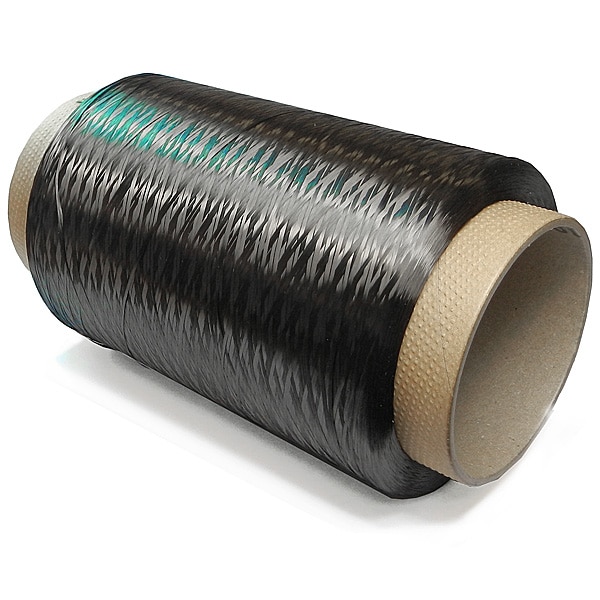
Carbon Fibers – the lightweight and super strong man-made fibers

Carbon fiber is a super strong material that is extremely lightweight. It is five times as strong as steel, two times as stiff, yet weighs about two-thirds less. Carbon fiber is basically very thin strands of carbon (even thinner than human hair). The strands can be twisted together, like yarn and then be woven together, like cloth. To make carbon fiber take on a permanent shape, it can be laid over a mold and coated with a stiff resin or plastic. Carbon fiber can also be defined as a fiber containing at least 92 wt % carbons.

Read more »

Article

Scroll to Top