Resources & General

Reference hub covering glossaries, standards, sourcing directories, cost calculators, and foundational explainers. It helps students, buyers, and engineers get oriented fast with neutral, fact-checked primers and links to deeper modules across the site. This section explains practical decision criteria, typical test methods, and failure modes that matter in real production. Readers get checklists, calculation steps, and case examples connecting specifications to cost, reliability, and compliance. Links map core concepts to upstream inputs and downstream processes so choices remain consistent across sourcing, manufacturing, and end-use performance. Each article includes definitions, diagrams where helpful, and plain-language notes to help newcomers ramp quickly while giving experienced professionals the depth needed to troubleshoot and optimize. Standards references are cited with context, and whenever trade-offs exist, we make them explicit so you can defend decisions.

Technical Textiles

Nano technology – Introduction, Definition, Market, Applications

When the diameter of the fibers is in the nanometer range, several amazing characteristics appear, such as the very large surface area to volume ratio, flexibility in surface functionalities, and superior mechanical performance (e.g., stiffness and tensile strength) compared with any other known form of material.

Read more »

Article

Assorted

3D Body Scanning

Even after the basic training, it is difficult for an average salesperson to come up with the exact measurements. It is here that the 3D technology proves to be a boon. The development of three-dimensional body-scanning technology has immense potential for use in the apparel industry, particularly for customization or mass customization strategies to be […]

Read more »

Article

Assorted

Where Can You Study Fashion Design in the US?

Today’s fashion industry is at a crossroads. Fast fashion, the industry’s moneymaker, is heavily criticized while sustainable materials are emphasized – and all of this under the persistent craving for novelty in wear and design. Even working conditions in the fashion industry are undergoing a revolution. Whereas before, groups of designers would spend feverish hours […]

Read more »

Article

textile composites

Assorted

Textile Composites

Textile composites are fiber-reinforced composite materials. The form of textile fabric being used as reinforcement are: woven , knitted , braided. Textile-reinforced composite materials (TRCM) are part of the general class of engineering materials called composite materials. There are two categories of constituent materials: Matrix: Matrix holds the reinforcements in an orderly pattern. Reinforcement: Used […]

Read more »

Article

Weaving

Improving Warp Yarn at the Size Box

Physical properties of warp yarn are improved by incorporating oligomer resin into the yarn interior at the size box. These improvements yield benefits at each step of the fabric formation process from size box to the woven greige fabric. Warp sizing technology has been in a period of stagnation following the introduction of synthetic polymers into size formulations nearly 60 years ago. As noted in the following “Warp Sizing: A Brief History”, abrasion-resistant surface barriers may have reached optimum performance in sizing.

Read more »

Article

Fabric

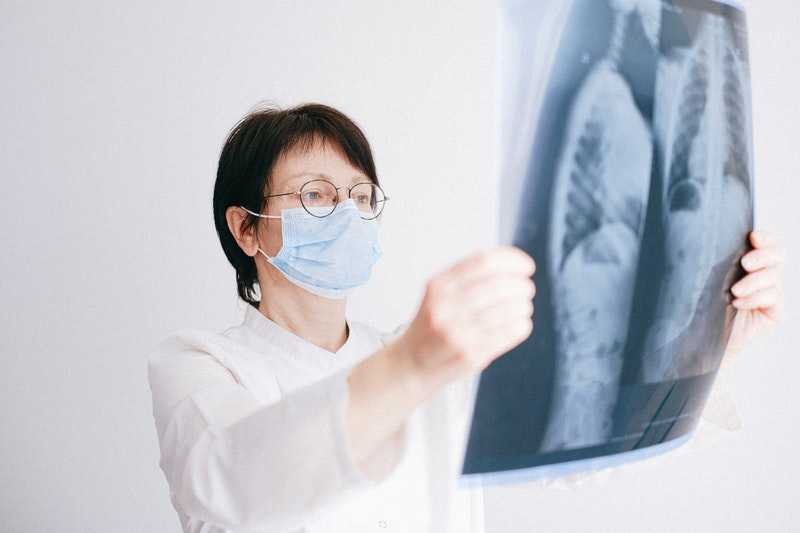
Importance of evaluation of PPE for medical personnel to combat COVID -19

Personal protective equipment (PPE) is used in a wide range of industries to protect workers from exposure to workplace hazards and is designed to address requirements specific to the context of its use. In healthcare, the goal of PPE is to protect healthcare personnel (HCP) from body fluids and infectious organisms via contact, droplet, or airborne transmission.

The ideal face mask blocks large respiratory droplets from coughs or sneezes – the primary method by which people pass the coronavirus to others – along with smaller airborne particles, called aerosols, produced when people talk or exhale. The World Health Organisation recommends medical masks for healthcare workers, elderly people, people with underlying health conditions, and people who have tested positive for the coronavirus or show symptoms.

Read more »

Article

Scroll to Top