Home » Articles

Textile engineering articles

Page 42 of 84

Importance of evaluation of PPE for medical personnel to combat COVID -19

Personal protective equipment (PPE) is used in a wide range of industries to protect workers from exposure to workplace hazards and is designed to address requirements specific to the context of its use. In healthcare, the goal of PPE is to protect healthcare personnel (HCP) from body fluids and infectious organisms via contact, droplet, or airborne transmission.

The ideal face mask blocks large respiratory droplets from coughs or sneezes – the primary method by which people pass the coronavirus to others – along with smaller airborne particles, called aerosols, produced when people talk or exhale. The World Health Organisation recommends medical masks for healthcare workers, elderly people, people with underlying health conditions, and people who have tested positive for the coronavirus or show symptoms.

Read more »

Article

Comparison of Cleaning Treatments for Conservation and Restoration of Cotton, Wool and Silk Fabrics

Cleaning ensures sanitization and thus the safety of the artefact itself and others stored/displayed in its vicinity. At the same time, the process invariably alters the character of textile to a certain extent. Cleaning ensures removal/deactivation of soil and harmful organic matter from the artefact. However, a small number of surface molecules from the textile might be eroded in the process as well. This leads to weakening of the textile and might cause alteration in colour spectrum/ depth etc. Controlled cleaning techniques in conservation laboratories focus on minimizing this damage. However, not much scientific data is available on the efficacy of present cleaning techniques employed in conservation laboratories. Presently aqueous cleaning and solvent cleaning are primary modes utilised as next step to dry tools. Additionally, novel cleaning technologies like enzyme wash and ultrasonic wash provide soil specific methodology that would reduce the threat to the base fabric.

The present paper is a systematic analysis of these cleaning techniques and their impact on aged museum fabrics, i.e., cotton, wool and silk. Change in tensile strength parameters, whiteness index and yellowness index have been used as indicators to test the efficacy of different cleaning techniques on aged museum textiles. Numerical data generated by laboratory experiments clearly indicate that there is no standard cleaning treatment available for the three natural fibres. Each fibre has exhibited suitability to different cleaning treatment while balancing between restored whiteness and minimizing strength loss.

Read more »

Article

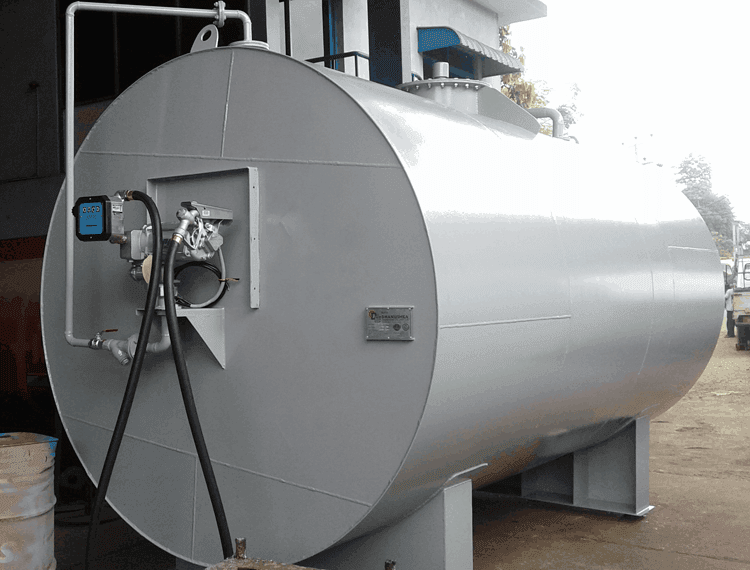
How to Install an Above-Ground Fuel Tank for the Textile Industry

The above-ground fuel tank is also known as the above-ground storage tank. The tanks are set up above the ground and can hold anything from petroleum products, hazardous materials, and waste. Due to its sensitive content, a fuel tank must be installed at least 20 feet away from residential compounds. Additionally, employees of the textile […]

Read more »

Article

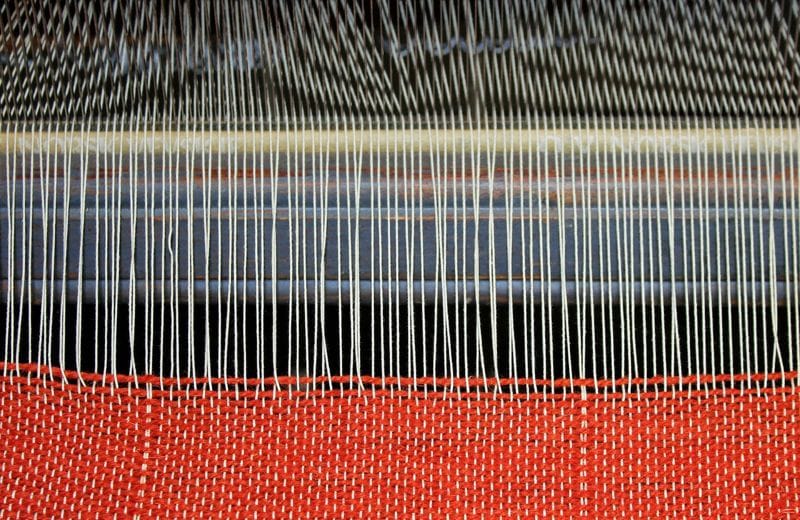
A New Perspective to Improve Warp Sizing

Higher quality yarn improves the weaving process. Introduction of very small non-film forming resin particles in conventional size formulations modify and provide improved fiber cohesion in the warp yarn bundle. This transient effect provides a more compact and improved yarn substrate to host conventional warp size polymers on the yarn surface. Evaluation of this technology in producing mills has provided positive results in all factors associated in the weaving process.

Read more »

Article

Quality Characterisation of Apparel

Quality characterization of apparel is the 2nd edition of the book that entails dimensional and colour fastness properties, durability and surface appearance of apparels along with mandatory regulation on flammability, fibre composition and care labels. Safety issues for different accessories in children garment and safety review of typical garments have been thoroughly covered in this book. The first edition of the book was published in the year 2009.

The novelty of the book is the way the topics are arranged on an actual practical way in which apparel manufacturing units, buying offices, and retailers are facing day-to-day challenges in different activities in their business. This will help the apparel business community to avoid quality-related surprises and cut down rejections. The book would be of immense use for textile/garment manufacturers, buying offices, retailers and the educational cluster of apparel/fashion.

Read more »

Article

Scroll to Top