Cross-overs, multi-domain notes, and uncategorized yet useful guides. Curated to avoid noise and preserve discovery. This section explains practical decision criteria, typical test methods, and failure modes that matter in real production. Readers get checklists, calculation steps, and case examples connecting specifications to cost, reliability, and compliance. Links map core concepts to upstream inputs and downstream processes so choices remain consistent across sourcing, manufacturing, and end-use performance. Each article includes definitions, diagrams where helpful, and plain-language notes to help newcomers ramp quickly while giving experienced professionals the depth needed to troubleshoot and optimize. Standards references are cited with context, and whenever trade-offs exist, we make them explicit so you can defend decisions.
Pressures in the apparel industry are complex, multidimensional, and not easy to classify. However, based on the review of experiences shared by the peers in the industry, they are classified into four categories and discussed in the paper.
Textile designers and manufacturers are under social pressure to reduce the impact of textiles on the environment. Careful use of raw materials and natural resources in textile production will ensure that they are available to future generations. Textile technologists are constantly seeking to develop new fibres that have improved performance and are sustainable.
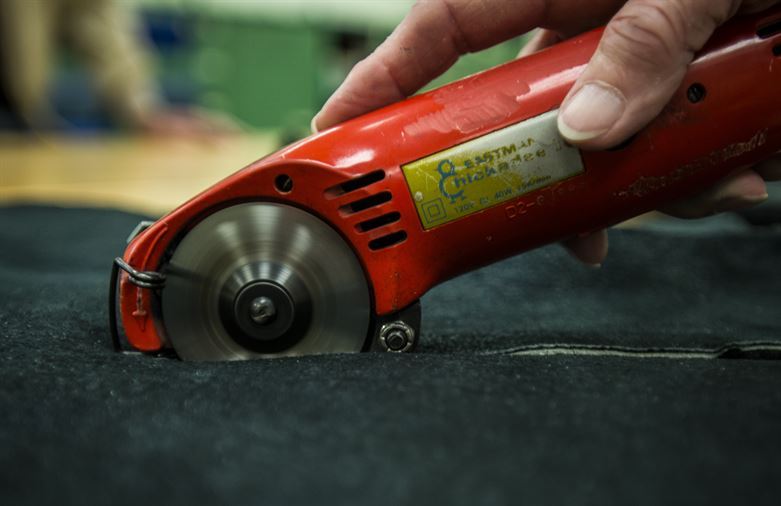
Fabric cutting is an important part of the textile industry, which has created growth opportunities for the fabric cutting machine market during the forecast period.
Fabric care detergents, a product type segment, is projected to gain significant growth in the global fabric care market owing to the increasing use of liquid fabric care products.
The earliest evidence of textile production in India comes from the Indus Valley, where a complete Urban civilization centred around the two cities of Mahenjodaro and Harappa, thrived between 2500 and 2000 BC. Along with the many figurines and engraved seals, numerous spindle whorls of wool and coarse cotton, some copper sewing needles were found.
The recent discovery of excavated seals at the port town of Lothal on the west coast of Gujarat and Dhula-vira in Kutch, indicate that the sophisticated culture, already engaging in the export trade, was in place before this time. The earliest textile impression found in the subcontinent comes from Mehergarh, an Indus Valley site in Beluchistan. This impression of a woven fabric and a large number of cotton seeds also unearthed, date from 5000 BC. , by which time that appears cotton cultivation and textile weaving were already advanced.
People involved with colour and colour reproduction needed a unique and unambiguous specification of colour, leading to colours being expressed in numeric codes, which is explained in detail in this article like the perception of colours, the representation of colours, and other interesting semantics of it.
Manufacturing excellence in the garment industry is the ultimate process whereby all variable parameters of the company are monitored to achieve the highest possible standards in order to maximise profit, production, quality levels, customer satisfaction, and employee contentment and to be fit for competition and make continuous progress.
Why India is lagging behind other countries like Bangladesh, Sri Lanka, and Vietnam in terms of manufacturing efficiency and production and how can it resolve the issue?
The book, performance of home textiles, is aimed at industry professionals, domestic and international retailers, factory owners, buying institutions, and students intended to start their career in the home textile sector. Thus, the emphasis of the book is how to achieve the commercial success of desired end product through the knowledge of the key markets producing various home textiles, the scope of development through sustainable and eco-friendly fibres, various industry-specific standards, evaluation systems and above all safety aspects and environmental regulations.
Factors affecting online shopping for e-retailers are knowing consumer buying behaviour and the buying pattern of goods, which are identified as demographics, psychographics, and website attributes.