
Specialty
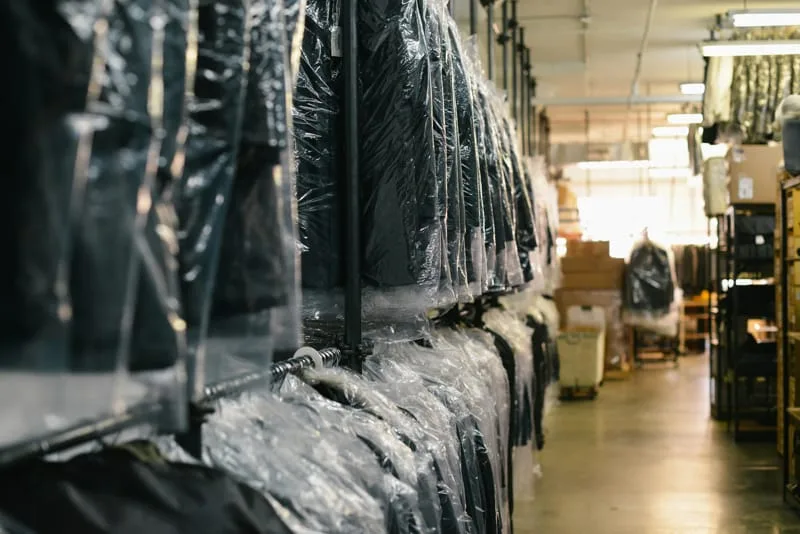
Textile Supply Chain Transparency: Building a Sustainable Future
Explore textile supply chain transparency, its role in ethical fashion, and technologies like blockchain driving accountability.
Article
Decarbonization, water, waste, and circularity with measurable KPIs. This section explains practical decision criteria, typical test methods, and failure modes that matter in real production. Readers get checklists, calculation steps, and case examples connecting specifications to cost, reliability, and compliance. Links map core concepts to upstream inputs and downstream processes so choices remain consistent across sourcing, manufacturing, and end-use performance. Each article includes definitions, diagrams where helpful, and plain-language notes to help newcomers ramp quickly while giving experienced professionals the depth needed to troubleshoot and optimize. Standards references are cited with context, and whenever trade-offs exist, we make them explicit so you can defend decisions. The coverage also includes metrics, data tables, and example calculations so results are reproducible. Where regulations apply, we highlight jurisdiction, scope, and verification pathways. Tools and templates are provided to speed up daily work without sacrificing rigor.
Specialty
Explore textile supply chain transparency, its role in ethical fashion, and technologies like blockchain driving accountability.
Article

Resources & General
Discover how to build a thriving, inclusive community around sustainable textile practices. From workshops to digital forums, this guide offers practical strategies for connecting people, skills, and ethics through fabric.
Article
Sustainable Textile
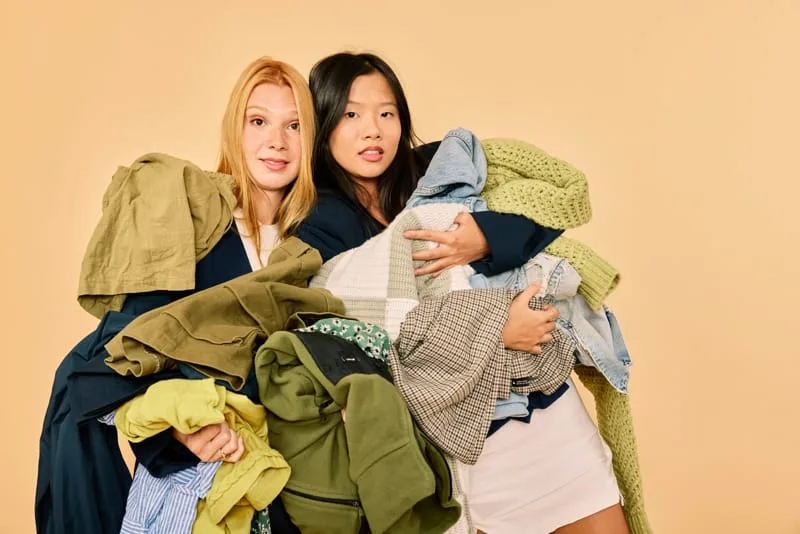
In 2025, textile recycling is revolutionizing the fashion industry with cutting-edge technologies like chemical and enzymatic recycling, turning old clothes into high-value materials. Companies such as Reju, Syre, and Samsara Eco are leading the charge, developing processes that significantly reduce CO2 emissions and create infinitely recyclable fibers. Artificial intelligence is also playing a crucial role in improving sorting efficiency, making recycling more scalable. Despite challenges like sorting complexity and cost, these innovations are paving the way for a more sustainable and circular textile industry.
Article

Sustainable Textile
The global fashion and textile industry is at a pivotal moment, with sustainability emerging as a driving force of change. Sustainable textile products are not only reshaping the way we dress and decorate our homes but also challenging conventional production methods and inspiring innovation. As consumers increasingly embrace eco-friendly fashion and home textiles, the industry’s commitment to sustainability will continue to drive positive change for the environment, workers, and society as a whole. Whether it’s through organic fabrics, circular fashion practices, or cutting-edge biodegradable textiles, sustainable textile products are leading the way towards a more responsible and harmonious relationship with our planet.
Article
Specialty
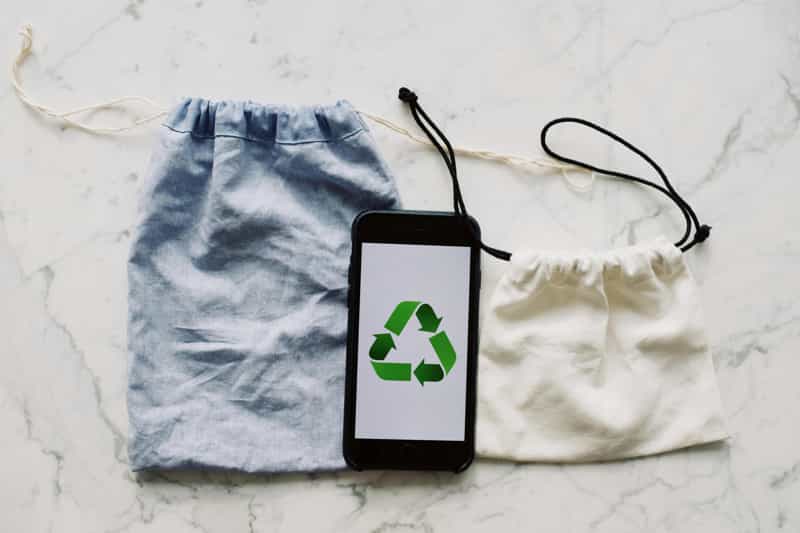
Textile recycling technologies are reshaping the fashion industry by tackling its massive waste problem—over 92 million tons annually—through innovative methods like chemical, mechanical, and biological recycling. These advancements, from Eastman’s molecular breakdown of polyester to Samsara Eco’s enzyme-driven processes, support a circular economy by turning discarded fabrics into high-quality fibers. With brands like Patagonia and H&M leading adoption, and the market poised for growth amid EU mandates, challenges such as material complexity and cost persist. This article explores the evolution, innovations, real-world applications, and future of these cutting-edge solutions driving sustainability in textiles.
Article

Specialty
The textile industry stands at a crossroads, where vibrant colors must no longer come at the cost of environmental harm—innovations in sustainable dyeing offer a solution. From natural dyes sourced from plants like indigo and madder to cutting-edge low-water processes like supercritical CO2 and foam dyeing, these eco-friendly methods slash water use, reduce chemical pollution, and lower energy demands. This article dives deep into the history, technology, and real-world applications of sustainable dyeing, revealing how brands like Patagonia and Levi’s are revolutionizing fashion. With a growing market and a future shaped by biotechnology and digital advances, sustainable dyeing promises a greener wardrobe without sacrificing style or quality.
Article
Every record in these registers was sent in by somebody. Submissions are reviewed before they are published.
1,496 machines in the register.Tell us about a missing one 306 event series in the register.Submit a trade fair or conference 3,038 standards tracked in the register.Get the changes by email each week