The textile industry, a cornerstone of global manufacturing, faces significant environmental challenges, particularly in its dyeing and finishing processes. These stages are responsible for a substantial portion of the industry’s water consumption, chemical usage, and carbon emissions. For instance, dyeing and finishing account for 36% of the textile supply chain’s climate impact, with each kilogram of cotton requiring approximately 125 liters of water for these processes alone1. As global awareness of environmental sustainability grows, there is an increasing demand for innovative solutions that can mitigate these impacts without compromising the quality or vibrancy of textile products.
In response to these challenges, the textile industry has seen a resurgence of interest in natural dyes and the development of low-water and waterless dyeing technologies. Natural dyes, derived from plants, minerals, and other organic sources, offer a more eco-friendly alternative to synthetic dyes, which often contain harmful chemicals. However, their adoption has been limited due to challenges such as color fastness and scalability. Concurrently, technological advancements have led to the creation of processes that drastically reduce water usage, such as supercritical carbon dioxide (CO2) dyeing and foam dyeing, which promise to revolutionize the way textiles are colored.
This article explores the innovations in sustainable textile dyeing, with a particular focus on natural dyes and low-water processes. By examining the historical context, technological evolution, current innovations, production processes, challenges, real-world applications, and future prospects, we aim to provide a comprehensive overview of how the textile industry is moving towards more sustainable practices.
Historical Context of Textile Dyeing
Textile dyeing is one of the oldest forms of art and technology, with evidence of dyed textiles dating back thousands of years. Early civilizations used natural dyes derived from plants, insects, and minerals to color their fabrics. For example, indigo was used for blue, madder for red, and woad for blue in various cultures around the world. These natural dyes, while beautiful, often required large amounts of resources and produced inconsistent results, reflecting the labor-intensive nature of early dyeing practices.
The industrial revolution brought about significant changes in textile production, including the development of synthetic dyes in the mid-19th century. Synthetic dyes, such as those derived from coal tar, offered brighter colors, better fastness, and were more cost-effective than natural dyes. This shift led to a rapid expansion of the textile industry but also introduced new environmental problems. Synthetic dyes are often petroleum-based and contain toxic chemicals that can pollute water sources when discharged, leading to reports of rivers turning unnatural colors near manufacturing hubs.
As environmental awareness grew in the late 20th century, the textile industry came under scrutiny for its impact on water resources and ecosystems. The high water consumption of dyeing processes became a concern in water-scarce regions, prompting a renewed interest in sustainable dyeing methods. This historical shift from natural to synthetic dyes, and back towards sustainability, sets the stage for understanding current innovations in eco-friendly dyeing methods.
Technological Evolution in Dyeing Practices
The push for sustainability in textile dyeing has driven significant technological advancements over the past few decades. Early efforts focused on improving the efficiency of traditional dyeing methods, such as reducing the liquor ratio (the ratio of water to fabric) in dye baths. However, more radical innovations have emerged that challenge the very foundation of how textiles are dyed, marking a pivotal evolution in the industry.
One of the most promising developments is the use of supercritical carbon dioxide (CO2) as a dyeing medium. Supercritical CO2 has properties that allow it to dissolve dyes and penetrate fabrics without the need for water. Companies like DyeCoo Textile Systems BV have commercialized this technology, offering dyeing solutions that use up to 95% less water and significantly reduce chemical usage, with their systems processing large volumes of polyester textiles for industrial applications2.
Another innovation is foam dyeing, which uses air and chemicals to create a foam that is applied to the fabric. This method can reduce water usage by up to 95% compared to conventional dyeing, as seen in technologies developed by Navis Tubetex in collaboration with Gaston Systems. Foam dyeing not only saves water but also reduces energy consumption and the amount of dyes and chemicals needed, aligning with the industry’s sustainability goals.
Additionally, there has been progress in developing salt-free and low-salt dyeing processes for cotton and other cellulosic fibers. Traditional reactive dyeing requires large amounts of salt to fix the dyes to the fabric, leading to high salt content in wastewater. New reactive dyes and processes, such as those offered by Avient Specialty Inks with their MagnaColours® ITOFIX EVO, allow for dyeing at lower temperatures and with reduced salt, minimizing environmental impact and operational costs.
Sources and Availability of Eco-Friendly Dyes

https://www.flickr.com/photos/carobrod/26411921774/sizes/c/
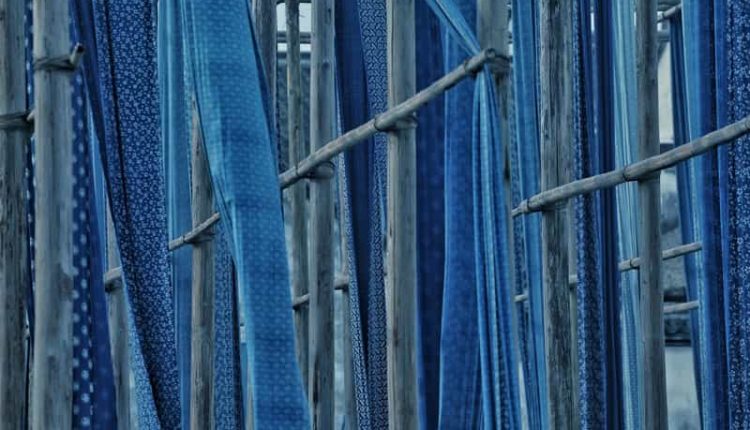
The availability of eco-friendly dyes, particularly natural dyes, is a critical factor in their adoption. Natural dyes are derived from renewable resources, including plants, animals, and minerals, making them a sustainable choice for textile coloration.
Plant-Based Sources: Many plants contain pigments that can be extracted for dyeing, such as indigo from Indigofera tinctoria, madder from Rubia tinctorum, and weld from Reseda luteola. These plants can be grown in various regions, with agro-industrial waste like grape pomace and orange peel also serving as dye sources, reducing waste and land use3.
Animal-Based Sources: Cochineal, derived from the female cochineal insect, produces a bright red dye known as carmine, historically valued by the Aztecs and European dyers. While less common today, it remains an option for specific applications.
Mineral-Based Sources: Minerals like iron oxide and copperas provide yellows, browns, and blacks, often used in combination with other dyes to modify colors, though their availability can be limited by mining regulations.
The challenge lies in scaling up production to meet industrial demands without compromising sustainability. Innovations in extraction techniques, such as ultrasound-assisted extraction and microwave-assisted extraction, enhance the availability of natural dyes by improving efficiency and reducing resource use, making them more accessible for textile manufacturers.
Innovations in Sustainable Dyeing Methods
The textile industry is witnessing a wave of innovations aimed at reducing the environmental footprint of dyeing processes, focusing on eco-friendly methods like natural dyes and low-water processes.
Natural Dye Innovations: Research has advanced extraction techniques, including ultrasound-assisted extraction, microwave-assisted extraction, enzymatic extraction, and supercritical fluid extraction, reducing water, energy, and chemical use. For instance, pomegranate and marigold extracts offer vibrant colors with additional functional properties like UV protection and antimicrobial effects3.
Low-Water and Waterless Processes: Technologies like supercritical CO2 dyeing, developed by DyeCoo, eliminate water use, with a 98% dye uptake and 95% CO2 recovery, processing 800,000 kg of PET per year and saving 32 million liters of water2. Foam dyeing, reducing water by 95%, and air dyeing are also gaining traction, offering alternatives to traditional immersion methods.
Energy-Efficient Techniques: Microwave dyeing and ultrasound-assisted dyeing reduce energy consumption by heating dye baths uniformly and improving dye penetration, respectively, aligning with the industry’s sustainability goals.
These innovations not only address environmental concerns but also offer economic benefits through reduced resource consumption and waste management costs, making them attractive for textile manufacturers.
Production Process Overview
A typical sustainable dyeing process involves several steps, each optimized for minimal environmental impact:
- Pretreatment: Preparing the fabric to accept the dye, which could include desizing, scouring, and bleaching using eco-friendly methods like enzyme-based scouring, reducing water and chemical use compared to traditional alkali-based methods.
- Dyeing: Applying the dye using low-water or waterless techniques, such as foam dyeing or supercritical CO2 dyeing. In supercritical CO2 dyeing, the fabric is placed in a pressure vessel where CO2 is brought to supercritical conditions, acting as a solvent to carry dyes into the fabric fibers, eliminating water use2.
- Fixation: Ensuring the dye is properly fixed to the fabric, which might involve steaming or other methods that minimize energy use, such as microwave fixation.
- Finishing: Applying any necessary finishes using sustainable practices, like Brückner Textile Technologies’ ECO-COAT system, achieving up to 40% energy savings on tenter frames.
These processes demonstrate how sustainable dyeing can be integrated into existing production workflows with minimal disruption, offering a blueprint for eco-friendly textile production.
Challenges in Adoption
Despite the promise of these innovations, several challenges must be addressed to ensure widespread adoption and long-term success.

Technical Challenges: Scaling up sustainable dyeing technologies, such as supercritical CO2 dyeing, requires significant investment and optimization, while ensuring performance consistency, especially for natural dyes, remains a hurdle due to variability in color fastness and reproducibility.
Economic Challenges: The initial investment for new machinery can be high, with operational costs potentially higher in the short term, deterring adoption in a price-sensitive market. Research suggests that while long-term savings are possible through reduced resource use, consumer willingness to pay a premium for sustainably dyed products is crucial4.
Regulatory and Policy Challenges: Lack of standardization and varying regional policies can hinder adoption, with the need for certifications like Bluesign and OEKO-TEX to assure consumers of sustainability benefits.
Educational and Cultural Challenges: A knowledge gap within the industry and cultural resistance to changing long-standing practices can slow the transition, necessitating education and training initiatives.
Addressing these challenges will require collaboration between industry stakeholders, policymakers, and consumers to create an environment where sustainable dyeing is economically viable and widely accepted.
Real-World Applications and Case Studies
Several companies and brands have successfully implemented sustainable dyeing practices, demonstrating their practical and effective nature.
DyeCoo Textile Systems: DyeCoo has installed multiple supercritical CO2 dyeing machines worldwide, processing up to 800,000 kg of polyester textiles per year, saving 32 million liters of water and 160,000 kg of chemicals, with 95% CO2 recovery2. Clients like Adidas use this technology for sustainable product lines, showcasing its commercial viability.
Levi’s Waterless Technologies: Levi’s has developed waterless garment finishing techniques, reducing water usage by up to 96% through laser and ozone technologies for denim, saving over 3.5 billion liters of water since 2011, highlighting the impact on large-scale production.
Patagonia’s Natural Dyes: Patagonia uses natural dyes like madder and indigo, working with suppliers adhering to strict environmental standards, and transparently communicates the environmental benefits, educating consumers on sustainable fashion.
Inditex and Pulcra Chemicals: Inditex, parent company of Zara, collaborated with Pulcra Chemicals to develop a process reducing water by 80%, energy by 60%, and time by 60%, demonstrating how large retailers can drive innovation in sustainable dyeing.
These case studies illustrate that sustainable dyeing is not only environmentally beneficial but also commercially viable, setting a precedent for the industry.
Types of Sustainable Dyeing Methods
Sustainable dyeing methods can be categorized based on their approach to reducing environmental impact:
| Type | Description | Examples |
|---|---|---|
| Natural Dyeing | Uses dyes from plants, animals, and minerals, biodegradable and eco-friendly. | Indigo, madder, cochineal, logwood |
| Low-Water Dyeing | Reduces water use through techniques like foam dyeing and pad-steam dyeing. | Foam dyeing, pad-steam dyeing |
| Waterless Dyeing | Eliminates water use, using solvents like supercritical CO2 or air. | Supercritical CO2 dyeing, air dyeing |
| Energy-Efficient Dyeing | Reduces energy consumption through microwave and ultrasound-assisted processes. | Microwave dyeing, ultrasound dyeing |
Each type offers unique benefits, with natural dyeing appealing to eco-conscious consumers and waterless methods addressing water scarcity, providing a diverse toolkit for sustainable textile production.
End-Users and Market Dynamics
The end-users of sustainably dyed textiles include fashion brands, home textile manufacturers, and technical textile producers, each driven by consumer demand for eco-friendly products. Fashion brands like Patagonia and Levi’s target environmentally conscious consumers, while home textile manufacturers focus on sustainable bedding and upholstery. Technical textiles, used in automotive and medical applications, benefit from sustainable dyeing for compliance with regulations.
The market for sustainable textiles is growing, with the global sustainable textiles market valued at $5.8 billion in 2019, expected to reach $13.4 billion by 2027, growing at a CAGR of 12.2%5. This growth is fueled by consumer awareness and regulatory pressures, with brands adopting sustainable dyeing to meet certifications like Bluesign, enhancing market competitiveness.
Future Trends and Outlook
The future of sustainable textile dyeing looks promising, with emerging technologies and trends shaping the industry.
Biotechnological Dyes: Companies like Colorifix are using synthetic biology to create dyes produced by microorganisms, reducing the need for chemical synthesis and offering customizable properties, potentially revolutionizing dye production.
Digital Dyeing: Advances in digital printing allow for precise, on-demand coloring with minimal waste, suitable for small batch production and personalization, aligning with consumer trends for customized fashion.
Policy and Regulation: The European Union’s Strategy for Sustainable and Circular Textiles aims for all textiles to be long-lasting and recyclable by 2030, likely accelerating the adoption of sustainable dyeing technologies through regulatory pressure.
Consumer Trends: Increasing consumer demand for transparency and sustainability is driving brands to invest in eco-friendly dyeing, with certifications like OEKO-TEX becoming essential for market access.
Research and development will continue to explore new extraction methods for natural dyes and improve the efficiency of low-water processes, fostering a circular economy in textiles. As these trends converge, the industry is set for a transformation towards more sustainable practices, with dyeing at the forefront.
Summary and Call to Action
Innovations in sustainable textile dyeing, particularly through natural dyes and low-water processes, represent a crucial step towards mitigating the environmental impact of the textile industry. From historical practices to cutting-edge technologies like supercritical CO2 dyeing and foam dyeing, the industry is evolving towards more responsible production methods. While challenges such as cost, scalability, and market demand exist, the successes of early adopters and ongoing research suggest a bright future for sustainable dyeing. By continuing to invest in technology, policy, and education, the textile industry can achieve a balance between economic viability and environmental responsibility, ensuring that fashion remains both beautiful and sustainable. We encourage industry stakeholders to explore these innovations and contribute to a greener textile future.
Key Citations
- Ecological Approaches to Textile Dyeing: A Review
- Sustainable Dyeing & Finishing Innovations | Textile World
- Advancements in Sustainable Natural Dyes for Textile Applications: A Review – PMC
- These new textile dyeing methods could make fashion more sustainable – CEN
- Textile Market Size, Share & Trends Analysis Report By Product, By Application, By Region, And Segment Forecasts, 2020 – 2027 – Grand View Research