Introduction
Sustainable textile products have become a beacon of hope in an industry often associated with environmental and social concerns. As global awareness of the ecological and ethical implications of fashion and textile production grows, consumers are increasingly seeking alternatives that minimize harm to the planet and promote fair labor practices. In this comprehensive article, we will explore the world of sustainable textile products, including eco-friendly fashion, home textiles, and innovative developments in sustainable textiles.
The Rise of Sustainable Textile Products
Understanding Sustainability in Textiles
Sustainability in textiles has evolved from a niche concept to a critical global concern. As the fashion and textile industry grapples with its environmental and social impacts, understanding sustainability has become essential for consumers, brands, and manufacturers. This article provides a comprehensive overview of sustainability in textiles, delving into its multifaceted aspects, including environmental, social, and economic considerations.
Understanding sustainability in textiles is a multifaceted journey that involves environmental stewardship, social responsibility, and economic viability. It requires a collective effort from all stakeholders, including consumers, brands, manufacturers, and policymakers. As we navigate the challenges and opportunities presented by sustainability in textiles, we have the power to transform the industry into one that respects the planet, values its workers, and ensures long-term economic prosperity. Sustainability is not just a trend; it is a paradigm shift that will shape the future of textiles for generations to come.
The Three Pillars of Sustainability
Environmental Sustainability
- Defining environmental sustainability in the context of textiles.
- The environmental impact of traditional textile production, including water usage, chemical pollution, and energy consumption.
- Sustainable textile practices, such as eco-friendly materials, reduced water and energy use, and waste reduction.
Social Sustainability
- Exploring social sustainability within the textile industry, focusing on fair labor practices and workers’ rights.
- The importance of safe working conditions, fair wages, and ethical treatment of workers in textile manufacturing.
- Fair Trade and ethical certifications as tools for promoting social sustainability in the textile supply chain.
Economic Sustainability
- Economic sustainability in textiles, considering the financial viability of sustainable practices.
- Balancing sustainable investments with long-term economic benefits.
- The role of sustainable business models and supply chain transparency in economic sustainability.
Environmental Impact of Textile Production
Resource Consumption
- Water usage in textile production, including the water footprint of cotton and other textiles.
- Energy consumption and greenhouse gas emissions in the textile industry.
- Sustainable practices to reduce resource consumption, such as water-efficient dyeing and energy-efficient manufacturing processes.
Chemical Pollution
- The use of chemicals in textile processing, including dyes, finishes, and treatments.
- Environmental consequences of chemical pollution, such as water contamination and soil degradation.
- Sustainable alternatives, such as non-toxic dyes and low-impact dyeing methods.
Waste Generation
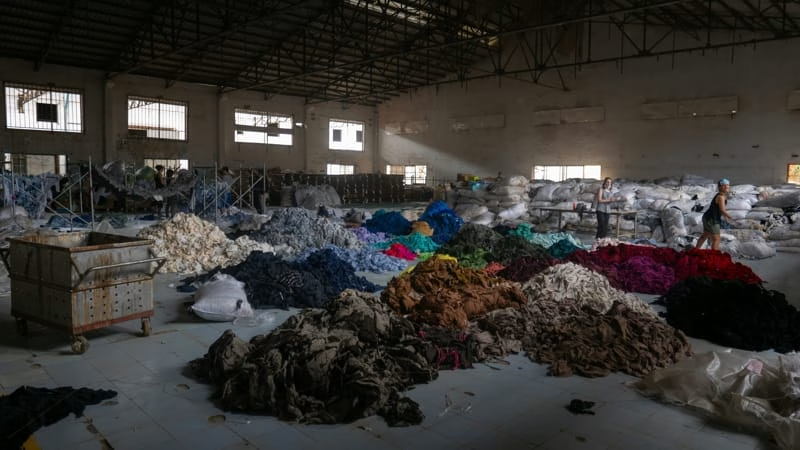
- The issue of textile waste, including both pre-consumer and post-consumer waste.
- Sustainable approaches to reduce textile waste, such as recycling, upcycling, and circular fashion models.
- The importance of textile recycling and its potential environmental benefits.
Social Aspects of Sustainable Textiles
Labor Conditions
- The challenges and ethical concerns related to labor conditions in the textile industry, especially in developing countries.
- Case studies of labor rights violations and efforts to improve working conditions.
- The role of international labor standards and organizations in promoting fair labor practices.
Supply Chain Transparency
- The significance of supply chain transparency in ensuring social sustainability.
- Tools and initiatives for tracking and verifying the ethical treatment of workers throughout the textile supply chain.
- Consumer demand for transparency and its impact on brand accountability.
Economic Viability of Sustainable Textiles
Sustainable Business Models
- Sustainable fashion business models, including slow fashion, resale, and rental platforms.
- The economic advantages of sustainable practices, such as reduced operational costs and increased consumer loyalty.
- The long-term economic benefits of sustainability in textiles.
Sustainable Innovation and Investment
- The role of research and development in driving sustainable textile innovations.
- Sustainable investments in textile technology, including alternative materials and production methods.
- Economic incentives for investing in sustainability within the textile industry.
The Shift in Consumer Mindset
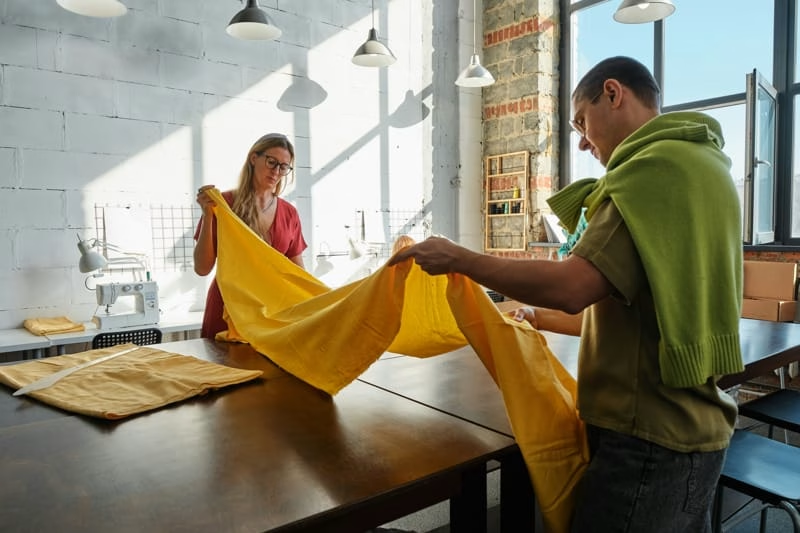
The global textile industry is undergoing a transformative shift, largely driven by a significant change in consumer mindset. As concerns about the environmental and social impacts of textile production grow, consumers are increasingly demanding sustainable and ethical alternatives. This article explores the profound shift in consumer mindset towards sustainability in textiles and its far-reaching implications for the industry.
The shift in consumer mindset towards sustainability in textiles represents a pivotal moment in the industry’s history. Consumers are no longer passive participants but active drivers of change. As they continue to prioritize ethical and eco-friendly textiles, they wield significant influence over brands, manufacturers, and the entire supply chain. Sustainability is not just a trend; it is a profound transformation that will shape the future of textiles for the better. It is an opportunity for the industry to become more responsible, transparent, and aligned with the values of consumers who seek to protect both the planet and the people who create the fabrics they love.
The Evolution of Consumer Awareness
The Awakening to Environmental Issues
- The role of environmental disasters, climate change, and pollution in raising consumer awareness.
- The influence of documentaries, media coverage, and activist movements on public perception.
- The realization of the fashion industry’s contribution to environmental degradation.
The Rise of Ethical Consumerism
- The emergence of ethical consumerism as a powerful force in shaping purchasing decisions.
- The intersection of ethics, values, and buying habits in the modern consumer landscape.
- The ethical issues associated with conventional textile production, including labor exploitation and waste.
The Impact of Information and Technology
- How the digital age and social media have democratized information and empowered consumers.
- The role of influencers, bloggers, and sustainable fashion advocates in driving awareness and change.
- How access to information has exposed unethical practices and prompted consumers to seek transparency.
Eco-Conscious Purchasing Decisions
Sustainable Material Preferences
- The shift towards sustainable textile materials, including organic cotton, Tencel, and recycled fibers.
- The appeal of eco-friendly fabrics, driven by their reduced environmental impact and ethical sourcing.
- Consumer demand for transparency regarding material choices in textile products.
The Allure of Ethical Brands
- How ethical and sustainable fashion brands have gained a competitive edge.
- Consumer loyalty to brands that prioritize sustainability, ethical labor practices, and transparency.
- Case studies of successful ethical fashion brands and their impact on consumer choices.
Circular Fashion and Responsible Consumption
- The adoption of circular fashion principles, including repair, reuse, and recycling of clothing.
- The growth of rental and resale fashion platforms and their popularity among eco-conscious consumers.
- How consumers are redefining value in textiles beyond fast fashion.
Consumer-Led Industry Transformation
The Power of Consumer Demand
- How consumer demand for sustainable textiles is influencing industry practices.
- The responsiveness of brands and manufacturers to consumer preferences for ethical and eco-friendly products.
- The shift from a supply-driven to a demand-driven market in textiles.
The Role of Certification and Labeling
- The importance of third-party certifications like Fair Trade and GOTS (Global Organic Textile Standard) in building consumer trust.
- How eco-labels and transparent labeling systems assist consumers in making informed choices.
- The impact of labeling on brand credibility and consumer loyalty.
Advocacy and Consumer Activism
- The rise of consumer activism in the textile industry, including campaigns for ethical sourcing and sustainable practices.
- The influence of petitions, boycotts, and social media campaigns in holding brands accountable.
- How consumers are becoming advocates for change within the industry.
The Future of Consumer-Led Sustainability
Evolving Consumer Expectations
- The continued evolution of consumer expectations in the textile industry.
- The potential for sustainability to become the new standard rather than a niche market.
- The intersection of sustainability with other consumer values, such as inclusivity and diversity.
The Role of Education and Awareness
- The importance of ongoing education and awareness campaigns to sustain the consumer mindset shift.
- The potential for formal education and industry initiatives to further embed sustainability in the textile sector.
- How a well-informed consumer base can drive innovation and positive change.
Eco-Friendly Fashion
2.1. Sustainable Fabrics and Materials
- Exploring sustainable fabric options, including organic cotton, hemp, bamboo, and Tencel.
- Innovative textile developments, such as recycled materials, bio-fabricated fibers, and plant-based leather alternatives.
- The eco-friendly properties of these materials, including reduced water usage and biodegradability.
2.2. Ethical Fashion Brands and Practices
- Profiles of notable sustainable fashion brands committed to ethical manufacturing and sourcing.
- Fair labor practices, transparency, and supply chain traceability in the sustainable fashion industry.
- How certifications like Fair Trade and GOTS (Global Organic Textile Standard) validate ethical fashion.
2.3. Circular Fashion and Upcycling
- The concept of circular fashion and its role in reducing textile waste.
- Examples of brands and initiatives embracing upcycling, recycling, and garment resale.
- How consumers can actively participate in circular fashion by extending the lifespan of their clothing.
Section 3: Sustainable Home Textiles
3.1. Eco-Friendly Bedding and Linens
- Sustainable bedding materials, such as organic cotton and linen, and their benefits.
- The significance of non-toxic, eco-friendly dyes and finishes in home textiles.
- Sustainable bedding brands that prioritize comfort, durability, and environmental impact.
3.2. Eco-Conscious Furnishings and Decor
- Sustainable options for furniture, upholstery, and home decor.
- The use of reclaimed wood, recycled materials, and eco-friendly finishes in furniture production.
- Sustainable interior design practices that reduce waste and promote sustainable living spaces.
3.3. Reducing Microfiber Pollution
- The environmental impact of microfiber shedding from textiles and clothing.
- Solutions and innovations, such as Guppyfriend bags and filtration systems, to reduce microfiber pollution.
- Consumer tips for minimizing microfiber release and mitigating its effects on aquatic ecosystems.
Section 4: Innovations in Sustainable Textiles
4.1. Biodegradable Textiles and Fabrics
- Biodegradable textile options, including Piñatex (pineapple leather), mycelium-based materials, and algae-derived textiles.
- How these innovations address concerns related to textile waste and non-biodegradable synthetics.
4.2. Smart Textiles and Sustainability
- The intersection of technology and sustainability in textiles, including energy-harvesting fabrics and self-cleaning textiles.
- Potential applications of smart textiles in energy conservation and health monitoring.
4.3. Sustainable Textiles Beyond Earth
- How sustainability principles are being applied to textile development for space exploration and colonization.
- The use of sustainable textiles in astronaut attire and spacecraft design.