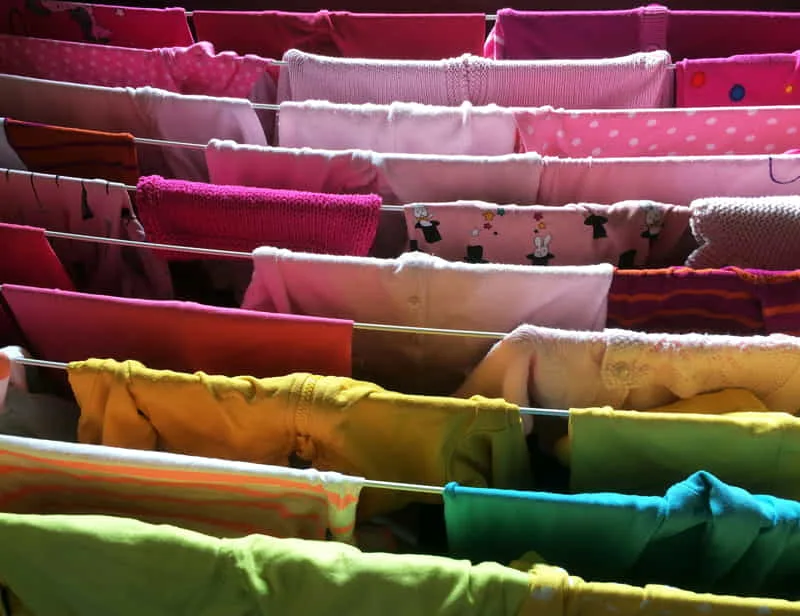
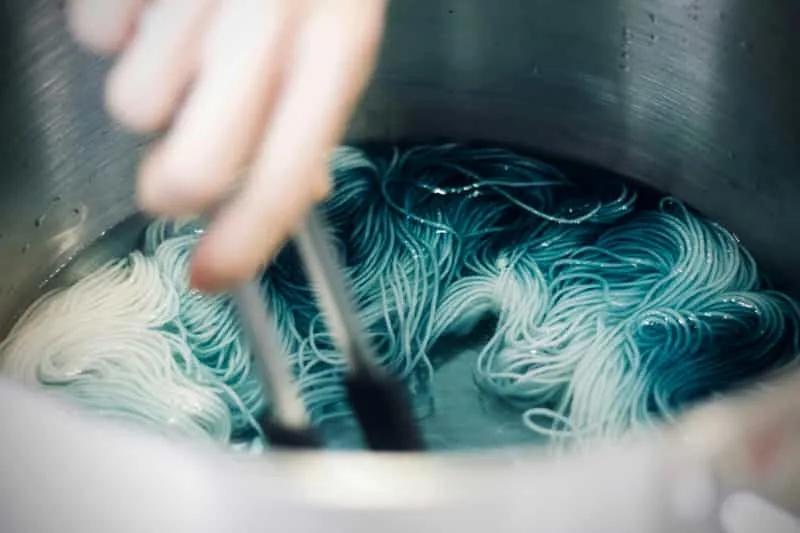
Textile finishing usually includes treatments such as scouring, bleaching, dyeing and/or printing, the final mechanical or chemical finishing operations, that during this stage are carried out on textile products (staple, sliver or top, yarns or filaments, woven or knitted fabrics) to enhance their basic characteristics like dye penetration, printability, wettability, colour, hand, and appearance.
By textile finishing, we also mean all the processing operations that, though included in the so-called finishing stage, are generally applied to the fabrics to improve their appearance, hand, and properties, at times in accordance with their field of application.
The finishing stage plays a fundamental role in the excellency of the commercial results of textiles, which strictly depend on market requirements that are becoming increasingly stringent and unpredictable, permitting very short response times for textile manufacturers.
The latest machines on the market used for finishing operations generally offer multi-purpose applications; the flexibility and versatility features of these machines are uninterruptedly evolving to grant excellent consistency of the results.
What is finish?
Have you seen a fabric that comes from a loom? It is generally rough to feel, dirty with stains and is known as ‘gray cloth’. The ‘markin’ fabric which we buy for making quilt covers is off-white and dirty and is a gray fabric. But most of the other fabrics that we buy from a shop are smooth, neat and clean. Why and what happens in between? Yes, a finish has been applied.
A finish is anything that is done to a fabric after weaving or knitting, to changes its appearance, hand, and performance. When a finish is applied, say on cotton, it might become more shiny, stronger or resist shrinking on washing. Similarly, other finishes may make the fabric softer or stiffer; water or stain resistant; colored or designed.
Classification of Finishes
Finishes can be classified as:
- Renewable and Durable
- Routine (Basic) and Special
Routine finishes are applied to almost all fabrics with an aim to improve their appearance. Special finishes are applied with a specific purpose or end use in mind.
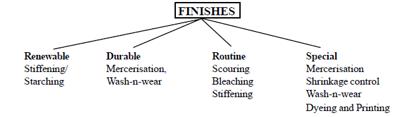
We come across the problem of fabric losing its stiffness after washing or the fabric crushing badly after wearing. What do you do in such a case? You starch the fabric and iron it after every wash. This is called a renewable finish. That means these finishes last only till washing or drycleaning but some finishes stay on the fabric for its entire life, eg., resistance to crease or the wash ‘n’ wear finish. These are not affected by washing, dry cleaning or ironing. These finishes are called durable finishes and they cannot be applied at home. Some of the finishes which are durable could also be special or routine.
Research on Textile Finishing
Many textile manufacturing operations such as dyeing, printing, and finishing of fabrics use wet processing techniques. These techniques involve using an aqueous solution or bath to apply chemicals to a textile substrate, fixing the chemicals to the fiber, scouring or washing to remove loose chemicals, and drying to produce a finished product.
Heating and later evaporating water make these wet processes very energy intensive. Industry experts estimate that wet processes use approximately 60% of the energy consumed in the textile industry.
In addition, shrinking water supplies in many parts of the world have prompted textile manufacturers to develop methods that reduce water and energy consumption.