Waterless dyeing technologies are reshaping the textile industry by eliminating water use and reducing chemical pollution, aligning with zero-waste and circular economy principles. This article explores the mechanisms, applications, and benefits of these technologies, their synergy with sustainable materials like bamboo textiles, and their role in addressing the industry’s 20% share of global industrial wastewater. Supported by case studies of innovators like DyeCoo and AirDye, it covers challenges, future trends, and connections to durability testing like salt spray tests, highlighting their transformative potential in sustainable fashion.
Introduction to Waterless Dyeing Technologies
Waterless dyeing technologies are pioneering sustainable solutions in the textile industry, addressing the environmental toll of traditional dyeing, which consumes 5 trillion liters of water annually and contributes 20% to global industrial wastewater. By using methods like supercritical CO2 dyeing and air-based systems, these technologies eliminate water use, reduce chemical runoff, and lower energy consumption. With the textile sector generating 92 million tons of waste yearly and 10% of global carbon emissions, waterless dyeing supports zero-waste textile design and circular economy goals, meeting consumer demand for ethical fashion. This article examines the processes, applications, benefits, and challenges of waterless dyeing, its integration with materials like bamboo textiles, and its monetizable impact on sustainable manufacturing.
Understanding Waterless Dyeing Technologies
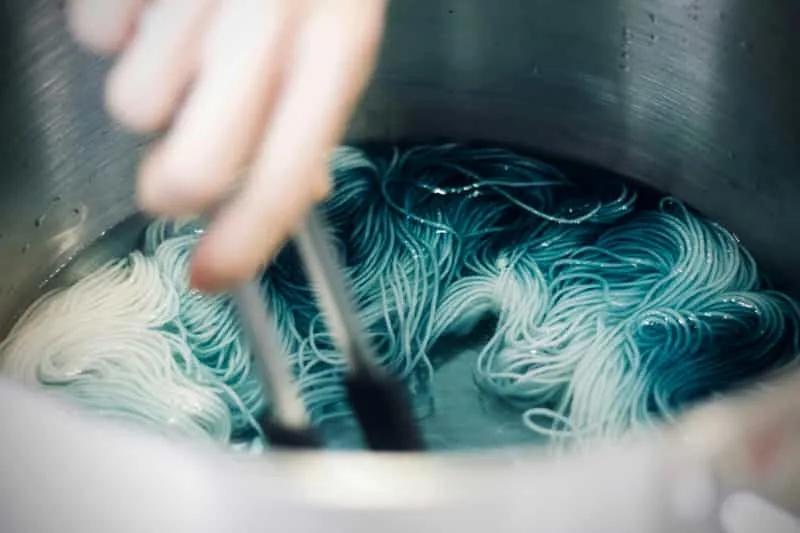
Waterless dyeing replaces traditional water-based methods with innovative processes that use minimal or no water, such as supercritical CO2, air dyeing, or dry plasma techniques. These methods infuse dyes into fibers without liquid solvents, reducing wastewater and chemical use by up to 95%. Technologies like AI and IoT optimize dyeing efficiency, while certifications like GOTS and OEKO-TEX® ensure sustainability. By integrating with eco-friendly fibers like bamboo, which requires 30% less water than cotton, waterless dyeing enhances sustainability, making it a critical tool for reducing the textile industry’s environmental footprint.
The Need for Waterless Dyeing Technologies
Traditional textile dyeing is resource-intensive, using 100–150 liters of water per kilogram of fabric and releasing toxic effluents that pollute rivers. The industry’s 15% fabric waste during cutting and 10% of global emissions necessitate greener alternatives. Consumers, with 60% preferring sustainable brands, and regulations like the EU’s Circular Economy Action Plan demand low-impact processes. Waterless dyeing addresses these challenges by eliminating water use, reducing pollution, and supporting zero-waste goals, making it a strategic solution for brands aiming for sustainability and market competitiveness.
Key Waterless Dyeing Technologies
Supercritical CO2 Dyeing
Supercritical CO2 dyeing uses carbon dioxide in a supercritical state (liquid-gas hybrid) to penetrate fibers, infusing dyes without water. DyeCoo’s technology, for instance, recycles 95% of CO2, reducing water use by 100% and chemical use by 40%. It produces vibrant, durable colors, ideal for bamboo and polyester textiles.
Air Dyeing
AirDye, developed by Colorep, uses sublimation to transfer dyes via air, eliminating water and reducing energy use by 85%. This method is effective for synthetic fibers like recycled polyester (rPET) and supports on-demand printing, aligning with zero-waste principles.
Plasma Dyeing
Plasma dyeing employs ionized gas to bond dyes to fabrics, requiring no water or harsh chemicals. Europlasma’s low-pressure plasma systems enhance dye adhesion on natural fibers like bamboo, reducing environmental impact and improving fabric durability.
Digital Printing with Dry Dyes
Digital printing, as used by Kornit Digital, applies dry dyes directly to fabrics, cutting water and dye waste by 50%. It’s ideal for bamboo textiles, enabling precise, eco-friendly designs with minimal overproduction.
Foam Dyeing
Foam dyeing, like Archroma’s Smartrepel, uses minimal water in foam form to apply dyes, reducing water use by 70% compared to traditional methods. It’s versatile for cotton, bamboo, and blends, supporting sustainable finishing.
Applications of Waterless Dyeing Technologies
Fashion and Apparel
Waterless dyeing creates vibrant, sustainable clothing, as seen in Adidas’s use of DyeCoo’s CO2 dyeing for sportswear, reducing water and chemical use while maintaining quality.
Home Textiles
Bamboo-based bedding and towels, like those by Cariloha, benefit from digital printing and CO2 dyeing, offering eco-friendly, durable products with minimal environmental impact.
Technical Textiles
Waterless dyeing enhances technical textiles for automotive or outdoor use, with coatings tested via salt spray tests for durability, ensuring performance in harsh conditions.
Accessories and Packaging
Sustainable accessories, like Stella McCartney’s bamboo and rPET bags, use air dyeing for vibrant patterns, reducing waste and supporting circularity.
Case Studies: Waterless Dyeing in Action
DyeCoo’s Supercritical CO2 Dyeing
DyeCoo’s waterless CO2 dyeing, adopted by Adidas and IKEA, eliminates water use and reduces chemical runoff by 40%. Used for bamboo and polyester textiles, it supports circular economy goals with GRS certification.
AirDye’s Sublimation Technology
AirDye’s technology, used by Costco for eco-friendly apparel, cuts energy use by 85% and eliminates wastewater. Its application on rPET aligns with zero-waste principles, certified by RCS.
Kornit Digital’s Printing Solutions
Kornit’s digital printing, adopted by H&M, reduces water and dye waste by 50% for bamboo and cotton textiles. It supports on-demand production, minimizing overstock and waste.
Archroma’s Foam Dyeing
Archroma’s Smartrepel foam dyeing, used by Patagonia, cuts water use by 70% for bamboo and cotton blends, enhancing sustainability with OEKO-TEX® certification.
Benefits of Waterless Dyeing Technologies
Environmental Sustainability
Waterless dyeing eliminates the 5 trillion liters of water used annually in dyeing, reduces chemical runoff by up to 95%, and lowers emissions, supporting the industry’s 10% carbon footprint reduction goals.
Economic Advantages
By reducing water and energy costs, waterless dyeing saves up to 50% in production expenses. The sustainable textiles market, projected to reach $28.9 billion by 2029, benefits from premium pricing for eco-friendly products.
Social and Ethical Benefits
Reduced chemical use improves worker safety, impacting the industry’s 300 million workers. Transparent processes, validated by certifications, build trust in ethical production.
Consumer Appeal
Eco-friendly textiles, like bamboo dyed with waterless methods, attract 60% of consumers who prefer sustainable brands, boosting loyalty and market share.
Challenges of Waterless Dyeing Technologies
High Initial Costs
Implementing waterless dyeing requires significant investment in equipment, like CO2 dyeing machines, costing 20–30% more than traditional systems. Long-term savings offset these expenses.
Limited Fiber Compatibility
Some methods, like air dyeing, work best with synthetics, limiting use with natural fibers like bamboo. Innovations in plasma dyeing are addressing this gap.
Scalability Constraints
Waterless dyeing is less scalable for mass production due to infrastructure limitations. Collaborative initiatives, like Textile Exchange’s programs, are expanding access.
Consumer Awareness
Lack of awareness about waterless dyeing’s benefits slows adoption. Education campaigns, as seen with H&M, are critical to drive demand.
Future Trends in Waterless Dyeing Technologies
Advanced Chemical Recycling
Chemical recycling, integrated with waterless dyeing, enables infinite fiber recycling, as seen in Worn Again’s processes, enhancing circularity for bamboo textiles.
AI and IoT Integration
AI optimizes dye application, while IoT monitors energy use, as in DyeCoo’s systems, improving efficiency and reducing costs for CSRD compliance.
Blockchain for Traceability
Blockchain ensures transparency, with platforms like TextileGenesis verifying waterless dyeing processes for bamboo textiles, enhancing consumer trust.
Digital Product Passports (DPPs)
DPPs, mandated by the EU’s Ecodesign Regulation by mid-2025, provide lifecycle data for waterless-dyed textiles, supporting circularity and transparency.
Synergy with Bamboo Textiles
Bamboo textiles, requiring 30% less water and no pesticides, complement waterless dyeing by reducing overall resource use. Their biodegradability supports zero-waste goals, while waterless methods like CO2 dyeing, as used by Boody, enhance sustainability, reducing the 92 million tons of annual textile waste. Blockchain traceability verifies bamboo’s eco-friendly credentials, aligning with circular economy principles.
Connection to Salt Spray Testing
Bamboo textiles dyed with waterless methods for technical applications, like outdoor gear, undergo salt spray tests to ensure coating durability in harsh environments. These tests, reported in sustainability metrics, demonstrate longevity, reducing replacement frequency and supporting zero-waste goals.
Best Practices for Implementing Waterless Dyeing
- Adopt Proven Technologies: Invest in CO2 dyeing or digital printing, like DyeCoo or Kornit, for eco-friendly results.
- Use Sustainable Fibers: Pair waterless dyeing with bamboo or rPET to maximize sustainability.
- Leverage Technology: Integrate AI, IoT, and blockchain for efficiency and traceability.
- Obtain Certifications: Secure GOTS or OEKO-TEX® certifications to validate eco-friendly claims.
- Educate Consumers: Promote waterless dyeing’s benefits through marketing and DPPs to drive demand.
Conclusion
Waterless dyeing technologies are revolutionizing sustainable fashion by eliminating water use, reducing chemical pollution, and supporting zero-waste and circular economy goals. By integrating with eco-friendly materials like bamboo textiles, these technologies address the textile industry’s environmental challenges, including 20% of global wastewater and 92 million tons of waste. Case studies from DyeCoo, AirDye, and Kornit highlight their impact, while innovations in AI, blockchain, and DPPs promise scalability. Despite challenges like costs and fiber compatibility, waterless dyeing offers economic, environmental, and social benefits, positioning it as a profitable, ethical solution for the future of fashion.
Citations
- DyeCoo. “Supercritical CO2 Dyeing Technology.” DyeCoo, 2023, www.dyecoo.com.
- AirDye. “Waterless Sublimation Dyeing.” AirDye, 2023, www.airdye.com.
- Kornit Digital. “Sustainable Digital Printing.” Kornit Digital, 2024, www.kornit.com.
- Archroma. “Smartrepel Foam Dyeing.” Archroma, 2023, www.archroma.com.
- Textile Exchange. “Sustainable Textiles Market Report 2024.” Textile Exchange, 2024, textileexchange.org.
- TextileGenesis. “Blockchain for Textile Traceability.” TextileGenesis, 2024, textilegenesis.com.
- Worn Again. “Chemical Recycling for Textiles.” Worn Again, 2023, wornagain.co.uk.
- Boody. “Bamboo Textiles and Waterless Dyeing.” Boody, 2024, www.boodywear.com.
- H&M Group. “Sustainability Report 2023.” H&M, 2023, hmgroup.com.
- Patagonia. “Eco-Friendly Dyeing Practices.” Patagonia, 2024, www.patagonia.com.
- European Commission. “Circular Economy Action Plan.” European Commission, 2022, environment.ec.europa.eu.
- United Nations Environment Programme. “Textile Dyeing and Sustainability.” UNEP, 2025, www.unep.org.
- Fibre2Fashion. “Waterless Dyeing for Sustainable Fashion.” Fibre2Fashion, 2023, www.fibre2fashion.com.
- Redress Design Award. “Waterless Dyeing in Zero-Waste Fashion.” Redress, 2024, www.redressdesignaward.com.
- The Interline. “Waterless Dyeing Technologies.” The Interline, 2023, www.theinterline.com.
- Circle Economy Foundation. “Waterless Dyeing for Circular Textiles.” Knowledge Hub, 2023, knowledge-hub.circle-economy.com.
- Stella McCartney. “Sustainable Accessories with Waterless Dyeing.” Stella McCartney, 2024, www.stellamccartney.com.
- Global Organic Textile Standard. “GOTS Certification for Textiles.” GOTS, 2023, www.global-standard.org.
- OEKO-TEX®. “OEKO-TEX® Certification for Textiles.” OEKO-TEX®, 2023, www.oeko-tex.com.
- New Look. “Digital Product Passports for Sustainable Textiles.” Ledger Insights, 2024, www.ledgerinsights.com.