Recycled polyester plays a pivotal role in the textile industry’s drive towards sustainability. As consumers and manufacturers increasingly focus on reducing environmental impact, recycled polyester offers a viable alternative to virgin synthetic fibers. This article explores the fundamentals of recycled polyester, comparing chemical recycling versus mechanical recycling, and discusses key certifications such as the Global Recycled Standard (GRS). In doing so, it provides textile professionals, students, and enthusiasts with actionable insights into processing, quality, market trends, and the environmental benefits of recycled polyester.
Recycling polyester reduces reliance on petrochemicals, lowers energy consumption, and helps divert plastic waste from landfills and oceans. With evolving technologies, the processes used to recycle polyester have become more efficient and eco-friendly. This guide examines the intricate details of recycling techniques, their impact on fiber quality, and the innovations that continue to shape the circular economy in textiles.
Introduction to Recycled Polyester
Recycled polyester originates from post-consumer and post-industrial waste, transforming discarded plastic—often in the form of PET bottles or offcuts from garment production—into high-quality fibers. Manufacturers now employ sophisticated processes to ensure that recycled polyester meets the rigorous standards of textile applications. By reprocessing waste into valuable fibers, the textile industry can reduce its carbon footprint and promote a circular economy.
The shift toward recycled polyester reflects broader trends in sustainability and eco-conscious manufacturing. TextileSchool.com stands at the forefront of this transformation, offering insights and education to help industry professionals adopt and implement best practices in recycled fiber production.

The Importance of Recycling Polyester
Polyester is the most widely used synthetic fiber in the world. However, its production relies heavily on non-renewable petrochemicals, and its disposal poses significant environmental challenges. Recycling polyester reduces energy consumption by up to 50% compared to virgin production and mitigates the environmental impact of plastic waste. In addition, recycled polyester performs comparably to virgin polyester in terms of durability, color retention, and versatility, making it a preferred choice for sustainable fashion, home textiles, and technical applications.
The growing consumer demand for eco-friendly products and increasing regulatory pressure drive the adoption of recycled polyester. Brands that integrate recycled materials into their product lines can differentiate themselves in a competitive market while contributing to environmental conservation.
Recycling Methods: Chemical vs. Mechanical Recycling
Recycling polyester involves two primary methods: chemical recycling and mechanical recycling. Each method offers distinct advantages and challenges that affect fiber quality, environmental impact, and economic feasibility.
Chemical Recycling
Chemical recycling breaks down polyester into its monomers or oligomers, which can then be repolymerized to create fibers with properties similar to virgin polyester. This process involves the use of solvents, catalysts, and controlled reaction conditions to depolymerize the waste polyester.
Process Overview
- Depolymerization:
The process starts with the chemical breakdown of PET into its basic building blocks. Techniques such as glycolysis, methanolysis, or hydrolysis are employed to achieve depolymerization. In glycolysis, for example, PET reacts with ethylene glycol to form bis(2-hydroxyethyl) terephthalate (BHET). - Purification:
The resulting monomers are purified to remove impurities. This step is critical to ensure that the repolymerized polyester meets high-quality standards. - Polymerization:
The purified monomers are then repolymerized through processes like melt polycondensation, forming recycled polyester resin. This resin can be extruded into filaments or spun into yarn. - Fiber Formation:
Finally, the recycled resin is processed into fibers using standard spinning techniques. The resulting fibers often have properties nearly identical to those of virgin polyester.
Chemical recycling offers significant benefits in terms of quality, as it can restore the polymer chains to their original state. This method allows for the production of high-performance fibers with excellent mechanical properties and consistent color.

Advantages and Challenges
Advantages:
- High Quality: Produces fibers with properties similar to virgin polyester.
- Purity: The purification step ensures that contaminants are removed, resulting in a clean polymer chain.
- Flexibility: Can process mixed or contaminated PET waste effectively.
Challenges:
- Energy Intensive: Requires significant energy input for chemical reactions and purification.
- Complexity: The process involves multiple steps that demand precise control.
- Cost: Higher operational costs can be a barrier, especially for small-scale operations.
Mechanical Recycling
Mechanical recycling involves the physical reprocessing of polyester waste without breaking down the polymer chains. In this method, PET is collected, cleaned, and mechanically shredded into small flakes, which are then melted and extruded into fibers.
Process Overview
- Collection and Sorting:
The first step in mechanical recycling is collecting PET waste, such as plastic bottles or textile offcuts, and sorting them to ensure consistent quality. - Cleaning:
The sorted PET is thoroughly cleaned to remove contaminants such as labels, adhesives, and residues. Effective cleaning is critical for producing high-quality recycled fibers. - Shredding:
The clean PET is shredded into flakes or chips. The size of the flakes can affect the melting behavior and fiber properties in later stages. - Extrusion:
The shredded material is melted and extruded through spinnerets to form fibers. The process typically involves a single melting cycle, which is less energy-intensive compared to chemical recycling. - Spinning:
The extruded fibers are spun into yarn using standard techniques, resulting in recycled polyester yarn.
Mechanical recycling is generally more cost-effective and energy-efficient than chemical recycling. However, the process can degrade the polymer chains, leading to a reduction in fiber quality. This degradation manifests as lower tensile strength, color inconsistencies, and reduced durability in the final product.

Advantages and Challenges
Advantages:
- Cost-Effective: Lower energy consumption and simpler processing steps reduce operational costs.
- Scalability: Well-suited for large-scale recycling of post-consumer waste.
- Environmental Benefits: Reduces landfill waste and resource consumption.
Challenges:
- Quality Degradation: Mechanical processes can shorten polymer chains, resulting in inferior mechanical properties.
- Contamination Risk: Incomplete cleaning can introduce impurities that affect fiber performance.
- Limited Application: May not be suitable for applications requiring high-performance fibers.
Certifications and Standards
To ensure that recycled polyester meets industry standards and environmental criteria, manufacturers pursue certifications such as the Global Recycled Standard (GRS). The GRS verifies that a product contains a certain percentage of recycled content and that the production processes meet strict environmental, social, and chemical management standards.
The GRS certification provides transparency and builds consumer trust, demonstrating a commitment to sustainable practices. Textile manufacturers that achieve GRS certification can leverage this credential to differentiate their products in the market and meet the growing demand for eco-friendly textiles.
Environmental Impact and Sustainability
Sustainability drives the adoption of recycled polyester. Both chemical and mechanical recycling methods offer pathways to reduce the environmental footprint of polyester production, but they differ in terms of energy usage, waste management, and overall ecological impact.
Chemical Recycling and Sustainability
Chemical recycling offers the potential for producing high-quality fibers with minimal degradation, ensuring that the performance of recycled polyester closely matches that of virgin polyester. However, the energy-intensive nature of chemical recycling and the use of chemicals can raise environmental concerns. Manufacturers must optimize reaction conditions and solvent recovery systems to minimize waste and energy consumption. When implemented effectively, chemical recycling can significantly reduce the reliance on fossil fuels and lower greenhouse gas emissions.
Mechanical Recycling and Environmental Benefits
Mechanical recycling is generally less energy-intensive than chemical recycling. It provides a practical solution for diverting post-consumer polyester waste from landfills. However, the quality of mechanically recycled polyester may not always meet the requirements for high-performance applications. Innovations in processing technology and blending techniques aim to overcome these limitations, improving the mechanical properties of recycled fibers while maintaining cost efficiency and reducing environmental impact.
Policy Frameworks and Industry Initiatives
Government policies and industry initiatives play a crucial role in promoting the recycling of polyester. Regulatory frameworks that encourage sustainable practices, coupled with financial incentives, help drive investments in advanced recycling technologies. Industry groups and organizations such as TextileExchange work to establish standards and best practices for recycled polyester, ensuring that recycled products meet rigorous quality and sustainability criteria.
Applications of Recycled Polyester
Recycled polyester finds diverse applications across various segments of the textile industry. Its use extends beyond apparel to include home textiles, technical textiles, and industrial applications.
Apparel and Fashion
Recycled polyester is widely used in the production of sportswear, activewear, and casual clothing. Its inherent durability, moisture-wicking properties, and resistance to wrinkles make it an excellent choice for garments that require both performance and comfort. Fashion brands increasingly incorporate recycled polyester into their collections to appeal to eco-conscious consumers while maintaining high standards of quality.
Home Textiles
In home textiles, recycled polyester is valued for its durability, ease of care, and color retention. It is commonly used in items such as bed linens, curtains, upholstery, and carpets. The consistent quality of recycled polyester ensures that home textiles remain vibrant and resilient, even with frequent use and laundering.
Technical and Industrial Applications
Technical textiles often require materials that combine strength, durability, and chemical resistance. Recycled polyester serves well in applications such as automotive interiors, geotextiles, filtration media, and industrial fabrics. Its performance characteristics can be enhanced through blending with other fibers or by applying advanced finishing techniques, making it suitable for a range of demanding applications.
Quality Control in Recycled Polyester Production
Maintaining quality in recycled polyester production is critical to ensure that the final product meets industry standards. Manufacturers employ rigorous quality control measures throughout the recycling process—from raw material sorting and cleaning to processing and spinning.
Testing for Chemical Composition
Analytical techniques such as Fourier Transform Infrared Spectroscopy (FTIR) and Gas Chromatography-Mass Spectrometry (GC-MS) help determine the chemical composition of recycled polyester. These methods ensure that the recycled material meets the necessary purity standards and is free from contaminants that could affect fiber performance.
Mechanical Testing
Mechanical tests such as tensile strength, elongation, and abrasion resistance are performed to assess the physical properties of recycled polyester yarns. Instruments like tensile testers and Uster evenness testers provide quantitative data that help manufacturers optimize processing parameters and ensure consistent quality.
Color and Dyeing Performance
The dyeing performance of recycled polyester is critical, particularly for applications where color uniformity and fastness are essential. Spectrophotometers and digital imaging systems are used to measure color consistency and assess the quality of dye uptake. These quality control measures help ensure that recycled polyester fabrics meet both aesthetic and functional requirements.
For more on quality control methods, visit the ASTM International website.
Economic Considerations and Market Trends
Cost Efficiency of Recycling Processes
The economic viability of recycled polyester depends on several factors, including the cost of raw material collection, processing efficiency, and market demand. Mechanical recycling is generally more cost-effective due to lower energy requirements, whereas chemical recycling, though potentially offering higher quality fibers, requires a higher initial investment. Advances in technology are gradually reducing the costs associated with both methods, making recycled polyester increasingly competitive with virgin polyester.
Market Demand and Consumer Trends
Consumer demand for sustainable textiles continues to grow, driving market trends toward recycled materials. Fashion brands and home textile manufacturers are increasingly incorporating recycled polyester to meet the expectations of eco-conscious consumers. As recycled polyester gains market acceptance, manufacturers can command premium prices while contributing to environmental sustainability.
Certifications and Standards
Certifications like the Global Recycled Standard (GRS) validate the recycled content and environmental performance of polyester products. Achieving GRS certification not only enhances brand credibility but also ensures compliance with international sustainability standards. Manufacturers that adopt recycled polyester and secure relevant certifications are better positioned to compete in a market that values transparency and eco-friendliness.
Innovations in Recycling Technology
Chemical Recycling Innovations
Chemical recycling continues to advance, with research focusing on improving the efficiency and environmental impact of the process. Innovations in catalyst development, solvent recovery, and process optimization are reducing energy consumption and minimizing waste. These advancements enable chemical recycling to produce high-quality recycled polyester that closely mimics virgin polymer properties.
Mechanical Recycling Advancements
Mechanical recycling methods are becoming more sophisticated through the use of advanced sorting technologies, improved cleaning processes, and precision cutting equipment. These innovations help maintain fiber integrity and enhance the performance of recycled polyester. Research into blending recycled fibers with virgin materials also shows promise in improving mechanical properties and expanding the application range of recycled polyester.
Digital Integration and Process Monitoring
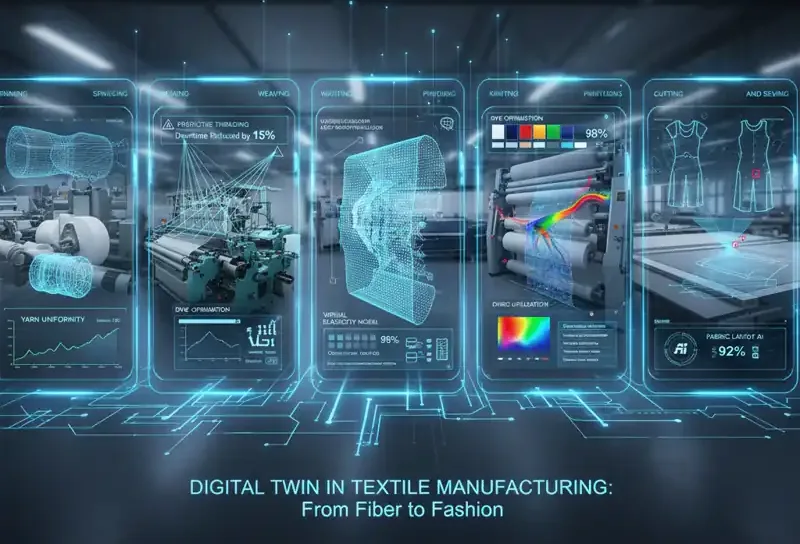
Digital technologies, such as IoT and AI-driven process control, are transforming recycled polyester production. Advanced sensors monitor processing parameters in real time, ensuring consistent quality and optimizing production efficiency. Digital twins and predictive analytics enable manufacturers to simulate recycling processes and make data-driven decisions, reducing downtime and waste.
Environmental and Sustainability Impact
The environmental benefits of recycled polyester are profound. By diverting plastic waste from landfills and reducing the demand for new petrochemical resources, recycled polyester significantly lowers the textile industry’s carbon footprint. Both mechanical and chemical recycling methods contribute to resource conservation, though each has distinct environmental trade-offs.
Water and Energy Savings
Recycling polyester typically consumes less water and energy compared to the production of virgin polyester. Mechanical recycling, in particular, offers substantial savings due to its simpler processing steps. These savings contribute to lower greenhouse gas emissions and reduced environmental impact.
Reduction in Plastic Waste
One of the most compelling arguments for recycled polyester is its ability to mitigate the global plastic waste crisis. By transforming post-consumer and post-industrial waste into valuable textile fibers, the textile industry can reduce the amount of plastic that ends up in oceans and landfills. This not only improves environmental quality but also enhances the sustainability credentials of textile brands.
Certifications and Consumer Trust
Certifications such as the Global Recycled Standard (GRS) play a vital role in verifying the recycled content and environmental performance of polyester products. Achieving GRS certification helps manufacturers demonstrate their commitment to sustainability and build trust with eco-conscious consumers. These certifications are increasingly important in a market where transparency and environmental responsibility are key purchase drivers.
Policy Frameworks and Industry Initiatives
Government policies and industry initiatives continue to drive the adoption of recycled polyester. Regulatory frameworks aimed at reducing environmental pollution and promoting sustainable practices have spurred investments in recycling technologies. Industry organizations and alliances work to establish best practices and standardize recycling processes, ensuring that recycled polyester meets rigorous quality and sustainability standards.
The circular economy model has gained traction in the textile industry, encouraging manufacturers to adopt closed-loop recycling systems that minimize waste and maximize resource efficiency. Initiatives promoting the use of recycled materials have not only reduced environmental impact but also opened up new markets and revenue streams for textile producers.
Applications of Recycled Polyester
Recycled polyester is versatile and finds applications across various sectors, including apparel, home textiles, and technical textiles.
Apparel and Fashion
Fashion brands are increasingly incorporating recycled polyester into their collections. Its durability, moisture-wicking properties, and resistance to wrinkles make it an excellent choice for sportswear, activewear, and casual clothing. Additionally, the eco-friendly aspect of recycled polyester appeals to consumers who prioritize sustainability. Designers can blend recycled polyester with other fibers to create fabrics that offer both performance and a soft hand feel.
Home Textiles
Home textile applications for recycled polyester include bed linens, curtains, upholstery, and carpets. The consistent quality and durability of recycled polyester ensure that home textiles retain their vibrant colors and structural integrity even after repeated use and laundering. The material’s resistance to shrinkage and its ease of care make it particularly attractive for high-use items in the home.
Technical and Industrial Textiles
Recycled polyester also plays a crucial role in technical textiles. In industrial applications, its high tensile strength and chemical resistance are valued for products such as geotextiles, automotive interiors, and filtration media. These applications benefit from the controlled processing of recycled polyester, which ensures reliable performance in demanding conditions.

Economic Considerations
Cost Efficiency
The use of recycled polyester can offer substantial cost savings. Although the initial investment in advanced recycling technologies might be high, the overall reduction in raw material costs, water, and energy consumption results in lower operational expenses. Manufacturers benefit from improved production yields and reduced waste, which translate into increased profitability. Moreover, recycled polyester often appeals to a premium market segment willing to pay more for sustainable products.
Market Demand and Trends
Consumer demand for eco-friendly textiles is on the rise. As awareness of environmental issues grows, brands that incorporate recycled polyester into their products gain a competitive edge. Market trends indicate that recycled polyester is becoming a preferred choice in both high-end fashion and mass-market apparel, reflecting its versatility and sustainable credentials. Manufacturers can leverage this trend by investing in high-quality recycling processes and obtaining certifications like GRS to bolster market credibility.
Certifications and Standards
Certifications such as the Global Recycled Standard (GRS) are crucial for verifying the recycled content and environmental performance of polyester products. These certifications provide transparency and assurance to consumers and retailers that the materials meet stringent sustainability criteria. Achieving GRS certification can enhance a brand’s reputation and open up new market opportunities in eco-conscious segments.
Innovations in Recycling Technologies
Chemical Recycling
Chemical recycling breaks down waste polyester into its constituent monomers, which are then repolymerized to produce high-quality recycled polyester. This process, though energy-intensive, produces fibers that closely resemble virgin polyester in terms of performance and consistency. Chemical recycling is particularly advantageous for processing mixed or contaminated polyester waste. Advanced catalytic processes and solvent recovery systems are continually improving the efficiency and environmental impact of chemical recycling.
Mechanical Recycling
Mechanical recycling involves physically breaking down waste polyester through shredding, melting, and extruding. This method is generally less energy-intensive and more cost-effective than chemical recycling. However, mechanical recycling may degrade the polymer chains, which can compromise fiber strength and quality. Recent innovations in mechanical recycling focus on minimizing degradation and enhancing the performance of recycled fibers through improved sorting and cleaning techniques.
Integration of Digital Technologies
Digital integration is transforming recycling processes. IoT devices and AI-driven analytics allow real-time monitoring of recycling operations, ensuring consistent quality and optimizing resource use. Digital twins of recycling systems simulate process adjustments and predict outcomes, enabling manufacturers to fine-tune their operations for maximum efficiency. These technologies not only improve the quality of recycled polyester but also reduce waste and energy consumption, supporting a more sustainable textile production cycle.
Environmental Impact and Sustainability
Recycled polyester offers significant environmental benefits compared to virgin polyester. The reduction in energy consumption, water usage, and greenhouse gas emissions during production contributes to a lower environmental footprint. Moreover, recycling polyester helps address the global plastic waste crisis by repurposing post-consumer waste into valuable textile fibers.
Sustainable practices in recycled polyester production include the use of closed-loop systems, which recover and reuse solvents and energy. Both chemical and mechanical recycling methods aim to minimize waste and reduce environmental harm. The adoption of certifications like GRS further reinforces a manufacturer’s commitment to sustainable practices, providing consumers with assurance of the product’s eco-friendly credentials.
Case Studies and Industry Examples
Case Study: High-Quality Recycled Polyester in Apparel
A leading apparel brand integrated recycled polyester into its sportswear line, using a blend of mechanically recycled fibers and chemical recycling to achieve optimal performance. The brand reported improved moisture-wicking properties, enhanced durability, and consistent color retention, which allowed it to market its products as both high-performance and environmentally sustainable. Advanced digital monitoring ensured the recycled fibers met stringent quality standards, contributing to the overall success of the line.
Case Study: Home Textiles and Recycled Polyester
A home textiles manufacturer transitioned to recycled polyester for its bed linens and upholstery fabrics. By optimizing the mechanical recycling process and achieving GRS certification, the manufacturer produced fabrics with a luxurious feel and high durability. The eco-friendly credentials of recycled polyester not only reduced production costs but also attracted a growing market segment of eco-conscious consumers.
Case Study: Industrial Applications of Recycled Polyester
In the industrial sector, a textile producer used recycled polyester in geotextiles and filtration media. The recycled fibers exhibited excellent tensile strength and chemical resistance, proving suitable for harsh environments. The integration of recycled polyester in these applications not only enhanced product performance but also contributed to significant cost savings and reduced environmental impact.
Policy Frameworks and Market Initiatives
Government policies and industry initiatives play a vital role in promoting the use of recycled polyester. Regulations aimed at reducing environmental pollution, coupled with incentives for sustainable practices, encourage manufacturers to invest in advanced recycling technologies. Industry standards, such as those set by the Global Recycled Standard (GRS), ensure that recycled polyester meets rigorous quality and sustainability criteria.
These frameworks help create a level playing field and promote consumer trust in recycled products. As textile companies increasingly adopt recycled polyester, they contribute to a more sustainable, circular economy while meeting the demands of eco-conscious consumers.
Future Trends and Innovations
The future of recycled polyester is bright, driven by continuous technological advancements and a growing emphasis on sustainability. Emerging trends include:
- Enhanced Chemical Recycling: Ongoing research aims to improve catalyst efficiency and solvent recovery in chemical recycling, reducing energy usage and environmental impact.
- Advanced Mechanical Recycling: Innovations in sorting, cleaning, and processing techniques are expected to yield recycled fibers with properties that approach those of virgin polyester.
- Digital Transformation: IoT, AI, and digital twin technology will further optimize recycling processes, ensuring consistent fiber quality and reducing production waste.
- Eco-Friendly Certifications: The demand for certifications like GRS will continue to grow, as consumers seek transparency and sustainability in textile products.
- Hybrid Fiber Blends: Manufacturers may develop new blends that combine recycled polyester with other fibers to achieve improved performance characteristics, broadening the application range of recycled materials.
The integration of these innovations will drive market growth, reduce the environmental footprint of polyester production, and position recycled polyester as a key material in sustainable fashion and technical textiles.
Quality Control and Testing
Ensuring the quality of recycled polyester is critical to its market acceptance. Manufacturers employ a range of advanced quality control methods to monitor the properties of recycled fibers throughout the production process.
Chemical and Mechanical Testing
Techniques such as FTIR and GC-MS are used to analyze the chemical composition of recycled polyester, ensuring that contaminants are removed and that the polymer structure is intact. Mechanical testing, including tensile strength and elongation tests, assesses the performance of recycled fibers compared to virgin fibers. These tests help identify any degradation that may occur during the recycling process and ensure that the final product meets industry standards.
Digital Quality Monitoring
Modern recycling facilities integrate digital quality monitoring systems that use real-time data to track processing parameters. Digital imaging and spectrophotometry provide detailed feedback on fiber consistency, color, and overall quality. These systems enable manufacturers to make immediate adjustments, ensuring that recycled polyester retains the desired properties for high-quality textile production.
Economic Implications
Cost Efficiency
Recycled polyester offers considerable economic benefits by reducing raw material costs and lowering energy consumption compared to virgin polyester production. Although the initial investment in advanced recycling technologies can be significant, the long-term savings from reduced resource usage and waste management make recycled polyester an attractive option. Manufacturers who optimize their recycling processes can achieve higher production yields, improved quality, and enhanced profitability.
Market Demand
The market demand for sustainable textiles continues to grow, driven by consumer awareness and regulatory pressures. Brands that incorporate recycled polyester into their product lines can differentiate themselves by offering eco-friendly, high-performance textiles. This trend is particularly strong in the apparel and home textiles sectors, where consumers increasingly favor sustainable options. The economic advantages of recycled polyester also extend to industrial applications, where its durability and cost-effectiveness meet the stringent requirements of technical textiles.
Innovations in Recycled Polyester
Advanced Recycling Technologies
Innovations in recycling technology are critical for improving the quality and efficiency of recycled polyester production. Chemical recycling techniques have evolved to yield fibers with properties comparable to those of virgin polyester. Improvements in catalyst design, solvent recovery, and reaction optimization reduce energy consumption and environmental impact. Similarly, mechanical recycling methods have advanced with better sorting, cleaning, and extruding technologies that preserve fiber integrity.
Digital Integration
The incorporation of digital technologies into recycling processes is revolutionizing the industry. IoT sensors and AI-driven analytics enable real-time monitoring and control of recycling operations, ensuring consistent quality. Digital twin technology allows manufacturers to simulate recycling processes and optimize production parameters before implementation. These innovations not only enhance fiber quality but also drive cost efficiency and sustainability.
Sustainable Certifications
Certifications such as the Global Recycled Standard (GRS) are becoming increasingly important as they validate the recycled content and sustainability of polyester products. These certifications offer assurance to consumers and retailers that the recycled polyester meets stringent environmental and quality standards. Manufacturers that achieve GRS certification can leverage this credential to strengthen their market position and appeal to eco-conscious buyers.
Case Studies and Industry Examples
Case Study: Chemical Recycling Breakthrough
A leading textile company invested in chemical recycling technology to process post-consumer PET bottles into high-quality recycled polyester. The company optimized the glycolysis process to achieve a high recovery rate of monomers, which were then repolymerized into fibers with excellent mechanical properties. The resulting recycled polyester was used in premium apparel, demonstrating that chemical recycling can produce fibers nearly identical to virgin polyester. This breakthrough not only improved product quality but also significantly reduced the company’s environmental footprint.
Case Study: Mechanical Recycling Efficiency
An industrial textile manufacturer implemented advanced mechanical recycling techniques to convert production offcuts into usable polyester fibers. By employing state-of-the-art sorting and cleaning equipment, the manufacturer maintained fiber quality and minimized degradation. The recycled fibers were blended with virgin polyester to create fabrics that met both performance and sustainability standards. This approach enhanced production efficiency and lowered costs, illustrating the economic benefits of mechanical recycling.
Case Study: Market Adoption of Recycled Polyester
A popular apparel brand integrated recycled polyester into its activewear line, responding to increasing consumer demand for sustainable products. The brand partnered with a certified recycling facility that produced recycled polyester with consistent quality. Advanced digital quality control ensured that the fibers met high performance standards for moisture management and durability. The successful adoption of recycled polyester not only boosted the brand’s eco-friendly credentials but also opened new market opportunities in sustainable fashion.
Challenges and Future Prospects
Technical Challenges
Recycling polyester presents several technical challenges, including the degradation of polymer chains during mechanical recycling and the high energy requirements of chemical recycling. Researchers are actively developing methods to minimize degradation and improve the efficiency of recycling processes. Innovations such as hybrid recycling methods, which combine elements of chemical and mechanical recycling, offer promising solutions to these challenges.
Economic Considerations
The economic viability of recycled polyester depends on factors such as raw material collection, processing efficiency, and market demand. While the initial investment in advanced recycling technologies may be high, the long-term benefits in cost savings and reduced environmental impact make recycled polyester an attractive option. Manufacturers must balance these costs with the growing consumer preference for sustainable textiles.
Regulatory and Certification Frameworks
Establishing and adhering to industry standards and certifications, such as the Global Recycled Standard (GRS), is critical for the widespread adoption of recycled polyester. These frameworks not only ensure product quality and sustainability but also build consumer trust and drive market growth. As regulatory pressures increase, manufacturers that embrace recycled polyester and secure relevant certifications will gain a competitive advantage.
Future Innovations
The future of recycled polyester lies in continuous technological innovation and the integration of digital tools. Emerging trends include:
- Hybrid Recycling Techniques: Combining chemical and mechanical recycling methods to achieve higher quality fibers.
- AI and IoT Integration: Enhancing process control and quality monitoring through real-time data analytics.
- Sustainable Process Improvements: Reducing energy consumption and chemical waste through closed-loop systems and eco-friendly recycling practices.
- Expanded Applications: Developing new applications in technical textiles, high-performance apparel, and home textiles that leverage the unique properties of recycled polyester.
These innovations will drive further improvements in fiber quality, cost efficiency, and sustainability, ensuring that recycled polyester remains a cornerstone of eco-friendly textile production.
Conclusion and Summary
Recycled polyester represents a critical component of the textile industry’s shift toward sustainability. This article has explored the comprehensive landscape of recycled polyester, comparing chemical and mechanical recycling methods, detailing the process technologies, examining the economic and environmental impacts, and highlighting the role of certifications such as the Global Recycled Standard. Through advanced recycling technologies, digital integration, and innovative processing methods, manufacturers can produce recycled polyester that rivals virgin materials in quality and performance. In summary, recycled polyester not only reduces environmental impact but also offers economic and market advantages, positioning it as a key material for sustainable fashion, home textiles, and technical applications.