Fabric dyeing is an intricate art and science that transforms raw textiles into vibrant, functional, and aesthetically pleasing products. As the textile industry evolves, dyeing techniques have advanced to meet growing consumer demands for high quality, sustainability, and innovation. This article explores a wide spectrum of fabric dyeing techniques, covering traditional methods that have been perfected over centuries, modern eco-friendly dyes like microbial pigments, and the latest digital textile printing advancements. It also provides a comprehensive guide comparing traditional dyeing processes to digital textile printing, offering actionable insights for industry professionals, students, and enthusiasts.
Dyeing is not merely about imparting color; it is a critical process that affects the fiber structure, fabric hand, color fastness, and overall performance of textile products. With a myriad of dyeing techniques available today, manufacturers must choose methods that optimize color uniformity and environmental sustainability while meeting market standards. This article will delve into the chemistry of dyes, the processing parameters involved, and the technological innovations that are redefining fabric dyeing in modern textile mills.
Introduction
From ancient civilizations to the modern digital age, fabric dyeing has played a pivotal role in textile production. Early dyeing techniques were developed using natural dyes extracted from plants, insects, and minerals. These methods, though labor-intensive, laid the groundwork for today’s sophisticated dyeing processes. Modern textile dyeing leverages both chemical and digital innovations to achieve vivid, long-lasting colors while reducing environmental impact.
Today, the textile industry is witnessing a revolution driven by eco-friendly dye systems and digital printing technologies. Traditional dyeing methods continue to be refined through enhanced process controls and sustainable practices, whereas digital textile printing offers new possibilities in customization, speed, and resource efficiency. This article examines these diverse techniques, comparing their advantages, challenges, and impact on fabric quality.
Traditional Dyeing Techniques
Traditional fabric dyeing involves several well-established methods that have been used for centuries. These techniques include piece dyeing, garment dyeing, batch dyeing, and continuous dyeing. Each method has its unique process steps, advantages, and specific applications.
Piece Dyeing
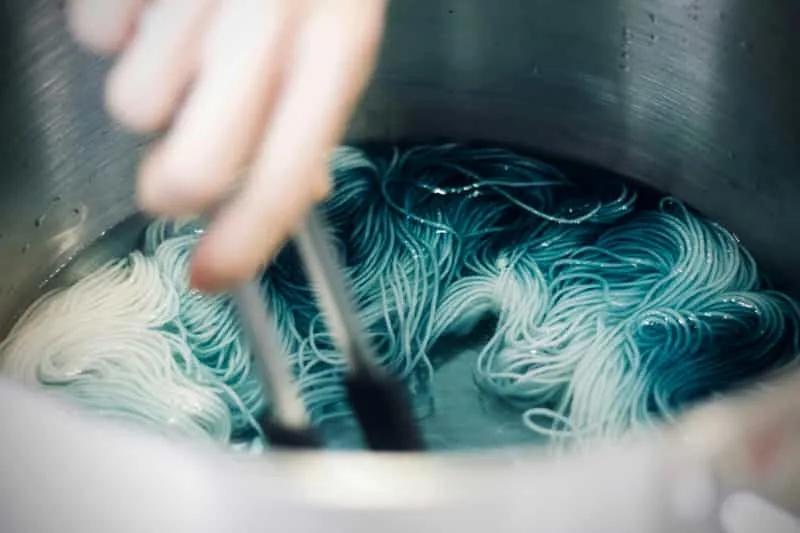
Piece dyeing refers to the process of dyeing fabric in its finished form. This method is commonly used for materials such as cotton, wool, and polyester, where the fabric is immersed in a dye bath to achieve uniform coloration. Key factors in piece dyeing include the dye concentration, bath temperature, and duration of immersion.

The advantages of piece dyeing include the ability to produce consistent, saturated colors and the flexibility to produce various shades by adjusting dye concentration. However, this method requires careful control of processing parameters to avoid issues such as uneven dye uptake and color variations.
Garment Dyeing
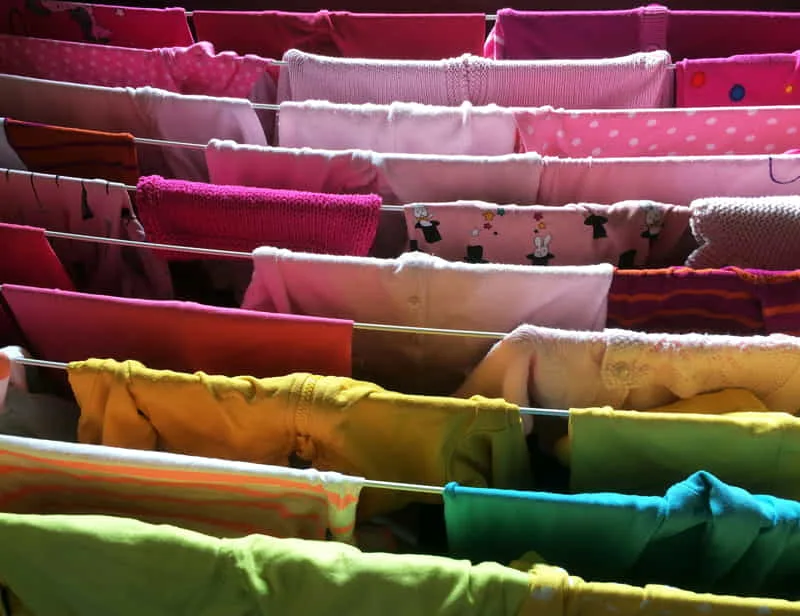
Garment dyeing is a technique where the finished garments are dyed rather than the raw fabric. This method is popular in fashion, especially for casual and streetwear, where post-production dyeing can create unique and vibrant color effects. Garment dyeing offers a high level of customization and is particularly useful for small production runs or limited-edition collections.
The process involves washing the garments to remove impurities, then immersing them in a dye bath under controlled conditions. Garment dyeing is often used to achieve a vintage or lived-in look, as the dye may fade or change over time with wear and washing.
Batch Dyeing
Batch dyeing, also known as vat dyeing, is a process in which fabrics are dyed in batches. This method is widely used in the production of textiles that require precise color matching and consistency across large quantities. The fabric is loaded into a dyeing machine, and the dye is applied in controlled cycles, allowing for thorough penetration and fixation.
Batch dyeing is known for its ability to produce high-quality, uniform colors but can be more time-consuming and energy-intensive compared to continuous methods. The environmental impact of batch dyeing has been a focus of recent research, leading to improvements in water and energy efficiency.
Continuous Dyeing
Continuous dyeing is employed for large-scale textile production, where fabrics are dyed as they move through a series of interconnected processing units. This method is highly efficient and is commonly used for long runs of fabric, such as in the production of home textiles or industrial materials. Continuous dyeing systems are designed to optimize the use of dye, water, and energy, making them more sustainable than some traditional batch processes.
Eco-Friendly Dyes and Sustainable Practices
In recent years, environmental sustainability has become a major focus in the textile industry. Traditional dyeing methods often involve toxic chemicals and significant water usage, contributing to environmental pollution. As a result, eco-friendly dyes and sustainable dyeing practices have emerged as critical innovations.
Eco-Friendly Dye Systems
Eco-friendly dyes aim to reduce environmental impact by using natural, non-toxic, and biodegradable components. One of the most exciting developments in this area is the use of microbial pigments. These pigments are produced by microorganisms such as bacteria and fungi, offering a renewable and sustainable alternative to synthetic dyes.
Microbial pigments have several advantages:
- They are biodegradable and pose minimal risk to the environment.
- They can produce a wide range of vibrant colors.
- They require less energy and water during production.
By integrating microbial pigments into traditional dyeing processes, manufacturers can achieve high-quality coloration while reducing chemical waste and water consumption. These dyes are particularly attractive in the production of organic and eco-friendly textiles.
Digital Textile Printing and Advanced Dyeing Technologies
Digital textile printing has transformed the dyeing process by enabling precise, on-demand, and customizable dyeing techniques. Unlike traditional dyeing, which often requires large dye baths and fixed color recipes, digital printing uses specialized inkjet printers to apply dyes directly onto the fabric. This method offers several key benefits:
- Customization: Digital printing allows for intricate designs, rapid color changes, and personalized textiles.
- Efficiency: The process minimizes waste by using only the necessary amount of dye.
- Speed: Digital printing can produce high-quality prints quickly, making it ideal for fast fashion and small-batch production.
Digital textile printing also integrates seamlessly with eco-friendly dye systems. Many digital printers now use water-based inks that are less toxic and more environmentally friendly. This combination of digital technology and sustainable dye chemistry represents a significant leap forward in textile production.
Comparative Analysis: Traditional Dyeing vs. Digital Textile Printing
Both traditional dyeing and digital textile printing have their own sets of advantages and challenges. Understanding the differences between these two approaches is critical for textile manufacturers seeking to optimize production, improve sustainability, and meet evolving consumer demands.
Traditional Dyeing
Traditional dyeing methods, such as piece dyeing, garment dyeing, batch dyeing, and continuous dyeing, have been used for centuries and are well-established in the industry. These methods are known for:
- Consistency: Traditional processes can produce uniform color across large fabric batches.
- Versatility: They can be used on a wide range of fibers and fabric types.
- High Color Saturation: Traditional dyeing often achieves deep, rich colors that are highly desirable in many textile applications.
However, traditional dyeing methods also have drawbacks:
- Environmental Impact: They can involve significant water usage and the use of toxic chemicals, leading to environmental pollution.
- Energy Consumption: Batch dyeing and continuous dyeing processes often require high energy inputs.
- Flexibility: Traditional methods are less flexible when it comes to customization and rapid color changes.
Digital Textile Printing
Digital textile printing represents a modern alternative that leverages digital technology to apply dyes directly to fabric. Its benefits include:
- Customization: Digital printing offers unparalleled flexibility, allowing for personalized designs and on-demand production.
- Reduced Waste: It minimizes dye and water waste by precisely applying only the necessary amount of ink.
- Speed and Efficiency: Digital printing can produce high-quality prints quickly, making it ideal for fast fashion and limited-edition runs.
- Eco-Friendliness: When paired with water-based or eco-friendly inks, digital printing has a significantly lower environmental impact compared to traditional methods.
The challenges of digital textile printing include:
- Initial Investment: The cost of digital printers and associated software can be high.
- Color Matching: Achieving consistent color matching across different prints and fabric types can be challenging.
- Scale: While digital printing excels in customization, scaling up production for very large orders can be less efficient compared to continuous dyeing systems.
A comparative study on traditional versus digital textile printing can be found in the research articles available on Textile World.
Dye Chemistry and Fabric Interaction
Dye-Fiber Affinity
The success of any dyeing process depends on the chemical affinity between the dye and the fabric. Fiber structure, surface chemistry, and the presence of functional groups all influence dye uptake. For example, natural fibers like cotton and wool have hydroxyl and amino groups, respectively, which form strong bonds with reactive and acid dyes. Synthetic fibers may require disperse or pigment dyes, depending on their chemical composition.
The structure of the fiber affects how easily dye molecules can penetrate and bind to the material. A fiber with a high surface area and porous structure will typically absorb more dye, resulting in a richer color. Conversely, dense or highly crystalline fibers may resist dye penetration, leading to uneven coloration. Techniques such as pre-treatment and surface modification are often used to enhance dye-fiber affinity.
Impact of Eco-Friendly Dyes
The textile industry has seen a surge in the development and use of eco-friendly dyes. These dyes, including microbial pigments, offer a sustainable alternative to conventional synthetic dyes. Eco-friendly dyes are typically non-toxic, biodegradable, and produced using renewable resources. Their use not only reduces the environmental footprint of textile production but also meets the increasing consumer demand for sustainable products.
Microbial pigments, produced by bacteria and fungi, are a breakthrough in eco-friendly dye technology. They offer vibrant, stable colors and require less water and energy during processing. Integrating microbial pigments into dyeing processes has been shown to improve dye uptake and color fastness while minimizing chemical waste.
Digital Ink Formulations
Digital textile printing relies on specialized ink formulations designed for precision application and rapid drying. These inks are engineered to adhere well to various fabric substrates, providing high-resolution prints with excellent color vibrancy and durability. Water-based inks are common in digital printing due to their lower toxicity and environmental impact compared to solvent-based alternatives. Innovations in digital ink chemistry continue to enhance print quality and expand the range of achievable colors and effects.
For more on dye chemistry and eco-friendly dyes, visit the TextileSchool dyeing resources.
Quality Control in Dyeing
Maintaining consistent quality in fabric dyeing is critical for meeting industry standards and consumer expectations. Advanced quality control methods ensure that fabrics achieve the desired color intensity, uniformity, and fastness.
Spectrophotometry
Spectrophotometers are widely used in the textile industry to measure color values and ensure consistency across dye lots. These instruments analyze the spectrum of light reflected from a fabric sample and provide precise color measurements. By using spectrophotometry, manufacturers can detect even minor deviations in color, allowing for rapid adjustments in the dyeing process.
Digital Imaging and Analysis
Digital imaging systems capture high-resolution images of dyed fabrics, which are then analyzed to assess color uniformity and distribution. These systems are particularly useful in digital textile printing, where precision and consistency are paramount. The integration of digital imaging with AI-driven analytics provides real-time feedback, enabling manufacturers to optimize dyeing parameters continuously.
Wash and Light Fastness Testing
Fastness tests are crucial for evaluating how well a dye adheres to a fabric over time. Wash fastness testing assesses the dye’s resistance to fading or bleeding during laundering, while light fastness testing measures the dye’s stability under exposure to light. These tests are standardized by organizations such as AATCC and ASTM, ensuring that fabrics meet international quality standards.
Environmental Impact and Sustainability in Dyeing
Sustainability is a significant concern in the textile industry, and dyeing processes are a major contributor to environmental pollution. Advances in eco-friendly dyeing techniques aim to reduce water usage, minimize chemical discharge, and lower energy consumption.
Waterless Dyeing and Digital Printing
Waterless dyeing technologies, such as supercritical CO₂ dyeing and digital textile printing, offer a sustainable alternative to traditional dyeing methods. These technologies significantly reduce water usage and eliminate many of the pollutants associated with conventional dyeing processes. Digital textile printing, in particular, provides precise control over dye application, resulting in less waste and lower energy consumption.
Eco-Friendly Dyes
The use of eco-friendly dyes, including microbial pigments and water-based digital inks, has transformed the dyeing landscape. These dyes are designed to have a lower environmental impact, with reduced toxicity and improved biodegradability. Manufacturers adopting eco-friendly dye systems benefit not only from environmental compliance but also from enhanced market appeal among eco-conscious consumers.
Recycling and Waste Management
Efficient waste management and recycling processes are integral to sustainable dyeing practices. Innovations in wastewater treatment and the reuse of dye baths contribute to reducing the overall environmental footprint. Additionally, the recycling of textile fibers, while challenging, is an area of active research that promises to extend the life cycle of dyed fabrics and reduce resource consumption.
Cost Efficiency and Economic Considerations
Optimizing dyeing processes has significant economic implications. Advanced dyeing technologies not only improve product quality but also contribute to cost savings by reducing water and energy usage, minimizing dye waste, and lowering the incidence of defects.
Process Optimization
Investment in state-of-the-art dyeing equipment, such as digital textile printers and waterless dyeing systems, can lead to substantial long-term savings. These technologies offer higher precision, reduce production downtime, and enhance overall operational efficiency. Manufacturers can leverage real-time data and AI-driven process optimization to fine-tune dyeing parameters, ensuring consistent quality and reducing costs.
Market Differentiation
High-quality, vibrantly dyed fabrics command premium prices in the marketplace. By adopting advanced dyeing techniques and eco-friendly dye systems, manufacturers can differentiate their products, appealing to both traditional markets and the growing segment of eco-conscious consumers. The ability to offer customized, on-demand color solutions also opens up new avenues for market expansion and innovation.
Economic Benefits of Sustainable Practices
Sustainable dyeing not only meets regulatory requirements but also provides economic benefits through reduced resource consumption and waste management costs. Eco-friendly processes and dyes are increasingly becoming a market differentiator, allowing manufacturers to secure contracts with brands that prioritize sustainability.
Innovations and Future Trends
Integration of Digital Technologies
Digital textile printing continues to evolve, offering new possibilities in design, efficiency, and sustainability. The integration of digital printing with advanced ink formulations and eco-friendly dyes is set to revolutionize the industry. Innovations such as AI-driven color matching and real-time process monitoring are enhancing the precision and reliability of digital printing, making it an attractive option for both high-end and mass-market applications.
Advancements in Eco-Friendly Dye Chemistry
Research into eco-friendly dye chemistry is accelerating, with a focus on developing dyes that are both high-performance and sustainable. Microbial pigments, derived from natural sources such as bacteria and fungi, represent a breakthrough in dye technology. These pigments offer vibrant, stable colors with a minimal environmental footprint. As research progresses, it is expected that eco-friendly dyes will become more widely adopted, transforming the textile dyeing landscape.
Sustainable Waterless Dyeing
Waterless dyeing techniques, such as supercritical CO₂ dyeing, are gaining traction as a sustainable alternative to traditional dyeing methods. These techniques eliminate the need for large volumes of water, significantly reducing the environmental impact of the dyeing process. The continued development of waterless dyeing technologies is expected to drive further improvements in sustainability and cost efficiency in textile production.
AI and IoT in Dyeing Process Optimization
The future of dyeing lies in the integration of artificial intelligence (AI) and the Internet of Things (IoT). Smart dyeing systems that monitor parameters in real time and adjust processing conditions automatically will become standard in modern textile mills. These technologies not only enhance quality control but also improve resource utilization, reduce waste, and ensure consistent dye uptake. Digital twin technology, which creates a virtual model of the dyeing process, is another promising innovation that will enable manufacturers to simulate and optimize their operations before implementation.
Quality Control in Dyeing
Quality control is a cornerstone of successful fabric dyeing. Advanced quality control methods ensure that fabrics achieve the desired color depth, uniformity, and fastness, meeting both consumer expectations and industry standards.
Spectrophotometry
Spectrophotometry is the primary tool used for measuring color values in textiles. It provides precise, quantitative data on color reflectance and is essential for maintaining consistency across dye lots. By using spectrophotometric data, manufacturers can adjust dye concentrations and processing conditions to achieve optimal color yield and fastness.
Digital Imaging and Analysis
Digital imaging systems capture high-resolution images of dyed fabrics, allowing for automated analysis of color uniformity and intensity. These systems use advanced algorithms to detect even minor variations in color, providing real-time feedback that can be used to fine-tune the dyeing process. This technology is particularly valuable in digital textile printing, where precision and consistency are critical.
Fastness Testing
Fastness tests assess how well a dye remains fixed on a fabric under various conditions such as washing, light exposure, and rubbing. Standardized tests, such as those developed by AATCC and ASTM, are used to ensure that fabrics meet quality benchmarks for durability and color retention. Fastness testing is integral to quality control, helping manufacturers guarantee that their dyed fabrics perform well over time.
Real-World Examples and Case Studies
Case Study: Enhancing Dye Uniformity in Cotton Fabrics
A leading cotton textile mill implemented advanced digital imaging and spectrophotometry to monitor dye uptake during the dyeing process. By fine-tuning dye concentrations and processing times based on real-time feedback, the mill achieved a 30% improvement in color uniformity and enhanced fastness properties. The improvements not only elevated product quality but also reduced waste and rework, leading to significant cost savings.
Case Study: Eco-Friendly Dyeing Using Microbial Pigments
An innovative manufacturer specializing in eco-friendly textiles adopted microbial pigments as an alternative to conventional synthetic dyes. The microbial pigments provided vibrant, stable colors while reducing the environmental impact of the dyeing process. Advanced quality control methods, including FTIR and digital imaging, confirmed the superior dye uptake and fixation properties of the eco-friendly dyes. This sustainable approach allowed the manufacturer to market its products as environmentally responsible, attracting a growing segment of eco-conscious consumers.
Case Study: Digital Textile Printing for Custom Designs
A fashion brand specializing in customized apparel embraced digital textile printing to offer unique, on-demand designs. Utilizing water-based, eco-friendly inks and advanced digital printers, the brand was able to achieve intricate patterns and rapid color changes with minimal waste. The integration of AI-driven color matching ensured consistent color quality across different batches. This innovative approach not only enhanced the brand’s market appeal but also reduced production lead times and costs, demonstrating the competitive advantages of digital textile printing.
Challenges and Future Perspectives
Technological Integration
Integrating advanced dyeing technologies into existing production lines can be challenging. Many textile mills still rely on legacy equipment, making it difficult to adopt new digital and eco-friendly systems without significant capital investment. However, as technology becomes more accessible and cost-effective, the transition to advanced dyeing methods is expected to accelerate.
Standardization and Calibration
Maintaining consistency in dyeing processes requires rigorous standardization and regular calibration of equipment. Variability in dye lots, environmental conditions, and machine settings can lead to inconsistencies in color. Industry standards set by organizations such as ASTM and ISO are critical for ensuring that dyeing processes are reproducible and that quality control measures are robust.
Environmental Impact
While advancements in eco-friendly dyes and waterless dyeing techniques are promising, the overall environmental impact of textile dyeing remains a significant concern. The industry must continue to innovate in order to reduce water usage, chemical discharge, and energy consumption. Sustainable practices such as the use of microbial pigments and digital textile printing are key to reducing the ecological footprint of the dyeing process.
Future Innovations
Looking ahead, the future of fabric dyeing lies in further integrating digital technologies, sustainable practices, and advanced analytics. Emerging trends include:
- Enhanced Digital Printing: Continued improvements in digital textile printing will allow for more precise, on-demand dyeing with minimal waste.
- AI-Driven Process Control: AI and machine learning will play an increasingly important role in optimizing dyeing processes in real time.
- Sustainable Dye Chemistry: Research into eco-friendly dyes and waterless dyeing technologies will drive the development of more sustainable dyeing practices.
- Hybrid Dyeing Techniques: Combining traditional dyeing methods with digital printing technology may offer the best of both worlds, providing high quality and efficiency while reducing environmental impact.
For further exploration of digital innovations in textile dyeing, visit the Digital Textile Printing page on TextileSchool.com.
Conclusion and Summary
Fabric dyeing techniques have evolved dramatically from traditional methods to modern, digitally-controlled processes that offer unprecedented precision, sustainability, and customization. This comprehensive article has explored a wide range of dyeing techniques, from conventional piece and garment dyeing to cutting-edge digital textile printing. It has highlighted the importance of eco-friendly dyes, such as microbial pigments, and compared traditional dyeing processes with advanced digital methods. By understanding the chemistry, mechanics, and environmental impact of various dyeing techniques, textile professionals can optimize their processes to produce high-quality, vibrant fabrics that meet contemporary market demands. In summary, fabric dyeing is a dynamic field where traditional craftsmanship meets digital innovation, paving the way for a sustainable and highly customizable future in textile production.