Organic cotton farming represents a revolution in sustainable textile production. By eschewing synthetic pesticides and fertilizers, organic cotton promotes environmental health, preserves soil fertility, and conserves water while delivering a high-quality fiber for textile applications. This article delves deep into the fundamentals of organic cotton farming, exploring its processes, environmental benefits, regional challenges, and innovative practices that make it an essential component of the modern textile industry. From water management strategies that yield significant water savings to natural pest control methods that serve as alternatives to genetically modified (GMO) pest-resistant crops, this comprehensive guide equips textile professionals, researchers, and enthusiasts with actionable insights to optimize organic cotton production and drive sustainability in the textile sector.
Organic cotton farming transforms the way cotton is grown by adhering to strict organic standards that prioritize ecological balance. Farmers avoid synthetic chemicals and use natural fertilizers and biological pest controls. These practices not only yield a softer, more durable fiber but also reduce the environmental footprint compared to conventional cotton farming. As consumers increasingly demand eco-friendly products, organic cotton has emerged as a premium alternative in fashion, home textiles, and technical applications.
Introduction to Organic Cotton Farming
Organic cotton farming centers on growing cotton without synthetic pesticides, herbicides, or fertilizers. Instead, organic farmers utilize natural alternatives, crop rotation, and organic manures to maintain soil health. This method of cultivation has gained momentum as environmental concerns and consumer demand for sustainable products rise. Organic cotton farming not only delivers a superior fiber quality but also plays a critical role in reducing chemical runoff and preserving biodiversity.
The principles of organic cotton farming are deeply intertwined with sustainable agriculture practices. The commitment to natural resource conservation and ecological balance distinguishes organic cotton from conventional farming practices. TextileSchool.com aims to educate industry professionals on these sustainable practices, ensuring that the transition to organic cotton not only meets quality standards but also supports the broader environmental agenda.
Historical Perspective and Evolution
The history of cotton farming spans millennia, but the modern organic cotton movement emerged in the late 20th century in response to growing environmental and health concerns. Conventional cotton production relies heavily on chemical inputs, which have led to significant ecological degradation. In contrast, organic cotton emerged as a sustainable alternative, emphasizing natural processes and minimal environmental impact.
Early adopters of organic cotton farming faced numerous challenges, including lower yields and higher labor costs. Over time, however, improvements in organic farming techniques, better pest management strategies, and supportive government policies helped bridge the gap. Today, organic cotton is grown in many regions worldwide, from the United States to India, each with its unique challenges and advantages.
The Organic Cotton Farming Process
Soil Preparation and Organic Inputs
The success of organic cotton farming begins with healthy soil. Organic farmers emphasize soil fertility through the use of compost, green manure, and crop rotation. These practices improve soil structure, increase organic matter, and foster beneficial microbial activity. Unlike conventional methods that rely on synthetic fertilizers, organic inputs enrich the soil naturally and sustainably.
Soil tests are critical in organic cotton farming. They help farmers determine the nutrient levels and pH balance necessary for optimal cotton growth. By tailoring organic inputs to the soil’s needs, farmers can maximize yields while preserving the ecosystem.

Planting and Crop Management
In organic cotton farming, planting is carefully timed to maximize growth while minimizing pest and disease pressures. Farmers use certified organic seeds and employ techniques such as intercropping and companion planting to enhance biodiversity. Crop rotation plays a crucial role in disrupting pest cycles and reducing disease incidence.
Precise planting techniques, including row spacing and seed depth, are optimized to ensure healthy plant development. Organic cotton farmers often rely on manual labor for planting and cultivation, though modern mechanized systems adapted for organic practices are becoming more prevalent. Regular field inspections help monitor plant health and identify potential issues early, allowing for timely interventions.
Water Management and Irrigation
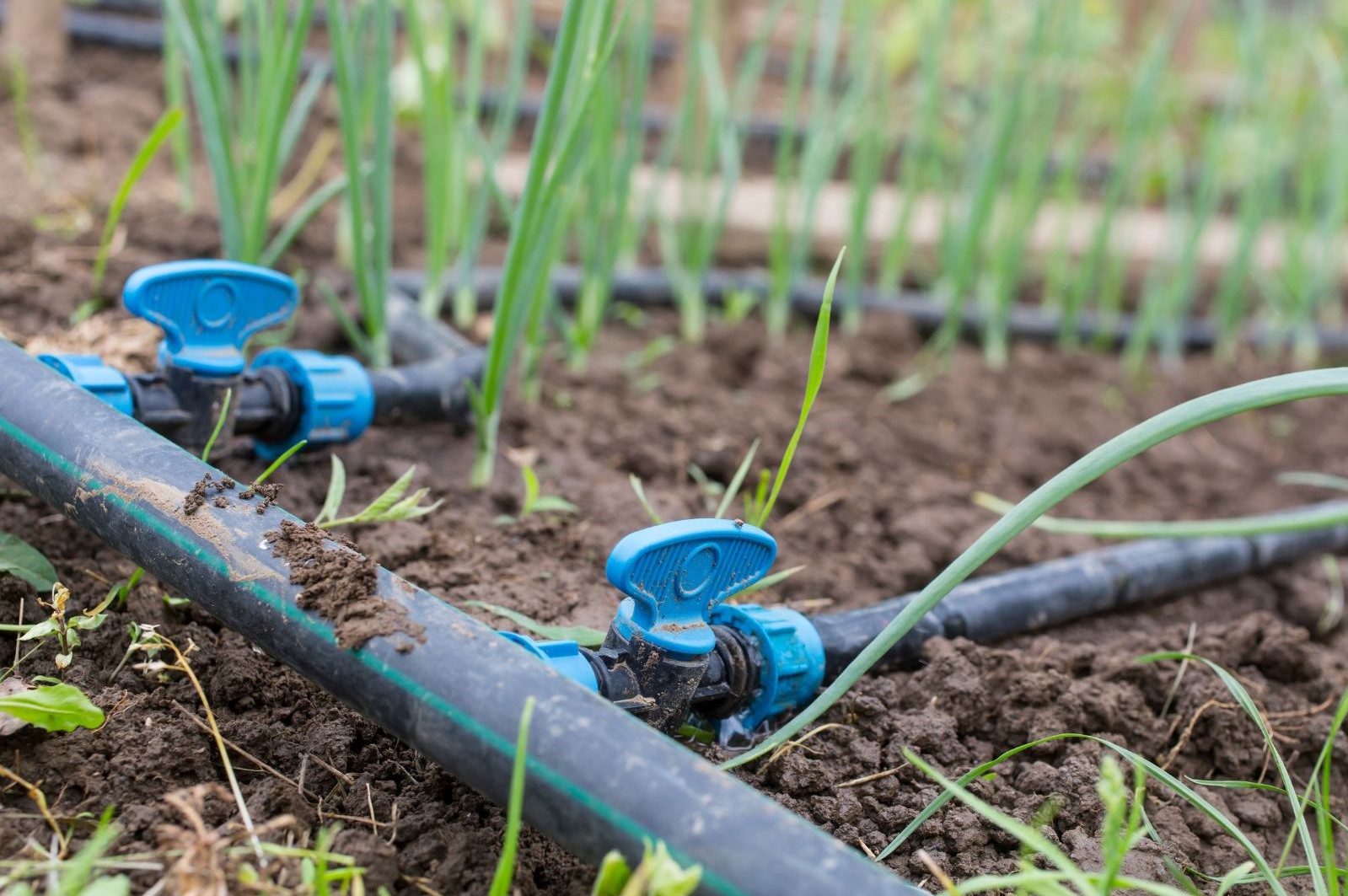
One of the key advantages of organic cotton farming is its emphasis on water conservation. Organic practices promote water savings through mulching, drip irrigation, and the use of cover crops. These techniques reduce evaporation and runoff, ensuring that water is used efficiently.
Studies show that organic cotton farming can reduce water usage by up to 30% compared to conventional methods. Efficient water management not only conserves a precious resource but also improves plant health, resulting in better fiber quality. For further insights on water conservation in organic agriculture, visit resources on FAO’s water management.
Pest Management and Natural Alternatives
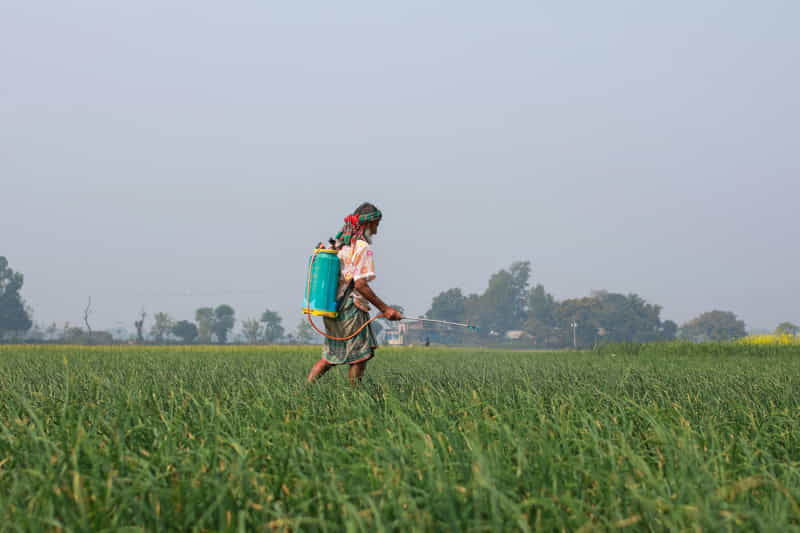
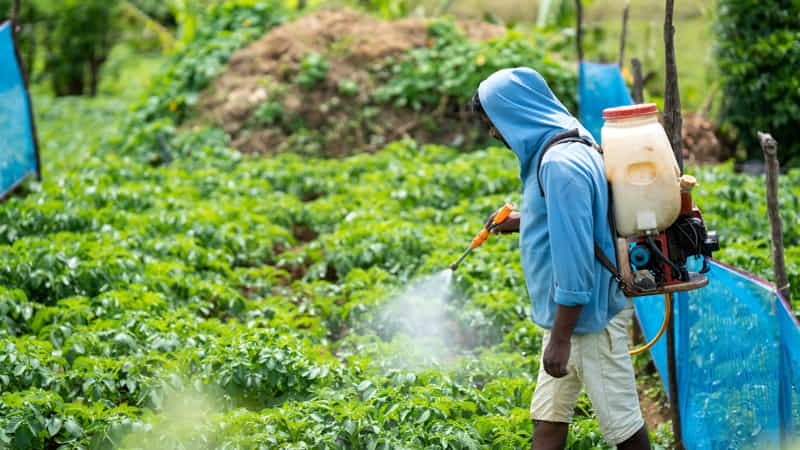
Pest management in organic cotton farming is achieved through Integrated Pest Management (IPM) strategies. Instead of relying on chemical pesticides, organic farmers use biological controls, such as predatory insects, microbial pesticides, and botanical extracts. These natural alternatives help maintain a balanced ecosystem, reducing the likelihood of pest outbreaks while preserving beneficial insect populations.
Crop rotation and intercropping are also critical components of pest management. By alternating cotton with other crops, farmers can disrupt pest life cycles and reduce infestation levels. Additionally, some organic farms experiment with pest-resistant GMO alternatives where allowed under organic certification—though these remain controversial and are subject to strict regulatory oversight.
Harvesting and Post-Harvest Processing
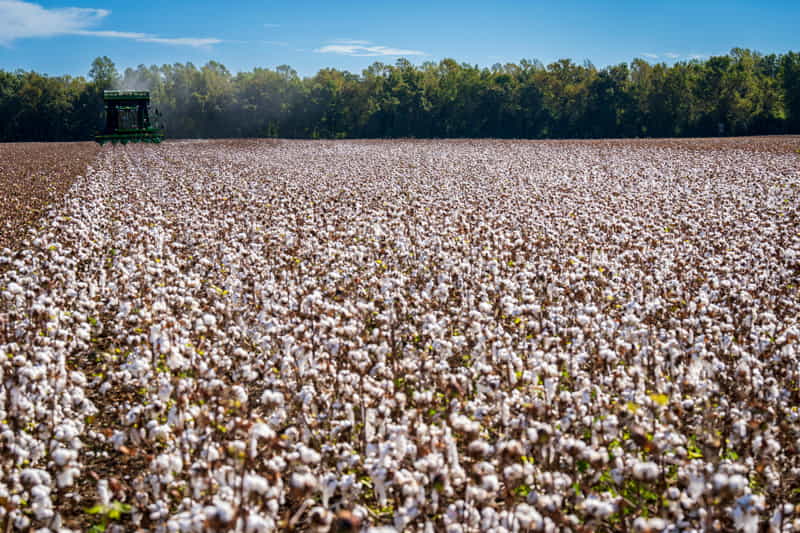
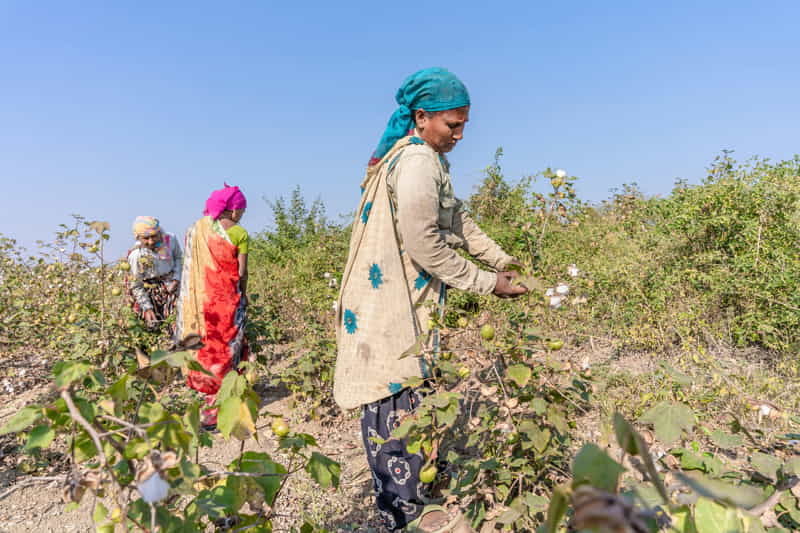
Harvesting organic cotton requires careful handling to preserve fiber quality. Unlike conventional cotton, organic cotton is typically hand-picked or mechanically harvested with specialized equipment designed to minimize fiber damage. The harvested cotton undergoes ginning, where seeds are separated from the fiber. Organic ginning processes avoid harsh chemicals and preserve the natural properties of the fiber.
Post-harvest processing, including bale storage and transportation, is carried out under strict conditions to maintain fiber integrity. The quality of organic cotton is then evaluated based on fiber length, strength, and fineness, ensuring that it meets the high standards required for premium textile production.
Regional Challenges in Organic Cotton Farming
Organic Cotton in India
India is one of the world’s largest cotton producers, and organic cotton farming here faces unique challenges and opportunities. Indian organic cotton farmers contend with a range of environmental factors, including erratic monsoon patterns, soil degradation, and pest pressures. Despite these challenges, organic cotton in India offers significant benefits, such as water savings and improved soil health. Indian farmers have increasingly adopted organic practices due to the rising demand for sustainable textiles in global markets.
Government initiatives and non-governmental organizations (NGOs) play a crucial role in supporting organic cotton farming in India. Training programs, financial incentives, and access to certified organic inputs have helped improve yields and fiber quality. However, issues such as fragmented landholdings and inconsistent market access continue to pose challenges.
Organic Cotton in the United States
The United States has a well-established organic cotton sector that benefits from advanced agricultural technologies and robust support from government programs. American organic cotton farms focus on precision agriculture techniques, which include advanced irrigation systems, soil monitoring, and pest management strategies. The emphasis on water conservation is particularly significant in regions prone to drought, where efficient water use is paramount.
U.S. organic cotton farmers also face challenges such as high production costs and competition from conventional cotton. However, the higher market value of organic cotton in eco-conscious markets and the availability of modern mechanized farming practices help mitigate these issues. The U.S. organic cotton sector continues to innovate, with ongoing research into drought-resistant varieties and improved organic farming techniques.
For more details on regional agricultural practices, visit the USDA Organic Certification page.
Water Savings and Environmental Impact
Water management is a cornerstone of organic cotton farming. Traditional cotton production is notorious for its high water usage, but organic practices can lead to significant water savings. Techniques such as drip irrigation, mulching, and the use of cover crops help reduce water loss through evaporation and runoff. Studies indicate that organic cotton farming can conserve up to 30% more water compared to conventional methods, contributing to a lower overall water footprint.
The environmental benefits extend beyond water savings. Organic cotton farming reduces reliance on synthetic pesticides and fertilizers, leading to improved soil health and reduced chemical runoff. This not only protects local ecosystems but also contributes to better long-term agricultural productivity. Sustainable practices in organic cotton farming play a pivotal role in meeting regulatory standards and consumer expectations for eco-friendly products.
Economic and Market Considerations
Cost Benefits and Premium Pricing
While organic cotton farming often requires higher initial investment in terms of labor, organic inputs, and sustainable technologies, the long-term economic benefits can be substantial. Organic cotton typically commands a premium in the market due to its sustainable credentials and superior fiber quality. Consumers are increasingly willing to pay more for products that are eco-friendly and ethically produced. This premium pricing helps offset the higher costs of organic farming and makes it economically viable.
Market Demand for Sustainable Textiles
The global market for sustainable textiles continues to grow as consumers become more environmentally conscious. Brands that incorporate organic cotton into their product lines can differentiate themselves by offering fabrics that are both high quality and sustainably produced. The growing demand for eco-friendly products has led to increased investments in organic cotton farming, research, and development. As market trends shift toward sustainability, organic cotton is poised to play an even larger role in the textile industry.
Certifications and Quality Assurance
Certifications such as the Global Organic Textile Standard (GOTS) are essential for building consumer trust and ensuring that organic cotton meets rigorous environmental and social standards. These certifications verify that the cotton has been grown, processed, and manufactured according to strict organic guidelines. Compliance with such standards not only enhances marketability but also provides assurance to consumers about the product’s eco-friendly attributes.
For additional details on organic certifications, visit the GOTS certification page.
Technological Innovations and Best Practices
Precision Agriculture in Organic Cotton Farming
Precision agriculture is revolutionizing organic cotton farming by leveraging digital tools and data analytics to optimize crop production. Techniques such as remote sensing, GPS mapping, and IoT-enabled soil sensors help farmers monitor crop health, soil moisture, and nutrient levels in real time. These technologies enable targeted interventions that maximize yield and reduce resource wastage. Precision agriculture not only improves the efficiency of organic cotton farming but also enhances fiber quality by ensuring optimal growing conditions.
Innovations in Pest Management
Organic cotton farming employs integrated pest management (IPM) strategies that reduce reliance on synthetic pesticides. Innovations in biological controls—such as the use of beneficial insects, microbial pesticides, and plant extracts—have significantly improved pest management in organic systems. Researchers are exploring natural pest-resistant GMO alternatives that can enhance crop resilience without compromising organic standards. These innovations help maintain the health of cotton crops while preserving the environmental benefits of organic farming.
Water Conservation Technologies
Advancements in water conservation technologies are critical for organic cotton farming, particularly in water-scarce regions. Drip irrigation systems, soil moisture sensors, and automated watering schedules help reduce water usage and ensure that cotton crops receive the precise amount of water needed for optimal growth. These technologies not only contribute to water savings but also improve crop yield and fiber quality. Implementing such systems is essential for reducing the water footprint of organic cotton and enhancing sustainability.
Digital Platforms and Data Integration
Digital platforms that integrate field data, market trends, and production metrics are increasingly being adopted by organic cotton farmers. These platforms facilitate informed decision-making by providing real-time insights into crop performance and environmental conditions. Data integration helps optimize planting schedules, irrigation, and pest management, leading to improved fiber quality and higher yields. The use of digital tools not only boosts productivity but also supports the sustainable practices central to organic cotton farming.
Regional Challenges and Comparative Analysis
Organic Cotton in India
India is one of the largest producers of cotton globally, and organic cotton farming in India faces a unique set of challenges and opportunities. Indian organic cotton farmers contend with diverse climatic conditions, soil degradation, and pest pressures. However, traditional organic practices, coupled with modern precision agriculture, have enabled Indian farmers to achieve significant water savings and reduce chemical inputs. Government initiatives and support from NGOs have helped improve the adoption of organic practices, though challenges such as fragmented landholdings and inconsistent market access persist.
Organic Cotton in the United States
The United States benefits from advanced agricultural technologies and robust government support, which have helped establish a strong organic cotton sector. American organic cotton farms leverage modern irrigation systems, integrated pest management, and digital monitoring to optimize yields and maintain high fiber quality. While U.S. farmers face challenges such as higher production costs and competition from conventional cotton, the premium market for organic textiles and the focus on sustainability drive growth in this sector.
Comparative Analysis: Indian vs. U.S. Organic Cotton
When comparing organic cotton farming practices between India and the U.S., several key differences emerge:
- Water Management: Indian farms often rely on rain-fed systems with supplementary drip irrigation, whereas U.S. farms use advanced, mechanized irrigation systems that optimize water usage. Studies indicate that U.S. organic cotton farming achieves higher water efficiency through precision irrigation.
- Pest Management: Indian farmers commonly employ traditional organic pest management practices using natural predators and botanical extracts. In contrast, U.S. farms integrate advanced IPM strategies with modern monitoring technologies to reduce pest infestations.
- Economic Factors: Production costs in India are generally lower due to lower labor costs, but yield variability and market access challenges persist. U.S. organic cotton tends to have more consistent yields and quality, enabling higher pricing in global markets.
- Regulatory Environment: Both regions adhere to strict organic certification standards, though the regulatory frameworks and support mechanisms differ, impacting the scalability and market penetration of organic cotton.
For additional details on regional challenges, consult resources on USDA Organic.
Case Studies and Real-World Examples
Case Study: Water Savings in Indian Organic Cotton
A case study from an Indian organic cotton farm demonstrated that implementing drip irrigation and precision agriculture techniques led to a 30% reduction in water usage compared to traditional methods. The farm’s adoption of soil moisture sensors and automated irrigation schedules improved water efficiency and crop yield, contributing to both environmental sustainability and economic viability.
Case Study: Technological Integration in U.S. Organic Cotton
A U.S.-based organic cotton farm integrated digital platforms and remote sensing technologies to monitor crop health and optimize water usage. By leveraging real-time data, the farm achieved a significant increase in yield quality and uniformity. The improved fiber quality allowed the farm to secure premium contracts in the sustainable textile market, showcasing the potential of digital integration in enhancing organic cotton production.
Case Study: Pest Management Innovations
An innovative organic cotton cooperative in India implemented a combination of biological controls and natural pest-resistant alternatives. By using microbial pesticides and beneficial insects, the cooperative reduced pest-related crop losses by 25%. This approach not only improved fiber quality but also reduced the overall reliance on traditional organic pesticides, paving the way for more resilient organic cotton farming practices.
Economic Benefits and Market Impact
Organic cotton farming offers several economic benefits:
- Premium Pricing: Consumers are willing to pay more for organically produced cotton, which often fetches a premium price in global markets.
- Cost Savings: Improved water management and reduced chemical inputs lower overall production costs in the long term.
- Market Expansion: The growing demand for sustainable textiles opens up new market opportunities for organic cotton products in both apparel and home textiles.
- Brand Differentiation: Brands that use organic cotton can strengthen their market position by aligning with sustainability trends, building consumer trust, and meeting regulatory requirements.
Environmental Impact and Sustainability
Water Savings
One of the most significant advantages of organic cotton farming is its potential for water savings. By employing drip irrigation, cover cropping, and soil moisture monitoring, organic farms can conserve water while maintaining high yields. Studies indicate that water savings in organic cotton farming can reach up to 30% compared to conventional methods, making it a more sustainable choice for water-scarce regions.
Soil Health and Biodiversity
Organic cotton farming emphasizes crop rotation, the use of organic fertilizers, and reduced chemical inputs, all of which contribute to improved soil health and biodiversity. Healthy soil supports better cotton growth, enhances fiber quality, and reduces erosion. Additionally, maintaining biodiversity in organic cotton fields creates a balanced ecosystem that naturally suppresses pests and diseases.
Reduction of Chemical Pollution
By eliminating synthetic pesticides and fertilizers, organic cotton farming reduces the risk of chemical runoff into local water sources. This not only protects the environment but also contributes to safer working conditions for farm laborers and healthier communities in surrounding areas.
Policy Frameworks and Certification
Certifications such as Global Organic Textile Standard (GOTS) and Organic Content Standard (OCS) are critical in the organic cotton industry. They ensure that cotton is grown and processed according to strict organic standards, from soil management to production methods. These certifications build consumer trust, promote sustainable practices, and facilitate market access for organic cotton products.
Government initiatives and international policies also support organic cotton farming by providing financial incentives, technical assistance, and research funding. These policy frameworks help address regional challenges and promote the widespread adoption of organic practices.
For more details on organic certifications, visit the GOTS certification page.
Technological Innovations in Organic Cotton Farming
Precision Agriculture
Precision agriculture employs digital tools and data analytics to optimize crop management. In organic cotton farming, techniques such as remote sensing, GPS mapping, and IoT-enabled soil sensors help farmers monitor crop health, soil moisture, and nutrient levels in real time. These innovations enable targeted interventions that enhance yield and fiber quality while conserving resources.
Integrated Pest Management (IPM)
Organic cotton farming relies on Integrated Pest Management (IPM) strategies to manage pest populations without synthetic chemicals. Advances in IPM include the use of biological controls, such as predatory insects and microbial pesticides, and the development of natural pest-resistant alternatives. These strategies reduce crop losses, maintain fiber quality, and contribute to overall sustainability.
Digital Monitoring Systems
Modern organic cotton farms increasingly adopt digital monitoring systems to track environmental parameters such as temperature, humidity, and water usage. These systems provide real-time data that help farmers make informed decisions, optimize resource use, and improve crop management. The integration of digital tools into organic farming enhances productivity and contributes to a sustainable agricultural practice.
Best Practices and Innovations
Sustainable Water Management
Implementing efficient water management techniques is crucial in organic cotton farming. Best practices include:
- Drip Irrigation: Delivers water directly to the root zone, reducing evaporation and runoff.
- Mulching: Helps retain soil moisture and suppress weeds.
- Cover Cropping: Improves soil structure and reduces water loss. These methods can significantly reduce water consumption, contributing to environmental sustainability and cost savings.
Natural Pest Management Strategies
Organic cotton farmers must rely on natural pest control measures. Best practices include:
- Biological Controls: Using beneficial insects and microbial pesticides to manage pest populations.
- Crop Rotation: Reducing pest build-up by alternating cotton with non-host crops.
- Intercropping: Planting complementary crops together to create a diversified ecosystem that naturally suppresses pests. Implementing these strategies reduces the need for external chemical inputs and maintains the ecological balance of the farm.
Soil Health and Fertility
Maintaining soil health is fundamental to the success of organic cotton farming. Best practices include:
- Organic Amendments: Using compost, manure, and green manure to enrich the soil.
- Crop Rotation and Diversification: Prevents soil depletion and reduces pest pressures.
- Conservation Tillage: Minimizes soil disturbance, preserving soil structure and microbial activity. Healthy soil not only enhances cotton yield but also improves fiber quality and sustainability.
Regional Challenges and Opportunities
Organic Cotton Farming in India
India is a major cotton producer with a rich history in organic agriculture. Indian organic cotton farming faces challenges such as variable rainfall, soil degradation, and pest pressures. However, innovations in water management, precision agriculture, and natural pest control have enabled Indian farmers to achieve significant water savings and improved yields. Government programs and NGO support further bolster organic farming practices in India, making it a dynamic sector with significant growth potential.
Organic Cotton Farming in the United States
The United States benefits from advanced agricultural technologies and robust support systems, which help maintain high yields and consistent fiber quality in organic cotton farming. U.S. farmers use precision irrigation systems, integrated pest management strategies, and digital monitoring to optimize production. Although production costs in the U.S. are higher, the premium market for organic textiles and stringent quality standards ensure that American organic cotton remains competitive globally.
Comparative Analysis: Indian vs. U.S. Organic Cotton
The challenges and opportunities in organic cotton farming differ significantly between regions. In India, organic cotton faces issues such as fragmented landholdings, inconsistent water supply, and labor-intensive practices. Nevertheless, the lower production costs and the availability of indigenous organic farming knowledge provide a competitive edge. In contrast, U.S. organic cotton farms benefit from advanced technology and stable market access but contend with higher operational costs. Understanding these regional nuances is essential for manufacturers and marketers to tailor their strategies and optimize the supply chain for organic cotton.
For further regional insights, explore agricultural research resources provided by FAO and USDA Organic.
Economic Benefits and Market Dynamics
Cost Implications and Profitability
Organic cotton often incurs higher production costs due to organic inputs, labor-intensive practices, and certification expenses. However, these costs are offset by premium pricing in global markets. Consumers are willing to pay more for textiles that are sustainably produced and free from synthetic chemicals. As demand for organic cotton grows, economies of scale and technological advancements are expected to reduce production costs further.
Market Trends and Consumer Demand
Sustainable and ethically produced textiles have become a key selling point in the global market. Fashion brands and home textile manufacturers increasingly incorporate organic cotton into their product lines to appeal to eco-conscious consumers. This trend not only supports environmental sustainability but also enhances brand reputation and market competitiveness. The growth of organic cotton is further bolstered by consumer awareness campaigns and regulatory frameworks that promote sustainable agriculture.
Certifications and Quality Assurance
Certifications such as Global Organic Textile Standard (GOTS) are essential for validating the quality and sustainability of organic cotton. These certifications ensure that the cotton is grown, processed, and manufactured according to strict organic standards, which builds consumer trust and opens up premium market segments. Manufacturers who achieve certification can leverage these credentials to differentiate their products and command higher prices in competitive markets.
Technological Innovations in Organic Cotton Farming
Precision Agriculture and Digital Tools
Modern organic cotton farming is increasingly driven by precision agriculture. Technologies such as GPS mapping, remote sensing, and IoT-enabled soil sensors provide real-time data on crop health, soil moisture, and nutrient levels. These digital tools allow farmers to optimize irrigation, fertilization, and pest management, thereby enhancing yield and fiber quality while reducing environmental impact.
Advanced Irrigation Techniques
Efficient water management is critical in organic cotton farming, particularly in regions with variable rainfall. Innovations such as drip irrigation systems and automated water control help conserve water and ensure optimal crop growth. These systems deliver water directly to the root zone, minimizing evaporation and runoff. Farmers who adopt advanced irrigation techniques report water savings of up to 30% compared to traditional methods.
Natural Pest-Resistant Alternatives
Organic cotton farmers rely on natural pest management strategies rather than synthetic pesticides. Recent innovations include the development of pest-resistant varieties through natural breeding techniques and the use of biological control agents. Research into natural pest-resistant alternatives is ongoing, with some studies exploring non-GMO methods to enhance crop resilience. These innovations reduce crop losses and improve fiber quality without compromising organic standards.
Digital Monitoring and Data Analytics
Digital monitoring systems integrated into organic farms provide critical insights into every stage of cotton production. Real-time data from sensors, combined with AI-driven analytics, enables farmers to make precise adjustments to irrigation, fertilization, and pest control strategies. These technologies not only improve efficiency but also support sustainable practices by reducing waste and optimizing resource use.
Best Practices and Recommendations
Sustainable Soil Management
Organic cotton farming begins with healthy soil. Farmers must adopt sustainable soil management practices such as crop rotation, cover cropping, and the use of organic fertilizers to enhance soil fertility. These practices improve soil structure, increase water retention, and promote beneficial microbial activity, all of which contribute to higher cotton yields and improved fiber quality.
Water Conservation Strategies
Implementing water conservation techniques is essential for reducing the water footprint of organic cotton. Best practices include drip irrigation, mulching, and the use of moisture sensors to monitor soil conditions. Efficient water management not only conserves a vital resource but also improves crop resilience and fiber quality. Research indicates that these techniques can reduce water usage by up to 30%, making organic cotton farming more sustainable and cost-effective.
Integrated Pest Management (IPM)
Effective pest management is crucial for organic cotton, as the use of synthetic chemicals is prohibited. Farmers should adopt Integrated Pest Management (IPM) strategies that combine biological controls, cultural practices, and natural pesticides. By encouraging biodiversity and using natural predators, organic cotton farms can significantly reduce pest-related crop losses while maintaining compliance with organic standards.
Certification and Quality Control
Achieving certification is critical for establishing credibility in the organic textile market. Organic cotton farmers should strive to obtain certifications such as GOTS, which ensure adherence to strict organic standards. Additionally, rigorous quality control measures—such as regular soil testing, fiber quality assessments, and digital monitoring of crop health—are essential for maintaining consistency and achieving premium market positioning.
For more details on certification standards, visit the GOTS certification page.
Challenges in Organic Cotton Farming
Regional Variations and Climate Challenges
Organic cotton farming faces unique challenges depending on the region. In India, for instance, the monsoon season and variable rainfall patterns can affect crop yields, while in the United States, water scarcity and regulatory pressures impact production. Regional challenges include:
- Climate Variability: Erratic weather patterns can lead to inconsistent yields.
- Soil Degradation: Intensive farming practices in some regions have led to reduced soil fertility, necessitating improved soil management.
- Water Scarcity: In arid regions, water conservation technologies become critical.
- Labor Intensity: Organic farming often requires more manual labor, which can increase production costs.
Understanding these regional challenges is crucial for tailoring sustainable practices to local conditions, ensuring that organic cotton farming remains viable and competitive in different global markets.
Economic Barriers
The transition to organic cotton farming can be cost-prohibitive due to the higher expenses associated with organic inputs, labor, and certification processes. Small and medium-sized enterprises (SMEs) often struggle with these initial costs. However, the long-term benefits—such as premium pricing and reduced environmental impact—can offset these challenges if managed effectively.
Knowledge and Technology Transfer
The adoption of advanced agricultural practices and digital tools is essential for organic cotton farming but requires significant knowledge transfer and training. Farmers need access to technical expertise and support services to implement precision agriculture, water conservation, and integrated pest management systems effectively. Building strong networks between research institutions, government agencies, and organic cotton cooperatives can facilitate this transfer of knowledge and technology.
Case Studies and Real-World Examples
Case Study: Water Efficiency in Indian Organic Cotton
A group of organic cotton farmers in India implemented drip irrigation and precision farming techniques to address water scarcity. By using soil moisture sensors and automated irrigation systems, the cooperative reduced water usage by nearly 30%. The improved water management not only enhanced cotton yields but also resulted in higher fiber quality, which in turn boosted market value. This case study demonstrates how sustainable water management practices can significantly benefit organic cotton farming in water-stressed regions.
Case Study: Technological Integration in U.S. Organic Cotton
A U.S.-based organic cotton farm embraced advanced digital monitoring systems to optimize crop health and resource use. With the help of IoT-enabled sensors and real-time data analytics, the farm was able to adjust irrigation and nutrient applications precisely, resulting in improved yield consistency and fiber quality. The integration of precision agriculture not only reduced water and chemical usage but also increased overall profitability. This example highlights the benefits of digital tools in overcoming regional challenges such as water scarcity and variable climate conditions.
Case Study: Integrated Pest Management Success
In an effort to reduce pest-related losses without relying on synthetic chemicals, an organic cotton cooperative implemented an integrated pest management (IPM) strategy. The cooperative employed natural predators, biopesticides, and crop rotation techniques to control pest populations. As a result, the incidence of pest damage dropped by 25%, leading to better crop yields and higher quality cotton fibers. This success story underscores the potential of natural pest management strategies in enhancing the sustainability and productivity of organic cotton farming.
Market Trends and Future Prospects
Growing Consumer Demand
The demand for organic cotton is on the rise as consumers become more environmentally conscious. Eco-friendly products that promote sustainable agriculture practices have become a significant market differentiator. Fashion brands and home textile manufacturers are increasingly incorporating organic cotton into their product lines, benefiting from higher consumer willingness to pay a premium for sustainable textiles.
Technological Advancements
Emerging technologies in organic farming are set to revolutionize organic cotton production. Advances in precision agriculture, such as satellite imaging and drone-based monitoring, enable farmers to optimize water use and monitor crop health with unprecedented accuracy. The integration of digital tools in farming operations enhances decision-making, reduces waste, and improves overall crop performance. These innovations ensure that organic cotton remains a competitive and sustainable choice in the global textile market.
Policy Support and Certification
Government initiatives and international policies are supporting the growth of organic cotton by providing subsidies, technical assistance, and research funding. Certifications such as GOTS help verify the sustainability and quality of organic cotton, building consumer trust and expanding market opportunities. As regulatory frameworks tighten, certified organic cotton is expected to gain further market traction.
Economic Viability and Investment
Although organic cotton farming may involve higher production costs initially, the long-term economic benefits—such as premium pricing, reduced resource usage, and enhanced market access—make it a viable and profitable venture. Investments in advanced farming technologies and sustainable practices are likely to drive further growth, as economies of scale reduce costs and increase profitability.
Innovations and Best Practices
Precision Agriculture for Organic Cotton
Precision agriculture is key to optimizing organic cotton farming. By using digital tools like soil sensors, GPS mapping, and remote sensing, farmers can monitor crop conditions in real time. This data-driven approach allows for precise irrigation, targeted nutrient application, and proactive pest management. Precision agriculture not only improves yield and fiber quality but also supports sustainable water management practices.
Natural Pest Management
Organic cotton farmers rely on natural pest management strategies to avoid synthetic pesticides. Best practices include:
- Biological Controls: Utilizing beneficial insects and microbial biopesticides.
- Crop Rotation: Alternating cotton with non-host crops to break pest cycles.
- Companion Planting: Growing complementary plants that deter pests. These techniques reduce chemical inputs, preserve biodiversity, and maintain soil health, ensuring that cotton crops remain resilient against pest infestations.
Water Conservation Strategies
Efficient water use is critical in organic cotton farming, particularly in regions prone to drought. Best practices such as drip irrigation, mulching, and the use of cover crops help conserve water by minimizing evaporation and runoff. These methods can lead to significant water savings—up to 30% compared to conventional cotton farming—while also improving crop yield and fiber quality.
Digital Integration and Data Analytics
The future of organic cotton farming lies in digital integration. IoT devices and AI-driven analytics enable continuous monitoring of environmental conditions, crop health, and resource usage. Digital platforms allow farmers to analyze data and make real-time adjustments, optimizing every aspect of the farming process. This integration not only boosts productivity but also enhances sustainability by reducing waste and conserving resources.
For more on digital innovations in agriculture, check out the USDA Precision Agriculture page.
Quality Control and Certification
Maintaining high-quality standards in organic cotton farming is essential for market success. Rigorous quality control measures ensure that the cotton produced meets the required standards for fiber quality, water usage, and environmental impact.
Certification Standards
Certifications such as the Global Organic Textile Standard (GOTS) provide a framework for organic cotton production, ensuring that the cotton is grown, processed, and manufactured under strict environmental and social criteria. These certifications build consumer trust and enable manufacturers to access premium markets. Adhering to certification standards also ensures that organic cotton farming contributes to sustainable agriculture practices.
Quality Testing
Quality control in organic cotton farming involves regular testing of soil, water, and fiber samples. Advanced laboratory techniques, including digital imaging, spectrophotometry, and tensile testing, help assess fiber quality, uniformity, and strength. These tests provide critical feedback that enables farmers to adjust their practices to maintain optimal fiber quality.
Economic and Social Benefits
Cost Savings and Profitability
While organic cotton farming may require higher initial investments, the long-term economic benefits are significant. Lower water usage, reduced chemical inputs, and higher market premiums for organic cotton contribute to improved profitability. Additionally, sustainable practices lead to lower environmental compliance costs, further enhancing economic viability.
Social Impact and Community Benefits
Organic cotton farming supports local communities by promoting fair labor practices and reducing exposure to harmful chemicals. Sustainable farming practices improve soil health and biodiversity, contributing to long-term agricultural productivity and environmental conservation. These social and environmental benefits help create a positive brand image and foster consumer loyalty.
Policy Frameworks and Regulatory Support
Government policies and regulatory frameworks play a crucial role in promoting organic cotton farming. Initiatives that provide financial incentives, technical assistance, and research funding support the transition to organic practices. Regulatory standards ensure that organic cotton meets high-quality and sustainability criteria, fostering market growth and consumer confidence.
TextileSchool.com remains committed to providing up-to-date information on policy developments and regulatory changes that impact the organic cotton industry. For more insights, visit the USDA Organic Programs.
Future Trends and Research Directions
Innovations in Sustainable Farming Practices
The future of organic cotton farming will likely be shaped by continued innovations in precision agriculture, natural pest management, and water conservation. Emerging technologies, such as drone-based monitoring and blockchain for supply chain transparency, promise to further optimize organic cotton production. Research into new organic fertilizers, pest-resistant natural cotton varieties, and advanced irrigation techniques will drive improvements in yield, fiber quality, and environmental sustainability.
Integration of Digital Technologies
Digital integration in agriculture is set to revolutionize organic cotton farming. The use of IoT sensors, AI-driven analytics, and digital twin technology allows farmers to monitor and optimize every aspect of their operations. These tools provide real-time data, enabling proactive management of water, nutrients, and pests. As digital technologies become more accessible, they will play an increasingly vital role in enhancing the efficiency and sustainability of organic cotton farming.
Regional Adaptation and Global Expansion
Organic cotton farming faces diverse challenges across different regions. In India, for example, variability in rainfall, soil fertility, and labor conditions pose unique challenges. In contrast, U.S. organic cotton farms benefit from advanced technology and stable market access. Future research and development efforts will focus on adapting sustainable practices to local conditions, improving water management, and developing region-specific solutions that maximize yield and quality.
The Role of Certifications in Market Growth
Certifications such as GOTS and other organic standards will continue to influence the growth of organic cotton. These certifications not only ensure product quality and environmental compliance but also serve as a marketing tool that builds consumer trust. As global demand for sustainable textiles rises, maintaining strict certification standards will be crucial for manufacturers to access international markets.
Real-World Examples and Case Studies
Case Study: Water Conservation in Indian Organic Cotton
A collective of organic cotton farmers in India implemented precision irrigation techniques that reduced water usage by 30%. By adopting drip irrigation, mulching, and soil moisture sensors, the cooperative improved crop yield and fiber quality, demonstrating that sustainable water management can be both environmentally and economically beneficial.
Case Study: Technological Integration in U.S. Organic Cotton
A U.S. organic cotton farm leveraged digital monitoring systems to optimize irrigation, fertilization, and pest management. Real-time data allowed farmers to make precise adjustments, resulting in improved yield consistency and fiber quality. The integration of digital tools not only enhanced sustainability but also increased profitability, setting a benchmark for the industry.
Case Study: Natural Pest Management Success
An organic cotton cooperative implemented integrated pest management (IPM) techniques using biological controls and crop rotation. This approach reduced pest infestations by 25%, improved fiber quality, and decreased reliance on natural pesticides. The success of this IPM strategy highlights the potential of sustainable pest management in organic cotton farming.
Conclusion and Summary
Organic cotton farming is a cornerstone of sustainable textile production that offers significant environmental, economic, and social benefits. This comprehensive article has explored the fundamentals of organic cotton farming, from soil preparation and water conservation to natural pest management and digital integration. It compared regional challenges, such as those faced in India versus the United States, and discussed innovative practices that enhance yield and fiber quality. By reducing water usage, minimizing chemical inputs, and promoting biodiversity, organic cotton farming not only produces high-quality fibers but also supports a circular, eco-friendly textile industry. In summary, adopting advanced, sustainable practices in organic cotton farming is key to meeting global market demands while safeguarding the environment and boosting economic viability.