
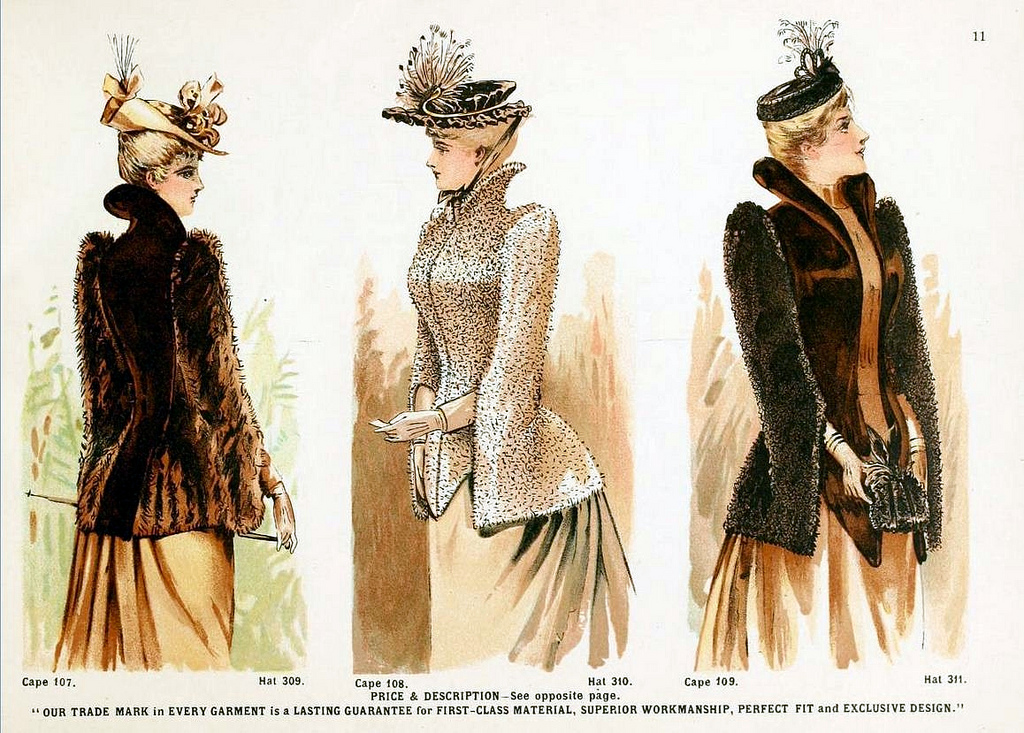
Product Design in Garment Manufacturing
Garment designers begin to materialize their ideas using hand sketches, off-the-rack garments, technical drawings, three-dimensional draping on dress forms, or computer-aided design (CAD)
Article
Apparel product development from tech packs to fit. Pattern, grading, sewing line balancing, quality, and compliance for brands and OEMs. This section explains practical decision criteria, typical test methods, and failure modes that matter in real production. Readers get checklists, calculation steps, and case examples connecting specifications to cost, reliability, and compliance. Links map core concepts to upstream inputs and downstream processes so choices remain consistent across sourcing, manufacturing, and end-use performance. Each article includes definitions, diagrams where helpful, and plain-language notes to help newcomers ramp quickly while giving experienced professionals the depth needed to troubleshoot and optimize. Standards references are cited with context, and whenever trade-offs exist, we make them explicit so you can defend decisions.
Garment designers begin to materialize their ideas using hand sketches, off-the-rack garments, technical drawings, three-dimensional draping on dress forms, or computer-aided design (CAD)
Article

A product or manufacturing specification should be used to test against when evaluating to check whether the product is correctly made. The manufacturing specification provides all the detailed information required to make the product.
Article

A lab dip is a swatch of fabric test dyed to hit a color standard. There are different matching systems followed in Labs such as Tube light matching, Sunlight matching, Ultra Violet matching, Sodium light matching etc.
Article
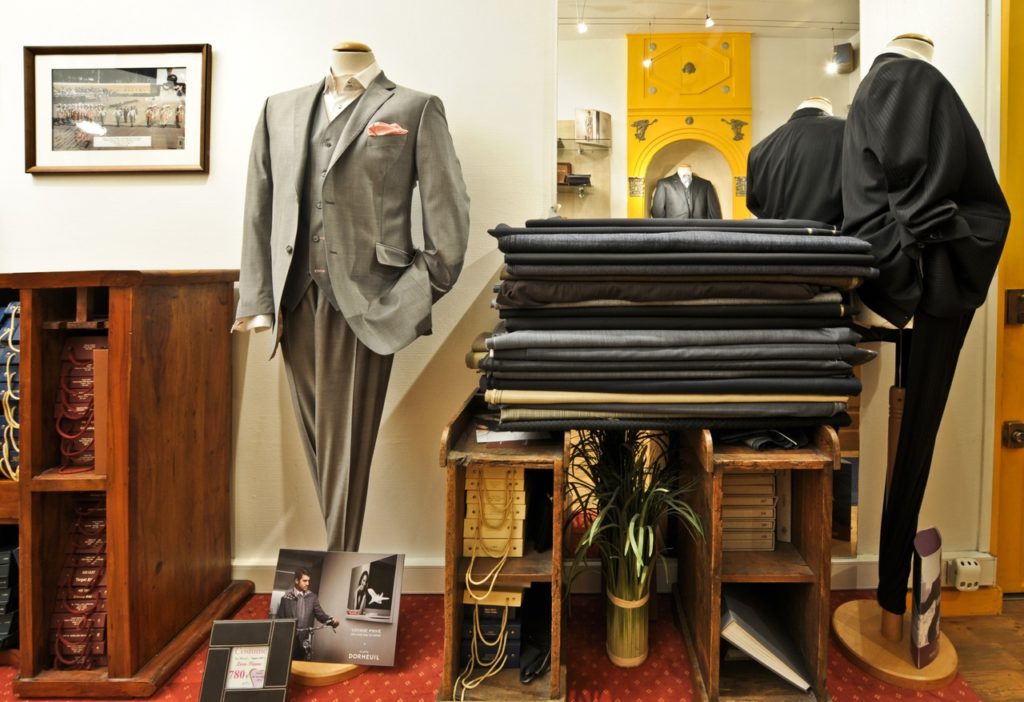
Garment samples are inevitably important and are developed tested before starting the bulk production. It means making a sample of the garment /fabric which requires to be sold. Sampling is one of the main process in Garment Industry and it has a vital role in attracting buyers. Because the buyers generally places the order after they are satisfied with the quality of the samples.
Article

Merchandising is the department which mediates marketing and production departments. It is Space optimization through effective Brand/Package allocation, focusing on gaining first position, providing greatest exposure of brands to all consumers, creating a consistent, orderly and clean appearance for the products, maximizing the use of POS to increase consumer awareness of brand and promotions.
Article

Costing is a very complex procedure, with set patterns and guidelines followed by the industry, and it is difficult to find out costs for every process there are some inbuilt costs while costing.Garment costing includes all the activities like purchase of raw materials and accessories, knitting fabrics, processing and finishing of fabrics, sewing, and packing of garments, transport, and conveyance, shipping, overheads, banking charges and commissions, etc.
Article

Packaging tape will stick to most surfaces merely by applying pressure. The tape is made of a coated adhesive, which is backed by a non-sticky materials like paper, foil, fabric, or movie. There are several different grades & types of packaging tape products to suit varying packing demands. Polyethylene plastic tapes or poly tapes, most commonly used for packaging and for sealing light weight carton boxes subject to normal shipping and transport hazards.
Article
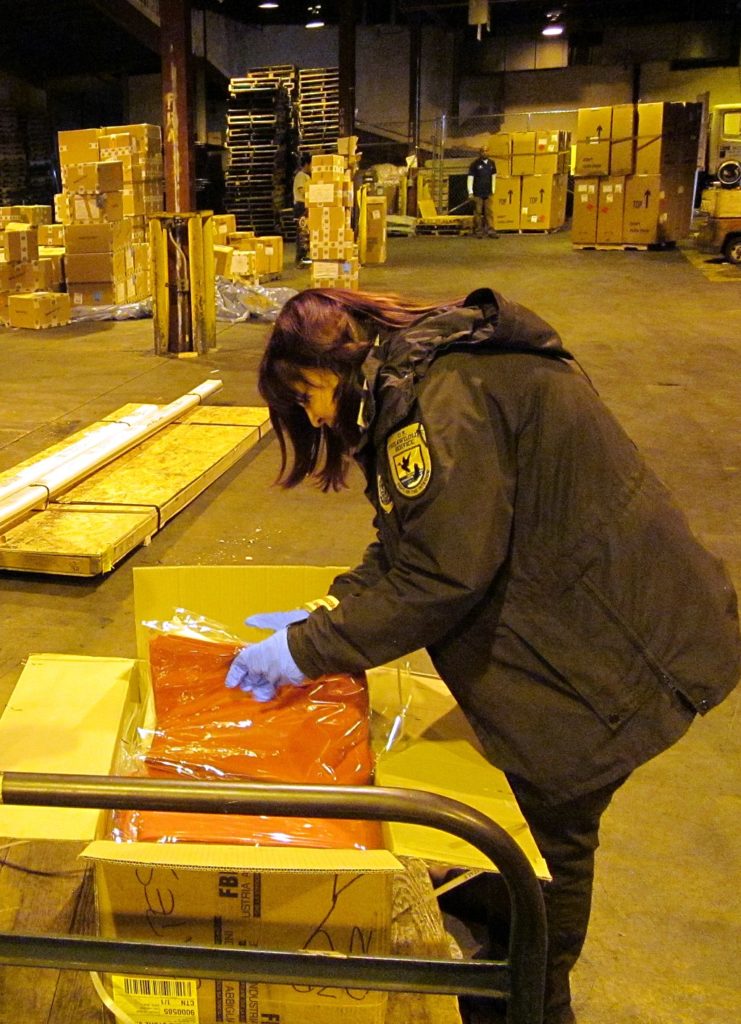
It becomes necessary to maintain the quality right from the production stage in order to deliver a satisfactory final product to the consumer with the right quality which in turn results in getting continuous orders from the same customers. The garment manufacturers inspect their products by designated responsible inspectors then only the right quality product will reach the consumer. Under quality assurance process, the bulk production is inspected before delivered to the customers.
Article

Testing is a valuable aid for textile production, distribution, and consumption. During textiles testing the variation of a fibre or fabric i.e. length, colour, fineness, threads per inch, cover factor, is detected properly. Continuous test of the textiles results a enhanced and efficient output of the production. By Apparel Testing we can evaluate and ensure the quality of the garments to be used by the end users.
Article
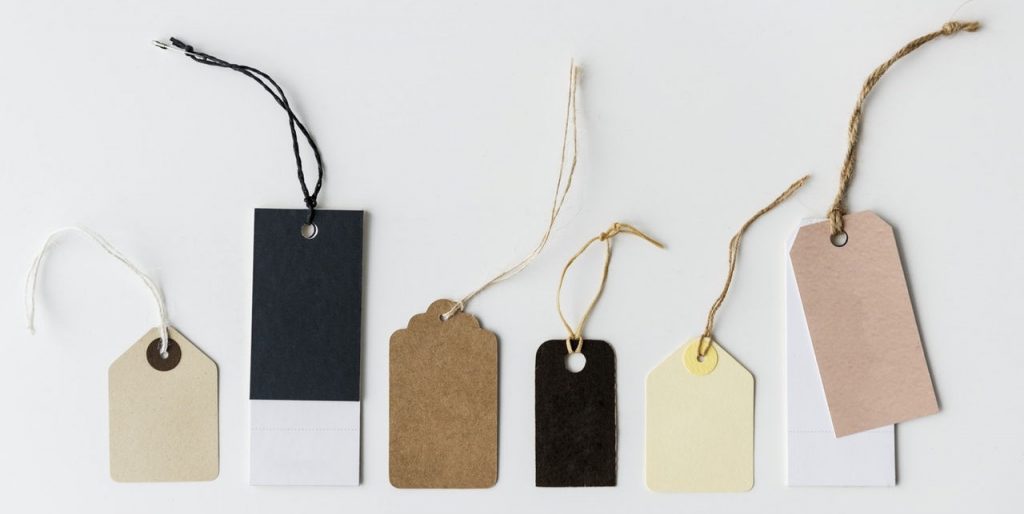
Symbols are written on labels, attached to textiles to indicate how a particular item should best be cleaned. Textile and apparel labels can help you consider alternative choices and make better buying decisions if you take time to read them. Permanent Care Labels (PCL) use symbols to explain how to care for wearing apparel and home sewing fabrics, so consumers need to learn the basic symbols.
Article
Every record in these registers was sent in by somebody. Submissions are reviewed before they are published.
1,481 machines in the register.Tell us about a missing one 302 event series in the register.Submit a trade fair or conference 3,037 standards tracked in the register.Get the changes by email each week