
Introduction
In a world where fashion and textile waste are reaching critical levels, the idea of a zero-waste textile design studio has transitioned from niche aspiration to essential practice. More than just a buzzword, zero-waste in textile design reflects a systemic rethinking of how materials, resources, and energy are used—and more importantly, how they are not wasted.
Creating a zero-waste studio doesn’t mean sacrificing creativity. Instead, it challenges designers to innovate within constraints, finding elegance in efficiency and beauty in waste reduction. Whether you’re a fashion entrepreneur, textile student, or seasoned manufacturer, building a zero-waste studio is a tangible way to align design practice with ecological values.
The Roots of Zero-Waste Design in Textiles
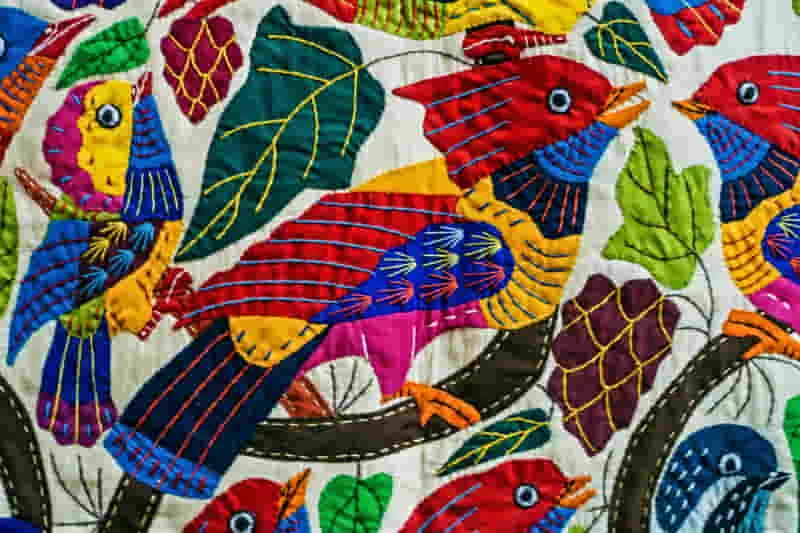
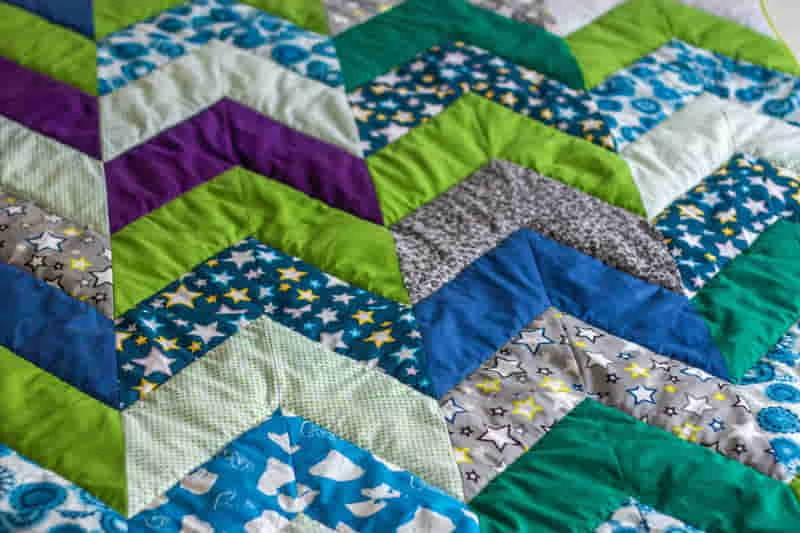
The origins of zero-waste thinking in textiles can be traced back to traditional practices. Historically, many cultures practiced circular material use out of necessity—patchwork quilting, Japanese boro, Indian kantha, and African kente weaving all emerged as functional solutions to fabric scarcity.
In modern times, pioneers like Timo Rissanen and Holly McQuillan brought zero-waste design into the academic and commercial spotlight. Their work emphasized pattern-making techniques that eliminate waste at the design stage rather than retrofitting solutions later. Today, with sustainability at the core of every major design curriculum and corporate ESG policy, the zero-waste studio is an achievable and impactful goal.
Understanding Waste in Textile Design Studios
To eliminate waste, first we must understand where it comes from. A conventional textile studio generates multiple waste streams:
| Type of Waste | Examples |
|---|---|
| Fabric Scraps | Off-cuts, selvages, trimmings |
| Pattern Paper | Mockups, test patterns, layout drafts |
| Dye and Chemical Waste | Leftover pigment, mordants, water discharge |
| Packaging | Plastic wrappers, cardboard rolls, thread cones |
| Energy Waste | Idle machines, inefficient lighting, overproduction |
Zero-waste design addresses all these points by creating a system of intentionality: designing with the end in mind.
Key Principles of a Zero-Waste Studio
Every zero-waste studio relies on several foundational principles:
- Design for Minimal Waste: Create patterns that utilize 100% of the fabric width.
- Material Transparency: Know the origin, composition, and end-of-life behavior of every input.
- Circular Thinking: Integrate reuse, repair, and recycling into the studio workflow.
- Smart Inventory Management: Buy only what is needed and prioritize deadstock and surplus sourcing.
- Closed-Loop Production: Reintegrate waste into new products or studio processes.
Setting Up Your Studio: Practical Steps
Creating a zero-waste design studio requires both mindset and material changes. Here’s a practical guide:
1. Start with an Audit
Analyze current waste output over a design cycle. Track how much fabric, energy, water, and materials are consumed and discarded. Use the data to set baseline KPIs.
2. Design Space Layout for Efficiency
Organize your studio to support easy sorting, reuse, and recycling:
- Separate bins for fabric off-cuts, paper scraps, and compostables
- Modular tables that adjust for fabric width
- Wall racks for storing reusable patterns and templates
3. Invest in Smart Tools
Choose machines and tools that help reduce resource consumption:
- Digital fabric cutters to minimize margin error
- Eco printers with refillable ink systems
- LED lighting and power-saving sewing machines
4. Use Digital Design Software
Programs like CLO 3D, TUKAcad, and Optitex let designers visualize garments and patterns without physical mockups. These tools reduce paper usage and prototype waste.
5. Build a Material Library
Include:
- Deadstock fabrics
- Upcycled textiles
- Natural, biodegradable fibers (hemp, Tencel, linen)
- Swatches labeled with supplier, composition, and care instructions
| Setup Area | Suggested Zero-Waste Tools |
|---|---|
| Pattern Table | Digital projector, magnetic rulers |
| Fabric Storage | Rollers with leftover fabric length labels |
| Cutting Station | Fabric catching bins, laser cutter |
| Dye Area | Water-efficient spray guns, natural dye vats |
Zero-Waste Design Techniques
Here are some widely adopted techniques to implement directly into your design process:
A. Zero-Waste Pattern Cutting
Patterns are designed to tessellate or interlock like puzzle pieces, leaving no unused fabric.
B. Modular Design
Garments composed of uniform modules (squares, rectangles) allow for fabric efficiency and easy repair.
C. Transformable Garments
Designs that adapt (reversible jackets, detachable parts) prolong usability and reduce waste.
D. Multi-Size Grading
Create patterns that can be easily adjusted without redrawing, saving time and paper.
Fabric Waste Upcycling Strategies
Even the best zero-waste designs may generate minor scraps. Repurpose them with creative methods:
- Textile Collage and Patchwork: For one-of-a-kind design surfaces
- Stuffing for Accessories: Use offcuts to fill pillows or cushion handles
- Binding and Piping: Turn narrow strips into finishings
- Yarn from Fabric: Twist narrow strips into weft yarn for handweaving
- Felted Composites: Combine fibers into new textile surfaces
Set up a dedicated “scrap zone” where materials are sorted by size, fiber type, and color for future use.
Sustainable Dyeing and Finishing
Dyeing and finishing often create unseen chemical waste. Adopt eco-conscious practices:
- Natural Dyes: Extracted from turmeric, indigo, madder, onion skins
- Bio-Based Mordants: Alum, soy milk, or tannin-rich teas
- Closed-Loop Water Systems: Collect, filter, and reuse water
- Low-Impact Synthetic Dyes: Certified by OEKO-TEX® and GOTS
- Bundle Dyeing: Uses scraps and steam to create abstract prints
Inventory and Sourcing for Zero Waste
Mindful material selection reduces future waste:
- Purchase by design need, not trend
- Choose biodegradable or compostable materials
- Ask for minimal packaging from suppliers
- Partner with mills for offcut bundles
Create a “materials board” with real-time stock updates and design suggestions for leftover quantities.
Team Culture and Education
A zero-waste studio thrives on collective accountability:
- Hold weekly waste audits
- Encourage open communication on trial-and-error approaches
- Celebrate successful zero-waste designs as case studies
- Offer training sessions on new techniques and tools
When waste becomes a design challenge, not a problem, creativity flourishes.

Real-World Examples of Zero-Waste Studios
- Daniel Silverstein (Zero Waste Daniel): Creates garments entirely from textile waste, with a traceable scrap system.
- Tonlé (Cambodia): Every production step from design to packaging follows zero-waste principles.
- Make/Use (New Zealand): Open-source patterns and community engagement in waste-free design.
These studios prove that a zero-waste approach is both viable and creatively rewarding.
Challenges and Solutions
| Challenge | Solution |
|---|---|
| Learning Curve | Provide training and tutorials on pattern techniques |
| Material Limitations | Mix deadstock with new sustainable textiles |
| Scaling Designs | Use digital markers and nesting algorithms for mass cuts |
| Consumer Expectations | Educate customers on the value of zero-waste uniqueness |
Future Trends in Zero-Waste Textile Design
- Blockchain Fabric Tracking: For transparency from fiber to studio
- AI-Assisted Cutting Algorithms: Optimize every square inch
- On-Demand Production: Eliminate overstock and backroom waste
- Local Loop Studios: Circular microfactories connected to local ecosystems
- Biodesign: Growing materials (like bacterial cellulose) to exact size
These advances will further empower textile studios to embrace zero waste as a core design strategy.
Summary
A zero-waste textile design studio is not just a sustainable ideal—it is a creative powerhouse for innovation, ethics, and resourcefulness. Through intentional planning, thoughtful sourcing, modern tools, and continuous education, any studio—regardless of size—can reduce its environmental footprint and become part of the circular design movement.
In an industry ready for transformation, the zero-waste studio stands as both a practical solution and a bold statement: design doesn’t have to cost the Earth.
Citations:
- Zero Waste Design Collective: https://zerowastedesign.org
- Fashion Revolution – Sustainable Studio Practices: https://www.fashionrevolution.org/resources
- Ellen MacArthur Foundation – Circular Economy in Fashion: https://ellenmacarthurfoundation.org/topics/fashion/overview





I love how this zero-waste textile studio approach turns sustainability into a creative challenge rather than a limitation. Repurposing scraps, planning patterns carefully, and keeping an inventory of leftover materials can make a huge difference while also inspiring unexpected designs. It reminds me of how fnaf builds tension from limited resources—every choice matters, and small details can create a memorable experience. I also appreciate the focus on local sourcing and durable tools, since reducing waste is about long-term habits, not just one project. Which zero-waste technique from the post would you try first in your own textile workspace?
The patterns are truly outstanding! Impressive to follow and discover many new values. roblox clicker scratch
That’s a good idea
Excellent article! I appreciate that you focused on practical, achievable steps rather than just discussing sustainability in theory. The suggestions on zero-waste pattern cutting, smarter material sourcing, and reusing fabric scraps show that even small changes in a design studio can have a meaningful environmental impact. This is a valuable resource for textile students, designers, and anyone interested in building more sustainable production practices. Thanks for sharing these actionable insights!
Really loved your insights on creating a zero-waste studio! It’s inspiring to see practical tips that blend creativity with sustainability. Have you considered incorporating recycled materials from local sources?
nice post
nice post with useful information