Production

Line design, WIP control, takt, SMV, industrial engineering, and real-time quality assurance. This section explains practical decision criteria, typical test methods, and failure modes that matter in real production. Readers get checklists, calculation steps, and case examples connecting specifications to cost, reliability, and compliance. Links map core concepts to upstream inputs and downstream processes so choices remain consistent across sourcing, manufacturing, and end-use performance. Each article includes definitions, diagrams where helpful, and plain-language notes to help newcomers ramp quickly while giving experienced professionals the depth needed to troubleshoot and optimize. Standards references are cited with context, and whenever trade-offs exist, we make them explicit so you can defend decisions. The coverage also includes metrics, data tables, and example calculations so results are reproducible. Where regulations apply, we highlight jurisdiction, scope, and verification pathways. Tools and templates are provided to speed up daily work without sacrificing rigor.


skirts

Types of skirts

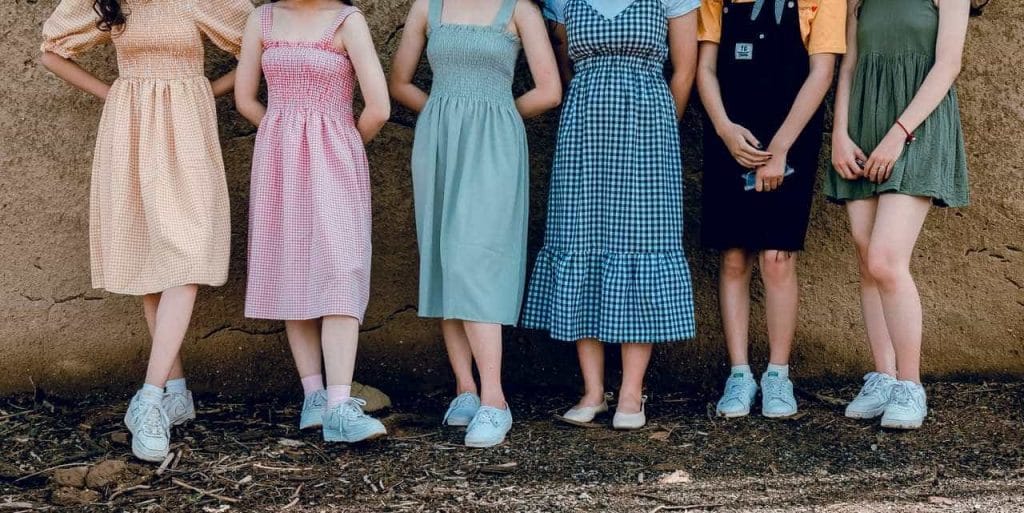
Skirt is something that covers the lower part of the body especially for girls, women or ladies. Skirts come in a variety of shapes and styles and they are essential items in women’s wardrobes. Skirts are more elegant and easy to wear and besides they can be worn in all occasions. It is easier to design skirt than any other garment. In today’s fashion world we find a variety of types of skirt which can be categorized based on size, fabric, and design. The silhouette can be narrow, flared or bouffant. Even straight skirts can vary from extremely tight and narrow at the hem to slightly A-lined. Here is a brief description of the variety of skirt types being used on their vast types.

Read more »

Article

placket sample

Types of Plackets in garment making

Plackets are particularly seen in women’s garments which have a good fit. They are usually found near the writs, neckline, waist line and other comfort fitting parts of the garment. These are finished openings which are normally kept closed (to have a tight fit) and are opened only while wearing or taking off the garment. Fastneres like zippers, buttons, buttonholes, hooks are used in keeping the plackets closed.

Read more »

Article

safety tools

Work safety, risk assessments, and standards

In a factory environment, the factors of risk are high since the workers constantly interact with numerous machinery, processes, and practices. The risk can be reduced by assessing and listing them, training the workers, introducing safety measures, emergency incident practice drills, displaying signboards, and following standard procedures and practices. This article list out a few of the risk assessment methods and standards.

Read more »

Article

iron box

Types of Pressing machinery and equipment

Ironing and pressing machines are vital components of the garment industry, contributing significantly to the quality, appearance, and efficiency of clothing production. Understanding the various types of machines, their functions, and their applications is essential for garment manufacturers to make informed decisions and optimize their production processes. Whether it’s achieving wrinkle-free finishes, customizing garments with graphics, or ensuring the precision of seams and creases, the right ironing and pressing machine plays a pivotal role in delivering high-quality clothing items to consumers. As the garment industry continues to evolve, these machines will remain indispensable tools, driving innovation and excellence in garment manufacturing processes.

Read more »

Article

iron box components

Pressing Machines and Iron Manufacturing: A Comprehensive Technical Guide

This comprehensive guide explores the manufacturing processes of irons and the technical components of industrial pressing machines. From material selection and construction to the four fundamental pressing elements—steam, pressure, drying, and time—this article provides essential knowledge for textile professionals and manufacturing engineers.

Read more »

Article

What are Notches in garment making.

What are Notches in garment making?

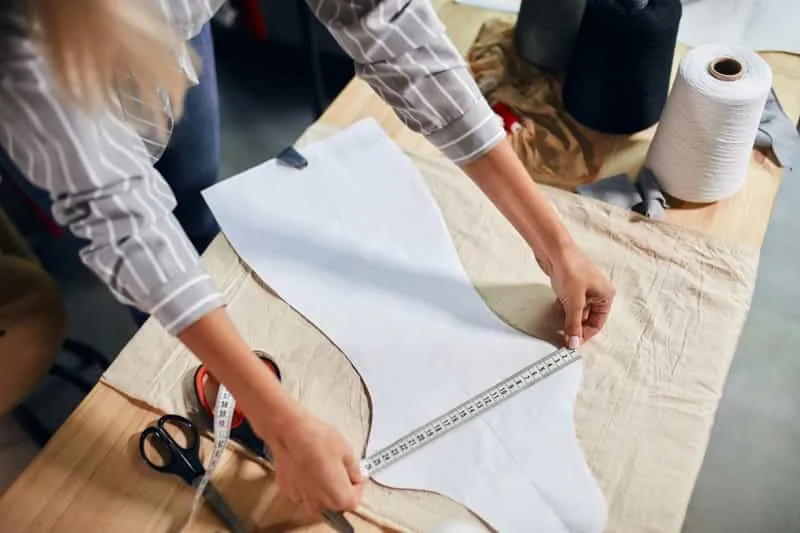
After all the pattern pieces are cut, you can begin marking each piece. It provides “road signs” showing where to sew and press. It will also speed your sewing time when done correctly. Marking will take only a little time and is not as tiring as using the tracing wheel or placing the pattern back on the fabric to look for a lost detail. There are 2 types of notches Pattern notches and center notches.

Read more »

Article

Scroll to Top