garment

Home » garment » Page 6
garment sampling

Garment Sampling

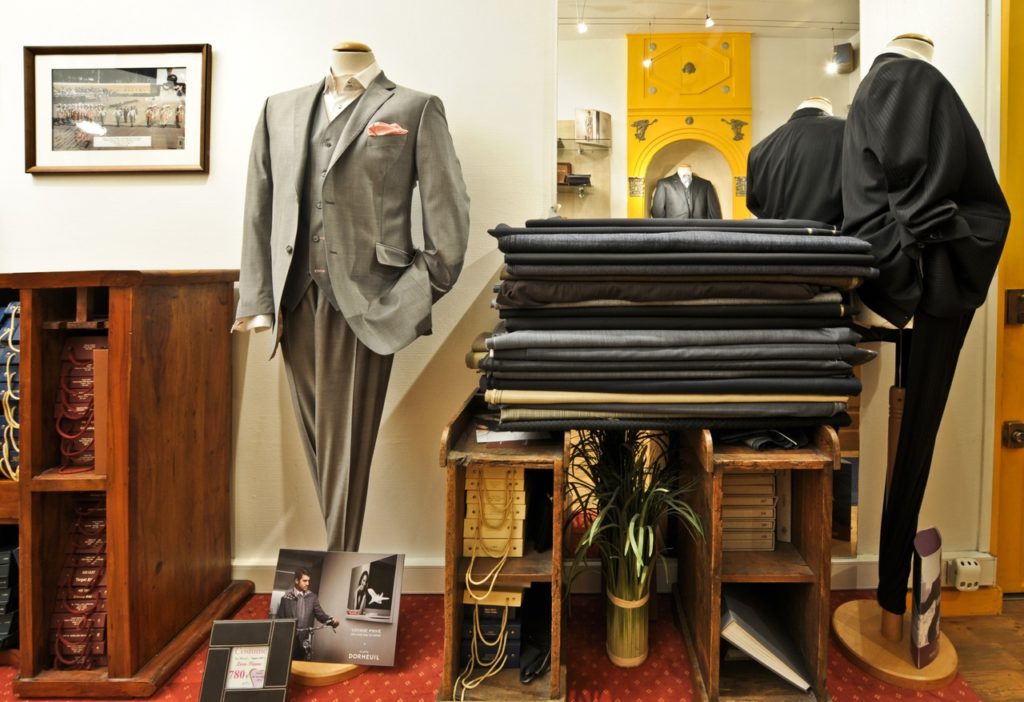
Garment samples are inevitably important and are developed tested before starting the bulk production. It means making a sample of the garment /fabric which requires to be sold. Sampling is one of the main process in Garment Industry and it has a vital role in attracting buyers. Because the buyers generally places the order after they are satisfied with the quality of the samples.

Garment Sampling Read More »

garment costing

Garment Costing

Costing is a very complex procedure, with set patterns and guidelines followed by the industry, and it is difficult to find out costs for every process there are some inbuilt costs while costing.Garment costing includes all the activities like purchase of raw materials and accessories, knitting fabrics, processing and finishing of fabrics, sewing, and packing of garments, transport, and conveyance, shipping, overheads, banking charges and commissions, etc.

Garment Costing Read More »

textile-labelling

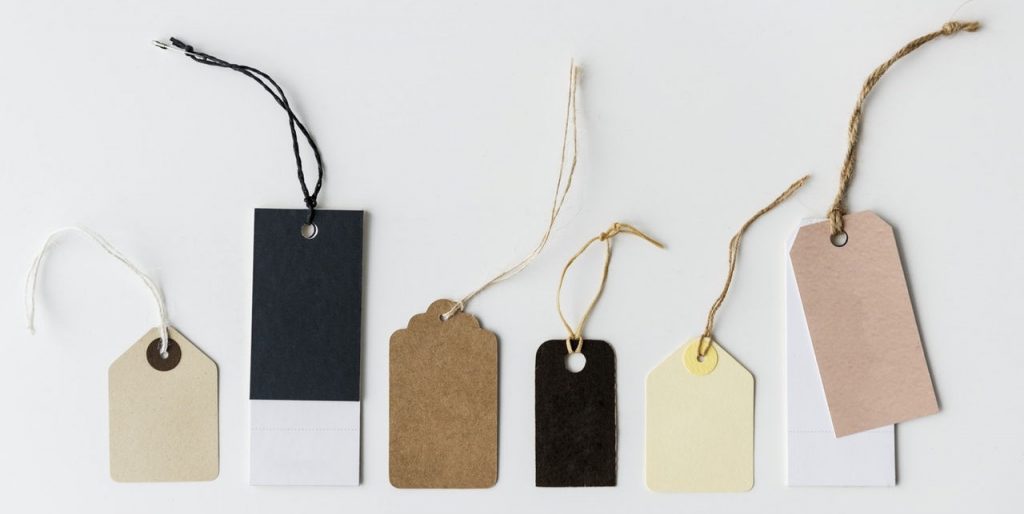
Labels used on Textile Articles

Symbols are written on labels, attached to textiles to indicate how a particular item should best be cleaned. Textile and apparel labels can help you consider alternative choices and make better buying decisions if you take time to read them. Permanent Care Labels (PCL) use symbols to explain how to care for wearing apparel and home sewing fabrics, so consumers need to learn the basic symbols.

Labels used on Textile Articles Read More »

Buttons in Garment Manufacturing

Buttons are small instruments use to fasten two parts of a garment. It is an element that makes the difference and enhances a men’s or women’s garment, a leather item, a pair of jeans. Elegant and classical buttons mean style; the perfectly shaped and colored button is a design feature. Buttons are of different material, color, and shape, and they allow the wearer’s personality to stand out, enhancing a garment, a leather item, or some jeans.

Buttons in Garment Manufacturing Read More »
garment decoration

Fabric enhancements using decorative components

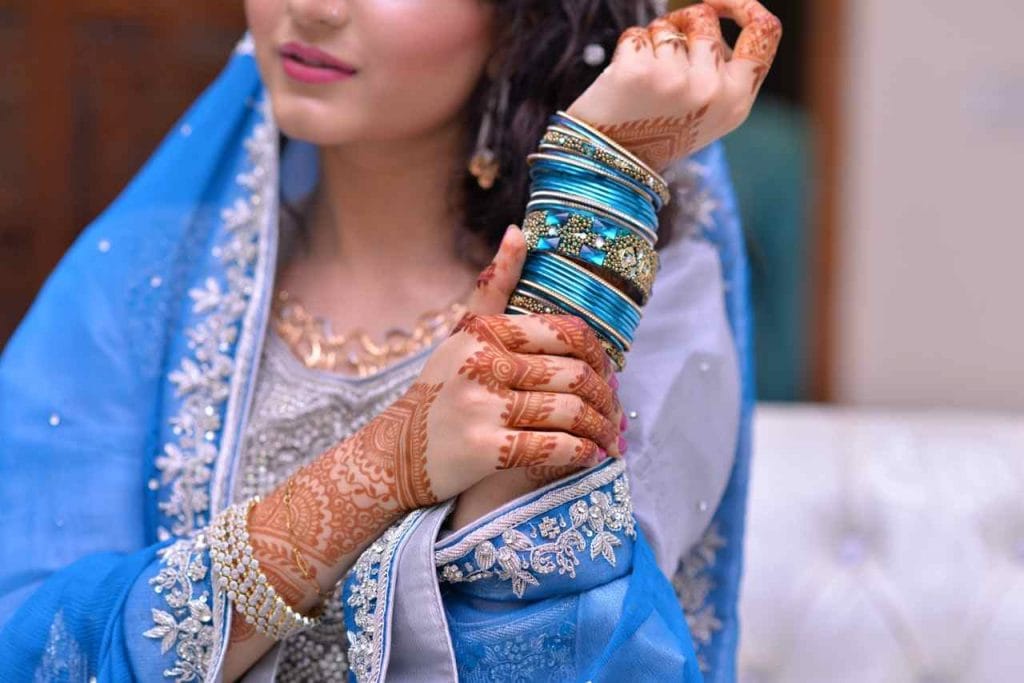
Not too long ago, the vast majority of apparel decorators were specialists of embroiderers or screen-printers. Now more and more companies are adding additional decoration methods to increase their profitability? and more importantly, keep their customer at home. Garments are decorated based on the end usage by affixing sequins, rhinestones, embroidery etc. to enhance the appearance of the final products.

Fabric enhancements using decorative components Read More »

jeans seam

Garment construction techniques

Seam types are the place where two pieces of fabric are joined by application of a series of stitches or stitch types with a defined geometry. Over the years there are a number of different types of seams that have been developed to do different jobs. Many have largely been superseded by the development of machine stitches that finish as you sew them, and by the development of the overlocker (or serger in some parts of the world), it is useful to know some of the basic seams types and finishes.

Garment construction techniques Read More »

Programmable sewing machine

Feeding Systems of Sewing Machines

Material feed is the controlled movement of the material being sewn from one stitch position to the next. Different feeding mechanisms available are for sewing fabrics. Some of them are Manual feed, Feed dog, Drop Feed, Needle Feed (Upper pivot needle Feed, Central pivot needle Feed, Parallel drive needle Feed), Wheel feed, Rotary feed, Upper Feed(Vibrating Presser Foot, Alternating Presser Foot, Top Feed, Jump Foot, Walking Foot, Spring action asking Foot, Driven walking Foot, Wheel feed.

Feeding Systems of Sewing Machines Read More »

Scroll to Top