Apparel/Garments

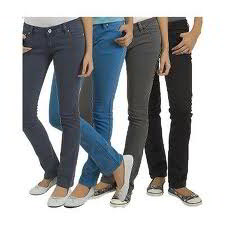
Textile products used for clothing is broadly termed as Apparel or Garments. Garment making is one of the basic content of fashion designing. Proficiency in the art of sewing is an essential pre-requisite in garment making. There are Woven garments and Knitted garments. Shirts, trousers, sarees, bed spreads, blankets, towels and made ups are Woven. T-Shirts, sweatshirts, undergarments, pyjamas and socks are Knits.

Previous Topic » Textile Finishing
Next Topic » Garment Engineering

Introduction

garments

Garment making is one of the basic content of fashion designing. Proficiency in the art of sewing is an essential pre-requisite in garment making. Therefore, it is necessary to know the techniques of sewing for producing attractive garments with good fit. Garment making is thus a technical accomplishment that requires knowledge of fabrics, principles of clothing construction and skills involved in it. This depends on the ability to select the correct fabric, colour, design and accessories to suit an individual occasion. A garment that is made will be attractive if it fits well and proper attention is paid to its finer details.

There are 2 types of garments. One is Woven garments. Another is Knitted garments. Shirts, trousers, sarees, bed spreads, blankets, towels and made ups are Woven. T shirts, sweatshirts, undergarments, pyjamas and socks are Knits.

Woven fabrics are made in hand looms, power looms and mill made. Making woven fabrics is simple. But yarn counts, reed & picks (warp & weft), width should be considered with more care. The fabric quality is made differently by various methods of finishing and treating.

Knit fabrics are made in different kinds of knitting machines. According to the structure of fabrics, they are called by different names. The mainly used fabrics are Jersey, Pique, Interlock, Rib, French Rib, Flat back rib, Loop knit, Fleece, Polar fleece and Jacquards. The knit garments can be made in solid dyed or all over printed or yarn striped or jacquard fabrics.


Garment Manufacturing Process Overview

Garment manufacturing processes include all activities from the point when textiles are received at the factory, to when retail-ready garments are shipped to the distributor. Some processes—such as fabric relaxing, cutting, and sewing—occur in the manufacturing of all garments. Other optional processes may also be performed as specified by the customer, including such things as embroidering, screen printing, and laundering. Depending on the size of the manufacturing facility, some garment manufacturers choose to subcontract those optional processes.
receive fabric

Receive Fabric

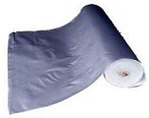
  • Garment factories receive fabrics from overseas textile manufacturers.
  • Material is temporarily stored in a warehouse until needed for manufacturing.
fabric relaxing

Fabric Relaxing

  • Fabric bolts are unrolled to allow material to relax and contract.
  • Fabric relaxing minimizes shrinkage during washing.
fabric spreading and cutting

Spreading, Form Layout, and Cutting

  • The fabric is cut into uniform plies and spread onto the cutting surface.
  • Forms are then laid out on the top of the spread, and the fabric is cut to the pattern shapes.
  • Cutting is performed manually or using a computerized system.
embroidery and screen printing

Embroidery and Screen Printing

  • Optional customer-requested services may be performed to put logos or other embellishments on garments.
sewing

Sewing

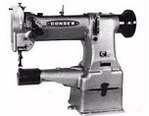
  • Garments are sewn in an assembly-line manner, with the garment becoming more complete as it progresses down the sewing line.
  • This step is labor-intensive.
spot cleaning and laundry

Spot Cleaning and Laundry

  • Cosmetic flaws, stains, or other spots identified on an assembled garment may be cleaned using steam, hot water, or chemical stain removers.
  • Customers may require a garment to be fully laundered after it is sewn and assembled.
ironing

Ironing

  • Each garment is manually pressed and then folded prior to packaging.
packaging and shipping

Packaging and Shipping

  • Garments are tagged, sized, and packaged according to customer specifications and then shipped to client distribution centers.
  
« Previous Topic
Textile Finishing
Next Topic »
Garment Engineering
Textile Finishing is any operation (other than preparation and colouring) that improves the appearance and/or usefulness of fabric after it leaves the loom or knitting machine. Finishing is the final series of operations that produces finished textile fabric from grey goods. Textile finishing usually includes treatments such as scouring, bleaching, dyeing and/or printing, the final mechanical or chemical finishing operations etc.Garment engineering is a questioning technique, it questions each process/operation of the total work content and by using innovative methods of construction and technology you can reduce the work content and increase profitability.
Sections in this Topic  Garment Engineering  Characteristics of well finished garments  Preparation of materials for garment production  Apparel Manufacturing Processes  Support Operations for Garment Manufacturing  Garment Apparatus  Garment Accessories  Merchandising  Garment Sampling  Fabric Sourcing  Purchase Department  Fabric Auditing  Apparel Terms