
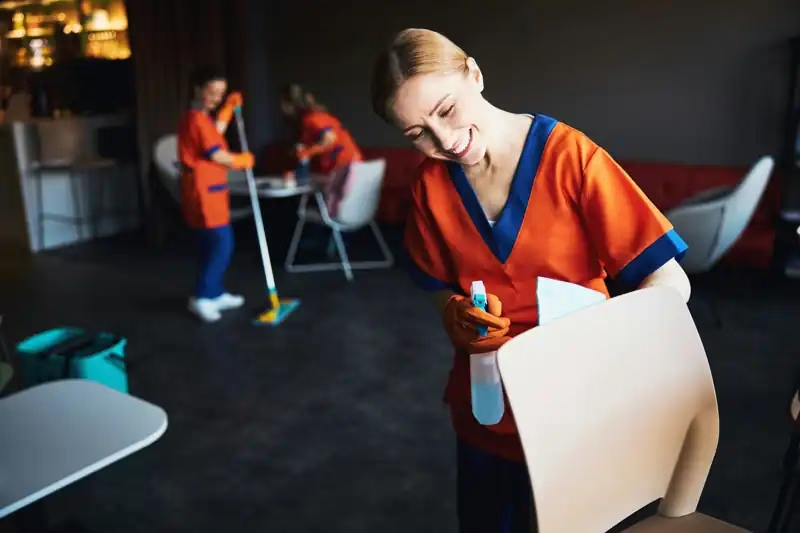
The global workwear and uniform industry stands as a robust sector valued at $65.12 billion in 2025, with an expected annual growth rate of 4.30% till 2031. This comprehensive analysis examines the world’s leading manufacturers who shape this essential industry, focusing on their specializations across industrial safety wear, healthcare uniforms, military apparel, and corporate workwear. From established giants like VF Corporation to specialized manufacturers like Propper International, these companies drive innovation in protective fabrics, ergonomic design, and industry-specific functionality.
Introduction to the Global Workwear and Uniform Industry
The workwear and uniform manufacturing sector represents a critical component of the global textile industry, serving diverse markets from healthcare and hospitality to heavy industry and military applications. Unlike fashion apparel, workwear demands specialized engineering that prioritizes functionality, durability, safety, and regulatory compliance alongside comfort and professional appearance.
The global workwear and uniform market was valued at USD 35.7 billion in 2024 and is expected to grow to USD 38.34 billion in 2025, reaching USD 68.2 billion by 2033, with a projected CAGR of 7.4% during the forecast period. This growth trajectory reflects increasing workplace safety regulations, expanding healthcare sectors, and rising demand for professional uniforms across service industries globally.
The industry’s complexity stems from its diverse end-user requirements, ranging from flame-resistant fabrics for petrochemical workers to antimicrobial textiles for healthcare professionals. Understanding which manufacturers lead in specific sectors helps procurement professionals, textile students, and industry analysts navigate this specialized market effectively.
Market Structure and Key Industry Players
Leading Global Manufacturers by Market Position
The major players in the market are VF Corporation, Alsico NV, Barebones Workwear, Inc., Cintas Corporation, Williamson-Dickie Mfg. Co., LLC, Engelbert Strauss GmbH & Co. KG, Fristads AB, VP Capital, Hejco Yrkesklader, Johnson Service Group PLC. These companies represent the industry’s backbone, combining manufacturing expertise with distribution networks that serve global markets.
The fragmented nature of the workwear industry means that the top five manufacturers of Uniforms & Workwear are VF Corporation, Williamson Dickie, Alsico, Fristads Kansas Group and Carhartt. Top five company production only took up about 2.65% of the global market in 2016. This fragmentation creates opportunities for specialized manufacturers to serve niche markets while larger corporations focus on volume production and broad market coverage.
Geographic Distribution and Regional Strengths
The global workwear industry exhibits strong regional characteristics, with North American manufacturers like VF Corporation and Carhartt excelling in heavy-duty industrial wear, European companies like Fristads leading in high-visibility and flame-resistant garments, and Asian manufacturers increasingly dominating cost-competitive segments while improving quality standards.
Industrial Workwear Specialists
VF Corporation – The Global Giant
VF Corporation stands as the world’s largest workwear manufacturer, operating through multiple brand portfolios that serve diverse industrial sectors. The company’s strength lies in its comprehensive approach to workwear, combining innovative fabric technologies with extensive distribution networks and strong brand recognition.
Key Brands and Specializations:
- Red Kap: Focuses on automotive, food service, and general industrial applications
- Bulwark: Specializes in flame-resistant protective apparel
- Horace Small: Serves public safety and security markets
- Workrite: Develops advanced flame-resistant technologies
VF Corporation’s research and development investments have yielded breakthrough technologies in moisture management, flame resistance, and ergonomic design. Their vertical integration capabilities allow control over the entire production process, from fiber development to finished garment distribution.
Carhartt Inc. – Heritage and Innovation
Founded in 1889, Carhartt has built an unparalleled reputation for durable workwear that withstands the most demanding conditions. The company’s focus on understanding worker needs has driven continuous innovation in fabric construction, garment design, and protective features.
Specialization Areas:
- Construction and building trades
- Agricultural and farming applications
- Automotive and mechanical services
- Outdoor and utility work
Carhartt’s signature duck canvas and other proprietary fabrics represent decades of refinement based on real-world performance feedback. The company’s commitment to durability over fashion trends has created a loyal customer base that values long-term value and reliability.
Red Kap – Industrial Heritage Since 1960
By 1960, Red Kap has cemented its position as a major player in the workwear industry. Today, they provide high-quality and durable workwear for automotive, transportation, food & culinary, landscaping, manufacturing, maintenance, specialty trade, construction, waste management, food processing.
Red Kap’s success stems from understanding the specific requirements of different industries and developing tailored solutions. Their extensive product line includes specialized garments for:
- Automotive Industry: Coveralls and shop shirts designed for mechanical work
- Food Service: Garments meeting food safety and hygiene standards
- Manufacturing: Industrial uniforms with enhanced durability features
- Maintenance: Practical designs with multiple pockets and tool attachments
Williamson-Dickie Manufacturing Company (Dickies)
Dickies has evolved from a small bib overall company to a global workwear leader serving multiple industries. Dickies® B2B offers workwear used in the manufacturing industry. Find professional uniforms for factory workers such as shirts, pants, jeans, shorts, jackets, jeans, coveralls, overalls, etc.
The company’s manufacturing expertise spans traditional workwear categories while expanding into lifestyle and fashion-influenced designs that appeal to younger workers who demand both functionality and style.
Fristads Kansas Group – European Leadership
A leader in Europe, Fristads Kansas has been providing premium workwear since the 1920s. The company offers high-visibility clothing, flame-resistant garments, and durable workwear. With a presence in over 20 countries, Fristads Kansas is recognized for its expertise in specialized protective clothing.
Core Competencies:
- High-visibility safety apparel for construction and utilities
- Flame-resistant clothing for petrochemical industries
- Professional workwear for service industries
- Weather-resistant outdoor work clothing
Fristads’ European base provides advantages in serving markets with stringent safety regulations and quality standards, making them a preferred supplier for companies requiring EN and ISO certified protective apparel.
Healthcare Uniform Manufacturers
Cintas Corporation – Comprehensive Service Solutions
Cintas Corporation represents a unique model in the uniform industry, combining manufacturing with comprehensive uniform rental and maintenance services. This approach serves healthcare facilities that prefer outsourced uniform management over direct purchasing.
Healthcare Specializations:
- Scrubs and medical uniforms for hospitals and clinics
- Laboratory coats and protective apparel
- Specialized garments for surgical and sterile environments
- Antimicrobial and stain-resistant fabric technologies
Cintas’ service model includes garment design, manufacturing, distribution, cleaning, and replacement, providing healthcare facilities with turnkey uniform solutions that ensure consistent appearance and hygiene standards.
Specialized Healthcare Uniform Brands
The healthcare uniform sector includes numerous specialized manufacturers who focus exclusively on medical apparel:
Cherokee Uniforms: Known for fashionable scrubs that combine professional appearance with comfort and functionality. Their designs often incorporate stretch fabrics, moisture-wicking properties, and ergonomic fits designed for long shifts.
Barco One: Focuses on premium scrubs with advanced fabric technologies including four-way stretch, wrinkle resistance, and soil release properties. Their products target healthcare professionals who prioritize both performance and style.
WonderWink: Develops innovative scrub fabrics with technologies like Renew (made from recycled bottles) and FreshTech (antimicrobial properties), appealing to environmentally conscious healthcare facilities.
Innovation in Healthcare Textiles
Healthcare uniform manufacturers invest heavily in developing fabrics that address specific medical environment challenges:
- Antimicrobial Properties: Built-in treatments that inhibit bacterial growth
- Fluid Resistance: Barrier properties that protect against spills and splashes
- Easy Care: Fabrics that maintain appearance after repeated industrial washing
- Comfort Features: Stretch, breathability, and moisture management for long shifts
Military and Tactical Apparel Specialists
Propper International – Military Heritage
Propper International, the leading manufacturer of high quality tactical gear and apparel for Military, Law Enforcement, Fire, EMS, Security and Corrections since 1967. For over 57 years, we have been a top supplier of the U.S. Armed forces, providing specialized military uniforms and tactical gear.
Military Product Categories:
- Combat uniforms meeting military specifications
- Flight suits for aviation personnel
- Dress uniforms for ceremonial occasions
- Specialized gear for different military branches
Flight crew members can choose from a variety of flight suits that are compliant with U.S. military uniform specifications. Propper military apparel is available in styles and sizes for both men and women.
Propper’s success in military contracting stems from their understanding of military requirements, quality standards, and the ability to scale production for large government contracts while maintaining consistent quality and specification compliance.
5.11 Tactical – Law Enforcement Innovation
5.11 Tactical creates purpose-built apparel and gear designed specifically to enhance the safety, accuracy, speed, and performance of first responders and tactical enthusiasts worldwide. The company has revolutionized tactical apparel by incorporating user feedback from law enforcement and military personnel into product development.
Key Innovations:
- Integrated equipment attachment systems
- Advanced fabric blends for durability and mobility
- Concealed carry-friendly designs
- Multi-environment camouflage patterns
Specialized Military Contractors
The military uniform sector includes numerous specialized contractors who serve different branches and requirements:
Government Contractors: Companies that focus exclusively on military contracts, often specializing in specific garment types or military branches. These manufacturers must meet strict quality standards, security clearance requirements, and delivery schedules.
Tactical Equipment Manufacturers: Companies that expand beyond uniforms to include tactical gear, protective equipment, and specialized accessories that complement military and law enforcement uniforms.
Corporate and Service Industry Uniform Providers
Alsico NV – European Corporate Solutions
Alsico represents the European approach to corporate uniforms, emphasizing style, sustainability, and brand representation. The company serves industries where professional appearance directly impacts customer perception and brand image.
Industry Specializations:
- Hospitality and hotel industry uniforms
- Airline and transportation company apparel
- Retail and customer service uniforms
- Corporate office and administrative wear
Aramark Uniform Services
Aramark provides comprehensive uniform solutions similar to Cintas, but with particular strength in hospitality and food service sectors. Their approach combines uniform design and manufacturing with complete program management.
Specialized Service Sector Providers
Different service industries require specialized uniform solutions:
Restaurant and Food Service: Uniforms must meet food safety standards while projecting appropriate brand images. Manufacturers focus on easy-care fabrics, stain resistance, and temperature management.
Hospitality Industry: Hotel and resort uniforms require sophisticated design that reflects brand luxury while providing comfort for service staff. Fabric selection emphasizes appearance retention and comfort.
Transportation: Airline, railroad, and bus company uniforms must project professionalism while meeting safety requirements and providing comfort during long shifts.
Regional Manufacturing Hubs and Emerging Players
North American Dominance
The United States maintains the world’s largest workwear market and hosts many leading manufacturers. U.S. workwear market thrives on a diverse economy and regulatory enforcement. In 2024, brands like Carhartt, Red Kap, and 5.11 Tactical focused on integrating anti-microbial, flame-resistant, and moisture-wicking technolo…
American manufacturers excel in:
- Heavy industrial workwear
- Advanced protective technologies
- Large-scale distribution systems
- Innovation in performance fabrics
European Technical Leadership
European manufacturers lead in technical innovation and regulatory compliance, particularly in safety-critical applications. Companies like Fristads, Engelbert Strauss, and Helly Hansen Professional have established reputations for high-quality protective workwear.
European strengths include:
- Advanced safety certifications (EN standards)
- Sustainable manufacturing practices
- High-visibility and flame-resistant technologies
- Premium quality and durability
Asian Manufacturing Growth
Asian manufacturers increasingly serve global markets with competitive pricing and improving quality. Countries like Bangladesh, Vietnam, and China host numerous workwear manufacturers serving both domestic and export markets.
Welking Garment is among the largest uniform companies, with at least eight state-of-the-art production lines. This supplier manufactures premium products like personal protective gear, flame-retardant fabrics, and high-visibility safety apparel.
Technological Innovation and Future Trends
Smart Textiles Integration
The workwear industry increasingly incorporates smart textile technologies that enhance worker safety and productivity:
Monitoring Systems: Fabrics embedded with sensors that track vital signs, environmental conditions, or worker location for safety management.
Communication Integration: Uniform designs that accommodate communication devices, GPS systems, and emergency notification equipment.
Environmental Response: Fabrics that change properties based on temperature, humidity, or chemical exposure to enhance worker comfort and safety.
Sustainable Manufacturing Practices
Environmental concerns drive innovation in sustainable workwear manufacturing:
Recycled Materials: Incorporation of recycled fibers and plastic bottles into workwear fabrics.
Eco-Friendly Treatments: Development of non-toxic flame retardants, antimicrobial treatments, and water-resistant finishes.
Circular Economy: Programs for uniform recycling and remanufacturing to reduce waste.
Advanced Performance Features
Modern workwear incorporates increasingly sophisticated performance features:
Moisture Management: Multi-layer fabric systems that move perspiration away from skin while maintaining insulation or cooling properties.
Ergonomic Design: Computer-aided design that optimizes fit and movement for specific work activities.
Multi-Hazard Protection: Single garments that provide protection against multiple workplace hazards including flames, chemicals, and electric arc.
Quality Standards and Regulatory Compliance
International Standards
Workwear manufacturers must comply with various international standards:
ISO Standards: Quality management systems and specific product performance standards.
EN Standards: European safety and performance standards for protective clothing.
ANSI Standards: American National Standards Institute requirements for high-visibility and protective apparel.
NFPA Standards: National Fire Protection Association standards for flame-resistant clothing.
Industry Certifications
Leading manufacturers invest in certifications that validate their quality systems and product performance:
Third-Party Testing: Independent verification of fabric performance, durability, and safety characteristics.
Manufacturing Certifications: ISO 9001, ISO 14001, and industry-specific quality management certifications.
Supply Chain Compliance: Ethical manufacturing certifications and social responsibility standards.
Market Challenges and Opportunities
Supply Chain Resilience
Recent global events have highlighted the importance of resilient supply chains in workwear manufacturing. Companies are diversifying sourcing, increasing inventory levels, and developing regional manufacturing capabilities to ensure consistent product availability.
Customization and Personalization
Growing demand for customized workwear drives investment in flexible manufacturing systems that can economically produce smaller quantities with specific requirements.
Labor Shortages and Automation
The industry faces challenges from labor shortages in manufacturing regions, driving investment in automation technologies and alternative production methods.
Future Outlook and Strategic Directions
Market Consolidation Trends
The workwear industry may see continued consolidation as larger companies acquire specialized manufacturers to expand their technical capabilities and market reach.
Digital Integration
Digital technologies will increasingly influence workwear design, manufacturing, and distribution:
3D Design and Virtual Fitting: Reduced development time and improved fit through digital design tools.
Direct-to-Consumer Channels: Online platforms that connect manufacturers directly with end users.
Data-Driven Design: Use of worker feedback and performance data to optimize garment design and features.
Emerging Market Opportunities
Growing industrial sectors in developing countries create new opportunities for workwear manufacturers, particularly in infrastructure development, healthcare expansion, and manufacturing growth.
Conclusion
The global workwear and uniform manufacturing industry represents a dynamic sector where functional requirements drive continuous innovation. Leading manufacturers distinguish themselves through specialized expertise, technological advancement, and deep understanding of end-user needs across diverse industries.
From VF Corporation’s broad market coverage to Propper International’s military specialization, successful companies focus on specific market segments while maintaining the flexibility to evolve with changing requirements. The industry’s fragmented nature creates opportunities for both large-scale manufacturers and specialized providers to serve distinct market needs.
Future success in workwear manufacturing will depend on balancing traditional strengths in durability and functionality with emerging requirements for sustainability, smart technology integration, and customization capabilities. Companies that successfully navigate these evolving demands while maintaining focus on worker safety and comfort will continue leading this essential industry.
The workwear sector’s steady growth trajectory reflects its fundamental importance to worker safety and productivity across all economic sectors. As workplace requirements become more sophisticated and safety regulations more stringent, the role of specialized workwear manufacturers becomes increasingly critical to industrial success and worker protection.
Citations
- UniformMarket. (2025). “Uniforms Market Industry Size By Geography (2025 To 2031).” Available at: https://www.uniformmarket.com/statistics/global-workwear-and-uniforms-market-size
- Business Research Insights. (2024). “Workwear and Uniform Market Size, Share, Trend Report, 2033.” Available at: https://www.businessresearchinsights.com/market-reports/workwear-and-uniform-market-118842
- Research Nester. (2025). “Workwear and Uniform Market Size & Share | Growth Analysis 2037.” Available at: https://www.researchnester.com/reports/global-workwear-and-uniforms-market/1991
- UniformMarket Blog. (2025). “Top Industrial Workwear Manufacturers in United States.” Available at: https://www.uniformmarket.com/blog/top-industrial-workwear-manufacturers-in-united-states
- Propper International. (2025). “Tactical Wear, Uniforms & Gear | Official Website.” Available at: https://www.propper.com/





Great insights on the global workwear and uniform manufacturing industry! 👏 As healthcare and industrial sectors continue to grow worldwide, qualified professionals also need the right guidance to build international careers. At Evenhanded Overseas https://evenhandedoverseas.com/