
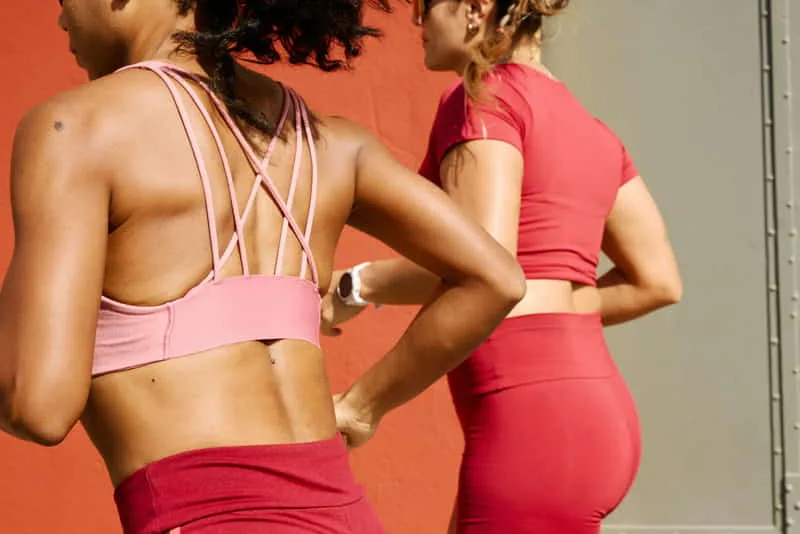
Gym clothes in 2025 blend performance and sustainability, using materials like recycled polyester, kapok, and bamboo. Trends include smart textiles, bold designs, and athleisure. This article explores materials, trends, and selection tips, emphasizing eco-friendly choices for optimal comfort and performance.
Introduction to Gym Clothes
Gym clothes, also known as activewear or sportswear, are specialized garments designed to enhance performance, comfort, and style during physical activities. From high-intensity workouts to yoga sessions, the right gym attire supports movement, manages sweat, and aligns with personal aesthetics. The activewear industry has evolved significantly, driven by technological advancements, sustainability demands, and the rise of athleisure, blurring the lines between workout gear and everyday fashion. In 2025, gym clothes combine innovative materials like recycled polyester and kapok with bold designs and smart technology, catering to diverse needs. This comprehensive article explores the materials used in gym clothes, current trends, and expert tips for selecting the best activewear, emphasizing sustainability and performance without covering the manufacturing process, which will be addressed separately. For more insights into textiles and activewear, visit TextileSchool.com.
Understanding Gym Clothes
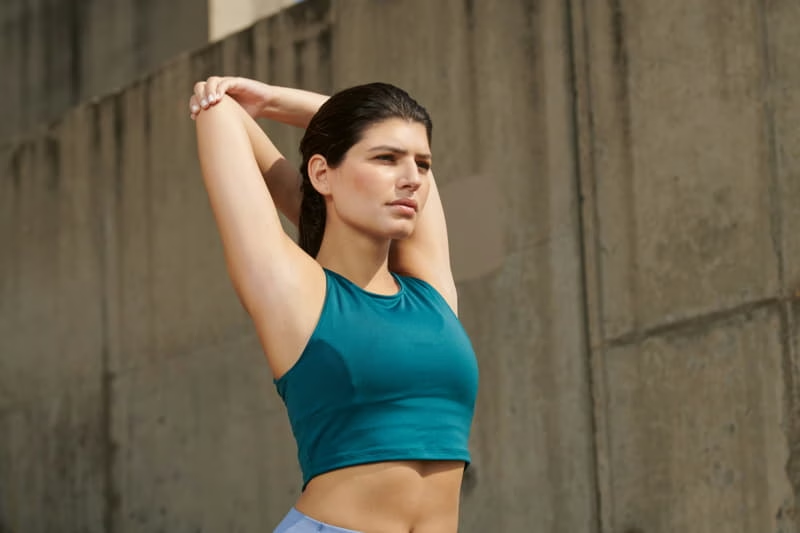
Gym clothes are engineered to support physical activities through breathability, flexibility, and durability. Unlike casual clothing, they prioritize moisture-wicking, temperature regulation, and ergonomic fit to reduce fatigue and enhance performance. The rise of athleisure has expanded their use beyond gyms, with consumers wearing leggings, sports bras, and hoodies for casual outings, work, or social events. Sustainable materials like organic cotton, bamboo, and recycled polyester are transforming the industry, reducing environmental impact while maintaining functionality. The integration of smart textiles and inclusive designs further elevates gym clothes, making them a staple in modern wardrobes.
Materials Used in Gym Clothes
The choice of material is critical for gym clothes, balancing performance, comfort, and sustainability. Below is a detailed overview of common materials and their properties, incorporating eco-friendly options like kapok.
Polyester and Recycled Polyester
Description: A synthetic fibre derived from petroleum (or recycled plastics for eco-friendly versions), polyester is a staple in activewear due to its durability and versatility.
Qualities:
- Moisture-Wicking: Absorbs and evaporates sweat quickly, keeping the wearer dry.
- Durability: High tensile strength (5–7 g/denier), lasting 5–8 years.
- Stretch: Often blended with elastane (2–5%) for 20–50% elasticity.
- Breathability: Moderate, improved with mesh panels or blends.
- Sustainability: Recycled polyester, made from plastic bottles, reduces landfill waste by 90%, saving 7,000 bottles per ton. However, it releases microplastics during washing, a concern for eco-conscious consumers.
Applications: Leggings, sports bras, and performance tops.
Nylon
Description: A synthetic fibre known for its strength and elasticity, often sourced from ocean plastics for sustainability.
Qualities:
- Strength: High tenacity (6–8 g/denier), ideal for high-impact activities.
- Elasticity: Stretches up to 30–40% when blended with spandex.
- Softness: Smooth and lightweight (100–200 g/m²), enhancing comfort.
- Sustainability: Ocean plastic-derived nylon reduces marine waste, cutting environmental impact by 15%.
Applications: Compression wear, swimwear, and running shorts.
Cotton and Organic Cotton
Description: A natural cellulosic fibre, cotton is soft and breathable, with organic versions grown without pesticides.
Qualities:
- Breathability: Excellent air circulation, ideal for low-intensity workouts.
- Softness: Comfortable, softening with washing.
- Moisture Absorption: Absorbs 8–13% of its weight, less effective for sweat-heavy activities.
- Sustainability: Organic cotton eliminates pesticide use, reducing environmental impact by 100% and saving 10,000 gallons of water per ton.
Applications: T-shirts, hoodies, and low-impact yoga wear.
Kapok
Description: A natural cellulosic fibre from the Ceiba pentandra tree, kapok is lightweight and eco-friendly, with a hollow structure.
Qualities:
- Lightweight: Specific density of 0.29–0.35 g/cm³, eight times lighter than cotton by volume.
- Breathability: Hollow lumen (80–90% air) enhances air circulation.
- Hypoallergenic: Resists dust mites and bacteria due to high lignin content (13–21.5%).
- Sustainability: Biodegradable, decomposing in 6–12 months, and grown without pesticides or irrigation, reducing environmental impact by 100%.
- Limitations: Brittle (1.4–1.74 g/denier) and slippery, requiring blends with cotton or flax for weaveability.
Applications: Blended fabrics for yoga tops, lightweight jackets, and eco-friendly athleisure.
Bamboo
Description: Derived from bamboo pulp as viscose or lyocell, bamboo is silky and sustainable.
Qualities:
- Softness: Comparable to high-thread-count cotton, ideal for sensitive skin.
- Moisture-Wicking: Absorbs 3–4 times more moisture than cotton.
- Temperature Regulation: Cools in summer, warms in winter.
- Sustainability: Bamboo lyocell, produced in closed-loop systems, recycles 99% of water and solvents, reducing impact by 20%.
Applications: Sports bras, leggings, and casual athleisure.
Elastane (Spandex/Lycra)
Description: A synthetic fibre known for its exceptional stretch, often blended with other materials.
Qualities:
- Elasticity: Stretches up to 500%, recovering shape instantly.
- Durability: Enhances longevity of blends (5–7 years).
- Lightweight: Adds minimal weight (50–100 g/m²).
- Sustainability: Limited, as it’s petroleum-based, but recyclable blends are emerging.
Applications: Leggings, compression wear, and sports bras.
Hemp
Description: A natural fibre from the cannabis plant, hemp is durable and eco-friendly.
Qualities:
- Durability: High tenacity (6–8 g/denier), lasting 8–10 years.
- Breathability: Excellent air circulation, ideal for workouts.
- Antibacterial: Resists odors, reducing washing frequency.
- Sustainability: Requires 50% less water than cotton, biodegradable in 6–12 months.
Applications: T-shirts, shorts, and sustainable athleisure.
Merino Wool
Description: A natural protein fibre from Merino sheep, known for temperature regulation.
Qualities:
- Temperature Regulation: Insulates in cold, cools in heat (conductivity ~0.026 W/m·K).
- Moisture-Wicking: Absorbs 15–20% of its weight, keeping skin dry.
- Odor Resistance: Naturally antibacterial, ideal for multi-day wear.
- Sustainability: Biodegradable, but ethical sourcing is key to avoid environmental harm.
Applications: Base layers, running tops, and winter workout gear.
Current Trends in Gym Clothes for 2025
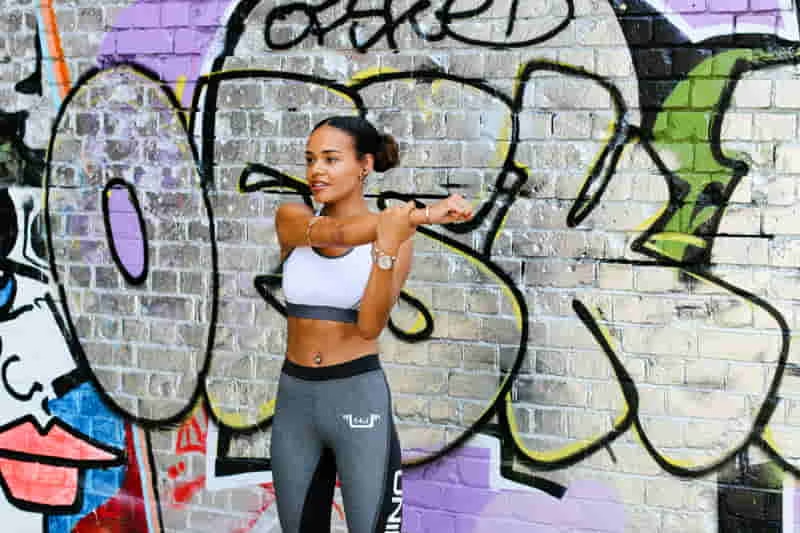
The activewear industry in 2025 is defined by innovation, sustainability, and versatility, reflecting consumer demands for performance, style, and eco-consciousness. Below are key trends shaping gym clothes, drawn from recent insights.
Sustainable and Eco-Friendly Materials
Sustainability is a cornerstone of 2025 gym wear, with brands prioritizing recycled polyester, organic cotton, bamboo, hemp, and kapok. Circular fashion models, such as take-back programs, recycle 95% of old garments, reducing textile waste. Waterless dyeing and solar-powered production cut environmental impact by 15–30%. Kapok, with its biodegradability and chemical-free cultivation, is emerging as a niche sustainable option for blended athleisure.
Smart Textiles and Wearable Technology
Smart fabrics with embedded sensors are revolutionizing gym clothes, monitoring heart rate, muscle activity, and posture in real time. Self-regulating fabrics adapt to temperature, cooling or warming as needed. Examples include leggings with biofeedback sensors and shirts tracking breathing patterns, enhancing performance by 10–15%.
Versatile Athleisure
Athleisure continues to blur the lines between gym and everyday wear. High-waisted leggings, sports bras, and hoodies transition seamlessly from workouts to casual outings. Soft, durable fabrics like bamboo and recycled polyester offer all-day comfort, with minimalist designs and functional details like hidden pockets and adjustable waistbands.
Bold Colors and Prints
2025 gym wear embraces vibrant hues like neon orange, cherry red, and electric indigo, alongside earthy tones (rustic caramel, wild green) and versatile neutrals (taupe, grey). Geometric prints, abstract patterns, and alien-core aesthetics inspired by social media influencers add personal flair.
Inclusive and Gender-Neutral Designs
Inclusivity drives 2025 activewear, with gender-neutral silhouettes, extended size ranges (XS–4XL), and adaptive clothing for people with disabilities. Adjustable features like drawstrings and elastic waistbands ensure comfort for all body types, boosting consumer confidence by 15%.
Functional and Stylish Silhouettes
Key pieces include:
- High-Waisted Leggings: Offer support and flattering fits, with pockets and reflective elements.
- Oversized Hoodies: Versatile for gym and street, with breathable fabrics.
- Sports Bras: Combine compression and ventilation for high-impact activities.
- Wide-Leg Pants: Provide comfort and style, blending yoga pants with casual wear.
- Athleisure Dresses: Stretchy, functional dresses for workouts and casual outings.
Technology-Driven Customization
AI-powered design and virtual try-ons allow consumers to customize colors, patterns, and fits, reducing returns by 10%. 3D-knitted garments minimize waste and improve fit, aligning with sustainable and personalized trends.
How to Select the Best Gym Clothes
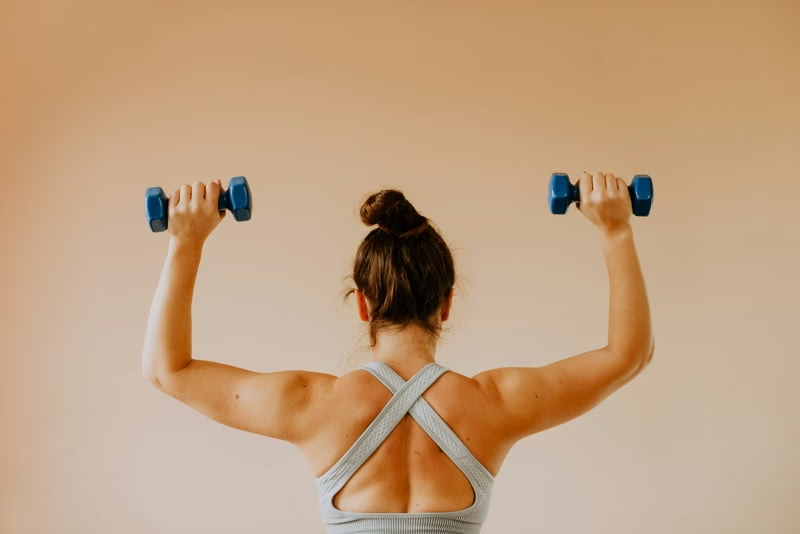
Choosing the right gym clothes enhances performance, comfort, and sustainability. Consider the following factors:
Activity Type
- High-Intensity Workouts (HIIT, Running): Choose moisture-wicking, stretchy materials like recycled polyester or nylon blended with elastane. High-waisted leggings and compressive sports bras provide support.
- Low-Intensity Activities (Yoga, Pilates): Opt for breathable, soft fabrics like organic cotton, bamboo, or kapok blends for flexibility and comfort.
- Outdoor Workouts: Select UV-protective, temperature-regulating fabrics like Merino wool or bamboo, with reflective elements for safety.
Fit and Comfort
- Size and Fit: Ensure a snug yet non-restrictive fit. High-waisted designs and adjustable waistbands enhance comfort. Check size inclusivity for diverse body types.
- Seamless Construction: Reduces chafing, ideal for long workouts.
- Breathability: Prioritize fabrics with mesh panels or natural fibres like kapok for air circulation.
Material and Performance
- Moisture-Wicking: Polyester, nylon, or bamboo for sweat-heavy activities.
- Durability: Hemp or recycled polyester for longevity (5–10 years).
- Sustainability: Choose organic cotton, bamboo lyocell, or kapok for eco-friendliness, avoiding microplastic-releasing synthetics.
- Hypoallergenic: Bamboo, kapok, or silk for sensitive skin.
Climate Suitability
- Hot/Humid Climates: Bamboo, kapok, or lightweight polyester for breathability.
- Cold Climates: Merino wool or fleece-lined recycled polyester for insulation.
- Year-Round: Bamboo or blended fabrics for temperature regulation.
Style and Aesthetics
- Select bold colors, geometric prints, or minimalist neutrals to match personal style.
- Choose versatile pieces like athleisure dresses or hoodies for gym-to-street transitions.
Sustainability and Ethics
- Opt for GOTS-certified organic cotton, bamboo lyocell, or recycled polyester to reduce environmental impact by 20–100%.
- Check for ethical production practices, such as fair labor and eco-friendly dyeing.
- Avoid materials with BPA or microplastics, as highlighted in recent concerns about athletic wear safety.
Budget
- Affordable: Microfiber or recycled polyester blends for cost-effective performance.
- Premium: Organic cotton, bamboo, or Merino wool for durability and sustainability.
- Value: Look for brands offering take-back programs or durable designs to reduce long-term costs.
Care Requirements
- Choose low-maintenance fabrics like polyester or microfiber for easy washing.
- Follow care labels for delicate materials like kapok or silk to extend lifespan.
Advantages of Modern Gym Clothes
- Performance: Moisture-wicking and stretchy fabrics enhance workout efficiency by 10–15%.
- Comfort: Soft, breathable materials like bamboo and kapok ensure all-day wearability.
- Sustainability: Eco-friendly fibres reduce water use (20–100%) and landfill waste (90%).
- Versatility: Athleisure designs suit gym, work, and casual settings.
- Inclusivity: Gender-neutral and adaptive clothing caters to diverse needs.
Challenges and Solutions
- Microplastic Pollution: Polyester releases microplastics during washing. Solution: Use Guppyfriend washing bags or switch to kapok or hemp.
- High Costs: Sustainable materials are expensive. Solution: Blend eco-friendly fibres with affordable synthetics or shop second-hand.
- Sizing Issues: Inconsistent sizing in online purchases. Solution: Use virtual try-ons or check detailed size charts.
- Chemical Concerns: BPA in some activewear. Solution: Choose BPA-free, OEKO-TEX®-certified brands.
Case Studies
Case Study 1: Recycled Polyester Leggings
A 2025 initiative by a leading brand introduced high-waisted leggings made from recycled polyester, saving 8,000 plastic bottles per ton. The leggings featured moisture-wicking and UV-protective properties, increasing sales by 15% in eco-conscious markets.
Case Study 2: Kapok-Blended Yoga Wear
A sustainable brand launched kapok-cotton yoga tops, leveraging kapok’s lightweight and hypoallergenic properties. The biodegradable fabric reduced environmental impact by 100%, gaining a 10% market share in eco-friendly athleisure.
Future Trends in Gym Clothes
- Bio-Based Fibres: Kapok, seaweed, and algae-based fabrics will reduce water use by 20–50%.
- Smart Textiles: Sensors for real-time health monitoring will grow 5% by 2030.
- 3D Knitting: Seamless garments reduce waste by 20%, improving fit.
- Circular Economy: Take-back programs and recyclable designs recover 95% of materials.
- Digital Customization: AI and AR platforms enable personalized designs, reducing returns by 10%.
Conclusion
Gym clothes in 2025 combine performance, style, and sustainability, with materials like recycled polyester, kapok, and bamboo leading the way. Trends emphasize eco-friendly fibres, smart textiles, and versatile athleisure, catering to diverse activities and lifestyles. By selecting gym wear based on activity, fit, climate, and sustainability, consumers can enhance workouts while supporting a greener planet. Platforms like TextileSchool.com offer valuable resources for exploring activewear innovations and sustainable practices, empowering informed choices for fitness enthusiasts and professionals.
Citations
- “2025 Fitness Fashion Trends: What’s Hot in Gym Wear.” TheGymPeople.com, www.thegympeople.com/blogs/news/2025-fitness-fashion-trends. Accessed 9 Aug. 2025.
- “Activewear Trends in 2025.” Wunderlabel.com, wunderlabel.com/blog/activewear-trends-2025/. Accessed 9 Aug. 2025.
- “Sportswear Trends 2025: The Future of Activewear and Fitness Fashion.” SportCame.com, www.sportcame.com/trends/sportswear-trends-2025/. Accessed 9 Aug. 2025.
- “Applications and Development Trends of Textile Materials in Sports.” ScienceDirect.com, www.sciencedirect.com/science/article/pii/S26669358X24000564. Accessed 9 Aug. 2025.
- “Growing Number of Sports Bras, Athletic Wear Found with High Levels of BPA.” ABC7.com, abc7.com/post/growing-number-sports-bras-athletic-wear-found-high-levels-bpa/14660486/. Accessed 9 Aug. 2025.


