

Regenerated fibres are similar to cotton, they were the first of the manufactured fibres to be developed. They are made from cellulose-based fibres that originate from plants such as wood pulp; a chemical is added to extract the cellulose fibres. The classification of the fibre relates to the chemical solvent system used to extract the fibre, so regenerated fibres are part natural and part artificial.
The first man-made fibers which were developed and produced used polymers of natural origin, more precisely of cellulose which is a raw material available in large quantities in the vegetable world.
Cellulose is the natural polymer that makes up the living cells of all vegetation. It is the material at the centre of the carbon cycle, and the most abundant and renewable biopolymer on the planet.
Cotton linters and wood pulp, viscose rayon, Cupra-ammonium, Cellulose Acetate (secondary and triacetate), Polynosic, High Wet Modulus (HWM).
- Cellulose is one of many polymers found in nature.
- Wood, paper, and cotton all contain cellulose. Cellulose is an excellent fibre.
- Cellulose is made of repeat units of the monomer glucose.
- The three types of regenerated cellulosic fibres are rayon, acetate, and triacetate which are derived from the cell walls of short cotton fibres called liners.
- Paper, for instance, is almost pure cellulose
How regenerated cellulose fibres are made
Regenerated cellulose fibres are made in four steps. What changes from one fibre to the next is how the cellulose is dissolved.
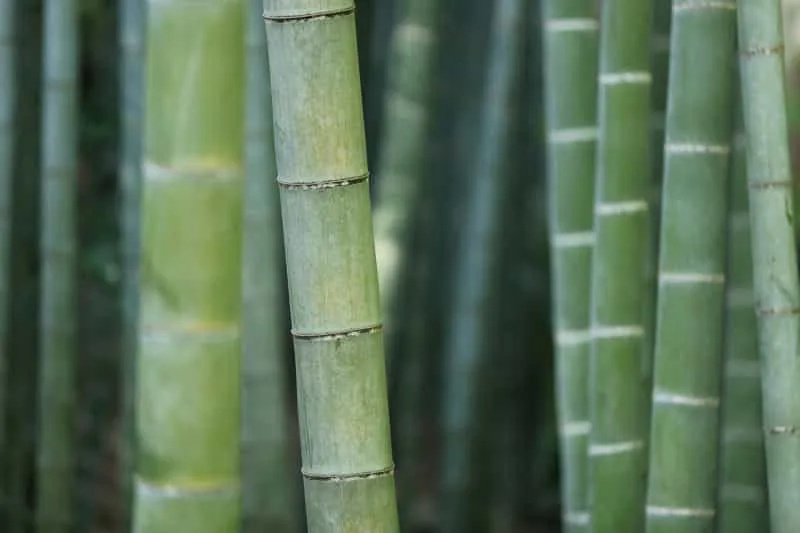
- Pulp. Purified cellulose, called dissolving pulp, is made from wood such as eucalyptus, beech or spruce, from bamboo, or from cotton linters. It reaches the fibre plant as dry sheets.
- Dissolving. The cellulose is brought into solution to make a thick, honey-like liquid called the spinning dope.
- Spinning. The dope is pumped through the fine holes of a spinneret into a bath that makes the cellulose come out of solution as filaments.
- After-treatment. The filaments are stretched, washed, dried and finished, and are either wound as filament yarn or cut to staple length.
| Fibre | How the cellulose is dissolved |
|---|---|
| Viscose | The pulp is steeped in caustic soda and reacted with carbon disulphide to form cellulose xanthate, which dissolves in dilute caustic soda. The dope is spun into an acid bath, where the cellulose is regenerated. |
| Modal | A modified viscose process that gives a high wet modulus: the fibre keeps more of its strength and shape when wet than ordinary viscose. |
| Lyocell | The pulp dissolves directly in N-methylmorpholine N-oxide (NMMO) and water, with no chemical reaction. The fibre is spun into a water bath, and almost all of the solvent is recovered and reused, which is why the process is called closed-loop. Tencel is a brand name for lyocell. |
| Cupro | The cellulose is dissolved in a solution of copper and ammonia (cuprammonium). |
Triacetate keeps a heat-set pleat better than acetate, so it is used for pleated garments. Outside clothing, high-tenacity viscose is used for tyre cord, and viscose and lyocell staple go into nonwovens for wipes, swabs and hygiene products.
Regenerated cellulose fibres come from a renewable raw material and biodegrade, unlike polyester and nylon. Their environmental record depends on how they are made. Carbon disulphide used in viscose plants is toxic to workers and to the surroundings if emissions are not captured, and pulp from badly managed forests contributes to deforestation, so buyers look for certified wood sources such as FSC.
Types of regenerated fibres
- Regenerated fibres can be filament or staple; they can be given many textures and properties like synthetic fibres.
- The most recent developments in regenerated fibres have made them more environmentally friendly by making the production of the fibre low energy (low in the use of fossil fuels) and by using the closed-loop process (waste created in manufacture is reused in the production process).
- Viscose, rayon, acetate, triacetate, modal, Tencel, and Lyocell are all regenerated fibres.
- Viscose can be used as a filament yarn, woven or knitted into lustrous fabrics and crepe fabrics, but as a staple fibre can blend with other fibres to add lustre and absorbency.
- Acetate and triacetate are often known as a cheap silk alternative owing to their elegant drape and lustre.
- Tencel and Lyocell are made so they are fully recyclable and biodegradable; high strength when wet, minimal shrinkage and good dye absorbency make them a popular blended fibre. Owing to the high wet strength and absorbency. Lyocell can also be used as a non-woven fabric for wipes and swabs in medical situations and even for a disposable gown for medical staff.
Properties of Regenerated Fibres
As regenerated fibres form a plant-based source, their properties are similar to those of cotton. They are:
- Highly absorbent
- Washable
- Soft
- Smooth
- Comfortable to wear
- and have Good drape
Use of Regenerated Fibres
Owing to their properties, regenerated fibres are widely used in clothing; they can be given different finishes to make them smooth, shiny or textured. Common uses are fashion clothing, lingeries and trimmings such as ribbons. With new developments, regenerated fibres are coming more technically advanced and are used in protective clothing and breathable fabrics and in items for medical use.
Rayon
Originally, the word rayon was applied to any cellulose-based manufactured fiber and therefore included the cellulose acetate fibers. However, the definition of rayon was clarified in 1951 and now includes textiles fibers and filaments composed of regenerated cellulose, excluding acetate. In Europe the fibers are now generally known as viscose, the term viscose rayon being used whenever confusion between the fiber and the cellulose xanthate solution (also called viscose—see below) is possible. (In this article the term regenerated cellulosic, rayon, and viscose rayon tend to be used interchangeably.)
- Rayon is a manufactured regenerated cellulosic fibre.
- It is the first man-made fibre.
- It has a serrated round shape with a smooth surface.
- It loses 30-50% of its strength when it is wet.
- Rayon is produced from naturally occurring polymers and therefore it is not a synthetic fibre, but a manufactured regenerated cellulosic fibre.
- The fibre is sold as artificial silk
There are two principal varieties of rayon namely viscose and cupra ammonium rayon.
Acetate
A manufactured fibre in which the fibre-forming substance is cellulose acetate. Acetate is derived from cellulose by reacting purified cellulose from wood pulp with acetic acid and acetic anhydride in the presence of sulfuric acid.
The Acetate Fiber Characteristics
- Luxurious feel and appearance
- A wide range of colours and lustres
- Excellent drapeability and softness
- Relatively fast drying
- Shrink, moth and mildew resistant
- Special dyes have been developed for acetate since it does not accept dyes ordinarily used for cotton and rayon.
Acetate fibres are the manufactured fibres in which the fibre-forming substance is cellulose acetate. The cellulose esters triacetate and acetate are formed through acetylation of cotton linter or wood pulp using acetic anhydride and an acid catalyst in acetic acid.
Acetate and triacetate fibres are very similar in appearance to the regular-tenacity viscose rayons. Acetates and triacetates are moderately stiff fibres and possess good resiliency on bending and deformation, particularly after heat treatment.
The abrasion resistance of acetate and triacetate is poor, and these fibres cannot be used in applications requiring high resistance to rubbing and abrasion; however, the resistance of these fibres to pilling is excellent. While acetate and triacetate are moderately absorbent, their absorbencies cannot compare with the pure cellulosic fibres. The hand of acetate fabrics is somewhat softer and more pliable than triacetate, which possesses a crisp firm hand. Fabrics of both fibres possess excellent draping characteristics. Fabrics of acetate and triacetate have a pleasing appearance and a high degree of lustre, but the lustre of these fabrics can be modified through the addition of delusterants.
Both acetate and triacetate are susceptible to attack by a number of household chemicals. Acetate and triacetate are attacked by strong acids and bases and by oxidizing bleaches. Acetate has only fair sunlight resistance, whereas the sunlight resistance of triacetate is superior. Both fibres have good heat resistance below their melting points.
Acetate and triacetate cannot be dyed by dyes used for cellulosic fibres. These fibres can be satisfactorily dyed with disperse dyes at moderate to high temperatures to give even, bright shades. Acetate and triacetate dry quickly and may be tumble dried or drip dried.

ok then thx
You actually make it appear really easy along with your presentation however I to find this topic to be really one thing which I believe I might by no means understand. It seems too complicated and very extensive for me. I’m having a look ahead to your subsequent post, I’ll try to get the grasp of it!