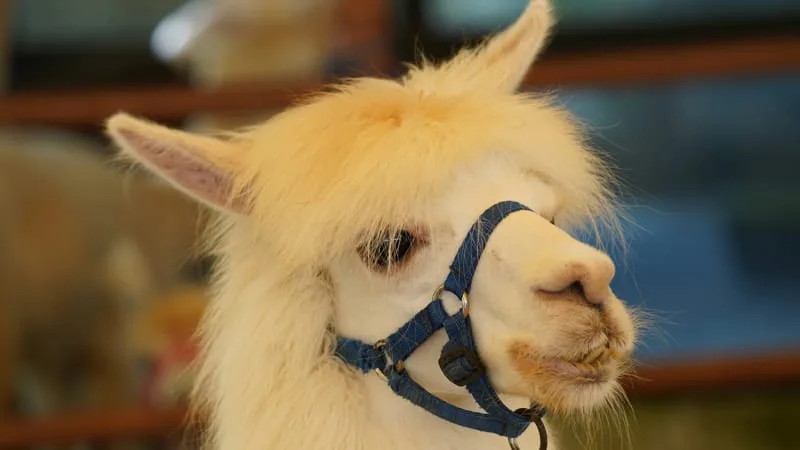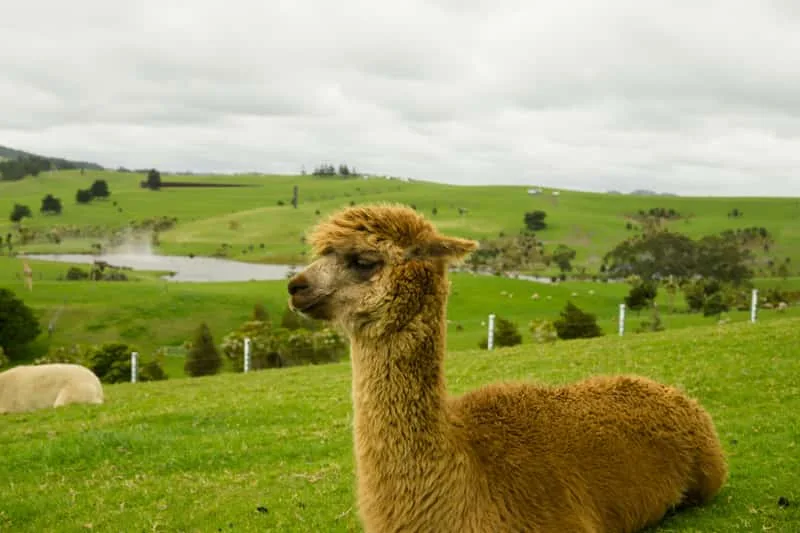
Llama fiber is a natural animal wool harvested from the domesticated llama, a South American camelid native to the highlands of Peru, Bolivia, and Ecuador. Known for its strength, thermal regulation, and hypoallergenic properties, llama fiber is often underrated but ideal for durable, warm, and sustainable textiles. This article explores its characteristics, differences from alpaca, and its importance to indigenous culture and the ethical fashion movement.
1. Origin and Background
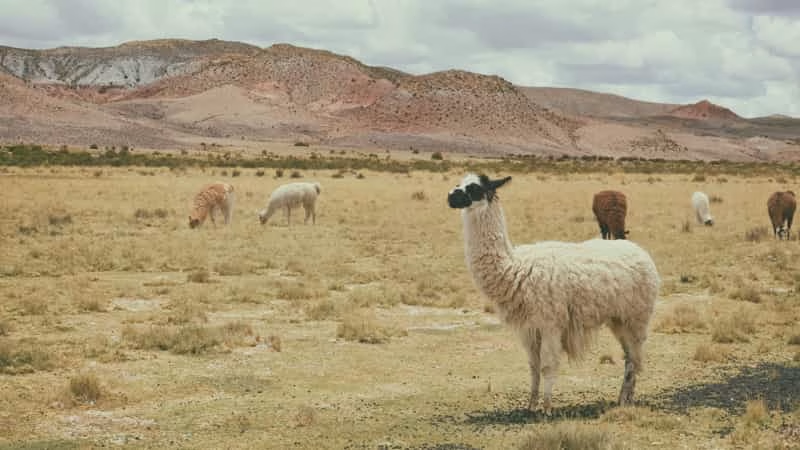
Llamas (Lama glama) are among the oldest domesticated animals in the world, having served as pack animals and wool producers in the Andes for over 4,000 years. They were bred from the wild guanaco and remain vital to rural Andean communities today.
Unlike alpacas, which were bred primarily for their fleece, llamas were originally developed for transport and utility. However, many llama breeds also produce valuable fiber, particularly from the neck and saddle regions.
Llamas are hardy animals, thriving in altitudes over 3,000 meters. They require little water, are gentle on the land, and are shorn annually in a non-invasive, stress-free process.
2. Properties of Llama Fiber
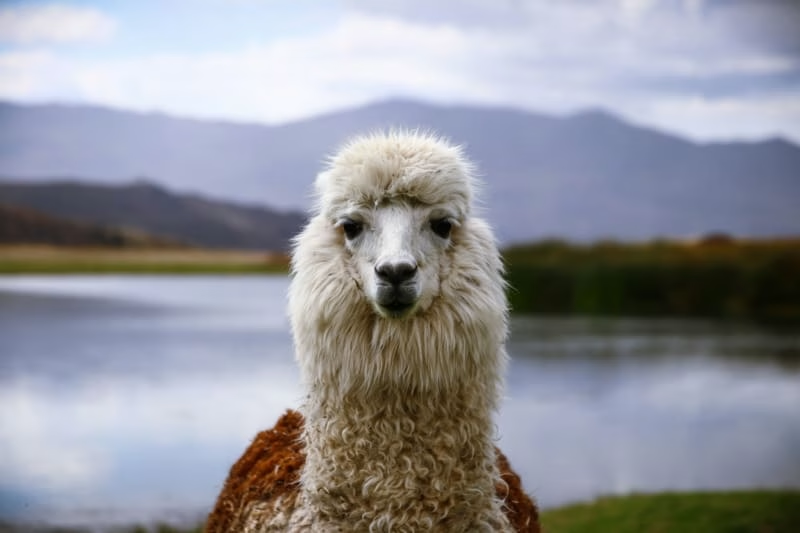
Llama fiber is dual-coated, consisting of a coarse outer guard hair and a soft undercoat. When properly dehaired, the undercoat yields a lightweight, warm, and versatile textile fiber.
Typical characteristics include:
- Average fiber diameter: 20–30 microns (can be finer in select breeds)
- Excellent thermal insulation
- Naturally lanolin-free and hypoallergenic
- Water-resistant and breathable
- Low elasticity, suitable for structured garments
While coarser than alpaca or cashmere, high-quality llama fiber (especially from young or selectively bred animals) is surprisingly soft and can be used for next-to-skin wear.
3. Llama Fiber vs Alpaca Fiber
| Characteristic | Llama Fiber | Alpaca Fiber (Huacaya) |
|---|---|---|
| Fiber Micron Range | 20–30 (can vary) | 18–25 |
| Texture | Slightly coarse to soft | Soft and crimpy |
| Guard Hair Presence | Yes (must be dehaired) | Minimal |
| Warmth | ★★★★☆ | ★★★★☆ |
| Availability | Lower than alpaca | High (especially in Peru) |
| Use | Outerwear, accessories | Apparel, babywear, blankets |
Llama fiber is ideal for garments requiring structure, durability, and warmth without excessive bulk.
4. Harvesting and Yield
Llamas are usually sheared once a year, yielding 3–5 pounds (1.5–2.3 kg) of raw fleece. Only part of that is suitable for fine fiber production, especially after dehairing the coarse guard hairs.
The best fiber comes from the neck and body, where it is finer and cleaner. Careful breeding and selection programs have resulted in specialized fiber llamas that produce higher-quality fleece than standard pack llamas.
5. Uses in Textiles
Llama fiber’s natural strength and breathability make it ideal for a wide range of textile products. Common applications include:
- Ponchos and ruanas
- Jackets and vests
- Gloves and mittens
- Woven outerwear
- Rugs and upholstery (coarser fibers)
Finer fiber from fiber llamas can also be spun into soft yarn for scarves, hats, and sweaters.
6. Sustainability and Ethics
Llamas are one of the most eco-friendly livestock animals:
- They graze gently and don’t destroy root systems
- Their padded feet protect fragile ecosystems
- They produce more usable fiber per acre than sheep
- Shearing is humane and part of routine care
Many llama herders in Peru and Bolivia operate under fair-trade or cooperative models that prioritize animal welfare and community development.
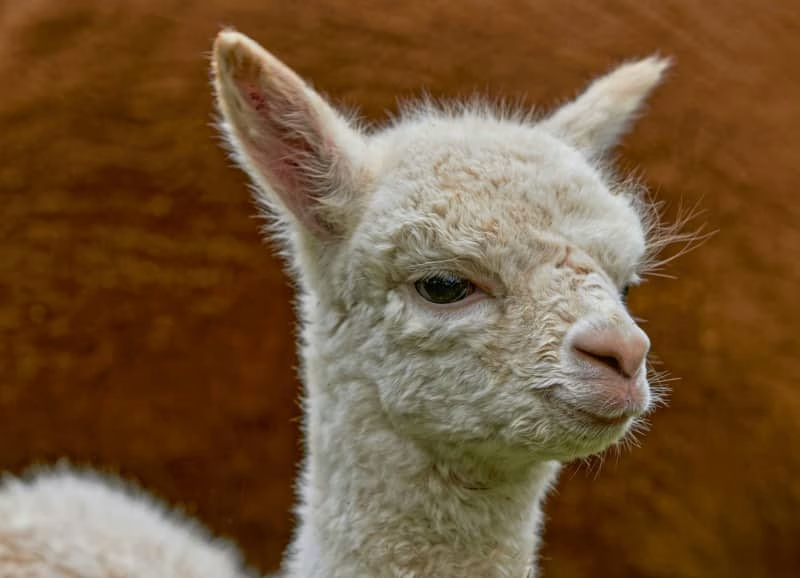
Llama fiber is typically processed using minimal chemicals, making it suitable for organic or naturally processed textile lines.
7. Care and Maintenance
Like most fine natural fibers, llama garments require gentle handling:
- Hand wash or dry clean for delicate items
- Use cold water and mild detergent
- Avoid twisting or heavy agitation
- Lay flat to dry in shade
- Store in breathable containers to prevent moth damage
Properly maintained, llama garments can last for years with minimal wear or pilling.
8. Cultural and Economic Relevance
Llama fiber has been an integral part of Andean heritage for millennia. In Incan times, it was commonly used for cloaks, ropes, and ceremonial textiles. Today, it continues to support indigenous communities through small-scale textile production and tourism.
Modern interest in natural, sustainable fibers has renewed focus on llama wool. Artisans and eco-brands in South America and North America are increasingly showcasing llama in collections focused on tradition, authenticity, and earth-conscious luxury.
Conclusion
Llama fiber may not be as well-known as alpaca or cashmere, but its unique combination of strength, warmth, and sustainability makes it an invaluable addition to the world of rare natural fibers. With a legacy rooted in the Andes and a future aligned with responsible fashion, llama fiber represents resilience, elegance, and connection to nature.
Citations & References:
- International Llama Association – Fiber Standards and Use
- Textile Exchange – “Sustainable Camelid Fibers” Report
- National Geographic – Andean Textile Traditions
- Alpaca and Llama Show Association – Fiber Grading and Classification
- The Andean Camelid Research Institute – Llama Breeding and Fiber Programs
- FAO – Camelid Fiber Production in Latin America
- Natural Fiber Council – Llama vs Alpaca: Performance Comparison