
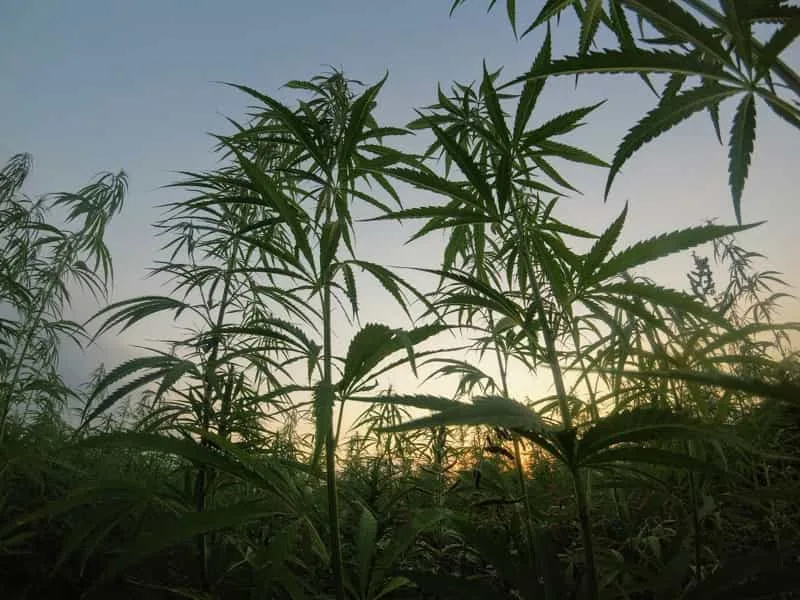
Hemp-based textiles are transforming the fashion industry by offering a sustainable, durable, and biodegradable alternative to conventional fabrics, reducing environmental impact and aligning with zero-waste and circular economy principles. This article explores hemp’s cultivation, production processes, applications, benefits, and challenges, supported by case studies of brands like Patagonia and Hemp Fortex. It covers future trends, such as integration with AI and blockchain, and connections to durability testing like salt spray tests, highlighting hemp’s role in sustainable manufacturing and its growing market potential.
Introduction to Hemp-Based Textiles
Hemp-based textiles, derived from the Cannabis sativa plant, are gaining prominence in sustainable fashion due to their eco-friendly properties, durability, and versatility. Unlike conventional textiles like cotton, which consume vast amounts of water and pesticides, hemp requires minimal resources, making it a cornerstone of green textiles. With the textile industry generating 92 million tons of waste annually and contributing 10% of global carbon emissions, hemp offers a solution to reduce environmental impact while meeting consumer demand for ethical, sustainable products. This article examines hemp’s production, applications, benefits, and challenges, its synergy with zero-waste textile design, and its role in fostering a circular economy, positioning it as a highly monetizable trend in sustainable manufacturing.
Understanding Hemp-Based Textiles
Hemp is a fast-growing, low-impact crop that produces strong, biodegradable fibers used in textiles. Its cultivation requires 50% less water than cotton and no synthetic pesticides, enhancing soil health through phytoremediation. Hemp fibers are processed into fabrics for apparel, home textiles, and technical applications, offering durability, breathability, and natural antimicrobial properties. Certifications like the Global Organic Textile Standard (GOTS) ensure sustainable production, while technologies like blockchain and IoT enhance traceability and efficiency. Hemp’s versatility and eco-friendly profile make it a key player in sustainable fashion.
The Need for Hemp-Based Textiles
Conventional textile production, particularly cotton, consumes 2,700 liters of water per T-shirt and 16% of global pesticides, contributing to soil degradation and water pollution. The industry’s 20% share of industrial wastewater and 15% fabric waste during cutting highlight the need for sustainable alternatives. Consumers demand transparency and eco-friendly products, while regulations like the EU’s Circular Economy Action Plan push for greener materials. Hemp-based textiles address these challenges by reducing resource use, supporting zero-waste goals, and promoting ethical production, making them a vital component of sustainable fashion.
Key Processes in Hemp-Based Textile Production
Sustainable Cultivation
Hemp is grown without synthetic pesticides or fertilizers, using organic methods like crop rotation to enhance soil fertility. It requires 50% less water than cotton and grows in 90-120 days, enabling multiple harvests annually. Projects like Hemp Fortex’s organic farms demonstrate sustainable cultivation practices.
Fiber Extraction
Hemp stalks are retted (soaked to separate fibers) using water or dew retting, both eco-friendly methods. Mechanical decortication then extracts bast fibers, which are cleaned and processed into textile-grade materials, minimizing chemical use.
Spinning and Weaving
Hemp fibers are spun into yarns, often blended with organic cotton or recycled polyester (rPET) for softness. Weaving or knitting produces fabrics with textures ranging from coarse canvas to fine linen, suitable for diverse applications.
Eco-Friendly Finishing
Hemp textiles undergo sustainable finishing, such as enzyme-based softening or natural dyeing, to enhance properties like comfort and color. Waterless dyeing, as used by DyeCoo, reduces environmental impact, aligning with zero-waste principles.
Certification and Traceability
Certifications like GOTS and OCS ensure sustainable production, while blockchain platforms, such as TextileGenesis, provide traceability, verifying hemp’s organic origins and eco-friendly processing.
Applications of Hemp-Based Textiles
Fashion and Apparel
Hemp is used in clothing like jackets, jeans, and T-shirts due to its durability and breathability. Brands like Patagonia and Levi’s incorporate hemp for sustainable collections, appealing to eco-conscious consumers.
Home Textiles
Hemp’s strength and antimicrobial properties make it ideal for bedding, curtains, and upholstery. IKEA’s hemp-blended textiles offer eco-friendly, durable options for home decor.
Technical Textiles
Hemp is used in automotive interiors, outdoor gear, and industrial fabrics, often finished with biodegradable coatings tested for durability via salt spray tests, ensuring longevity in harsh environments.
Accessories and Packaging
Hemp fibers produce sustainable bags, shoes, and packaging, as seen in Stella McCartney’s hemp-based accessories, reducing waste and enhancing brand sustainability.
Case Studies: Hemp-Based Textiles in Action
Patagonia’s Hemp Workwear
Patagonia’s Workwear line uses hemp blended with organic cotton, certified by GOTS, for durable, eco-friendly clothing. Their hemp jackets reduce water use by 50% compared to cotton, showcasing sustainable fashion leadership.
Hemp Fortex’s Sustainable Fabrics
Hemp Fortex, a leading hemp textile producer, supplies brands like H&M with GOTS-certified hemp fabrics. Their organic cultivation and blockchain traceability reduce environmental impact and ensure transparency.
Levi’s Wellthread Collection
Levi’s Wellthread line incorporates hemp for sustainable denim, softened with enzyme-based finishing. This reduces water and chemical use, aligning with zero-waste and circular economy goals.
Jungmaven’s Hemp Advocacy
Jungmaven produces hemp T-shirts and basics, promoting sustainable farming through partnerships with organic growers. Their products, certified by OCS, highlight hemp’s versatility and eco-friendly appeal.
Benefits of Hemp-Based Textiles
Environmental Sustainability
Hemp requires 50% less water and no pesticides, reducing pollution and soil degradation. Its biodegradability minimizes the 92 million tons of annual textile waste, supporting circular economy principles.
Economic Advantages
Hemp’s fast growth and low input costs increase farmer profitability, with yields up to 2.5 tons per hectare. Premium pricing for eco-friendly products, as seen in Patagonia’s lines, boosts brand revenue.
Social and Ethical Benefits
Hemp farming supports smallholder farmers through fair trade practices, as seen in Hemp Fortex’s initiatives. Its chemical-free cultivation improves farmer health and community livelihoods.
Consumer Appeal
Hemp’s durability, breathability, and sustainability appeal to eco-conscious consumers. Transparency through certifications and blockchain, as used by Levi’s, builds trust and loyalty.
Challenges of Hemp-Based Textiles
High Processing Costs
Hemp fiber extraction and softening require specialized equipment, increasing costs by 20-30% compared to cotton. Innovations in enzymatic processing are reducing these expenses.
Limited Scalability
Hemp accounts for less than 1% of global textile fibers due to regulatory restrictions and limited processing infrastructure. Legalization efforts, like the 2018 U.S. Farm Bill, are expanding access.
Perception and Quality Issues
Hemp’s coarse texture can deter consumers, though blending with softer fibers like cotton improves feel. Educating consumers about hemp’s benefits, as Jungmaven does, is crucial.
Regulatory Barriers
Hemp’s association with cannabis creates legal challenges in some regions, limiting cultivation. Advocacy and policy changes are addressing these barriers.
Future Trends in Hemp-Based Textiles
Integration with AI and IoT
AI optimizes hemp cultivation by predicting yields and pest risks, while IoT monitors soil and water use, as seen in Farmonaut’s platforms, enhancing efficiency and sustainability.
Blockchain for Traceability
Blockchain ensures transparency in hemp supply chains, verifying organic certifications and sustainable practices, as implemented by TextileGenesis and Hemp Fortex.
Advanced Finishing Techniques
Innovations like microbial dyes and bio-based coatings, as developed by Colorifix, enhance hemp’s eco-friendly properties, reducing chemical use and waste.
Regenerative Agriculture
Hemp’s role in regenerative farming, as promoted by the Rodale Institute, sequesters carbon and improves soil health, supporting climate resilience and circularity.
Synergy with Zero-Waste Textile Design
Hemp-based textiles support zero-waste textile design by providing biodegradable, durable raw materials for waste-free patterns, reducing the 15% fabric waste from cutting and the 92 million tons of annual textile waste. Its use in digital printing and on-demand production minimizes overstock, while blockchain ensures traceability, aligning with circular economy goals, as seen in Levi’s Wellthread collection.
Connection to Salt Spray Testing
Hemp textiles, often finished with eco-friendly coatings for outdoor or technical use, undergo salt spray tests to ensure corrosion resistance in harsh environments, like marine settings. This enhances durability, reducing replacement frequency and supporting zero-waste principles, as seen in hemp-based outdoor gear.
Best Practices for Implementing Hemp-Based Textiles
- Source Certified Hemp: Partner with GOTS or OCS-certified suppliers to ensure sustainability and quality.
- Adopt Eco-Friendly Finishing: Use enzyme-based softening or waterless dyeing to enhance hemp’s properties sustainably.
- Leverage Technology: Integrate AI, IoT, and blockchain for optimized cultivation and traceability.
- Educate Consumers: Promote hemp’s environmental and durability benefits through marketing and transparency tools.
- Support Policy Change: Advocate for hemp legalization to expand cultivation and processing infrastructure.
Conclusion
Hemp-based textiles are revolutionizing sustainable fashion by offering an eco-friendly, durable, and biodegradable alternative to conventional fabrics. Their low water and pesticide requirements, combined with certifications and technologies like blockchain, address the textile industry’s environmental challenges, from pollution to waste. Despite hurdles like processing costs and regulatory barriers, innovations in AI, IoT, and regenerative agriculture signal a bright future. Case studies from Patagonia, Hemp Fortex, and Levi’s highlight hemp’s impact, while its synergy with zero-waste design and salt spray testing ensures durability and circularity. As consumer demand for ethical fashion grows, hemp-based textiles offer a profitable, sustainable path for the industry’s future.
Citations
- Textile Exchange. “Hemp Fiber Market Report 2024.” Textile Exchange, 2024, textileexchange.org.
- Hemp Fortex. “Sustainable Hemp Textiles.” Hemp Fortex, 2023, www.hempfortex.com.
- Patagonia. “Hemp Workwear: Sustainable Fashion.” Patagonia, 2024, www.patagonia.com.
- Levi’s. “Wellthread Collection: Hemp in Denim.” Levi’s, 2024, www.levi.com.
- Jungmaven. “Hemp T-Shirts and Sustainable Fashion.” Jungmaven, 2023, www.jungmaven.com.
- Global Organic Textile Standard. “GOTS Certification for Hemp.” GOTS, 2023, www.global-standard.org.
- TextileGenesis. “Blockchain Traceability for Hemp Textiles.” TextileGenesis, 2024, textilegenesis.com.
- Farmonaut. “AI and IoT in Hemp Cultivation.” Farmonaut, 2024, farmonaut.com.
- Rodale Institute. “Regenerative Hemp Farming.” Rodale Institute, 2023, rodaleinstitute.org.
- DyeCoo. “Waterless Dyeing for Hemp Textiles.” DyeCoo, 2023, www.dyecoo.com.
- Colorifix. “Microbial Dyes for Hemp Textiles.” Colorifix, 2024, www.colorifix.com.
- IKEA. “Hemp-Blended Textiles for Home Decor.” IKEA, 2023, www.ikea.com.
- Stella McCartney. “Hemp in Sustainable Accessories.” Stella McCartney, 2024, www.stellamccartney.com.
- Fibre2Fashion. “Hemp Textiles: The Future of Sustainable Fashion.” Fibre2Fashion, 2023, www.fibre2fashion.com.
- Redress Design Award. “Hemp in Zero-Waste Fashion.” Redress, 2024, www.redressdesignaward.com.
- The Interline. “Hemp-Based Textiles and Sustainability.” The Interline, 2023, www.theinterline.com.
- Circle Economy Foundation. “Hemp for Circular Textiles.” Knowledge Hub, 2023, knowledge-hub.circle-economy.com.
- United Nations Environment Programme. “Hemp Textiles and Sustainable Fashion.” UNEP, 2025, www.unep.org.
- Textile World. “Hemp-Based Textiles: Sustainability in Fashion.” Textile World, 2023, www.textileworld.com.
- H&M Group. “Hemp in Sustainable Collections.” H&M, 2024, hmgroup.com.



I found this article very informative for textile professionals. SD Polytech is a useful resource for businesses researching Yarn Manufacturers in India and different yarn solutions.Visit Our Website: https://sdpolytech.com/yarn.php
Hemp seems like a promising option because Her Trees connects environmental responsibility with practical applications