
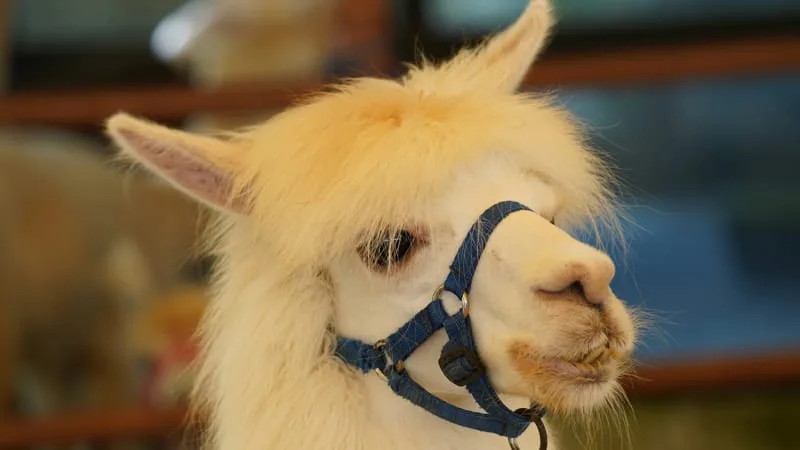
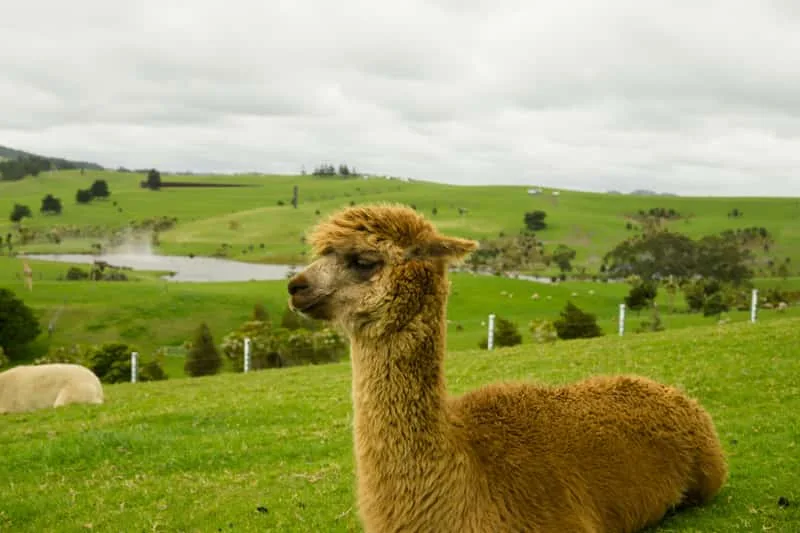
Suri alpaca fiber comes from a rare breed of alpaca found primarily in Peru, Bolivia, and Ecuador. Unlike the more common Huacaya alpaca, Suri alpacas produce long, silky, lustrous fibers that resemble dreadlocks. These fibers are ideal for luxury fashion and textiles that require drape and sheen. As one of the world’s rarest natural fibers, Suri alpaca is sustainably produced and ethically harvested, offering a hypoallergenic, eco-conscious alternative to cashmere and silk.
1. What is Suri Alpaca Fiber?
Suri alpaca fiber is a rare, ultra-soft wool harvested from the Suri breed of alpaca, which makes up only about 10–15% of the world’s alpaca population. These animals are native to the Andes Mountains, primarily in Peru, but also found in Bolivia, Ecuador, and small populations in the U.S. and Australia.
Unlike the fluffy Huacaya alpacas, Suri alpacas grow long, straight, and lustrous locks that hang in ringlets or dreadlock-like structures. This gives the fiber a unique silk-like appearance, exceptional drape, and high sheen, making it distinct among all other luxury wools.
2. Key Properties of Suri Alpaca Fiber
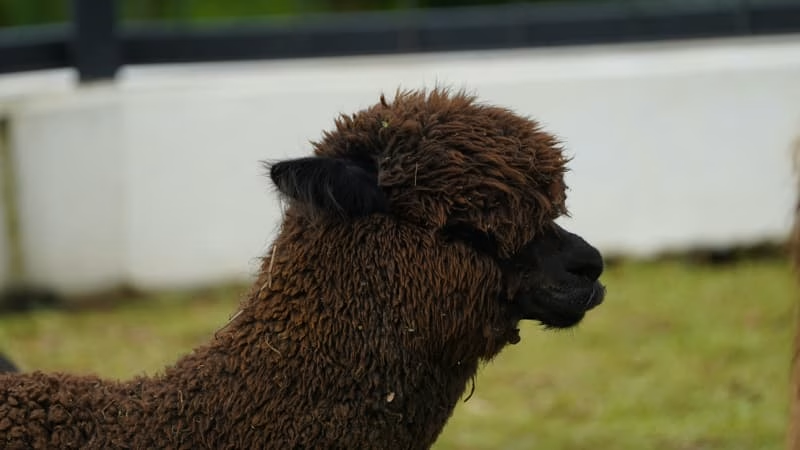
Suri alpaca is often compared to silk, cashmere, and even vicuña for its elegance and softness. The fiber typically measures 16–22 microns, depending on age and animal quality.
Its standout properties include:
- High luster and shine
- Excellent drape for flowing garments
- Incredibly soft and smooth surface
- Strong and durable
- Naturally hypoallergenic (lanolin-free)
- Thermoregulating and breathable
Unlike wool from sheep, Suri fiber doesn’t have scales that cause itchiness, making it ideal for people with wool sensitivities.
3. Suri vs Huacaya Alpaca
| Characteristic | Suri Alpaca | Huacaya Alpaca |
|---|---|---|
| Fiber Structure | Long, straight, silky locks | Crimped, fluffy fleece |
| Luster | Very high | Moderate |
| Drape | Excellent | Moderate |
| Softness | Equal to or softer | Soft |
| Availability | ~10–15% of alpacas | ~85–90% of alpacas |
| Ideal Uses | Draped garments, scarves, couture | Sweaters, socks, blankets |
4. Harvesting and Processing
Suri alpacas are typically shorn once a year by hand. A single animal yields 4–8 pounds of raw fleece annually. The fiber requires minimal processing because of its smooth texture and natural cleanliness.
After shearing, the fiber goes through sorting, washing, and sometimes dehairing, although the Suri fleece has very little coarse fiber. The best Suri fleeces are classified as “Royal” or “Baby” Suri, indicating high softness and uniformity.
The fiber is usually left in its natural colors—ranging from white and beige to silver-gray, brown, and black—though it takes dye beautifully due to its smooth surface.
5. Uses in Fashion and Textiles
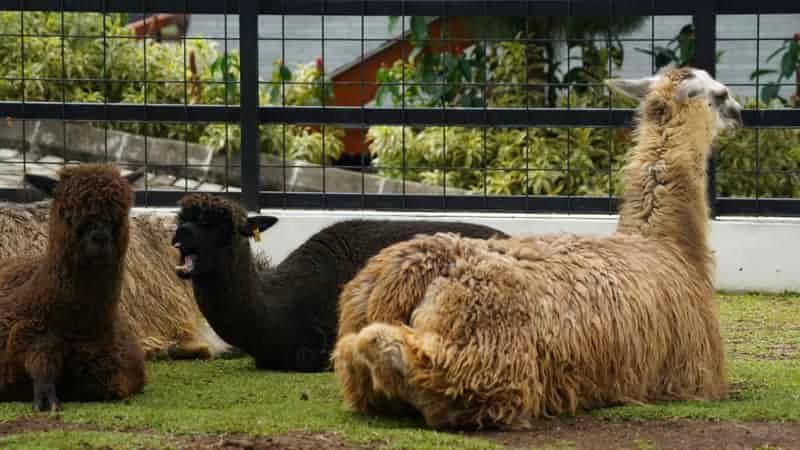
Because of its luxurious qualities, Suri alpaca is used in high-end and couture fashion. It is particularly favored in garments that require fluidity and sheen, such as:
- Scarves and shawls
- Capes and wraps
- Dresses and gowns
- Lightweight coats
- Ponchos and ruanas
Blended with silk or fine merino, Suri fiber gains elasticity while retaining its elegance.
6. Sustainability and Ethics
Alpaca farming is among the most environmentally responsible in the textile world. Key reasons include:
- Alpacas have soft, padded feet that don’t damage the terrain
- They consume less water and food than sheep or goats
- Suri fiber is harvested through shearing, not killing
- No chemical treatments are required in processing
- Local Andean communities benefit economically from alpaca farming
As a result, Suri alpaca is considered one of the most eco-friendly and ethical natural fibers on the luxury market.
7. Care and Maintenance
Despite its softness and sheen, Suri fiber is quite durable. For best results:
- Hand wash in cool water with gentle wool-safe soap
- Avoid wringing; gently squeeze out excess water
- Lay flat to dry in shade
- Store in breathable cotton or linen bags to prevent moth damage
Proper care ensures the fiber retains its drape, color, and luster over time.
8. Cultural and Economic Importance
Alpacas have been domesticated in the Andes for over 6,000 years. Suri fiber was once reserved for Inca royalty due to its rarity and beauty. Today, it continues to support rural Andean communities, many of whom rely on small-scale alpaca farming as their main livelihood.
Organizations like the International Alpaca Association and Peruvian Alpaca Institute help preserve breed quality, ensure ethical practices, and promote global awareness of alpaca fiber’s potential.
Conclusion
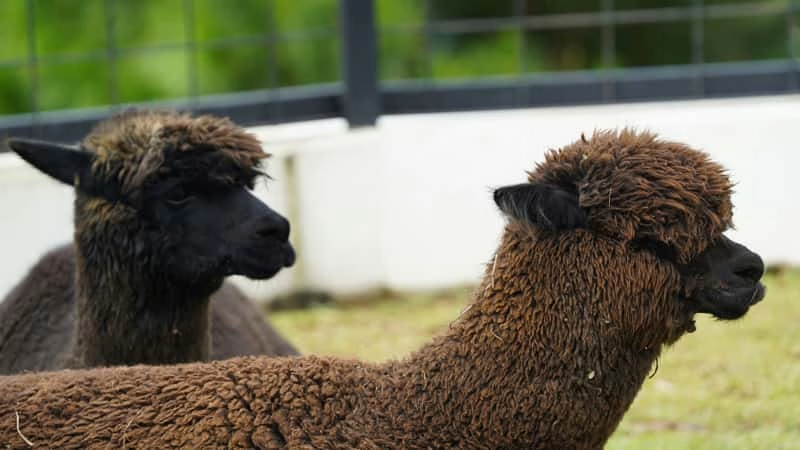
Suri alpaca fiber is a perfect fusion of nature’s elegance and sustainability. With its glossy finish, breathable warmth, and rare status, it elevates textile design to a level of luxury that is as responsible as it is beautiful. In a world increasingly drawn to ethical fashion, Suri stands out not only for what it feels like—but for what it stands for.
Citations & References:
- International Alpaca Association – Suri Breed Standards
- The Sustainable Alpaca Network – Environmental Impact Studies
- Peruvian Alpaca Institute – Suri Alpaca Market Reports
- Textile Exchange – “Luxury Animal Fibers 2024”
- Alpaca Owners Association – Suri Fleece Evaluation Guide
- Journal of Natural Textiles – Suri Alpaca vs Huacaya Performance
- Global Fiber Watch – Rare and Heritage Wool Types




It’s impressive that Suri alpaca fiber is both rare and environmentally friendly, making it a great fit for sustainable fashion.
Great new for geometry slope