Home » Articles

Textile engineering articles

Page 32 of 84

textile career and networking

Textile Jobs and Careers

Textile jobs and careers span a diverse range of opportunities, blending traditional skills with modern digital and sustainability innovations. This comprehensive guide explores the evolution of textile careers, salary benchmarks, emerging roles, and reskilling resources. It offers actionable insights for industry professionals and students, highlighting how roles such as sustainability compliance officers and digital textile designers are reshaping the future of textiles.

Read more »

Article

innovative fabric

Future of Textiles

Smart textiles and sustainable innovations are redefining the textile industry. This comprehensive guide explores the future of textiles by examining advanced digital integration, AI-driven supply chains, blockchain traceability, and biomaterial investments. It highlights how these technologies are transforming production processes, boosting efficiency, and reducing environmental impact, ultimately paving the way for a new era of customized, high-performance textiles.

Read more »

Article

prosthetic hand

Medical Textiles Overview

Medical textiles are revolutionizing healthcare by integrating advanced materials and digital technologies to create smart, responsive fabrics that improve patient outcomes. This comprehensive guide covers the evolution, applications, and innovations in medical textiles, including 3D-printed vascular grafts, antimicrobial sutures, and IoT-enabled wearable systems. By embracing sustainable practices and adhering to rigorous quality standards, the industry is paving the way for a future where medical textiles play a crucial role in enhancing both clinical performance and environmental sustainability.

Read more »

Article

smart textiles-1

What are Smart Textiles?

Smart textiles revolutionize the fabric industry by integrating digital technology, sensors, and advanced materials to create interactive and adaptive textiles. This comprehensive guide delves into the evolution, applications, and economic benefits of smart textiles, comparing traditional production with modern innovations and offering insights into IoT integration, material science, and sustainability. By embracing these cutting-edge technologies, manufacturers can enhance product functionality, meet consumer demand for eco-friendly solutions, and secure a competitive edge in the global textile market.

Read more »

Article

organic cotton farm-1

Organic Cotton Farming

Organic cotton farming revolutionizes textile production by embracing sustainable practices that conserve water, enhance soil health, and reduce chemical usage. This comprehensive guide delves into every aspect of organic cotton farming—from soil preparation and natural pest management to digital integration and regional challenges—providing industry professionals with actionable insights to optimize yields and produce superior eco-friendly fibers. Embracing these advanced practices not only meets market demands but also paves the way for a sustainable and profitable future in textiles.

Read more »

Article

recycling plant

Recycled Polyester

Recycled polyester drives the textile industry’s transition toward sustainability by transforming post-consumer and industrial waste into high-quality fibers. This comprehensive guide compares chemical and mechanical recycling methods, details advanced processing and digital integration techniques, and highlights the economic and environmental benefits of recycled polyester. With certifications like the Global Recycled Standard ensuring product quality, recycled polyester offers a competitive edge for eco-friendly textile production.

Read more »

Article

textile fabric printing

Fabric Dyeing Techniques

Fabric dyeing techniques bridge the gap between traditional craftsmanship and modern digital innovation. This comprehensive guide explores methods ranging from conventional piece and garment dyeing to advanced digital textile printing, emphasizing eco-friendly dyes such as microbial pigments. By understanding the intricate interplay between dye chemistry, fiber structure, and processing technologies, textile professionals can optimize dyeing processes to achieve superior color quality, sustainability, and market competitiveness.

Read more »

Article

textile spinning machinery

Basics of Yarn Spinning

Yarn spinning is the fundamental process that transforms raw fibers into high-quality yarns, forming the basis for all textile products. This in-depth exploration covers the evolution, techniques, machinery, and innovations in yarn spinning, highlighting how factors such as drafting, twist, and fiber alignment influence yarn quality. By integrating advanced digital technologies and sustainable practices, modern spinning methods drive efficiency and product excellence, meeting the evolving demands of the textile industry.

Read more »

Article

Properties of Regenerated Cellulosic Fibers (Modal, Lyocell)

Regenerated cellulosic fibers like Modal and Lyocell offer a unique combination of strength, softness, and sustainability that makes them indispensable in modern textile manufacturing. This comprehensive study explores how fiber morphology and advanced testing methods such as digital microscopy, SEM, FTIR, and XRD influence dye uptake and overall fabric quality. By integrating cutting-edge digital technologies and sustainable practices, manufacturers can optimize fiber properties to produce superior, eco-friendly textiles that meet evolving market demands.

Read more »

Article

microscope

Fiber Morphology and Its Effect on Dye Uptake

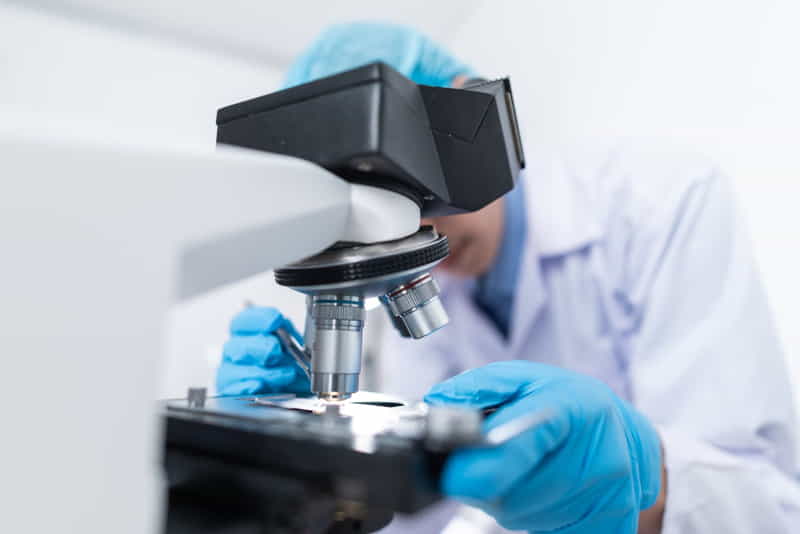
Fiber morphology, encompassing fiber length, surface roughness, and cross-sectional structure, plays a decisive role in dye uptake and overall textile quality. This comprehensive study explores advanced testing methods—such as laser diffraction, digital image analysis, SEM, FTIR, and XRD—to reveal how subtle differences in fiber structure can dramatically affect dye performance. By integrating these cutting-edge techniques into quality control processes, manufacturers can optimize dyeing efficiency, enhance product durability, and drive innovation in textile manufacturing.

Read more »

Article

Scroll to Top