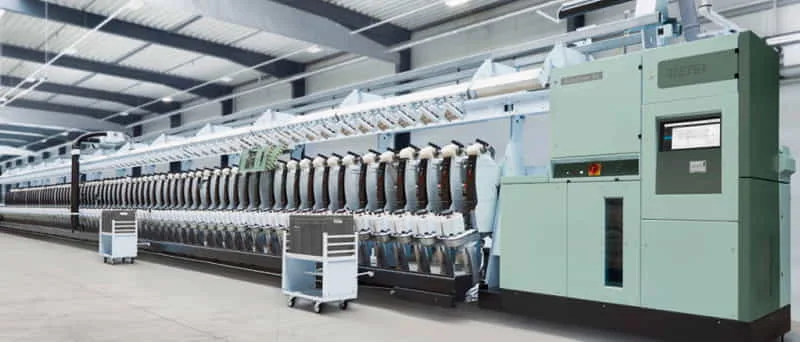
Yarn spinning is at the very core of textile production, transforming raw fibers into continuous yarns that form the foundation for fabrics used in apparel, home textiles, and technical applications. Over centuries, spinning has evolved from manual methods to highly sophisticated, automated processes that integrate digital technology, ensuring high-quality yarn production with consistency and precision. This article delves into the fundamentals of yarn spinning, examining its history, the science behind fiber selection and processing, various spinning techniques, advanced machinery, quality control methods, and the latest technological innovations that continue to drive the industry forward.
Spinning is not just a mechanical process; it is a fine blend of art and engineering where the properties of fibers—such as length, fineness, and strength—are harnessed to produce yarns with specific characteristics. Whether you are a student, a textile professional, or an enthusiast, understanding the intricacies of yarn spinning is crucial for appreciating how high-quality fabrics are made.
Introduction to Yarn Spinning
Yarn spinning is the process of twisting together fibers to create a continuous thread or yarn. The properties of the resulting yarn depend on various factors including the type of fiber used, its length, and the spinning method applied. There are two primary categories of fibers used in spinning: staple fibers, which are short and need to be spun together, and filament fibers, which are continuous strands. The choice between these fiber types and the method of spinning directly affects the yarn’s strength, texture, and suitability for different textile applications.
Modern spinning operations have incorporated digital controls and automation, ensuring that spinning parameters such as twist, drafting, and tension are optimized for maximum yarn strength and quality. For additional insights on the basics of spinning, visit the TextileSchool yarn spinning section.
Historical Development of Yarn Spinning
The art of yarn spinning dates back thousands of years. Early civilizations used hand-spinning techniques with simple tools like spindles and drop spindles to create basic yarns from natural fibers. Over time, technological advancements led to the invention of the spinning wheel in the medieval period, which dramatically increased production speed and yarn uniformity.
The Industrial Revolution brought mechanization to spinning with the introduction of machines such as the spinning jenny, water frame, and mule. These machines enabled mass production of yarn, paving the way for the modern textile industry. Today, spinning has evolved into a digital and automated process that integrates sophisticated machinery and real-time monitoring systems to produce yarn with unprecedented consistency and quality.
The evolution of yarn spinning reflects the constant drive for efficiency and quality improvement. Each innovation has built upon the previous, transforming spinning from a labor-intensive craft into a high-tech manufacturing process.
Fundamental Principles of Yarn Spinning
Fiber Selection and Preparation
The foundation of any successful yarn lies in the quality of the fibers used. The selection process involves choosing fibers based on their length, fineness, strength, and other properties. Natural fibers such as cotton, wool, and linen, as well as synthetic fibers like polyester and nylon, each offer unique advantages. The fiber selection determines the final yarn’s characteristics and its suitability for various applications.
Once the fibers are selected, they undergo preparation processes such as cleaning, carding, and combing. Carding aligns the fibers into a continuous web, while combing removes short fibers and neps, ensuring uniformity and enhancing the overall quality of the yarn.
Drafting and Twist
Drafting is a critical stage in spinning, where the fiber mass is stretched to align the fibers and reduce its thickness. This process not only increases the fiber alignment but also contributes to the uniformity of the yarn. Following drafting, the introduction of twist binds the fibers together, creating a strong, cohesive yarn. The twist level must be carefully controlled: too little twist may result in weak yarn, while excessive twist can lead to stiffness and a harsh hand.
Inter-Fiber Friction and Yarn Strength
The strength of yarn is largely influenced by inter-fiber friction, which is the friction between individual fibers that holds the yarn together. Longer fibers, or fibers that are well aligned, offer more contact points, thereby increasing friction and resulting in a stronger yarn. This is one reason why high-quality yarns are often produced from long-staple fibers, as they provide greater uniformity and strength.
Types of Yarn Spinning Processes
Modern yarn spinning processes can be broadly categorized into two types: ring spinning and open-end (rotor) spinning. Each method has distinct advantages and is chosen based on the desired yarn characteristics and production requirements.
Ring Spinning
Ring spinning is the most traditional and widely used method for producing high-quality yarn. In this process, fibers are continuously drafted, twisted, and wound onto bobbins in a highly controlled manner. Ring spinning is known for its ability to produce yarns with excellent strength, softness, and uniformity, making it ideal for fine textiles such as dress shirts, suits, and high-end knitwear.
Key advantages of ring spinning include:
- Superior yarn strength and consistency due to controlled twist insertion.
- Enhanced softness and a refined appearance.
- Flexibility to produce a wide range of yarn counts and qualities.
For a detailed explanation of ring spinning, refer to the TextileSchool ring spinning page.
Open-End (Rotor) Spinning
Open-end spinning, also known as rotor spinning, is a faster process that produces yarn by collecting fibers in a rotor chamber where they are twisted together. Although this method is generally less expensive and faster than ring spinning, it tends to produce yarn with slightly lower strength and uniformity. Open-end spinning is widely used in applications where cost efficiency and high production speed are critical, such as in denim, towel, and certain industrial fabrics.
Key characteristics of open-end spinning include:
- High production speed and lower energy consumption.
- Slightly lower yarn quality compared to ring-spun yarns.
- Ideal for mass-market and cost-sensitive applications.
Compact Spinning and Air-Jet Spinning
Advancements in spinning technology have led to the development of compact spinning and air-jet spinning methods. Compact spinning improves on traditional ring spinning by reducing the amount of air entrapped in the yarn, resulting in a yarn that is stronger and less hairy. Air-jet spinning, which uses high-pressure air to twist fibers, offers an even faster production process while maintaining acceptable quality for certain applications.
These methods provide textile manufacturers with additional options to balance quality and production efficiency based on market demands.
Machinery and Technology in Yarn Spinning
Modern yarn spinning is driven by sophisticated machinery and integrated digital systems that ensure precision and consistency. Key pieces of equipment include:
Carding Machines
Carding machines are used to align fibers into a continuous web and remove impurities. Advanced carding machines utilize computer-controlled systems to monitor fiber alignment, ensuring uniformity in the sliver produced.
Combing Machines
Combing machines further refine the fiber web by removing short fibers and neps, resulting in a smoother and more consistent fiber mass. The combing process is crucial for producing high-quality yarn, particularly for fine cotton and wool textiles.
Spinning Frames
Spinning frames, whether used in ring spinning or rotor spinning, are at the heart of the yarn production process. These machines control the drafting, twist insertion, and winding of yarn onto bobbins. Modern spinning frames are equipped with digital controls and sensors that allow for real-time monitoring and optimization of spinning parameters.
Digital Integration and Automation
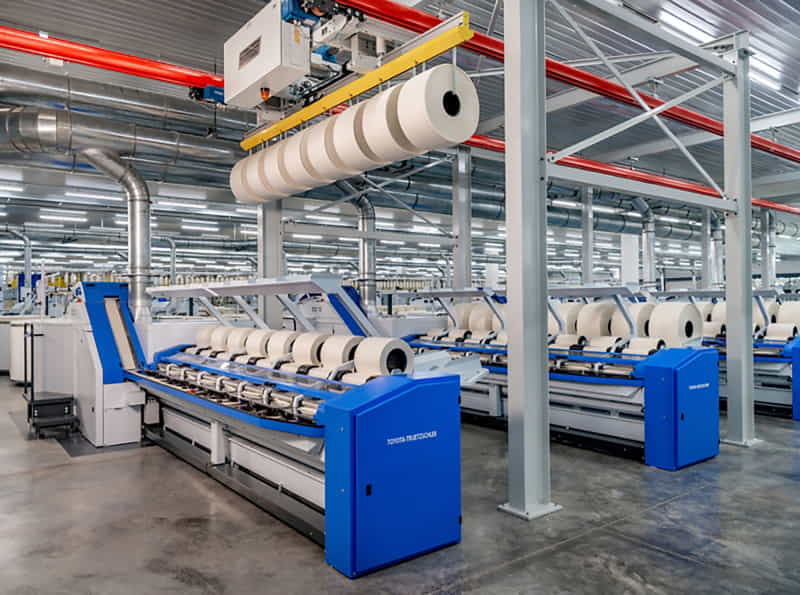
Digital integration has revolutionized yarn spinning. Many modern spinning mills use automated systems that monitor parameters such as fiber length, twist, drafting ratio, and tension. These systems use sensors, digital cameras, and AI-driven analytics to ensure that every spool of yarn meets the desired quality standards. This integration not only improves efficiency but also reduces waste and increases production consistency.
Factors Affecting Yarn Quality
Yarn quality is determined by a myriad of factors, many of which are directly influenced by the spinning process. Understanding these factors is key to producing yarn that meets the high standards of today’s textile industry.
Fiber Characteristics
The inherent properties of the fibers—such as length, fineness, strength, and elasticity—play a crucial role in yarn quality. Longer, more uniform fibers tend to produce stronger, smoother yarns with fewer weak points. Conversely, fibers with high variability or shorter lengths can lead to yarns that are prone to breakage and pilling.
Drafting and Twist
The drafting process, which stretches the fiber mass to align the fibers, is critical for ensuring uniformity. The twist inserted during spinning binds the fibers together, and the optimal twist level depends on the fiber type and desired yarn characteristics. An inadequate twist can lead to weak yarn, while excessive twist can result in a stiff, less flexible product.
Machine Settings and Environmental Conditions
Modern spinning machines offer precise control over various parameters, including drafting ratio, twist multiplier, and tension. Environmental conditions such as humidity and temperature also affect fiber behavior and the quality of the yarn produced. Maintaining optimal conditions and machine settings is essential for consistent yarn quality.
Quality Control and Testing
Ensuring high-quality yarn requires rigorous quality control at every stage of production. Advanced testing methods and instrumentation are used to monitor yarn properties in real time, providing critical feedback that helps maintain consistency.
Tensile Testing
Tensile testing machines measure the breaking strength and elongation of yarn, providing valuable data on the mechanical performance of the yarn. This data is essential for understanding how fiber characteristics and spinning parameters affect yarn strength.
Uster Evenness Testing
The Uster Evenness Tester is a widely used instrument that measures yarn evenness and hairiness. By analyzing variations in yarn thickness and the presence of protruding fibers, manufacturers can assess the quality of the spinning process and make necessary adjustments.
Digital Image Analysis
Digital image analysis systems capture high-resolution images of yarn cross-sections and fiber alignments. These systems provide quantitative data on fiber distribution and uniformity, enabling manufacturers to optimize spinning parameters for improved quality.
For more information on quality control methods, visit the TextileSchool quality testing page.
Advancements in Yarn Spinning Technology
The evolution of yarn spinning technology has been marked by continuous improvements in machinery, automation, and digital integration. These advancements have not only increased production efficiency but have also elevated the quality of the final yarn product.
AI-Driven Process Optimization
Artificial intelligence and machine learning algorithms are now integrated into spinning systems to analyze production data in real time. These systems predict optimal spinning parameters, adjust machine settings automatically, and reduce human error. AI-driven process optimization ensures that each batch of yarn meets stringent quality standards while minimizing waste.
Digital Twin Technology
Digital twin technology creates a virtual replica of the spinning process, allowing manufacturers to simulate various scenarios and predict the outcomes of different process adjustments. This technology provides valuable insights into the impact of fiber properties, machine settings, and environmental conditions on yarn quality, leading to more precise control and continuous improvement.
IoT and Real-Time Monitoring
The integration of IoT (Internet of Things) devices in spinning mills has revolutionized quality control. Sensors embedded in spinning machines continuously monitor parameters such as fiber length, twist, and tension, transmitting data to central control systems. Real-time monitoring allows for immediate adjustments and ensures that production remains consistent, enhancing overall yarn quality.
Sustainable Spinning Practices
Sustainability is a growing priority in the textile industry. Modern spinning techniques focus on reducing energy consumption, minimizing waste, and utilizing recycled fibers without compromising quality. Advances in spinning technology are driving the development of eco-friendly production processes that meet both economic and environmental goals.
Applications and Market Impact
The quality and properties of yarn directly influence the performance of fabrics used in a wide range of applications. High-quality yarns are essential for producing premium apparel, durable home textiles, and specialized technical fabrics.
Apparel and Fashion
In apparel, the yarn’s strength, softness, and uniformity determine the fabric’s drape, comfort, and longevity. Premium garments, such as high-end shirts, suits, and knitwear, rely on meticulously spun yarns that offer a refined hand and consistent performance. Advanced spinning techniques ensure that each yarn meets the rigorous demands of the fashion industry, enhancing both aesthetic appeal and durability.
Home Textiles
Home textiles, including bed linens, towels, and upholstery fabrics, benefit from yarns with superior tensile strength and color retention. The consistent quality achieved through advanced spinning processes ensures that these fabrics remain soft, vibrant, and long-lasting, even after repeated use and washing.
Technical and Industrial Applications
Technical textiles require yarns with exceptional strength, durability, and performance characteristics. Industries such as automotive, medical, and geotextiles demand materials that can withstand harsh conditions and maintain their structural integrity over time. Advanced spinning technologies allow manufacturers to produce yarns that meet these stringent requirements, opening up new opportunities in high-performance and technical textile applications.
Economic and Environmental Considerations
Cost Efficiency and Production Yield
Investing in advanced spinning technologies and quality control systems can lead to significant cost savings in the long term. Higher yarn quality reduces defects and rework, leading to increased production yields and lower operational costs. While the initial capital investment may be high, the economic benefits—such as reduced waste, improved product performance, and access to premium markets—justify the expenditure.
Environmental Impact and Sustainability
Modern spinning practices are increasingly aligned with sustainability goals. The use of recycled fibers, energy-efficient machinery, and eco-friendly processing techniques contributes to reducing the environmental footprint of yarn production. Sustainable spinning not only meets regulatory standards but also appeals to environmentally conscious consumers, driving market demand for green textiles.
Future Trends and Innovations in Yarn Spinning
Hybrid Spinning Techniques
Future innovations in yarn spinning are likely to focus on hybrid techniques that combine the best aspects of traditional and modern methods. For example, hybrid spinning may integrate elements of ring spinning and rotor spinning to produce yarns that are both high in quality and efficient in production. Such techniques aim to optimize fiber alignment, twist, and strength, ensuring that yarns meet the evolving demands of diverse textile applications.
Integration of Advanced Analytics
The integration of big data and advanced analytics into spinning processes will continue to transform quality control and process optimization. By leveraging real-time data from spinning machinery, manufacturers can further refine their production parameters and predict potential defects before they occur. The ongoing evolution of digital twin technology will provide even more accurate simulations of the spinning process, driving continuous improvements in yarn quality.
Innovations in Fiber Blending
Fiber blending techniques are set to become more sophisticated as manufacturers seek to combine the strengths of different fiber types. Blending natural and synthetic fibers, or combining fibers with varying lengths and properties, can result in yarns that offer a unique balance of performance, comfort, and aesthetic appeal. These innovations will enable textile companies to cater to niche markets and develop specialized products that meet the demands of modern consumers.
Sustainable and Eco-Friendly Production
Sustainability will remain at the forefront of yarn spinning innovation. Future research will focus on reducing energy consumption, minimizing waste, and developing closed-loop recycling systems that preserve fiber quality. Advances in eco-friendly spinning practices will further reduce the environmental impact of yarn production, ensuring that textile manufacturers can meet both regulatory requirements and consumer expectations for sustainable products.
For more detailed updates on industry trends, visit the ASTM International website.
Conclusion and Summary
The basics of yarn spinning form the backbone of textile manufacturing, where the transformation of raw fibers into continuous yarn is both a science and an art. This comprehensive study has explored the historical evolution, fundamental principles, various spinning processes, and advanced machinery involved in yarn spinning. Key factors such as fiber selection, drafting, twist, and inter-fiber friction are critical to determining yarn quality. Modern spinning techniques—ranging from traditional ring spinning to advanced digital spinning systems—ensure that the resulting yarns meet the high standards demanded by apparel, home textiles, and technical applications.
Technological advancements such as AI-driven process optimization, digital twin integration, and real-time quality monitoring have revolutionized yarn spinning, leading to increased production efficiency and enhanced product quality. Sustainable practices and innovations in fiber blending further contribute to a greener, more efficient textile industry. In summary, a deep understanding of the basics of yarn spinning is essential for producing high-quality yarns that form the foundation of superior textiles. This knowledge not only drives innovation but also empowers manufacturers to meet the evolving demands of a competitive market while promoting sustainability and cost-efficiency.