Establishing good practices can significantly improve working conditions, increase workplace safety and raise productivity. The following are some simple good practices for the apparel industry. They are cost-efficient and easy to implement.
Microencapsulation is one of the latest technologies used to impart an array of unique characteristics to a garment.Particles filled with active ingredients are applied to the fabric or garments for long-lasting effects.Odor control is a hot topic in the apparel and hosiery arenas. Odor can be controlled by applying an antimicrobial finish, removing the odor molecules as they are formed or covering up the odor with a fragrance.Stain resistant finishes are no longer considered a niche market.
In total, all the trimmings used for the garment can be substantial cost item and so their selection and use requires careful considerations. There is no point in improving materials utilization if the savings made are thrown away by using expensive tapes as stay tapes. The professional approach is: sufficient for the intended purpose no more.
Ironing and pressing machines are vital components of the garment industry, contributing significantly to the quality, appearance, and efficiency of clothing production. Understanding the various types of machines, their functions, and their applications is essential for garment manufacturers to make informed decisions and optimize their production processes. Whether it’s achieving wrinkle-free finishes, customizing garments with graphics, or ensuring the precision of seams and creases, the right ironing and pressing machine plays a pivotal role in delivering high-quality clothing items to consumers. As the garment industry continues to evolve, these machines will remain indispensable tools, driving innovation and excellence in garment manufacturing processes.
This comprehensive guide explores the manufacturing processes of irons and the technical components of industrial pressing machines. From material selection and construction to the four fundamental pressing elements—steam, pressure, drying, and time—this article provides essential knowledge for textile professionals and manufacturing engineers.
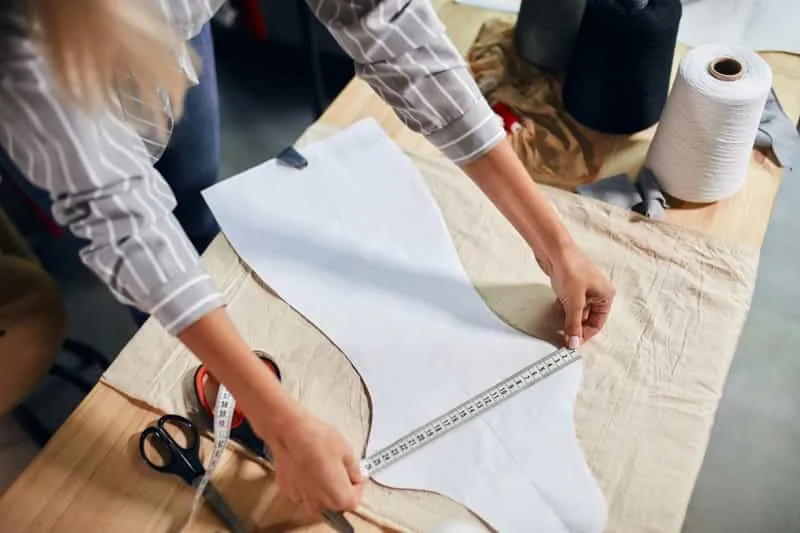
Where large quantities of a garment style must be cut, a layer is created which consists of many piles of fabric spread one above the other. From this, all the garment pieces for all the sizes that have been planned for that layer are cut. The pattern shapes for these garments may be drawn on a paper marker placed on top of the lay, or information as to their shape and position may be held within a computer, to be plotted similarly on a paper marker or used to drive an automatic cutter.
There are many ways to mark the inside of a garment, but experts use tailor tacks most often. A tailor tack is a short length of thread placed in the fabric. Correctly done, it is the safest way to mark, and can be used on more fabrics than any other marking system.
After all the pattern pieces are cut, you can begin marking each piece. It provides “road signs” showing where to sew and press. It will also speed your sewing time when done correctly. Marking will take only a little time and is not as tiring as using the tracing wheel or placing the pattern back on the fabric to look for a lost detail. There are 2 types of notches Pattern notches and center notches.
Accurate marking throughout garment construction is extremely important. This process begins with marking pattern symbols. How and where to mark the garment will aid in putting the garment together. Marking should be done as soon as the garment sections have been cut and before the pattern pieces have been removed. Pattern symbols to be marked include darts, pleats, tucks, and matching circles. Beginners should also mark seam lines. In some situations, marking a seamline is important to even the most
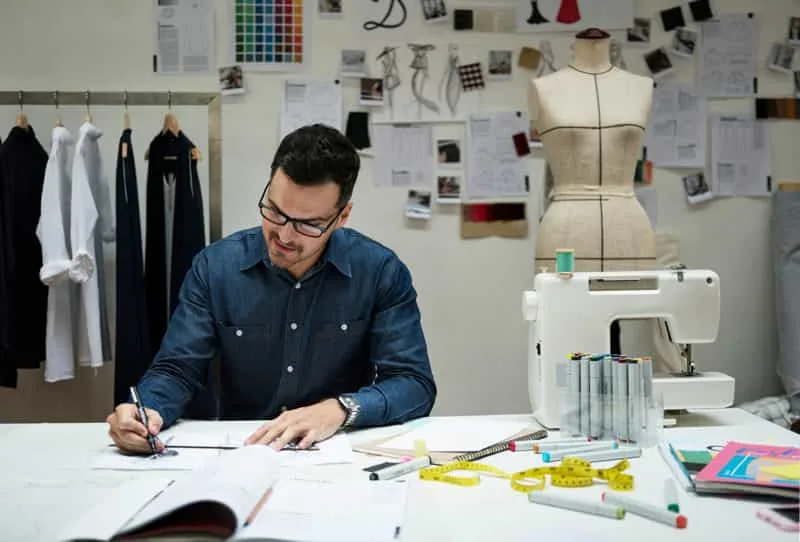
Sketching is an important tool for any sewer—it serves as a roadmap for all phases of garment creation, from fabric and color selection to actual construction. If you can sketch, you can record fashions seen on the street, work out design details, and communicate your ideas to others.