Textile School

boys-wear

Fabrics for Men’s and Boy’s Wear

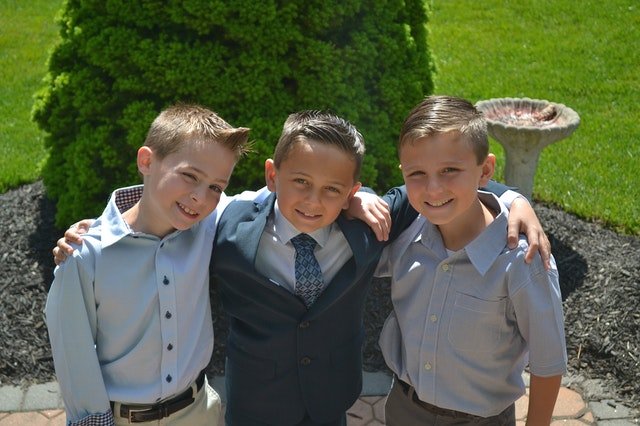
Men’s clothing includes garments such as suits, topcoats, cover coats, jackets, and slacks. Boy’s clothing includes suits, topcoats, overcoats, jackets, and raincoats. With the emergence of fashion as selling force, there are more divisions of men’s and boy’s section in department and specialty stores.

Fabrics for Men’s and Boy’s Wear Read More »

fabrics

Fabric Identification for Garment Making

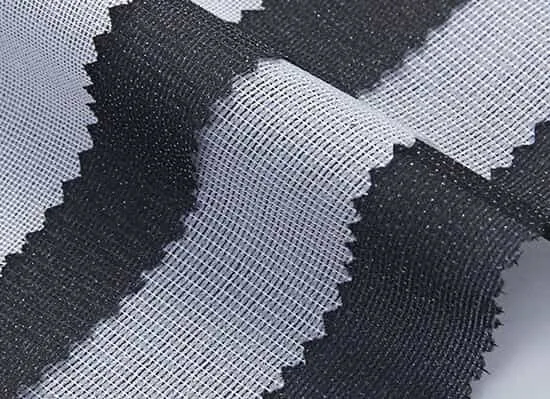
The vast variety of fabrics available today makes their identification important.We know that variety is created by using different fibers in combination. Knowledge of the fiber content of a fabric is, therefore, necessary to know its suitability, use, and care. Labels and salespersons are not always able to guide us.Fabric samples, Fabric specification, lead times are some of the ways to identify the fabric.

Fabric Identification for Garment Making Read More »

mens-briefs

Types of Men’s underwear/Brief styles

Todays’ designers are coming up with a new design every now and then. Some of the common styles of briefs are a boxer, bikini, Boser brief, Trunk, Brief, Long underwear, Mesh underwear, Tapered boxers, String Bikini, Long John’s, Jockstrap. Each of this style has been designed keeping certain factors in mind. Based on an individuals choice, one chooses a particular style.

Types of Men’s underwear/Brief styles Read More »

men's briefs

Men’s Underwear – Briefs

There are many different types of underwear for men in both modern and classic styles. This wide array of men’s underwear includes boxer brief, bikini, trunk, and boxer.In many cases, it depends on where they are going and what they will be doing that determines the type of underwear they will choose. Most men wear standard underwear briefs when they go to work or when they are at the gym. But other men like to wear boxer shorts, which they claim are more comfortable.Men’s underwear is available

Men’s Underwear – Briefs Read More »

fabrics

Physical Properties and characteristics of Fabrics

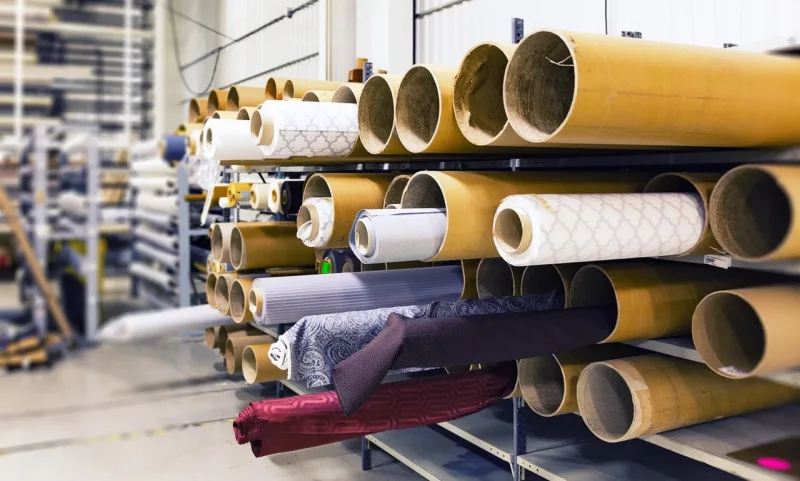
We need to make sure that the customer is aware of the properties and characteristics of the fabrics. It is the designer’s responsibility to select the appropriate fabrics for their intended applications, but it is the responsibility of the fabric producer to provide as much information as possible to help customers make appropriate fabric selections. Like physical properties, style characteristics, tactile characteristics, utility characteristics, durability and so on.

Physical Properties and characteristics of Fabrics Read More »

fabric selection for garment making

What is Fabric selection in apparel manufacturing?

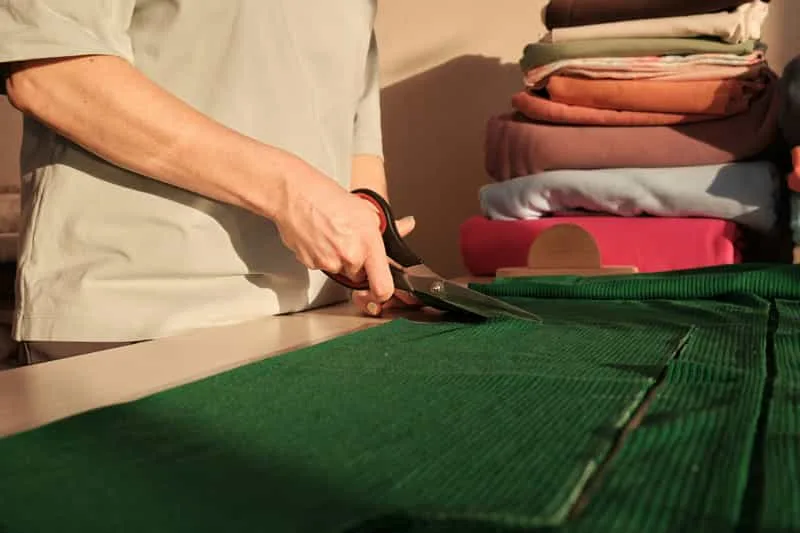
Fabric selection is a crucial step in designing a project because fabrics are designed for specific applications, a fabric manufactured for one purpose, may not be adaptable for another use.Therefore selecting the appropriate fabric is only the first step in providing serviceable fabrics for apparel manufacturing.Designers specify the fabric as part of their design concept. Designers may develop new styles for fabrics that have been successful.

What is Fabric selection in apparel manufacturing? Read More »

elements of garment designing

Elements of Garment Design

In creating a design one of the components that interact is the element of design. The element and principles of design are flexible and should be interpreted within the context of current fashion. A design can be defined as an arrangement of lines, shape, colors and texture that create a visual image. The principles of design are the rates that govern how elements are combined. The elements are therefore the raw materials that must be combined successfully.

Elements of Garment Design Read More »

Scroll to Top