Textile School

fabric design drawing

Textile Design in Apparel Making

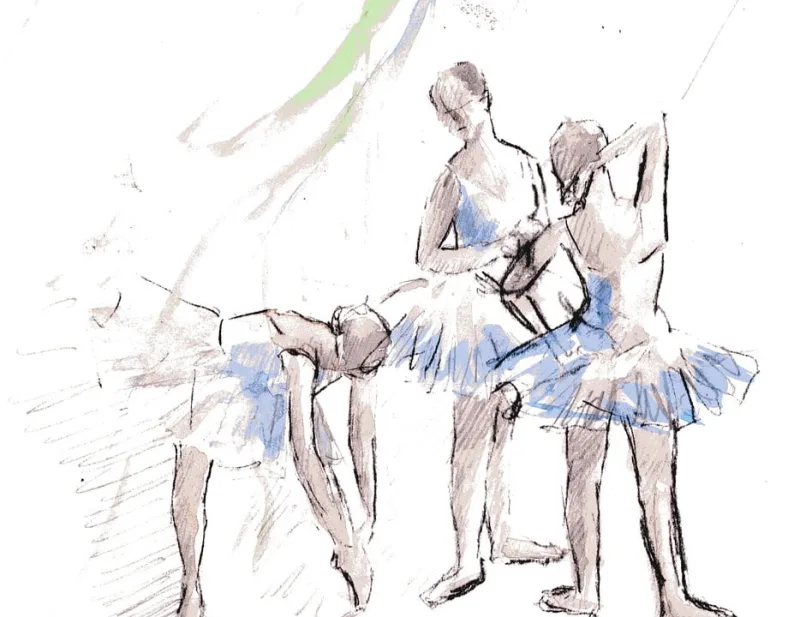
The design is an arrangement of part, form, color, fabric, and line. For example, to create a version of a style. This definition is applicable for apparel or clothing. In general, the design is arrangement putting out creative ideas on paper or any of the three-dimensional form.There are different types of designs such as industrial design, graphic design, textile design, fashion design, etc.

Textile Design in Apparel Making Read More »

culture

Clothing Signifying Culture

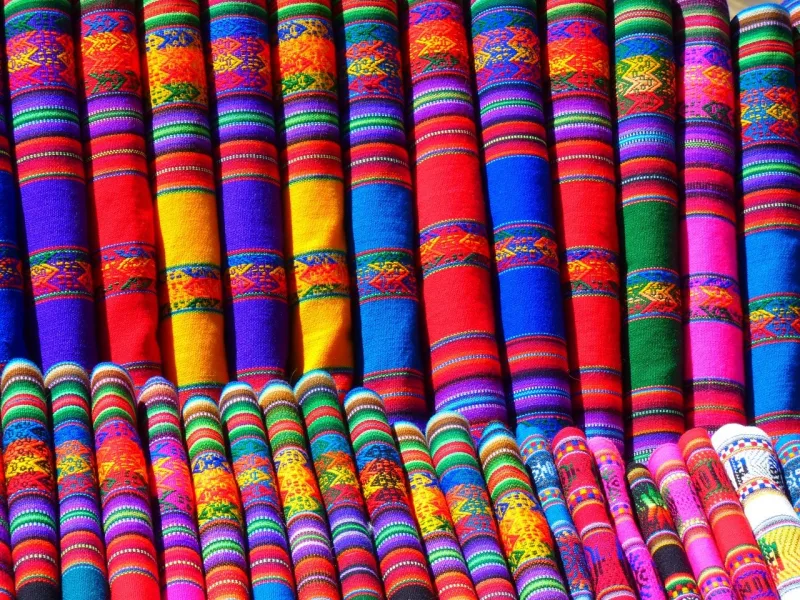
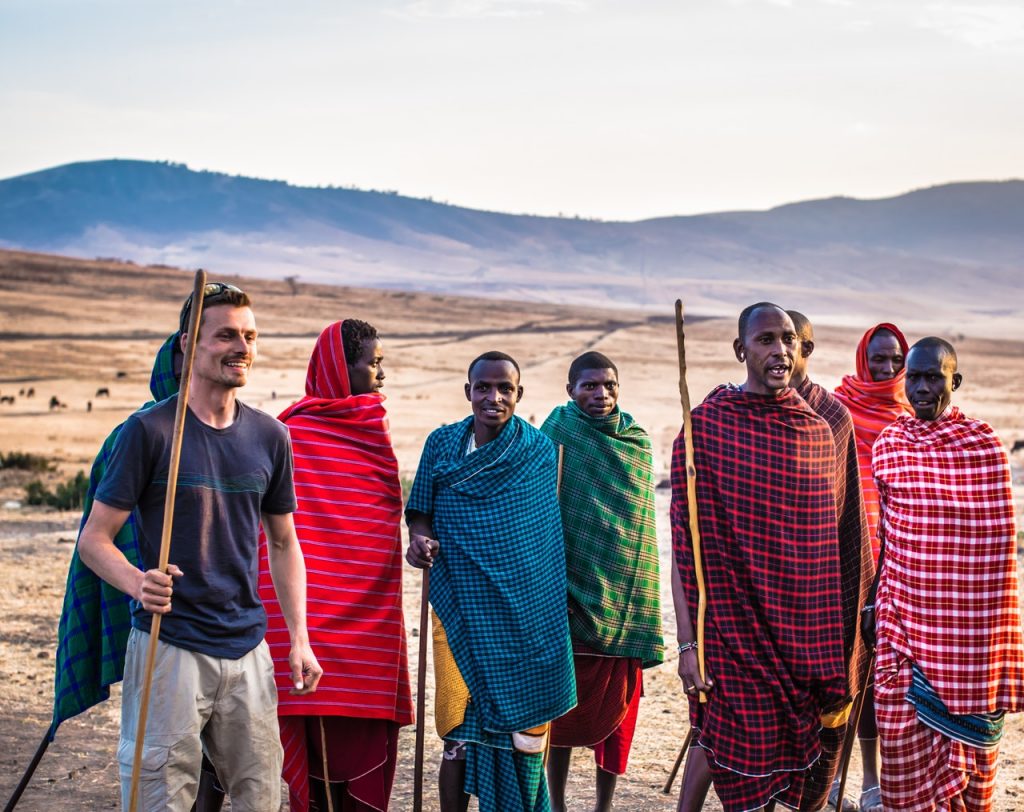
By looking at one’s clothing, you can learn something about the way people of that time thought and felt. Clothing differs from country to country. Every culture has had its unique clothing style.The styles reveal much about the people’s customers and beliefs. We refer to the customs, beliefs, values, and skills of a group of people as their culture.

Clothing Signifying Culture Read More »

clothing culture

Clothing and Design in Garment Making

The wish to decorate or beautify the human body has existed from the Stone Age when the early man painted his face and his body. Even though the beauty standards have changed, the desire remains constant.The evolution of clothing has been closely interlinked with factors such as the social, economic and technological progress of each period in the history of mankind.

Clothing and Design in Garment Making Read More »

eco textiles

Testing in Eco Textiles

Consumers are becoming conscious in regards to green and environmentally friendly consumer goods. They prefer products that have no harmful effect on the environment. The trend of green consumerism has been extended to textile and apparel products. Major European and U.S textile buyers have responded to this public awareness by viewing their textile products from an ecological standpoint and established certain requirements on textile products by undergoing certain predefined testing procedures.

Testing in Eco Textiles Read More »

eco textiles

What is Eco-Textiles?

The textile industry is considered as the most ecologically harmful industry in the world. The Eco-problems in textile industry occur during some production processes and are carried forward right to the finished product. In the production process like bleaching and then dyeing, the subsequent fabric makes a toxin that swells into our ecosystem.Therefore the need for eco-textiles is felt.Green textiles refer to clothing and other accessories that are designed to use the organic and recycled material.

What is Eco-Textiles? Read More »

weaving calculations

Weaving Calculations

Textile production relies on precise calculations at every stage—from warping and winding to sizing and weaving. This extensive guide presents a complete list of formulas and examples covering yarn count conversion, warp density, reed specifications, production efficiency, and advanced calculations such as warping, winding, sizing, and fabric production. Master these equations to enhance process control, reduce waste, and drive operational excellence in textile manufacturing.

Weaving Calculations Read More »

ring of ring frames

Arrangement and Schemtics of Ring Spinning

The traveller speed in a ring frame is the main limitation in achieving higher spindle speed because of the frictional resistance of traveller over the ring flange. The design, metallurgy, surface finish and breaking-in of the rings decide the speed at which a ring frame can be run without excessive end breaks. It is important to understand the schematics of the ring travellers in order to achieve maximum productivity from the ring spinning machines.

Arrangement and Schemtics of Ring Spinning Read More »

Scroll to Top