Fiber

Explains origins, morphology, properties, and classification of textile fibers. Compares moisture regain, tensile behavior, thermal response, and sustainability profiles. Includes selection charts that link fiber choice to end-use performance and cost. This section explains practical decision criteria, typical test methods, and failure modes that matter in real production. Readers get checklists, calculation steps, and case examples connecting specifications to cost, reliability, and compliance. Links map core concepts to upstream inputs and downstream processes so choices remain consistent across sourcing, manufacturing, and end-use performance. Each article includes definitions, diagrams where helpful, and plain-language notes to help newcomers ramp quickly while giving experienced professionals the depth needed to troubleshoot and optimize. Standards references are cited with context, and whenever trade-offs exist, we make them explicit so you can defend decisions.


Home » Fiber & Yarns » Fiber » Page 3
microfiber

Microfiber Production and Environmental Concerns

This article presents an in-depth exploration of microfiber production and its environmental concerns. It covers manufacturing processes, pollution challenges, regulatory standards, and sustainable innovations. Industry insights and real-world case studies provide actionable strategies for balancing performance with ecological responsibility.

Our comprehensive analysis of microfiber production highlights both its technological advantages and environmental challenges. We examined production techniques, microfiber pollution in ecosystems, and mitigation strategies. By embracing sustainable practices, advanced digital tools, and regulatory compliance, the textile industry can mitigate environmental impacts and drive innovation toward a greener future.

Microfiber Production and Environmental Concerns Read More »

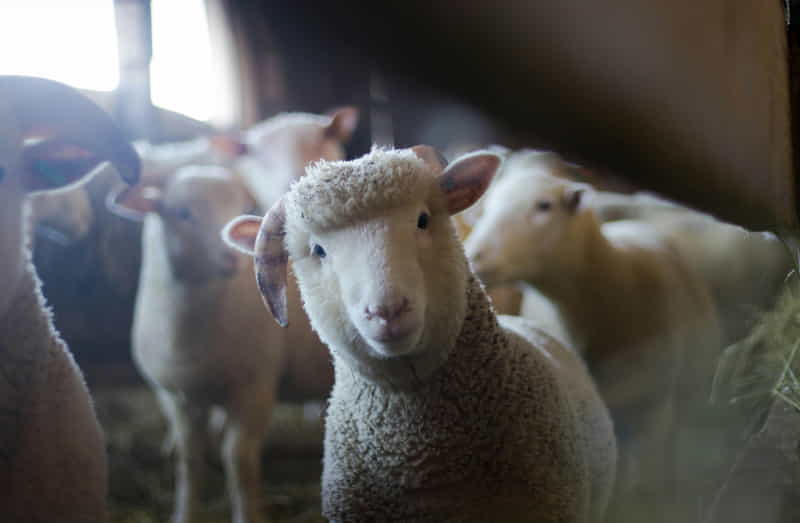
sheep wool

Comparative Analysis of Protein Fibers

This article offers an in-depth comparative analysis of wool and silk, highlighting their unique properties, production methods, environmental impacts, and market trends. It provides actionable insights for industry professionals and enthusiasts, showcasing the blend of tradition and innovation that drives the future of protein fibers.

Our detailed examination of wool versus silk reveals distinct advantages in terms of performance, aesthetics, and sustainability. We discussed historical perspectives, biological composition, production techniques, and modern innovations. With a focus on ethical practices and future technological integration, this analysis demonstrates how both fibers continue to evolve in response to market demands and environmental challenges, ensuring a dynamic future for the textile industry.

Comparative Analysis of Protein Fibers Read More »

cotton fiber-2

Genetic Modification in Natural Fibers

Genetic modification in cotton and flax revolutionizes natural fiber production. The integration of biotechnology, digital tools, and collaborative innovation enhances fiber quality, sustainability, and market competitiveness, paving the way for a resilient future in textiles.

This article explores the transformative impact of genetic modification on cotton and flax. It covers historical developments, scientific techniques, economic and environmental benefits, ethical considerations, and future trends. By harnessing advanced gene-editing tools and digital integration, the textile industry achieves superior fiber quality and sustainable production, ensuring a robust future for natural fibers.

Genetic Modification in Natural Fibers Read More »

cotton fiber-1

Innovations in Cotton Fiber Processing

Innovations in cotton fiber processing drive efficiency, sustainability, and quality improvements. The textile industry embraces advanced technology, smart sensors, and digital integration to transform every stage of production from ginning to weaving.

The article explores the evolution of cotton fiber processing, highlighting technological advancements, sustainability initiatives, digital integration, and real-world applications. It examines challenges and opportunities while emphasizing the importance of continuous improvement, collaborative innovation, and smart manufacturing in shaping the future of the textile industry.

Innovations in Cotton Fiber Processing Read More »

organic cotton farm-1

Organic Cotton Farming

Organic cotton farming revolutionizes textile production by embracing sustainable practices that conserve water, enhance soil health, and reduce chemical usage. This comprehensive guide delves into every aspect of organic cotton farming—from soil preparation and natural pest management to digital integration and regional challenges—providing industry professionals with actionable insights to optimize yields and produce superior eco-friendly fibers. Embracing these advanced practices not only meets market demands but also paves the way for a sustainable and profitable future in textiles.

Organic Cotton Farming Read More »

recycling plant

Recycled Polyester

Recycled polyester drives the textile industry’s transition toward sustainability by transforming post-consumer and industrial waste into high-quality fibers. This comprehensive guide compares chemical and mechanical recycling methods, details advanced processing and digital integration techniques, and highlights the economic and environmental benefits of recycled polyester. With certifications like the Global Recycled Standard ensuring product quality, recycled polyester offers a competitive edge for eco-friendly textile production.

Recycled Polyester Read More »

Properties of Regenerated Cellulosic Fibers (Modal, Lyocell)

Regenerated cellulosic fibers like Modal and Lyocell offer a unique combination of strength, softness, and sustainability that makes them indispensable in modern textile manufacturing. This comprehensive study explores how fiber morphology and advanced testing methods such as digital microscopy, SEM, FTIR, and XRD influence dye uptake and overall fabric quality. By integrating cutting-edge digital technologies and sustainable practices, manufacturers can optimize fiber properties to produce superior, eco-friendly textiles that meet evolving market demands.

Properties of Regenerated Cellulosic Fibers (Modal, Lyocell) Read More »

microscope

Fiber Morphology and Its Effect on Dye Uptake

Fiber morphology, encompassing fiber length, surface roughness, and cross-sectional structure, plays a decisive role in dye uptake and overall textile quality. This comprehensive study explores advanced testing methods—such as laser diffraction, digital image analysis, SEM, FTIR, and XRD—to reveal how subtle differences in fiber structure can dramatically affect dye performance. By integrating these cutting-edge techniques into quality control processes, manufacturers can optimize dyeing efficiency, enhance product durability, and drive innovation in textile manufacturing.

Fiber Morphology and Its Effect on Dye Uptake Read More »

Scroll to Top