

Sustainable sourcing of natural fibers is an essential pillar of modern textile manufacturing. The textile industry increasingly relies on responsibly sourced natural fibers to reduce environmental impact, support ethical practices, and create high-quality fabrics that meet consumer demands. This article explores the many facets of sustainable sourcing—from historical evolution and environmental benefits to supply chain management and emerging trends. We will delve into the best practices for obtaining fibers like cotton, wool, hemp, silk, bamboo, linen, and jute in a sustainable manner, ensuring that both quality and ecological standards are met.
Sustainable sourcing not only protects natural resources but also boosts the competitiveness of the textile sector. With global consumers prioritizing eco-friendly and ethically produced goods, manufacturers are investing in practices that support the entire lifecycle of natural fibers. This article examines how sustainable sourcing strategies are integrated into production, how certification systems work, and what future innovations might mean for the industry.
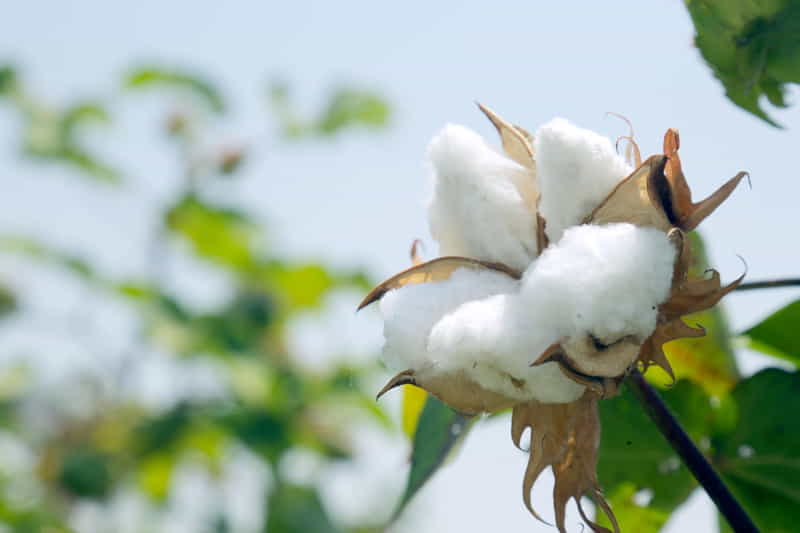
1. Introduction to Sustainable Sourcing of Natural Fibers
Sustainable sourcing refers to the procurement of raw materials in ways that minimize environmental impact and promote ethical practices. In the textile industry, natural fibers such as cotton, wool, silk, and hemp have been used for centuries. Today, sustainable sourcing goes beyond simple procurement; it involves a holistic approach that encompasses environmental stewardship, fair labor practices, and transparent supply chains.
Textile manufacturers are increasingly adopting sustainable sourcing practices to meet regulatory requirements and consumer expectations. These practices include using organic methods, reducing chemical usage, conserving water, and ensuring fair wages for workers. By integrating sustainability into every step of the sourcing process, companies can significantly reduce their ecological footprint while maintaining competitive product quality.
In recent years, sustainability has become a major driver for innovation within the textile industry. Research and development initiatives focus on refining sustainable practices—from eco-friendly farming methods for cotton to advanced techniques for recycling natural fibers. The convergence of traditional craftsmanship with modern technology provides a robust framework for sustainable sourcing.
Moreover, sustainable sourcing serves as a foundation for building consumer trust. Transparent supply chains and verified certifications reassure customers that the fibers in their garments are produced responsibly. As the industry continues to evolve, sustainable sourcing remains a critical aspect of strategic planning and innovation.

2. Historical Evolution of Natural Fiber Sourcing
The history of natural fiber sourcing is a journey that mirrors human civilization itself. Early humans collected wild fibers and developed rudimentary methods for processing them into textiles. Over time, these practices evolved into sophisticated systems that balanced resource use with emerging cultural and technological advancements.
Historically, natural fibers were sourced from local environments. Communities depended on the natural abundance of cotton, wool, flax, and other fibers to produce clothing and shelter. These early practices were inherently sustainable, as communities used only what was necessary and maintained a close relationship with nature. Traditional methods of cultivation and harvesting often relied on organic practices that nurtured the soil and preserved local biodiversity.
With the advent of agriculture and trade, sourcing practices became more systematic. Ancient civilizations in India, Egypt, and China developed specialized techniques for growing and processing natural fibers. For example, Indian cotton was highly prized for its quality and softness, while Chinese silk became synonymous with luxury and artistry. These early innovations laid the groundwork for the complex supply chains seen in the modern textile industry.
The industrial era brought dramatic changes. Mechanization and mass production increased demand for natural fibers, leading to large-scale cultivation and processing. However, this era also introduced environmental challenges. Overuse of land, water pollution from chemical treatments, and exploitative labor practices began to undermine the sustainability of natural fiber production. These issues eventually spurred the modern sustainability movement within textiles.
Today, the industry is witnessing a renaissance in sustainable practices. Modern natural fiber sourcing draws on centuries of knowledge while integrating cutting-edge technologies. Digital supply chain management, remote sensing in agriculture, and blockchain for traceability are transforming the way natural fibers are sourced. This evolution ensures that sustainability is no longer an afterthought but a core component of textile production.

3. Importance of Sustainable Sourcing in the Textile Industry
The textile industry is one of the largest consumers of natural resources and energy worldwide. Sustainable sourcing of natural fibers helps mitigate the environmental and social impacts associated with traditional production methods. By adopting sustainable practices, the industry can significantly reduce water usage, lower greenhouse gas emissions, and minimize chemical inputs.
Sustainable sourcing also enhances the quality of the final textile product. Responsibly sourced natural fibers tend to be of higher quality because they are cultivated and processed with care. For instance, organic cotton not only benefits the environment but also produces softer, more durable fabrics. Sustainable practices ensure that the integrity of the fibers is maintained from farm to fabric, resulting in superior performance and aesthetics.
Consumer demand for sustainable products has never been higher. Shoppers today are more informed and concerned about the environmental footprint of their purchases. Brands that prioritize sustainable sourcing gain a competitive edge by appealing to eco-conscious consumers. Transparent sourcing practices, certified by organizations such as Global Organic Textile Standard (GOTS) or the Organic Content Standard (OCS), add credibility and market value to products.
Economic benefits are also significant. Sustainable sourcing can lead to long-term cost savings through efficient resource use and reduced waste. Additionally, it opens up new market opportunities as consumers and retailers increasingly favor ethical and eco-friendly products. Companies that invest in sustainable practices often experience enhanced brand loyalty and improved market positioning.
Moreover, sustainable sourcing supports fair labor practices and community development. When companies commit to ethical sourcing, they contribute to better working conditions and economic growth in fiber-producing regions. This holistic approach not only benefits the environment but also fosters social equity and sustainable development.
In summary, sustainable sourcing in the textile industry is vital for environmental protection, product quality, consumer trust, and economic growth. It represents a win–win scenario for manufacturers, consumers, and the planet alike. Sustainable Textiles provides further details on how these practices are reshaping the industry.

4. Overview of Natural Fibers
Natural fibers are derived from plants, animals, and minerals. Each fiber type exhibits unique properties that influence its suitability for various applications. Common natural fibers include cotton, wool, silk, linen, hemp, jute, and bamboo. Understanding the characteristics of these fibers is key to effective sustainable sourcing.
4.1 Cotton
Cotton is the most widely used natural fiber in the textile industry. Known for its softness, breathability, and versatility, cotton is a staple in apparel and home textiles. Sustainable cotton production involves organic farming practices that avoid synthetic pesticides and fertilizers. Organic cotton not only protects the environment but also produces higher-quality fabric with a softer hand feel.
4.2 Wool
Wool, sourced primarily from sheep, offers exceptional insulation and elasticity. Its natural crimp provides a lofty, resilient texture that is ideal for knitwear and outerwear. Sustainable wool production emphasizes animal welfare and responsible land management. Certifications such as Responsible Wool Standard (RWS) ensure that wool is sourced ethically and sustainably.
4.3 Silk
Silk is prized for its luxurious texture and lustrous appearance. Produced by silkworms, silk has been synonymous with elegance for centuries. Sustainable silk production, often referred to as “peace silk” or “Ahimsa silk,” involves methods that allow silkworms to complete their lifecycle without harm. This practice aligns with ethical and environmental considerations.
4.4 Linen
Linen is made from flax fibers and is valued for its strength, durability, and cool, crisp feel. It is one of the oldest textile fibers known to humanity. Sustainable linen production involves minimal water usage and chemical inputs. Linen fabrics are breathable and environmentally friendly, making them popular for summer garments and home textiles.
4.5 Hemp
Hemp is a fast-growing, versatile fiber that requires few pesticides and minimal water. It is highly sustainable and biodegradable. Hemp fibers are used in a variety of applications, from clothing to industrial products. The renewed interest in hemp is driven by its low environmental impact and strong mechanical properties.
4.6 Jute
Jute is known for its coarse texture and high tensile strength. It is commonly used in applications such as bags, ropes, and geotextiles. Sustainable jute cultivation benefits local economies and is environmentally friendly. Jute production typically requires less water and fewer chemicals compared to other fibers.
4.7 Bamboo
Bamboo fibers have gained popularity due to their softness, antibacterial properties, and rapid renewability. Although bamboo requires chemical processing to convert it into a fiber, sustainable practices are emerging to reduce the environmental impact. Bamboo textiles offer a promising alternative for eco-friendly fashion and home products.
Each of these natural fibers has its own set of sustainable sourcing challenges and opportunities. Manufacturers must consider factors such as water usage, land management, labor practices, and processing methods when sourcing these fibers sustainably.

5. Environmental Impacts of Natural Fiber Sourcing
The environmental impacts of natural fiber sourcing extend from cultivation to processing and disposal. Sustainable sourcing practices aim to mitigate these impacts by emphasizing resource conservation, reduced chemical usage, and responsible land management.
5.1 Water Usage and Conservation
Water is a critical resource in the production of natural fibers. For example, cotton cultivation traditionally requires significant irrigation. Sustainable practices, such as organic farming and drip irrigation, reduce water consumption and improve efficiency. Additionally, techniques like rain-fed agriculture help conserve water while maintaining fiber quality.
5.2 Chemical Use and Pollution Reduction
Conventional fiber production often relies on synthetic pesticides, fertilizers, and chemicals for processing. These substances can lead to soil degradation, water pollution, and negative health impacts on workers. Sustainable sourcing methods prioritize organic farming, natural pest control, and eco-friendly processing techniques. This shift not only protects ecosystems but also enhances the quality of the fibers.
5.3 Soil Health and Biodiversity
Maintaining healthy soils is essential for sustainable fiber production. Practices such as crop rotation, organic composting, and minimal tillage help preserve soil fertility and structure. Sustainable farms also promote biodiversity by integrating intercropping and natural habitats. These practices contribute to a resilient ecosystem that supports long-term fiber production.
5.4 Carbon Footprint and Climate Change
The cultivation and processing of natural fibers contribute to greenhouse gas emissions. However, sustainable practices can help reduce the carbon footprint. Organic farming, reduced chemical inputs, and renewable energy use in processing facilities lower emissions. Additionally, natural fibers like hemp and jute sequester carbon during growth, further mitigating climate impacts.
5.5 Lifecycle Assessment and End-of-Life
A comprehensive lifecycle assessment (LCA) considers the environmental impact of fibers from cradle to grave. Sustainable sourcing includes strategies for recycling, upcycling, and responsible disposal. Designing fabrics for a circular economy reduces waste and promotes long-term sustainability. Manufacturers that adopt closed-loop systems and recycling programs create a more sustainable textile industry.
Environmental organizations and industry groups continually develop guidelines and certifications to support sustainable practices. Adopting these measures not only improves environmental outcomes but also enhances brand reputation and consumer trust. Sustainable Textiles and other reputable sources offer further insights into reducing the environmental impacts of natural fiber sourcing.

6. Social and Economic Benefits of Sustainable Sourcing
Sustainable sourcing of natural fibers generates significant social and economic benefits. By adopting sustainable practices, manufacturers support fair labor, community development, and local economies. These benefits extend throughout the supply chain and contribute to long-term social and economic stability.
6.1 Fair Labor Practices and Community Welfare
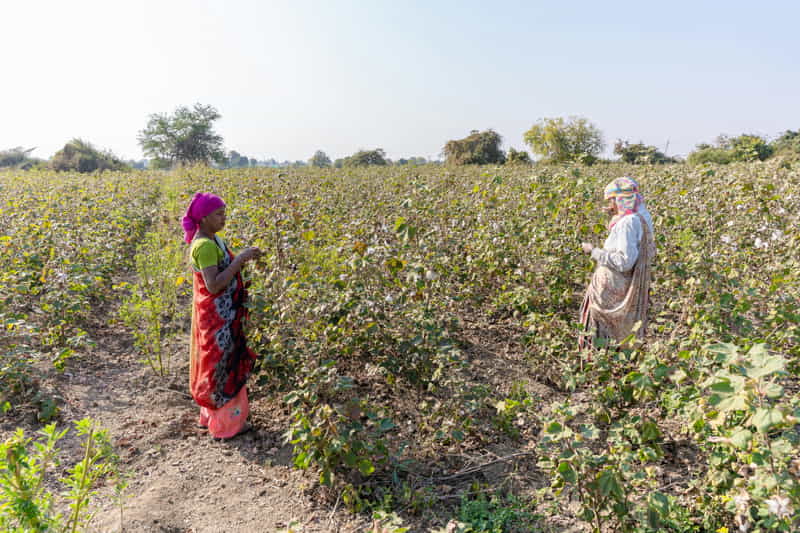
Sustainable sourcing emphasizes ethical labor practices, including fair wages, safe working conditions, and community empowerment. Certifications like Fair Trade and the Global Organic Textile Standard (GOTS) ensure that workers are treated equitably. These practices foster a positive work environment and contribute to social well-being in fiber-producing regions.
6.2 Economic Growth and Local Empowerment
Responsible fiber sourcing can stimulate economic growth in rural and developing areas. Smallholder farmers and cooperatives benefit from sustainable practices that improve yields and reduce input costs. Investment in sustainable agriculture often leads to better infrastructure, education, and healthcare for local communities. These initiatives create a virtuous cycle that supports both the environment and the economy.
6.3 Market Differentiation and Consumer Demand
Modern consumers increasingly demand eco-friendly and ethically produced textiles. Brands that prioritize sustainable sourcing gain a competitive edge in the marketplace. Transparent supply chains and verified certifications build trust with consumers. This market differentiation often leads to higher price points and stronger brand loyalty. As the demand for sustainable products grows, companies that invest in responsible sourcing see tangible economic returns.
6.4 Long-Term Supply Chain Resilience
Sustainable sourcing strategies enhance the resilience of the supply chain. By promoting environmentally friendly practices and community-based production, manufacturers reduce their dependence on volatile global markets. A resilient supply chain is better able to withstand disruptions from climate change, economic downturns, and political instability. This long-term stability supports continuous innovation and growth within the textile industry.
The social and economic benefits of sustainable sourcing extend well beyond the immediate production process. They create positive ripple effects that contribute to global sustainability and equitable development. Sustainable Supply Chains offer additional case studies and insights into these broader impacts.
7. Certifications and Standards in Sustainable Sourcing
Certifications and standards play a crucial role in promoting sustainable sourcing of natural fibers. They provide a framework for measuring and verifying sustainable practices throughout the supply chain. Organizations and regulatory bodies establish criteria that ensure fibers are produced responsibly and ethically.
7.1 Key Certifications for Natural Fibers
Several certifications have emerged to guide sustainable sourcing in the textile industry:
- Global Organic Textile Standard (GOTS): GOTS certifies organic fibers and sets strict criteria for environmental and social responsibility.
- OEKO-TEX Standard 100: This certification verifies that textiles are free from harmful substances.
- Fair Trade Certification: Fair Trade standards ensure that farmers and workers receive fair compensation and operate under safe conditions.
- Responsible Wool Standard (RWS): RWS focuses on animal welfare and sustainable land management in wool production.
- Organic Content Standard (OCS): OCS tracks the presence and amount of organic material in a product.
These certifications help consumers identify products that meet high sustainability standards and guide manufacturers in implementing best practices.
7.2 Role of Standards Organizations
Organizations such as the International Organization for Standardization (ISO) and national textile boards develop standards that influence sustainable sourcing practices. These standards cover various aspects, including environmental management, social responsibility, and quality assurance. Adhering to these standards not only improves the sustainability of fiber production but also facilitates international trade and market access.
7.3 Impact on Supply Chain Transparency
Certifications and standards promote supply chain transparency. They require detailed documentation and regular audits, which help trace the origin of fibers from farm to fabric. This transparency builds consumer trust and reduces the risk of unethical practices. Digital tools like blockchain further enhance traceability, ensuring that every step of the supply chain meets sustainability criteria.
7.4 Benefits and Challenges
Adopting certifications and standards offers multiple benefits. They differentiate products in the market, foster consumer loyalty, and drive continuous improvement in sustainable practices. However, achieving certification can be challenging. It often requires significant investment in infrastructure, training, and process modifications. Despite these challenges, many companies find that the long-term benefits outweigh the initial costs, positioning them as leaders in sustainable sourcing.
Manufacturers and brands that commit to certification and adherence to international standards not only protect the environment but also enhance their market reputation. Certification in Textiles provides further details on the various certifications available and their impact on the industry.

8. Supply Chain Management in Sustainable Sourcing
Efficient supply chain management is essential for ensuring sustainable sourcing of natural fibers. The supply chain spans from the farm to the finished product and involves multiple stakeholders, including farmers, processors, manufacturers, and retailers. Effective management of this complex network ensures that sustainability standards are maintained at every stage.
8.1 Mapping the Supply Chain
Understanding the supply chain is the first step in sustainable sourcing. Manufacturers must map the entire process—from fiber cultivation and harvesting to processing, spinning, weaving, and finishing. This mapping identifies key intervention points where sustainability measures can be implemented. Detailed supply chain mapping also helps in tracking certifications and ensuring compliance with ethical standards.
8.2 Technology and Digital Solutions
Modern digital tools enhance supply chain transparency and efficiency. Technologies such as blockchain, IoT sensors, and data analytics provide real-time monitoring of fiber production and movement. These tools ensure traceability and help identify potential bottlenecks or areas where sustainability practices can be improved. Digital dashboards and reporting systems offer actionable insights for decision-makers, leading to more informed and timely adjustments in the supply chain.
8.3 Collaboration and Partnerships
Sustainable supply chain management relies on strong collaboration between stakeholders. Manufacturers often work closely with fiber producers, cooperatives, and certification bodies to ensure that best practices are followed. Strategic partnerships with technology providers also help integrate advanced digital solutions into the supply chain. Collaborative efforts lead to improved efficiency, reduced waste, and enhanced sustainability outcomes.
8.4 Risk Management and Resilience
The sustainability of the supply chain also depends on its resilience to external disruptions. Risk management strategies, such as diversifying sources and building buffer stocks, help mitigate risks from climate change, market volatility, and geopolitical instability. Building resilient supply chains is essential for long-term sustainability and competitiveness in the global market.
In conclusion, effective supply chain management is integral to sustainable sourcing. By leveraging digital tools, fostering collaboration, and implementing robust risk management practices, manufacturers can ensure that natural fibers are sourced responsibly and sustainably. Supply Chain Management provides additional resources on optimizing textile supply chains.

9. Innovations in Sustainable Sourcing of Natural Fibers
Innovation drives the evolution of sustainable sourcing. Technological advancements, research breakthroughs, and creative business models continuously reshape how natural fibers are produced, processed, and distributed. This section highlights key innovations that are setting new benchmarks for sustainability in the textile industry.
9.1 Advanced Agricultural Practices
Modern agriculture employs precision farming techniques to optimize fiber production. Remote sensing, satellite imagery, and AI-powered analytics help farmers monitor crop health, optimize water use, and reduce pesticide applications. These innovations lead to higher yields with lower environmental impact. Sustainable practices such as integrated pest management and organic fertilization also contribute to soil health and biodiversity.
9.2 Eco-Friendly Processing Technologies
Processing natural fibers sustainably requires innovative solutions. New dyeing techniques, such as digital printing and waterless dyeing, significantly reduce water and chemical usage. Enzyme-based treatments and low-temperature processing methods minimize energy consumption. These technological advancements not only lower production costs but also reduce the environmental footprint of textile manufacturing.
9.3 Circular Economy Models
Circular economy models are transforming the sourcing of natural fibers. These models emphasize recycling, upcycling, and the reuse of materials to extend the lifecycle of textiles. Closed-loop systems ensure that waste from one stage becomes the input for another. For example, recycled cotton fibers are integrated into new fabrics, reducing the demand for virgin raw materials. This shift supports sustainable growth and resource conservation.
9.4 Digital Traceability and Blockchain
Digital traceability technologies, particularly blockchain, are revolutionizing supply chain transparency. Blockchain systems record every transaction along the supply chain, ensuring that each fiber’s origin and production process can be verified. This level of transparency builds consumer trust and encourages ethical practices. Digital traceability also enables better compliance with international sustainability standards.
9.5 Research and Development in Fiber Innovation
Ongoing research in material science continues to push the boundaries of sustainable sourcing. Scientists are developing new natural fibers and bio-based alternatives that offer improved performance and reduced environmental impact. Innovations in genetic engineering and crop improvement are leading to higher-quality fibers with greater resilience. Collaborative research projects between academia and industry accelerate the pace of innovation in sustainable textiles.
9.6 Startups and Entrepreneurship
A growing number of startups are entering the sustainable textile market. These innovative companies focus on niche areas such as biodegradable fibers, smart textiles, and traceable supply chains. Their agile business models and disruptive technologies challenge traditional practices and drive industry-wide transformation. Entrepreneurial initiatives often receive support from venture capital and government programs dedicated to sustainability.
In summary, innovations in sustainable sourcing are multifaceted. They span advanced agriculture, eco-friendly processing, circular economy strategies, digital traceability, and cutting-edge research. Together, these innovations contribute to a more sustainable, efficient, and ethical textile industry.
10. Best Practices in Sustainable Sourcing
Implementing best practices in sustainable sourcing of natural fibers is key to achieving environmental, social, and economic goals. These practices ensure that every step of the production process meets high sustainability standards while delivering high-quality textiles.
10.1 Establishing Clear Sustainability Goals
Before embarking on sustainable sourcing, manufacturers must set clear, measurable sustainability goals. These goals might include reducing water usage, lowering carbon emissions, and ensuring fair labor practices. Establishing specific targets provides a roadmap for continuous improvement. Clear objectives also help in measuring progress and communicating achievements to stakeholders.
10.2 Engaging with Certified Suppliers
Working with suppliers who hold reputable certifications is a fundamental best practice. Certifications such as GOTS, Fair Trade, and OEKO-TEX provide assurance that fibers are produced according to strict environmental and social standards. Regular audits and supplier evaluations ensure compliance. Engaging with certified suppliers minimizes risks and enhances the overall sustainability of the supply chain.
10.3 Integrating Technology for Monitoring and Reporting
Digital tools and software platforms are invaluable in sustainable sourcing. Real-time monitoring systems, data analytics, and blockchain technology ensure transparency and traceability across the supply chain. These technologies help track key performance indicators (KPIs) and identify areas for improvement. Regular reporting on sustainability metrics fosters accountability and drives continuous progress.
10.4 Fostering Long-Term Partnerships
Long-term partnerships between manufacturers, suppliers, and certification bodies strengthen sustainable sourcing practices. Collaborative relationships enable shared investments in technology, training, and process optimization. These partnerships often lead to joint innovation initiatives and improved sustainability performance. A stable supplier base that aligns with the company’s values contributes to long-term success and market competitiveness.
10.5 Training and Capacity Building
Investing in training and capacity building for staff and suppliers is crucial. Training programs ensure that all stakeholders understand the principles and practices of sustainable sourcing. Workshops, seminars, and on-site training sessions can improve operational efficiency and adherence to sustainability standards. Educating workers about environmental and social responsibility contributes to a culture of sustainability across the supply chain.
10.6 Continuous Improvement and Feedback Loops
Sustainable sourcing is an ongoing process that requires regular review and adaptation. Manufacturers should implement feedback loops to capture insights from each stage of the supply chain. Continuous improvement initiatives, such as lean manufacturing and Six Sigma, help identify inefficiencies and reduce waste. Embracing a culture of continuous improvement ensures that sustainable practices evolve with technological advancements and market changes.
In conclusion, best practices in sustainable sourcing involve a holistic approach that integrates clear goal-setting, technology adoption, supplier engagement, long-term partnerships, training, and continuous improvement. Manufacturers who implement these practices achieve not only environmental and social benefits but also enhanced market performance and consumer trust.

11. Case Studies: Success Stories in Sustainable Sourcing
Real-world case studies provide valuable insights into how sustainable sourcing of natural fibers can be successfully implemented. These examples highlight the benefits, challenges, and innovative solutions that have transformed the textile industry.
11.1 Case Study: Organic Cotton in Apparel Production
A leading apparel brand transitioned from conventional to organic cotton sourcing. By partnering with certified organic cotton producers, the brand reduced chemical inputs and improved water conservation. The switch to organic cotton not only enhanced fabric quality but also bolstered the company’s reputation as an eco-friendly leader. Detailed lifecycle assessments demonstrated significant reductions in water usage and greenhouse gas emissions. This case study exemplifies how sustainable sourcing can lead to environmental and economic benefits while meeting consumer demand for ethical products.
11.2 Case Study: Sustainable Wool from Responsible Farms
A major wool supplier adopted sustainable practices by working closely with farms that adhere to the Responsible Wool Standard (RWS). The initiative focused on improving animal welfare, reducing environmental impacts, and enhancing fiber quality. The supplier implemented a comprehensive monitoring system that tracked performance across the supply chain. As a result, the sustainable wool not only commanded higher market prices but also opened new avenues for innovation in technical textiles. This success story highlights the importance of ethical sourcing in the competitive global market.
11.3 Case Study: Hemp as a Sustainable Alternative
Hemp has emerged as a sustainable alternative to conventional fibers. A textile manufacturer integrated hemp into its production line, using advanced cultivation and processing techniques. Hemp’s low water requirements, minimal pesticide use, and rapid growth made it an attractive option. The manufacturer developed a range of products, from apparel to industrial textiles, that leveraged hemp’s strength and durability. Consumer feedback and market research showed high acceptance of hemp-based products, which further validated the manufacturer’s investment in sustainable sourcing.
11.4 Case Study: Digital Traceability in Natural Fiber Supply Chains
A pioneering textile brand implemented blockchain technology to enhance supply chain transparency. The system tracked natural fibers from farm to finished product, ensuring that every step met sustainability criteria. This digital traceability improved accountability and reduced the risk of unethical practices. The brand’s commitment to transparency resonated with consumers, resulting in increased market share and brand loyalty. This case study demonstrates how innovative digital solutions can transform sustainable sourcing and build consumer trust.
Each of these case studies illustrates the transformative potential of sustainable sourcing in the textile industry. They provide concrete examples of how ethical practices, technological innovation, and strong supplier relationships lead to superior product quality and market success. Case Studies in Sustainability offer further details on these inspiring initiatives.

12. Challenges in Sustainable Sourcing and Strategies to Overcome Them
Despite significant progress, sustainable sourcing of natural fibers faces several challenges. These challenges span environmental, social, and logistical aspects of the supply chain. Addressing these challenges requires strategic interventions, innovative solutions, and collaborative efforts across the industry.
12.1 Environmental Challenges
Natural fiber production can strain natural resources if not managed sustainably. Issues such as excessive water usage, soil degradation, and pesticide pollution remain concerns in conventional agriculture. Transitioning to organic and regenerative farming practices can mitigate these impacts. Adoption of precision agriculture and sustainable land management techniques helps reduce resource consumption and environmental damage.
12.2 Social and Labor Challenges
Ensuring fair labor practices and community welfare is critical in sustainable sourcing. Many fiber-producing regions face challenges related to low wages, poor working conditions, and inadequate labor rights. Addressing these issues requires robust certification systems, fair trade practices, and direct engagement with local communities. Companies can invest in capacity-building programs, offer fair compensation, and support local infrastructure to improve social outcomes.
12.3 Supply Chain Complexity
The global nature of the textile supply chain adds complexity to sustainable sourcing. Traceability, transparency, and consistent quality across multiple regions can be difficult to achieve. Digital solutions such as blockchain, IoT sensors, and data analytics are instrumental in addressing these challenges. By providing real-time monitoring and traceability, these tools enhance accountability and streamline supply chain management.
12.4 Economic and Financial Barriers
Sustainable sourcing often requires significant upfront investments in technology, certification, and training. Small-scale producers may struggle to meet the stringent requirements necessary for certification. Government incentives, industry collaborations, and access to micro-financing can help overcome these economic barriers. Companies that invest in sustainable sourcing often experience long-term cost savings through improved efficiency and reduced waste.
12.5 Strategies for Overcoming Challenges
Successful strategies include:
- Collaborative Partnerships: Forming alliances with NGOs, government agencies, and industry groups to share resources and best practices.
- Technology Adoption: Leveraging digital tools for supply chain traceability and process optimization.
- Capacity Building: Investing in training and education for farmers and workers to improve sustainable practices.
- Policy Advocacy: Working with regulators to develop supportive policies and incentives for sustainable sourcing.
By addressing these challenges proactively, the textile industry can achieve a more sustainable and resilient sourcing model. Sustainable Sourcing Strategies provide further insights into these approaches.
13. Technological Advances Shaping Sustainable Sourcing
The rapid pace of technological advancement is transforming how natural fibers are sourced and processed sustainably. Innovations in agriculture, processing, and digital technologies are enabling more efficient, transparent, and eco-friendly practices.
13.1 Precision Agriculture and Smart Farming
Precision agriculture uses technology to monitor and manage crop production. Tools such as drones, remote sensing, and AI-driven analytics help farmers optimize irrigation, fertilization, and pest control. These technologies reduce resource use and enhance crop yields, contributing to sustainable fiber production. Smart farming practices also enable farmers to respond quickly to environmental changes, ensuring a stable supply of high-quality fibers.
13.2 Advanced Processing and Eco-Friendly Technologies
New processing methods are emerging that significantly reduce water and energy consumption. Innovations such as digital dyeing, waterless finishing, and enzyme-based treatments minimize the environmental impact of processing natural fibers. These technologies ensure that the sustainability benefits achieved during cultivation are maintained throughout the production process. Manufacturers can produce high-quality fabrics while reducing waste and lowering the overall carbon footprint.
13.3 Digital Traceability and Supply Chain Transparency
Digital traceability technologies, especially blockchain, have revolutionized sustainable sourcing. By recording every step of the supply chain, blockchain ensures that natural fibers are tracked from farm to finished product. This transparency builds consumer trust and helps identify areas for improvement. Advanced analytics provide actionable insights that enable manufacturers to fine-tune their processes in real time.
13.4 Integration of IoT and Big Data
The Internet of Things (IoT) and big data analytics are integral to modern sustainable sourcing. Sensors placed in fields and processing facilities collect real-time data on soil moisture, temperature, and fiber quality. This data helps in making informed decisions that optimize production and reduce waste. Big data analytics can predict trends and identify inefficiencies, leading to continuous process improvement.
13.5 Automation and Robotics in Production
Automation and robotics are streamlining the processing and handling of natural fibers. Automated sorting, cleaning, and blending systems ensure consistent quality and reduce human error. These systems not only increase efficiency but also contribute to a safer working environment. Robotics are particularly useful in handling repetitive tasks, allowing human workers to focus on quality control and innovation.
In summary, technological advances are reshaping every aspect of sustainable sourcing. These innovations enhance efficiency, reduce environmental impact, and build a more transparent and resilient supply chain. Digital Textile Technologies offer further details on these transformative trends.

14. Consumer Trends and Market Demand for Sustainable Natural Fibers
Consumer awareness of environmental issues and ethical production practices has transformed market demand in the textile industry. Today’s consumers increasingly seek products that are eco-friendly, ethically produced, and transparently sourced. This trend is driving demand for sustainably sourced natural fibers.
14.1 Shifts in Consumer Preferences
Modern consumers are more informed than ever about the impact of their purchasing decisions. They demand transparency regarding the origin of fibers, production methods, and sustainability practices. As a result, brands that adopt sustainable sourcing practices enjoy a competitive edge. Consumers are willing to pay premium prices for products that align with their values, especially in segments such as fashion, home textiles, and outdoor apparel.
14.2 Market Growth for Sustainable Textiles
The market for sustainable textiles is experiencing rapid growth. Research shows that sales of eco-friendly textiles are increasing year over year, driven by both consumer demand and regulatory pressures. Manufacturers that invest in sustainable sourcing benefit from enhanced brand reputation and improved market share. Trends such as zero-waste design, recycled fibers, and organic textiles are reshaping product portfolios across the industry.
14.3 Role of Social Media and Influencers
Social media platforms play a significant role in shaping consumer perceptions of sustainability. Influencers, fashion bloggers, and environmental activists promote sustainable fashion trends and educate audiences about responsible sourcing. These digital narratives have a profound impact on consumer behavior, encouraging brands to adopt and communicate sustainable practices. Transparent storytelling builds trust and drives long-term customer loyalty.
14.4 Economic and Social Impact on Communities
Consumers increasingly value products that contribute to social and economic development. Sustainable sourcing practices that support local communities, fair labor, and environmental stewardship resonate strongly with modern buyers. Companies that engage in ethical sourcing not only meet consumer expectations but also contribute to broader social goals. This alignment between consumer values and business practices is reshaping the textile industry.
In conclusion, consumer trends are driving significant market shifts towards sustainable natural fibers. The increased demand for eco-friendly, ethically produced textiles motivates manufacturers to adopt responsible sourcing practices. These trends support a cycle of positive change that benefits the environment, communities, and the industry as a whole.

15. Future Outlook and Strategic Directions
The future of sustainable sourcing of natural fibers is promising. Continuous innovation, increasing consumer demand, and supportive regulatory environments are driving the industry toward a more sustainable future. Manufacturers are investing in research, technology, and supply chain transparency to meet these challenges and opportunities.
15.1 Emerging Technologies and Innovations
Advances in biotechnology, nanotechnology, and digital supply chain management will further transform sustainable sourcing. New fiber varieties, improved processing methods, and enhanced traceability will set new benchmarks for sustainability. Research institutions and industry collaborations will play a pivotal role in these innovations, leading to breakthrough products and processes that reduce environmental impact and improve product performance.
15.2 Policy and Regulatory Trends
Government policies and international agreements are increasingly supporting sustainable practices in agriculture and textile production. Stricter environmental regulations and incentives for sustainable practices will drive further adoption of eco-friendly sourcing methods. Policies that promote organic farming, fair trade, and renewable energy use will help create a more stable and responsible supply chain for natural fibers.
15.3 Integration of Circular Economy Principles
The future of sustainable sourcing lies in the adoption of circular economy principles. Manufacturers will focus on closing the loop in the textile lifecycle—emphasizing recycling, upcycling, and the reuse of materials. Innovations in recycling technologies and product design will enable textiles to be repurposed at the end of their lifecycle. This approach not only reduces waste but also creates new revenue streams and market opportunities.
15.4 Strategic Collaboration and Global Partnerships
Global challenges require global solutions. Strategic collaboration between governments, NGOs, academic institutions, and industry players will be essential for advancing sustainable sourcing practices. Partnerships that focus on technology transfer, capacity building, and shared innovation will help bridge gaps between developed and emerging markets. These collaborative efforts will drive industry-wide improvements and support the sustainable development of natural fiber supply chains.
15.5 Consumer Engagement and Brand Storytelling
The future success of sustainable sourcing will also depend on effective consumer engagement. Brands that communicate their sustainability journey transparently and authentically will build stronger connections with their audience. Storytelling that highlights ethical practices, community impact, and environmental stewardship will resonate with increasingly eco-conscious consumers. This trend will further drive market demand for sustainably sourced textiles.
In summary, the future of sustainable sourcing is dynamic and full of promise. The integration of emerging technologies, supportive policies, circular economy practices, and strategic collaborations will reshape the textile industry. Manufacturers that embrace these changes will lead the way in delivering high-quality, sustainable textiles that meet the demands of a global market. Future Trends in Textiles provides more insights into these emerging directions.

16. Conclusion and Summary
Sustainable sourcing of natural fibers represents a transformative movement in the textile industry. From historical evolution and environmental benefits to technological innovations and market trends, sustainable sourcing is redefining how natural fibers are cultivated, processed, and distributed. Manufacturers and brands that adopt responsible sourcing practices enjoy improved product quality, reduced environmental impact, and enhanced consumer trust.
This article has explored the intricacies of sustainable sourcing in depth. We examined the properties of natural fibers, the environmental and social impacts of fiber production, the role of certifications and digital traceability, and the innovations driving future trends. Best practices in sustainable sourcing include clear goal-setting, technology integration, supplier engagement, and continuous improvement across the supply chain. These practices not only support a healthier planet but also contribute to economic growth and social equity.
As the textile industry moves toward a more sustainable future, ongoing collaboration among stakeholders, investment in advanced technologies, and a commitment to ethical practices will be essential. The future of sustainable sourcing is bright, with emerging innovations promising to further reduce the ecological footprint and enhance the resilience of global supply chains.
Manufacturers, researchers, and policymakers must work together to ensure that natural fibers are sourced in a manner that protects the environment, supports local communities, and meets the evolving demands of the market. In this dynamic landscape, sustainable sourcing is not merely a trend but a fundamental shift that will define the future of textiles.





Building transparency into the supply chain seems just as important as choosing sustainable raw materials fnaf. Both factors influence the overall enviromental impact.
very informative. Sustainable sourcing benefits both ecosystems and brands. When suppliers like Jindaltex commit to ethical and eco-friendly practices. it strenghts trust across the supply chain and supports the push for greener textiles.