Fiber

Explains origins, morphology, properties, and classification of textile fibers. Compares moisture regain, tensile behavior, thermal response, and sustainability profiles. Includes selection charts that link fiber choice to end-use performance and cost. This section explains practical decision criteria, typical test methods, and failure modes that matter in real production. Readers get checklists, calculation steps, and case examples connecting specifications to cost, reliability, and compliance. Links map core concepts to upstream inputs and downstream processes so choices remain consistent across sourcing, manufacturing, and end-use performance. Each article includes definitions, diagrams where helpful, and plain-language notes to help newcomers ramp quickly while giving experienced professionals the depth needed to troubleshoot and optimize. Standards references are cited with context, and whenever trade-offs exist, we make them explicit so you can defend decisions.

Home » Fiber & Yarns » Fiber » Page 7
linen fabric

Flax/Linen Fibers – natural bast fibers

Flax is a filament fiber harvested from flax plants that when made into fabric, is called linen. Flax is the oldest fiber on record, first grown by the Egyptians having along the banks of the Nile. Other sources lay claim to the earliest usage of flax to be in the Stone Age. The term “linen” is often misused, being applied to fabrics that simply look like linen, or being used as a general term for sheets, towels, and tablecloths.

Flax/Linen Fibers – natural bast fibers Read More »

musk ox

Fiber from Musk Ox

The musk ox, also known as Ovibos moschatus, is an ancient species of arctic mammal currently found in remote areas of the far north, including Greenland, Alaska, Canada and Siberia. During the Pleistocene, musk ox wandered across the Bering Land Bridge to populate North America with the likes of the woolly mammoth, saber-toothed cat, and giant ground sloth. They provide us with Qiviut fiber.

Fiber from Musk Ox Read More »

alpaca

Alpaca Fiber and its Properties

Alpaca are woolly mammals related to camels and llamas. This herding animalslive in the western South Americain grasslands and scrub at altitudes from 12,800to 15,000 feet. Young alpaca are called crias.Alpacas have a lifespan of about 15 – 20+ years. Some alpacas make a humming sound; whining, grumbling, clucking, and other assorted sounds are used by alpacas to communicate. Spitting is used by alpacas, probably as a sign of dominance, fear, or warning.

Alpaca Fiber and its Properties Read More »

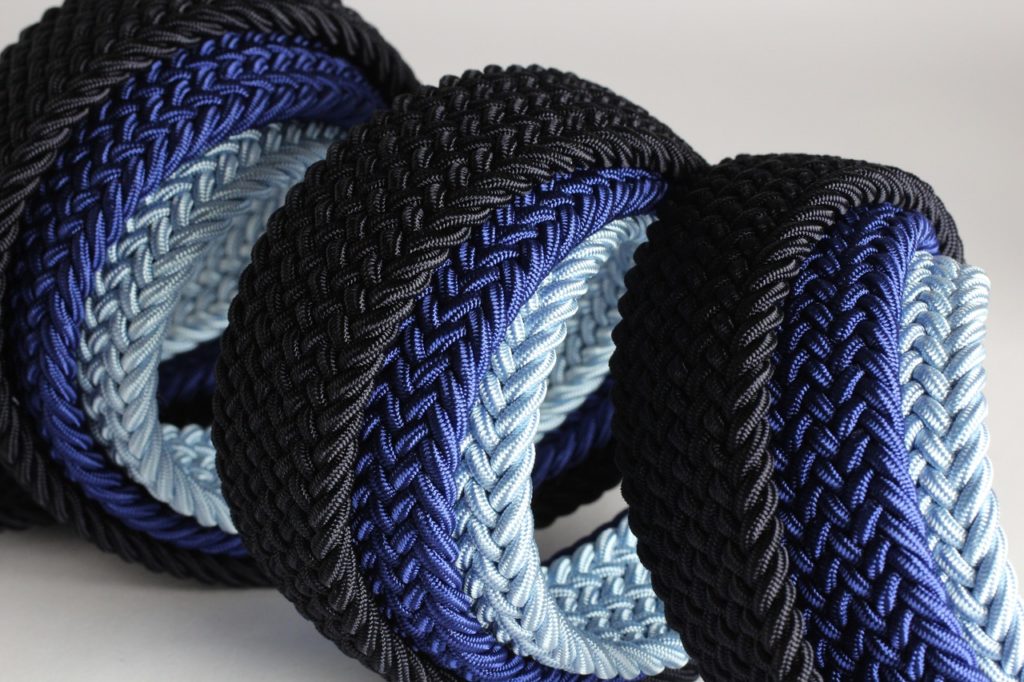
rope-fashion-blue-tire-belt-colors-1156673-pxhere.com

Timeline of Manmade Fibers

A useful filament was not produced until the last part of the 19th century when Swann and de Chardonnet extruded a solution of cellulose nitrate (collodion) through small holes (spinnerets). These pioneer manmade fibers were replaced by rayon fibers which were spun from an alkaline cellulose xanthate solution (viscose), which were in turn supplemented by cellulose acetate and many synthetic fibers.

Timeline of Manmade Fibers Read More »

Scroll to Top