
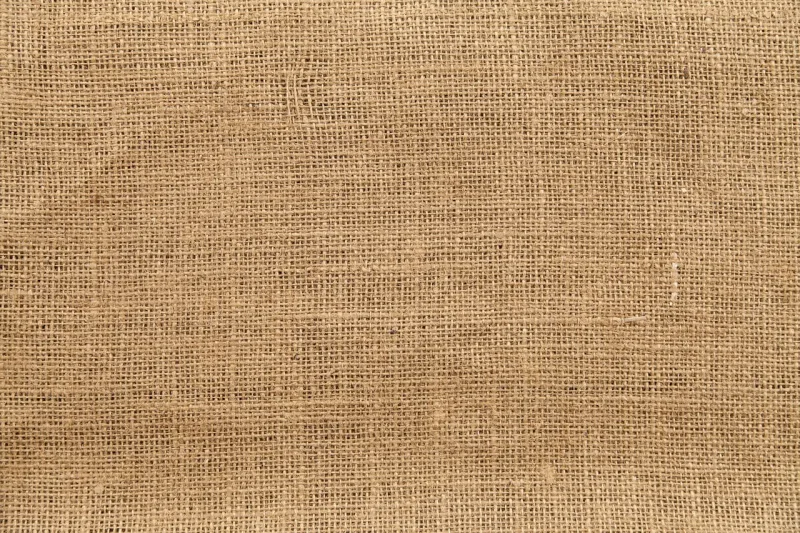
Natural Fiber
Jute Fiber – the natural cellulose bast fibers from plants or vegetables
Jute is a lignocellulosic fiber that is partially a textile fiber and partially wood falls into the bast fiber category.
Article
Explains origins, morphology, properties, and classification of textile fibers. Compares moisture regain, tensile behavior, thermal response, and sustainability profiles. Includes selection charts that link fiber choice to end-use performance and cost. This section explains practical decision criteria, typical test methods, and failure modes that matter in real production. Readers get checklists, calculation steps, and case examples connecting specifications to cost, reliability, and compliance. Links map core concepts to upstream inputs and downstream processes so choices remain consistent across sourcing, manufacturing, and end-use performance. Each article includes definitions, diagrams where helpful, and plain-language notes to help newcomers ramp quickly while giving experienced professionals the depth needed to troubleshoot and optimize. Standards references are cited with context, and whenever trade-offs exist, we make them explicit so you can defend decisions.
Natural Fiber
Jute is a lignocellulosic fiber that is partially a textile fiber and partially wood falls into the bast fiber category.
Article
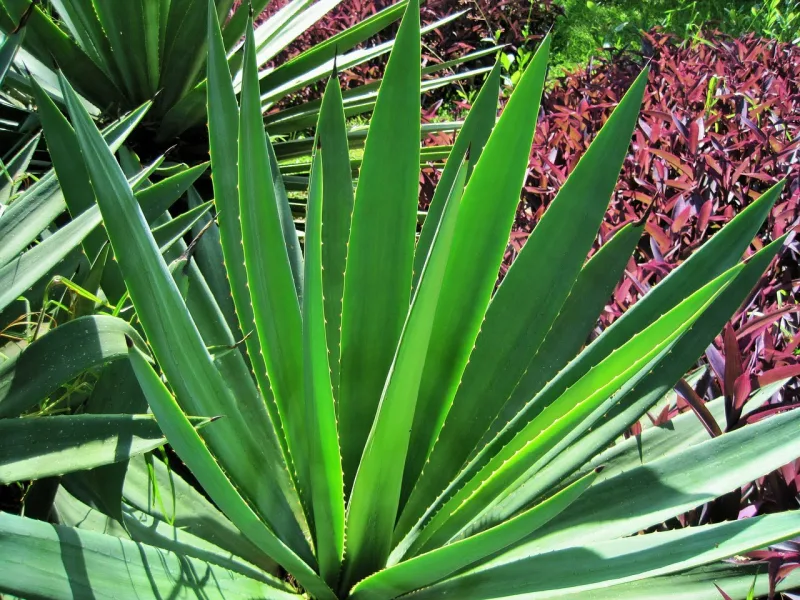
Natural Fiber
Sisal is a stiff, strong fibre from the leaves of the agave Agave sisalana, used for rope, twine, rugs and dartboards: grades, properties and production.
Article

Natural Fiber
Hemp belongs to the Angiosperm phylum since it has vessel elements in the woody core (xylem) like hardwood.
Article
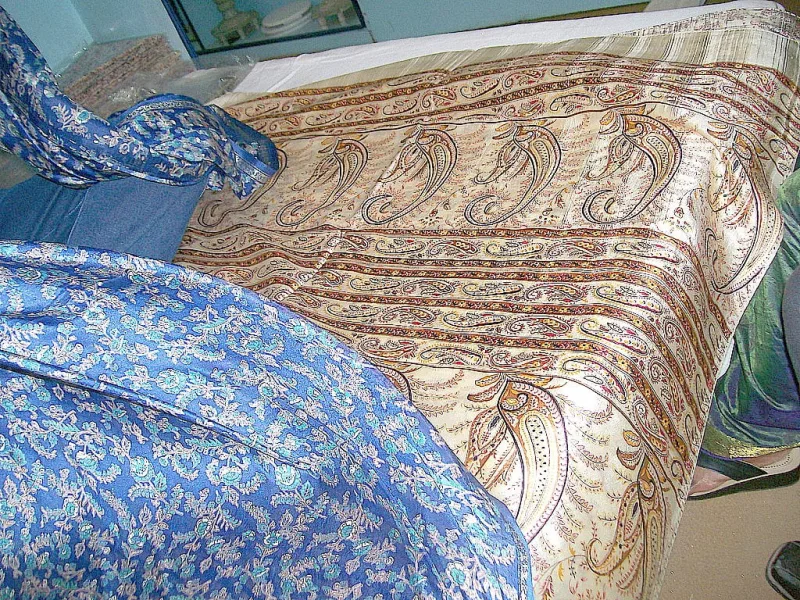
Natural Fiber
Banana fibre, a ligno-cellulosic fibre, obtained from the pseudo-stem of banana plant (Musa sepientum), is a bast fibre with relatively good mechanical properties.
Article
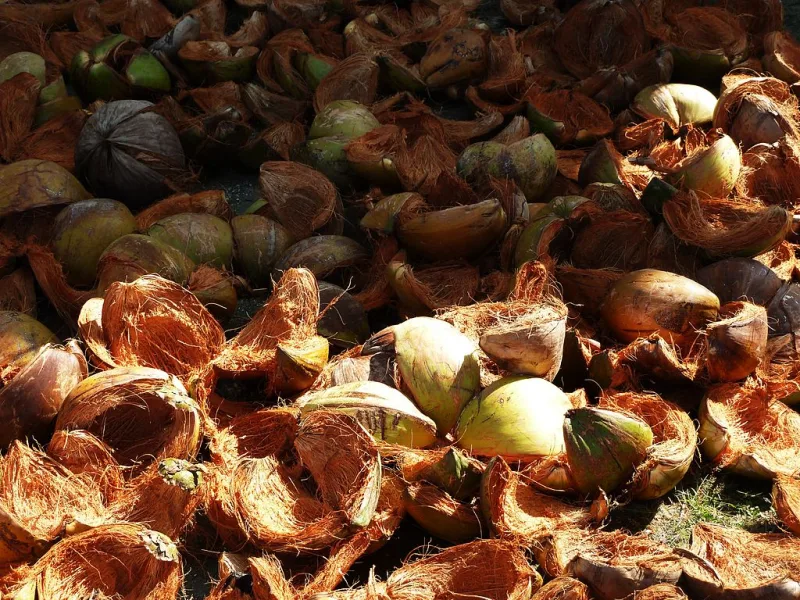
Natural Fiber
Coir or coconut fiber belongs to the group of hard structural fibers. It is an important commercial product obtained from the husk of the coconut. Industries based on coir have developed in many coconut producing countries especially India, Tanzania, Kenya, Bangladesh, Burma, Thailand, Sri Lanka, Nigeria, Ghana etc.
Article

Natural Fiber
Discover kapok fibres, a lightweight, eco-friendly fibre from Ceiba pentandra, perfect for sustainable bedding and insulation. Learn their properties and applications.
Article
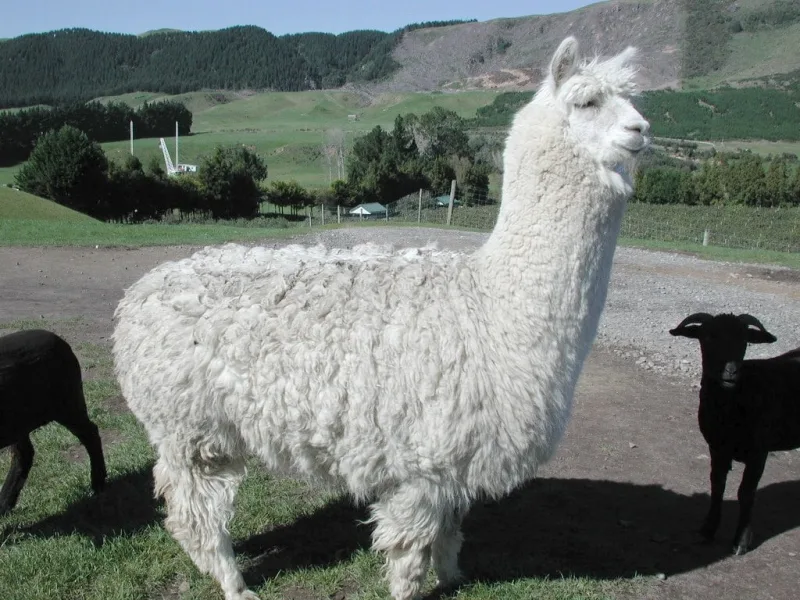
Natural Fiber
Alpacas are fiber producing animals. Alpaca fiber is one of the finest animal fibers in the world. It is comparable to mohair, cashmere and other rare fibers.
Article

Manmade Fiber
A variety of inorganic materials are made into fine fibers and used for structural strengthening or insulation; they are known as man-made mineral fibers (MMMF). Types of man-made mineral fiber have names such as mineral wool (which includes rock wool, slag wool, and glass wool), continuous filament, superfine and refractory (or ceramic) man-made mineral fiber. The names of these classes of materials have different origins and are not necessarily mutually exclusive.
Article

Manmade Fiber
The synthetic man-made fibers include the polyamides (nylon), polyesters, acrylics, polyolefin, vinyl, and elastomeric fibers, while the regenerated fibers include rayon, the cellulose acetates, the regenerated proteins, glass, and rubber fibers.
Article
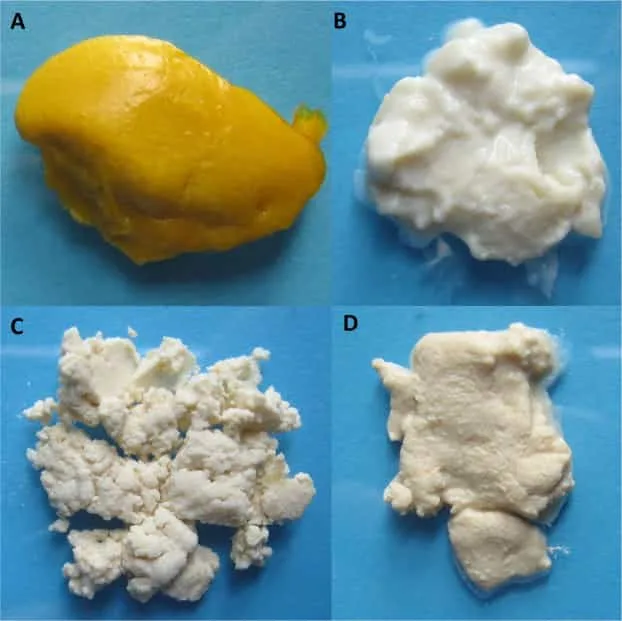
Manmade Fiber
Manmade regenerated protein textile fibres, such as those made from casein, soy, and zein, offer sustainable and biodegradable options for textile production. With properties like softness and moisture absorption, these fibres are used in apparel and home textiles, contributing to environmentally conscious textile manufacturing.
Article
Every record in these registers was sent in by somebody. Submissions are reviewed before they are published.
1,496 machines in the register.Tell us about a missing one 306 event series in the register.Submit a trade fair or conference 3,038 standards tracked in the register.Get the changes by email each week