Printing/Dyeing

Coloration science from color matching to fixation kinetics. Covers dyes, pigments, printing methods, shade reproducibility, and fastness testing. This section explains practical decision criteria, typical test methods, and failure modes that matter in real production. Readers get checklists, calculation steps, and case examples connecting specifications to cost, reliability, and compliance. Links map core concepts to upstream inputs and downstream processes so choices remain consistent across sourcing, manufacturing, and end-use performance. Each article includes definitions, diagrams where helpful, and plain-language notes to help newcomers ramp quickly while giving experienced professionals the depth needed to troubleshoot and optimize. Standards references are cited with context, and whenever trade-offs exist, we make them explicit so you can defend decisions.

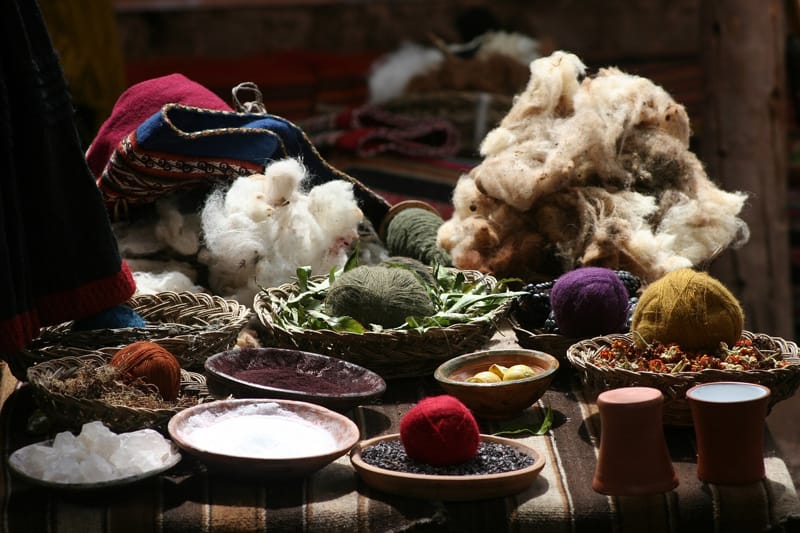
Comparison of Cleaning Treatments for Conservation and Restoration of Cotton, Wool and Silk Fabrics

Cleaning ensures sanitization and thus the safety of the artefact itself and others stored/displayed in its vicinity. At the same time, the process invariably alters the character of textile to a certain extent. Cleaning ensures removal/deactivation of soil and harmful organic matter from the artefact. However, a small number of surface molecules from the textile might be eroded in the process as well. This leads to weakening of the textile and might cause alteration in colour spectrum/ depth etc. Controlled cleaning techniques in conservation laboratories focus on minimizing this damage. However, not much scientific data is available on the efficacy of present cleaning techniques employed in conservation laboratories. Presently aqueous cleaning and solvent cleaning are primary modes utilised as next step to dry tools. Additionally, novel cleaning technologies like enzyme wash and ultrasonic wash provide soil specific methodology that would reduce the threat to the base fabric.

The present paper is a systematic analysis of these cleaning techniques and their impact on aged museum fabrics, i.e., cotton, wool and silk. Change in tensile strength parameters, whiteness index and yellowness index have been used as indicators to test the efficacy of different cleaning techniques on aged museum textiles. Numerical data generated by laboratory experiments clearly indicate that there is no standard cleaning treatment available for the three natural fibres. Each fibre has exhibited suitability to different cleaning treatment while balancing between restored whiteness and minimizing strength loss.

Comparison of Cleaning Treatments for Conservation and Restoration of Cotton, Wool and Silk Fabrics Read More »

Role of Textile Effluent Treatment Plants (ETP) to Control Environmental Pollution

Effluents Treatment Plants or ET Plants (ETP) are the most widely accepted approaches towards achieving environmental safety. But, no single treatment methodology is suitable or universally adaptable for any kind of effluent treatment.

Role of Textile Effluent Treatment Plants (ETP) to Control Environmental Pollution Read More »

screen-printing

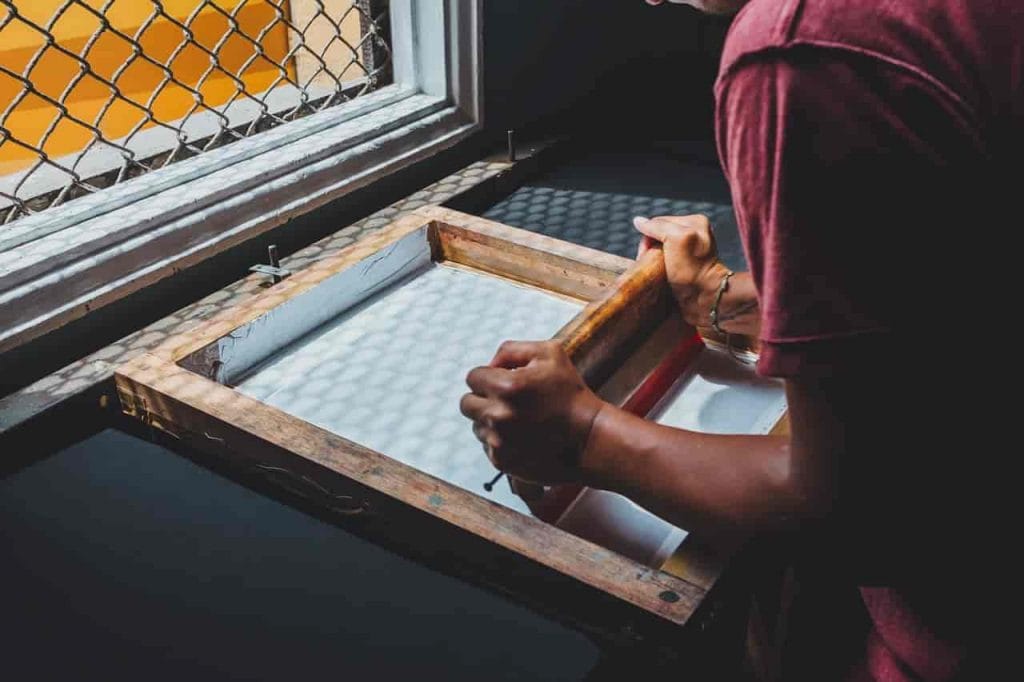
New Report Shares Details About the Screen Printing Mesh Market by 2028

Majority of the textiles printed in the global market are printed with the screen printing technique due to its simplicity. The demand for screen printing in the packaging industry is significantly high with around 9% of the labels printed globally being screen printed.

New Report Shares Details About the Screen Printing Mesh Market by 2028 Read More »

textile print pattern

Global digital textile printing market analysis and Key developments in near future (2018 – 2027)

Future Market Insights suggests that the growth of digital textile printing market can mainly be attributed to the contributions from emerging economies, such as countries in the APEJ region – India & China.

Global digital textile printing market analysis and Key developments in near future (2018 – 2027) Read More »

dress aesthetic enhancements

Aims of Textile Finishing: Enhancing Functionality and Aesthetics

Textile finishing is a critical stage in the production of textiles, aimed at enhancing their functionality, aesthetics, and performance to meet diverse consumer and industrial needs. This article explores the primary objectives of textile finishing, including improving appearance, enhancing durability, imparting functional properties, ensuring comfort, and promoting sustainability. By examining these aims in detail, the article highlights the importance of finishing processes in delivering high-quality textile products for various applications.

Aims of Textile Finishing: Enhancing Functionality and Aesthetics Read More »

Scroll to Top