Introduction
Dye chemistry forms the backbone of modern textile production. Dyes transform plain fibers into vibrant, high-performance fabrics. Over centuries, chemists and textile engineers developed numerous dye classes, each with unique chemical characteristics. Reactive, disperse, and acid dyes dominate the industry. They bind to fibers through different mechanisms, creating textiles that meet varying performance requirements.
Advances in dye chemistry have led to improved colorfastness, energy efficiency, and eco-friendly production methods. Manufacturers continuously refine processes to achieve consistent, high-quality results. Understanding these fundamental dye classes helps designers and engineers select the right dye for each fiber and application.
Fundamentals of Dye Chemistry
Dye chemistry explains how colorants interact with fibers. Dyes possess specific chemical groups that react with textile substrates. Their molecular structure determines affinity, fixation, and fastness properties. Basic parameters include dye class, fiber type, pH, temperature, and auxiliary chemicals.
Each dye class operates under distinct chemical principles. Reactive dyes form covalent bonds with fibers, disperse dyes physically disperse in the fiber, and acid dyes adhere through ionic interactions. The following simplified diagram depicts dye–fiber interactions:
[ Dye Molecule ]
      │
[ Chemical Functional Group ]
      │
[ Fiber Surface ]
This diagram emphasizes that dye performance relies on the chemical compatibility between dye groups and fiber constituents. Engineers adjust processing conditions to optimize binding and achieve vibrant, long-lasting colors.

Reactive Dyes
Reactive dyes covalently bond with fibers, offering superior wash and light fastness. They are widely used for cotton and other cellulosic fibers.
Chemistry and Mechanism
Reactive dyes contain a reactive group—often a monochlorotriazine or vinyl sulfone moiety—that forms a covalent linkage with hydroxyl groups on fibers. This reaction typically occurs in an alkaline medium and may require a fixation step to enhance durability. The reaction can be expressed as:
Here, “X” represents a leaving group that departs during bond formation, while “HX” is the by-product. This robust bond provides excellent color fastness, resisting washing and abrasion.
Process and Applications
The dyeing process involves:
- Pre-treatment: Preparing the fiber surface with alkali.
- Dye Application: Immersing the fabric in a dye bath containing reactive dye.
- Fixation: Heating and controlling pH to complete the reaction.
- Washing and Rinsing: Removing unfixed dye to achieve desired color intensity.
Reactive dyes are prominent in apparel, home textiles, and denim production. They produce brilliant, durable colors ideal for fashion fabrics.
Disperse Dyes
Disperse dyes are primarily used for dyeing synthetic fibers such as polyester. They are non-ionic, insoluble in water, and rely on dispersion rather than chemical bonding.
Chemistry and Mechanism
Disperse dyes disperse in water as fine particles. They penetrate the fiber through diffusion under high temperature and pressure. The dyeing process involves dispersing the dye in an aqueous medium with surfactants and carriers to facilitate dye uptake into hydrophobic fibers. A simplified model of the process is:
The lack of chemical reaction means the dye adheres to the fiber by physical forces. This mechanism is ideal for synthetic fibers, which lack reactive groups.
Process and Applications
Disperse dyeing requires elevated temperatures and often pressure. The process parameters include:
- Carrier Use: Chemical agents help swell the fiber.
- High Temperature: Typically above 130°C is needed for effective dye penetration.
- Post-Dyeing Treatment: Ensures complete removal of unfixed dye particles.
Applications include polyester fabrics, microfibers, and other synthetic textiles. Disperse dyes produce vivid colors on synthetic materials and offer excellent light fastness.
Acid Dyes
Acid dyes bond to fibers through ionic interactions. They are most effective on protein fibers such as wool, silk, and nylon.
Chemistry and Mechanism
Acid dyes contain acidic groups (–SO₃H) that form ionic bonds with basic groups in fibers, particularly the amino groups in wool and silk. The reaction occurs in an acidic medium. The basic chemical equation is:
This electrostatic attraction creates a stable bond, offering good wash and light fastness on protein fibers. The absence of covalent bond formation makes the dyeing process simpler but requires careful pH control.
Process and Applications
The acid dyeing process involves:
- pH Adjustment: Lowering the pH to promote dye fixation.
- Dye Bath Immersion: Submerging the fabric in a dye solution.
- Fixation and Washing: Allowing adequate time for dye absorption, followed by thorough washing to remove excess dye.
Acid dyes are commonly used for silk, wool, and nylon fabrics. They yield rich, vibrant colors and provide excellent color fastness when properly fixed.
Comparative Analysis of Reactive, Disperse, and Acid Dyes
Each dye class offers distinct advantages and limitations based on chemical properties and fiber affinity. Understanding these differences is crucial for selecting the appropriate dye for a given application.
Key Characteristics
- Reactive Dyes:
– Form covalent bonds with cellulose fibers.
– Offer excellent wash and light fastness.
– Best suited for cotton and other cellulosic fabrics. - Disperse Dyes:
– Do not form chemical bonds; rely on diffusion.
– Ideal for hydrophobic synthetic fibers.
– Require high temperature and pressure for fixation. - Acid Dyes:
– Bind ionically with protein fibers.
– Work best on wool, silk, and nylon.
– Depend on pH control for effective dyeing.
Table: Comparison of Dye Classes
| Parameter | Reactive Dyes | Disperse Dyes | Acid Dyes |
|---|---|---|---|
| Fiber Affinity | High for cellulosic fibers | High for synthetic fibers | High for protein fibers |
| Bonding Mechanism | Covalent bond formation | Diffusion; physical adhesion | Ionic interaction |
| Fixation Conditions | Alkaline medium; heat | High temperature; pressure | Acidic medium; controlled pH |
| Color Fastness | Excellent | Very good | Good to excellent |
| Applications | Apparel, denim, home textiles | Polyester, microfibers, technical textiles | Silk, wool, nylon |
This table clearly shows the strengths and limitations of each dye class. Manufacturers select the dye based on fiber type, desired fastness, and processing conditions.
Diagram: Dye-Fiber Interaction Overview
            Reactive Dye        Disperse Dye        Acid Dye
              (Covalent)          (Physical)         (Ionic)
               │                   │                  │
[ Cotton Fiber ]   ← Bond Formation →   [ Polyester Fiber ]   ← Diffusion →   [ Wool/Silk Fiber ]
This diagram visually summarizes how each dye interacts with different fiber types.
Industrial Processes and Equipment
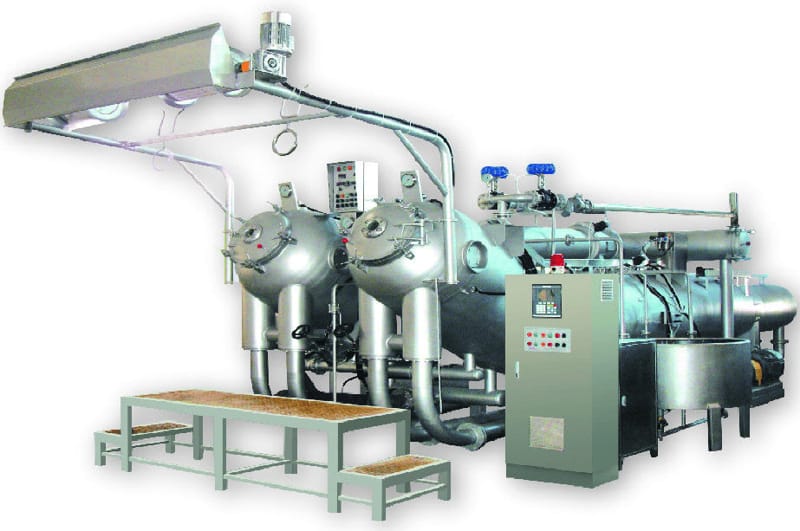
Modern dyeing processes incorporate precise control over temperature, pH, and chemical concentrations. Advanced machinery ensures uniform application of dyes across vast fabric volumes.
Process Equipment for Reactive Dyeing
Reactive dyeing requires:
- High-Precision Dyeing Machines: These machines control pH and temperature accurately.
- Fixation Units: Ensure that the reactive groups bond completely to the fiber.
- Post-Treatment Washers: Remove unfixed dye to prevent bleeding.
The process often involves a sequence of pre-treatment, dyeing, fixation, and washing. Process optimization ensures maximum color yield and minimal environmental impact.
Equipment for Disperse Dyeing
Disperse dyeing of synthetic fibers utilizes:
- High-Pressure Dyeing Vessels: Essential for maintaining the high temperatures required.
- Carrier Chemicals: Facilitate the penetration of dye particles into the fiber.
- Pressure and Temperature Control Systems: Ensure uniform dye diffusion.
Maintaining precise control is critical to achieve vibrant colors on synthetic materials.
Equipment for Acid Dyeing
Acid dyeing equipment features:
- Acidic Dye Baths: Carefully regulated pH conditions help the dye bond with protein fibers.
- Temperature-Controlled Units: Ensure optimal dye uptake.
- Neutralization Systems: Balance pH after dyeing for safe washing.
These systems support efficient dyeing of delicate fabrics such as silk and wool.
Diagram: Industrial Dyeing Process Flow
[ Pre-Treatment ] → [ Dye Application ] → [ Fixation/High Temperature ] → [ Post-Treatment & Washing ]
This diagram outlines the sequential steps in a typical dyeing process. Each phase is controlled to maximize dye uptake and fabric performance.

Chemical Principles Underpinning Dye-Fiber Interactions
The chemistry of dyeing relies on specific interactions between dye molecules and fiber components. The nature of these interactions determines the quality, fastness, and durability of the dyed fabric.
Reactive Dye Chemistry
Reactive dyes contain electrophilic groups that react with nucleophilic sites on fibers. The covalent bond formed is strong and permanent. Key chemical reactions include nucleophilic substitution. Reaction conditions must be controlled—typically at an alkaline pH—to achieve optimum fixation.
The reaction can be represented as:
Here, “X” is a leaving group that departs during the reaction, while “HX” is a by-product. This reaction ensures that the dye becomes an integral part of the fiber structure.
Disperse Dye Chemistry
Disperse dyes do not chemically react with fibers. Instead, they are finely ground and dispersed in water. Under high temperature and pressure, dye particles diffuse into synthetic fibers. The process relies on:
- Molecular Diffusion: Driven by a concentration gradient.
- Fiber Swelling: Carrier chemicals help fibers swell to facilitate dye penetration.
No covalent bonds form; instead, physical forces hold the dye within the fiber matrix. This mechanism suits hydrophobic fibers like polyester.
Acid Dye Chemistry
Acid dyes contain sulfonic acid groups (–SO₃H) that ionize in water. These dyes bond to fibers through ionic interactions. Protein fibers such as wool and silk contain basic amino groups that form ionic bonds with the dye anions. The general reaction is:
This interaction is strong but not as permanent as a covalent bond. Controlling the pH is critical for effective dye fixation.
Table: Key Chemical Interactions
| Dye Class | Binding Mechanism | Fiber Type | Critical Reaction Condition |
|---|---|---|---|
| Reactive Dyes | Covalent bond formation | Cotton, cellulosic fibers | Alkaline medium, heat |
| Disperse Dyes | Diffusion and physical adhesion | Polyester, synthetic fibers | High temperature, pressure |
| Acid Dyes | Ionic interaction | Wool, silk, nylon | Acidic medium, controlled pH |
This table summarizes the chemical basis of each dye class and their optimal conditions.
Environmental Impact and Sustainability
Modern dyeing processes face environmental challenges. Efficient dye fixation, waste management, and eco-friendly chemical use play critical roles in sustainable textile production.
Reducing Chemical Waste
High dye fixation rates minimize the release of unfixed dyes into wastewater. Reactive dyes generally achieve high fixation, whereas disperse dyes may require additional washing. Advances in carrier technology and process optimization help reduce chemical waste.
Sustainable Dyeing Practices
Sustainable practices include:
- Closed-Loop Water Systems: Recycle water used in dyeing and washing.
- Eco-Friendly Chemicals: Use low-impact dyes and auxiliaries that reduce toxicity.
- Energy Efficiency: Optimize process conditions to lower energy consumption during heating and fixation.
A lifecycle assessment (LCA) model can quantify environmental impact:
Lower values indicate more sustainable practices. Manufacturers strive to improve these metrics through process innovations.
Table: Sustainability Comparison in Dyeing Processes
| Process Aspect | Traditional Dyeing | Sustainable Dyeing |
|---|---|---|
| Water Usage | High | Closed-loop, significantly reduced |
| Energy Consumption | Elevated | Optimized, lower energy use |
| Chemical Waste | Moderate to high | Minimal through high fixation rates |
| Environmental Impact | High CO₂ footprint | Reduced via renewable energy |
This table outlines sustainability metrics in dyeing. Adopting eco-friendly practices supports both regulatory compliance and corporate responsibility.
Advances in Dyeing Technology
Technological innovations continue to revolutionize dyeing. New equipment and digital controls enhance efficiency, quality, and environmental performance.
Digital Dyeing Systems
Digital dyeing systems use advanced controls to adjust process parameters in real time. They optimize dye concentration, temperature, and pH to maximize fixation and reduce waste. Digital systems integrate with IoT sensors to provide continuous feedback, which enables predictive adjustments and improved quality control.
These systems offer:
- Precise Control: Fine-tuning of dyeing parameters ensures consistent fabric coloration.
- Reduced Waste: Automation minimizes overuse of dyes and auxiliaries.
- Energy Efficiency: Optimized heating and cooling cycles lower energy consumption.
Innovations in Reactive Dyeing
Recent developments in reactive dye chemistry focus on improving fixation efficiency and color yield. Novel reactive groups and optimized reaction conditions enhance the bonding process. Researchers experiment with different molecular structures to achieve vibrant colors while reducing environmental impact.
Innovations in Disperse and Acid Dyeing
For disperse dyes, innovations include new carriers and high-pressure dyeing systems that enhance diffusion into synthetic fibers. Acid dyeing improvements focus on better pH control and environmentally friendly acid formulations. These advances yield more uniform dyeing and improved fabric fastness.
Diagram: Digital Dyeing System Flow
[ Digital Control Unit ]
          ↓
[ IoT Sensors (Temperature, pH, Concentration) ]
          ↓
[ Real-Time Process Adjustments ]
          ↓
[ Optimized Dye Fixation & Reduced Waste ]
This diagram shows how digital systems enhance dyeing processes through continuous monitoring and adjustments.

Quality Assurance and Testing Methods
Ensuring consistent color, fastness, and quality in dyed fabrics is critical. Manufacturers implement rigorous quality control methods throughout the dyeing process.
Standard Testing Procedures
Common tests include:
- Color Fastness Tests: Evaluate resistance to washing, light, and rubbing.
- Tensile Strength Tests: Ensure that dyeing does not compromise fabric strength.
- Chemical Analysis: Verify the presence and fixation of dye molecules on fibers.
- Spectrophotometry: Measures color consistency and shade matching.
Standards such as ASTM, ISO, and AATCC provide benchmarks for these tests. Automated equipment and digital imaging systems capture real-time data to maintain quality.
In-Line Quality Monitoring
Modern dyeing lines integrate digital monitoring systems. Sensors track key variables such as dye concentration, bath temperature, and pH levels. Statistical Process Control (SPC) charts help operators detect deviations and initiate corrective actions. A simplified SPC formula is:
This formula quantifies process stability and informs quality improvements.

Case Studies and Industry Success Stories
Real-world examples illustrate the benefits of advanced dye chemistry. Case studies showcase how manufacturers improved quality, reduced waste, and met market demands.
Case Study 1: High-Performance Apparel
A leading sportswear brand switched to advanced reactive dyes for its cotton garments. The benefits included:
- Enhanced color fastness and wash durability.
- Vivid, long-lasting colors.
- A 15% reduction in production defects due to improved dye fixation.
Field tests confirmed that athletes experienced better performance and comfort, which boosted sales in the premium segment.
Case Study 2: Sustainable Synthetic Textile Production
A major manufacturer of polyester fabrics adopted innovative disperse dyeing techniques. They implemented high-pressure dyeing with optimized carriers. The results were:
- Improved color uniformity.
- Reduced water and energy consumption.
- A 20% decrease in chemical waste generation.
This shift enhanced the company’s sustainability credentials and opened new international markets.
Case Study 3: Luxury Silk and Wool Dyeing
A luxury textile producer used acid dyes to color silk and wool fabrics. With careful pH control and modern fixation techniques, the company achieved:
- Superior color vibrancy and fastness.
- High-quality, lustrous textiles that commanded premium prices.
- Consistent product quality across large production runs.
These success stories demonstrate the value of advanced dye chemistry in meeting diverse market needs.
Table: Summary of Case Study Outcomes
| Case Study | Dye Type | Key Improvements | Market Impact |
|---|---|---|---|
| High-Performance Apparel | Reactive Dyes | +15% reduction in defects; enhanced fastness | Increased premium market share |
| Sustainable Synthetic Textiles | Disperse Dyes | Reduced energy/water use; 20% less waste | Expanded international export markets |
| Luxury Silk and Wool | Acid Dyes | Superior color vibrancy; consistent quality | Commanded premium pricing |
Mathematical Models in Dye Chemistry
Mathematical modeling plays a crucial role in optimizing dye processes. Engineers use equations to predict dye uptake, fixation rates, and process efficiency.
1. Dye Uptake Model
Dye uptake depends on fiber surface area and fiber affinity for the dye. A simplified model is:
This relationship highlights that increasing the effective surface area enhances dye absorption, provided that the fiber has a high affinity for the dye.
2. Fixation Efficiency Model
Fixation efficiency indicates how well a dye bonds to a fiber. It can be modeled by:
High fixation efficiency reduces dye wastage and environmental impact. Optimizing process parameters such as temperature, pH, and time improves efficiency.
3. Process Efficiency Model
For evaluating the overall efficiency of the dyeing process, consider:
This equation helps manufacturers balance quality with production speed and reliability.
Table: Key Equations in Dye Process Optimization
| Equation | Purpose | Variables Defined |
|---|---|---|
|
|
Predicts dye absorption | Surface Area; Fiber Affinity |
|
|
Measures dye fixation | Fixed Dye; Total Dye Applied |
|
|
Quantifies overall production efficiency | Output Quality; Machine Uptime; Defect Rate; Downtime |
These models guide engineers in optimizing dyeing parameters for maximum quality and minimal waste.
Industry Best Practices and Recommendations
Adopting industry best practices ensures that dyeing processes are efficient, sustainable, and cost-effective.
1. Process Optimization
- Regular Calibration: Ensure that dyeing equipment operates within optimal ranges.
- Digital Monitoring: Use sensors and SPC to monitor pH, temperature, and dye concentration.
- Lean Manufacturing: Reduce waste by optimizing resource use and process flow.
2. Sustainability Initiatives
- Eco-Friendly Chemicals: Select dyes and auxiliaries that minimize environmental impact.
- Closed-Loop Systems: Recycle water and recover excess dye to reduce waste.
- Energy Efficiency: Optimize heating and cooling systems to lower energy consumption.
3. Training and Workforce Development
- Operator Training: Provide continuous training on modern dyeing techniques and digital controls.
- Certification Programs: Accredited programs ensure that technicians maintain high industry standards.
Diagram: Best Practices Cycle for Dyeing Processes
[ Equipment Calibration ]
            ↓
[ Digital Quality Monitoring ]
            ↓
[ Process Optimization (Lean Techniques) ]
            ↓
[ Sustainable Chemical & Energy Use ]
            ↓
[ Continuous Improvement ]
This cycle represents a comprehensive approach to achieving operational excellence and sustainability in dyeing.
Challenges and Future Research Directions
Despite significant advancements, dye chemistry faces challenges that spur ongoing research and innovation.
1. Technical Challenges
- Process Variability: Variations in fiber properties and machine parameters can affect dye uptake.
- Environmental Impact: Reducing water and energy use remains a critical challenge.
- Chemical Waste: Improving fixation rates to minimize dye effluent is essential.
2. Research Opportunities
Future research focuses on:
- Novel Reactive Groups: Developing dyes with improved reactivity and fixation efficiency.
- Sustainable Materials: Researching bio-based and recycled fibers to complement eco-friendly dyes.
- Digital Process Control: Integrating AI and digital twins for predictive maintenance and process optimization.
A simplified future research model is:
This model encapsulates the key drivers of future advancements in dye chemistry.
Global Market Trends and Economic Impact
The evolution of dye chemistry drives market dynamics in textiles. Manufacturers who adopt advanced dyeing techniques can capture premium market segments while reducing production costs.
1. Production Efficiency and Cost Analysis
Modern dyeing methods improve efficiency by reducing waste and enhancing fabric quality. A simplified cost model is:
Increased production volumes lower unit costs, boosting profitability. Automation and digital controls further enhance process efficiency.
2. Market Trends
Key trends include:
- Demand for Sustainable Textiles: Eco-friendly dyeing processes attract environmentally conscious consumers.
- High-Performance Fabrics: Improved color fastness and durability drive demand in premium segments.
- Global Expansion: Manufacturers that comply with international standards expand into global markets.
Table: Global Dye Market Projections
| Year | Global Dye Consumption (Million kg) | Growth Rate (%) |
|---|---|---|
| 2023 | 1.8 | – |
| 2025 | 2.0 | 11% |
| 2027 | 2.2 | 10% |
| 2030 | 2.5 | 9% |
This table shows projected growth in global dye consumption driven by innovations and increased market demand.
Innovations in Digitalization and Process Monitoring
Digital transformation is reshaping the dyeing industry. Modern systems integrate advanced sensors, AI, and IoT technologies for enhanced process control.
1. Real-Time Monitoring
Digital systems track critical parameters such as pH, temperature, and dye concentration. Real-time monitoring minimizes defects and improves dye fixation. Predictive maintenance algorithms reduce downtime by alerting operators before issues escalate.
2. Digital Twins
Digital twins simulate the entire dyeing process in a virtual environment. They allow engineers to test process adjustments without halting production. This proactive approach enhances efficiency and reduces waste.
A schematic of digital integration in dyeing is:
[ Sensors & Data Acquisition ]
            ↓
[ Digital Twin Simulation ]
            ↓
[ AI-Driven Process Adjustments ]
            ↓
[ Optimized Dyeing Performance ]
This diagram emphasizes the role of digital tools in improving production outcomes.
Case Studies and Industry Success Stories
Real-world examples highlight the transformative impact of advanced dye chemistry on textile production.
Case Study 1: Premium Denim Production Using Reactive Dyes
A leading denim manufacturer switched to advanced reactive dyes. Key outcomes included:
- Enhanced color vibrancy and excellent wash fastness.
- A 15% reduction in production defects.
- Improved efficiency in dye fixation, resulting in cost savings.
This innovation allowed the brand to offer premium denim with long-lasting color and durability, boosting market share and profitability.
Case Study 2: Sustainable Polyester Dyeing with Disperse Dyes
A synthetic textile producer adopted state-of-the-art disperse dyeing techniques for polyester fabrics. The process improvements resulted in:
- Uniform color application and enhanced fabric strength.
- A 20% reduction in water and energy consumption.
- Lower chemical waste through improved dye fixation and recovery.
These benefits enhanced the manufacturer’s sustainability profile and facilitated access to environmentally conscious markets.
Case Study 3: Luxury Silk and Wool Dyeing with Acid Dyes
A luxury textile company used acid dyes to color silk and wool. The company achieved:
- Superior color intensity and excellent fastness properties.
- Consistent fabric quality across large production volumes.
- Premium pricing due to high-end textile performance.
These case studies demonstrate how tailored dye chemistry processes can drive both quality and market differentiation.
Table: Summary of Case Study Impacts
| Case Study | Dye Type | Key Improvements | Market Outcome |
|---|---|---|---|
| Premium Denim Production | Reactive Dyes | +15% defect reduction; enhanced fastness | Increased premium market share |
| Sustainable Polyester Dyeing | Disperse Dyes | 20% reduction in water/energy use; uniform color | Expanded eco-friendly market access |
| Luxury Silk & Wool Dyeing | Acid Dyes | Superior color intensity; consistent quality | Commanded premium pricing |

Future Research and Development Opportunities
The field of dye chemistry continues to evolve. Ongoing research aims to overcome current challenges and unlock new possibilities.
1. Advancements in Reactive Dye Chemistry
Researchers are exploring novel reactive groups to enhance dye fixation and reduce chemical waste. Innovations focus on improving reactivity at lower temperatures and reducing the need for harsh chemicals. These advancements promise to yield more sustainable processes.
2. Enhancing Disperse Dye Performance
In disperse dyeing, research focuses on developing more efficient carriers and optimizing high-pressure dyeing systems. Improving the diffusion process in synthetic fibers can lead to better color uniformity and reduced energy consumption.
3. Innovations in Acid Dye Technology
Future research in acid dye technology aims to enhance color fastness on protein fibers. Improved formulations that require less energy and lower pH adjustments can result in cost savings and reduced environmental impact.
4. Digital Process Optimization
Integrating AI and machine learning with dyeing processes will enable real-time adjustments and predictive maintenance. Digital twins and advanced process simulations will further refine process parameters, leading to improved quality and efficiency.
A conceptual model for future R&D in dye chemistry is:
This model highlights the multifaceted approach required to drive continuous improvement in dyeing processes.
Global Perspectives and Market Expansion
1. International Standards and Harmonization
Global textile markets depend on uniform standards for quality and sustainability. Compliance with ASTM, ISO, and other international standards is critical. Manufacturers that meet these standards enjoy smoother market entry and expanded export opportunities.
Digital documentation and traceability systems improve compliance and facilitate international trade. These systems verify that dyeing processes meet environmental and quality benchmarks across borders.
2. Regional Market Dynamics
Different regions contribute uniquely to dye chemistry innovation:
- Asia: Balances traditional methods with modern digital processes.
- Europe: Leads in technological innovation and quality control.
- Americas: Focuses on high-efficiency production and mass-market appeal.
A comparative table summarizes these regional trends:
| Region | Key Focus | Market Impact |
|---|---|---|
| Asia | Blend of traditional and digital methods | Rich heritage; growing modern capacity |
| Europe | Advanced technology and automation | High quality; premium market segments |
| Americas | Mass production and efficiency |
Regulatory and Standardization Aspects
Quality, safety, and environmental impact drive regulatory frameworks in dyeing processes. Manufacturers must adhere to international and national standards to ensure that textiles meet stringent requirements.
1. International Certification
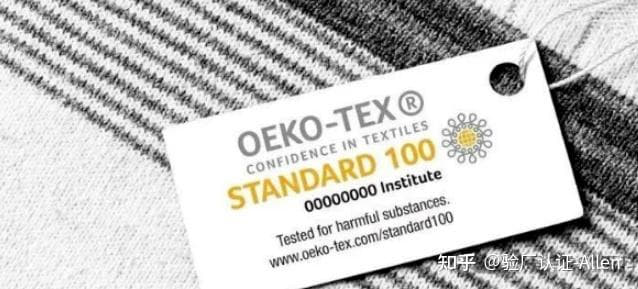
Certifications such as OEKO-TEX, GOTS, and ISO 9001 verify that dyeing processes follow best practices. These certifications support market credibility and enhance consumer trust. Regular audits and quality assessments ensure compliance.
2. Environmental Regulations
Environmental regulations influence dyeing practices. Regions enforce limits on chemical discharge, water usage, and energy consumption. Manufacturers adopt eco-friendly dyes and recycling systems to comply with these rules. This commitment to sustainability enhances market acceptance and reduces environmental impact.
Educational Resources and Workforce Development
A skilled workforce supports technological advancements in dye chemistry. Educational initiatives ensure that textile professionals stay updated on the latest practices and innovations.
1. University and Technical Training Programs
Universities and technical institutes offer specialized courses in textile dye chemistry. These courses cover:
- Fundamentals of dye-fiber interactions.
- Process optimization in dyeing.
- Advanced chemical formulations and environmental considerations.
Accredited certification programs validate expertise and enhance career prospects. Hands-on training in state-of-the-art dyeing facilities prepares students for modern manufacturing challenges.
2. Online Resources and Webinars
Digital platforms provide accessible educational resources, including webinars, tutorials, and interactive courses. These online tools help professionals continuously upgrade their skills and stay current with emerging technologies.
Conclusion and Summary
The fundamentals of dye chemistry are essential to understanding modern textile production. Reactive, disperse, and acid dyes each offer unique chemical properties that dictate their interaction with various fibers. Reactive dyes form covalent bonds with cellulosic fibers, producing vibrant and durable colors. Disperse dyes rely on physical dispersion to dye synthetic fibers effectively, while acid dyes bond ionically with protein fibers like wool and silk.
Advancements in dye chemistry have driven improvements in color fastness, energy efficiency, and environmental sustainability. Modern dyeing processes incorporate digital controls, predictive maintenance, and eco-friendly practices to achieve high-quality textiles. Manufacturers worldwide benefit from these innovations, which have reduced production costs, enhanced product performance, and expanded market opportunities.
Global market trends underscore the growing demand for sustainable, high-performance textiles. Regulatory compliance and international certifications further support the global expansion of advanced dyeing processes. Continuous research and workforce development remain critical for future innovations in dye chemistry.
In summary, understanding the basic principles of reactive, disperse, and acid dyes provides a foundation for innovation in textile dyeing. The integration of digital technology, sustainable practices, and advanced chemical formulations will continue to drive the evolution of dye chemistry, enabling manufacturers to meet diverse market demands with superior, eco-friendly textiles.