Introduction
Textile finishing transforms raw fabrics into products that meet performance, aesthetic, and durability requirements. Finishing processes improve hand, appearance, and functionality. In textiles, finishing is broadly classified into mechanical and chemical methods. Mechanical finishing includes physical treatments such as calendaring, sanforization, and shearing. In contrast, chemical finishing involves the application of chemicals to modify fiber properties through processes like mercerization, enzyme treatment, and resin finishing. Manufacturers, designers, and engineers use these finishing techniques to add value and functionality to textile products.
The finishing stage plays a vital role in achieving desired properties like softness, crease resistance, water repellency, and color enhancement. Finishing methods evolve continuously, driven by advances in process control, digitalization, and sustainability. Today’s textile finishing processes employ state-of-the-art machinery and chemical formulations that boost production efficiency while meeting strict environmental and quality standards.
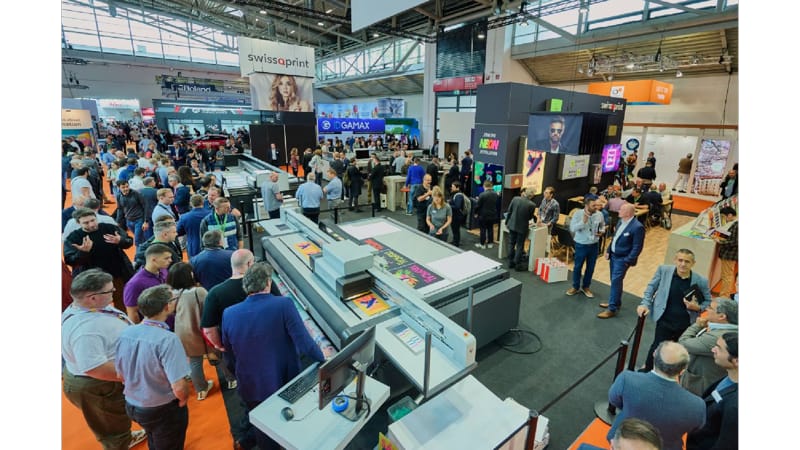
Textile finishing not only enhances fabric performance but also differentiates products in competitive global markets. Whether aiming for luxury aesthetics or high-performance functionality, understanding the basic principles of mechanical versus chemical finishing is crucial for achieving superior quality textiles. The discussion below delves into historical milestones, technical evolution, raw material sourcing, production processes, and emerging trends that shape textile finishing today.
History
Early Developments in Textile Finishing
Textile finishing has roots that stretch back thousands of years. Ancient civilizations practiced rudimentary mechanical finishing using simple hand tools. Early methods such as beating, brushing, and steaming improved fabric appearance and texture. Historical records indicate that civilizations in Egypt, China, and Mesopotamia used basic finishing techniques to create fabrics that were not only functional but also visually appealing. Over time, these methods evolved as artisans discovered innovative ways to manipulate fibers.
During medieval times, textile finishing became more sophisticated. Weavers employed physical treatments to enhance fabric softness and durability. Techniques such as fulling—where fabrics were pounded to remove impurities and compact fibers—marked a turning point in the quality of textiles. As trade expanded, finished textiles emerged as valuable commodities. The evolution of finishing techniques continued through the Renaissance, as mechanization and process improvements allowed mass production of finished fabrics that met diverse consumer demands.
Technological Milestones in Finishing History
The industrial revolution marked a radical transformation in textile finishing. Mechanical finishing machines emerged to process fabrics faster and with greater consistency. Innovations such as calendering, sanforization, and shearing were developed to enhance fabric properties. Calendering, for instance, used heated rollers to smooth and impart luster to fabrics, while sanforization pre-shrunk textiles to maintain dimensions after laundering.
In the twentieth century, chemical finishing evolved as a science. Researchers developed chemical treatments that modified fiber surfaces to enhance properties like flame retardancy, water repellency, and wrinkle resistance. Enzyme-based treatments and resin finishes emerged, offering new ways to achieve desired fabric characteristics without compromising fiber strength.
The timeline of textile finishing development includes:
- Ancient Era: Hand finishing and natural treatments.
- Medieval Period: Fulling and basic mechanical treatments.
- Industrial Revolution: Introduction of calendering and sanforization.
- Early 20th Century: Development of chemical finishes.
- Modern Era: Integration of digital control, automation, and sustainable finishing practices.
Technological Evolution
Mechanical Finishing Evolution
Mechanical finishing focuses on physically altering the fabric structure without the use of chemical agents. Early mechanical methods were manual and labor-intensive. Over time, the development of steam-powered machines revolutionized the process. Calendering machines, which press fabrics between heated rollers, emerged to improve smoothness and luster. These machines evolved into sophisticated digital systems that precisely control temperature, pressure, and speed to achieve consistent results.
Modern mechanical finishing also includes:
- Sanforization Machines: Pre-shrink fabrics to improve dimensional stability.
- Shearing Machines: Trim protruding fibers to create a uniform surface.
- Embossing and Printing Equipment: Impart textures and patterns onto fabrics without additional chemical treatments.
Digital integration now allows real-time monitoring of mechanical finishing parameters. Sensors measure fabric tension, moisture, and surface smoothness, feeding data into automated control systems that adjust process conditions on the fly. This evolution has led to increased production speeds, lower defect rates, and higher overall quality.
Chemical Finishing Evolution
Chemical finishing involves applying chemical agents to alter the fiber surface or internal structure. Early chemical treatments were simple and often uncontrolled, leading to inconsistent results. With advances in chemistry and process control, chemical finishing has become a precise science. Modern chemical finishing processes include:
- Mercerization: Treating cotton with caustic soda to improve luster and dye affinity.
- Enzyme Treatments: Using biological catalysts to modify fiber surfaces gently.
- Resin Finishing: Applying synthetic resins to impart wrinkle resistance and stability.
- Silicone and Fluorochemical Finishes: Enhancing water repellency and softness.
These processes now employ digital systems that monitor pH, temperature, and chemical concentrations. Advanced formulations minimize environmental impact and improve fixation efficiency. Chemical finishing often works in tandem with mechanical methods to achieve the optimal balance of fabric properties.
Source and Availability
Raw Materials for Mechanical Finishing
Mechanical finishing does not require chemical agents; instead, it relies on physical manipulation of the fabric. The quality of the raw fabric, including fiber type, yarn twist, and weave structure, is crucial. High-quality cotton, wool, and synthetic blends respond differently to mechanical finishing. Manufacturers source fabrics from certified mills that ensure consistent fiber quality and production standards. Reliability in raw material sourcing is essential to maintain uniformity in the final finished product.
Raw Materials for Chemical Finishing
Chemical finishing depends on a variety of chemical agents and auxiliaries. These include:
- Caustic Soda: Used in mercerization.
- Enzymes: Such as cellulases for modifying cotton.
- Resins: For wrinkle resistance and fabric stabilization.
- Silicone Emulsions and Fluorochemicals: Enhance softness and water repellency.
- Dyes and Pigments: Sometimes applied as part of a finishing treatment.
Sourcing high-purity chemicals from reputable suppliers is vital. Global chemical markets provide a steady supply, with major production centers in Asia, Europe, and North America. Manufacturers maintain stringent quality checks to ensure that these materials meet regulatory and performance standards.

Innovations
Mechanical Finishing Innovations
Recent innovations in mechanical finishing include:
- Digital Calendering: Using computer-controlled rollers to optimize heat, pressure, and speed for a uniform finish.
- Automated Sanforization: Systems that adjust shrinkage parameters dynamically based on fabric type.
- Advanced Shearing: Incorporating laser-guided cutting systems to achieve precise and uniform surfaces.
- Hybrid Techniques: Combining mechanical and minor chemical treatments for improved texture without compromising fabric integrity.
These innovations reduce production variability and energy consumption while boosting product quality.
Chemical Finishing Innovations
Chemical finishing has seen breakthroughs in formulation and process control:
- Eco-Friendly Finishes: Development of biodegradable resins and low-toxicity auxiliaries that reduce environmental impact.
- Enzymatic Treatments: More precise enzyme formulations target specific fiber components, achieving consistent results with lower energy inputs.
- Nanotechnology: Incorporating nanomaterials to enhance fabric properties such as anti-microbial activity, UV protection, and improved breathability.
- Multi-Functional Finishes: Systems that combine several functions, for example, wrinkle resistance with water repellency, into a single treatment.
Ongoing research continues to push the boundaries of what chemical finishes can achieve. These developments allow manufacturers to tailor fabric properties to meet specific end-use requirements while supporting sustainable practices.
Production Process
Mechanical Finishing Process
The mechanical finishing process involves several steps:
- Pre-Treatment: Inspection and preparation of the raw fabric. The fabric is often cleaned and pre-conditioned to remove impurities.
- Calendering: The fabric passes between heated rollers. This step smooths the fabric surface, imparts luster, and can modify thickness.
- Sanforization: The fabric is shrunk under controlled conditions to stabilize its dimensions and reduce post-laundering shrinkage.
- Shearing: Excess fibers are trimmed to create a uniform, smooth surface.
- Embossing (Optional): Patterns are imprinted onto the fabric using engraved rollers.
- Quality Inspection: Finished fabric is inspected for defects, and quality control measures ensure consistency.
Digital sensors and automated control systems monitor each step. Data on temperature, pressure, and fabric tension are captured in real time. Operators use this data to adjust settings, ensuring that finishing parameters remain optimal.
Chemical Finishing Process
Chemical finishing processes typically follow these stages:
- Pre-Treatment: Fabric is scoured and desized to remove impurities that could hinder chemical reactions.
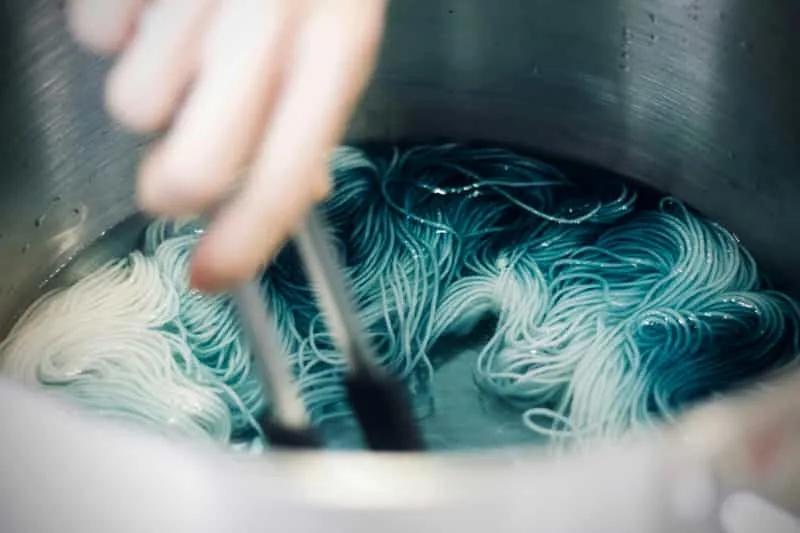
- Chemical Application: The fabric is immersed in a chemical bath containing finishing agents. This step may include mercerization, enzyme treatment, or resin application.
- Fixation: The fabric is treated under controlled temperature and pH conditions to facilitate chemical bonding. In reactive dyeing, for example, the reactive group forms a covalent bond with the fiber.
- Rinsing and Washing: Excess chemicals are removed from the fabric.
- Drying: The finished fabric is dried under controlled conditions to preserve the chemical finish.
- Post-Treatment: Additional processes such as softening, anti-pilling, or flame retardancy treatments may be applied.
Modern dyeing lines integrate digital control systems. These systems monitor pH, temperature, and chemical concentration to optimize the process. Advanced formulations and eco-friendly chemicals help minimize environmental impact and improve fabric performance.
A simplified flow diagram for chemical finishing is:
[ Pre-Treatment ] → [ Chemical Application ] → [ Fixation ] → [ Rinsing & Washing ] → [ Drying ] → [ Post-Treatment ]
Challenges
Technical Challenges
Manufacturing finished textiles faces several technical challenges:
- Process Variability: Maintaining consistent finishing across different fabric batches requires precise control.
- Equipment Calibration: Both mechanical and chemical processes demand regular calibration to ensure uniformity.
- Integration Complexity: Combining mechanical and chemical methods in a hybrid finishing process can complicate production.
- Surface Defects: Imperfections during finishing can lead to issues such as pilling, uneven texture, or color inconsistencies.
Environmental and Economic Challenges
Environmental concerns remain prominent:
- Energy and Water Consumption: Finishing processes often require high temperatures and large volumes of water.
- Chemical Waste Management: Disposing of finishing chemicals responsibly poses significant challenges.
- Cost Management: High-quality finishing agents and advanced machinery involve considerable investment, which can affect pricing strategies.
Manufacturers address these challenges through rigorous process optimization, lean manufacturing principles, and digital monitoring. Innovations in sustainable finishing methods aim to reduce energy use and waste while maintaining high product quality.
Real-World Applications
Textile finishing is critical to many industries. Both mechanical and chemical finishes impact the performance and aesthetics of the final product.
Apparel and Fashion
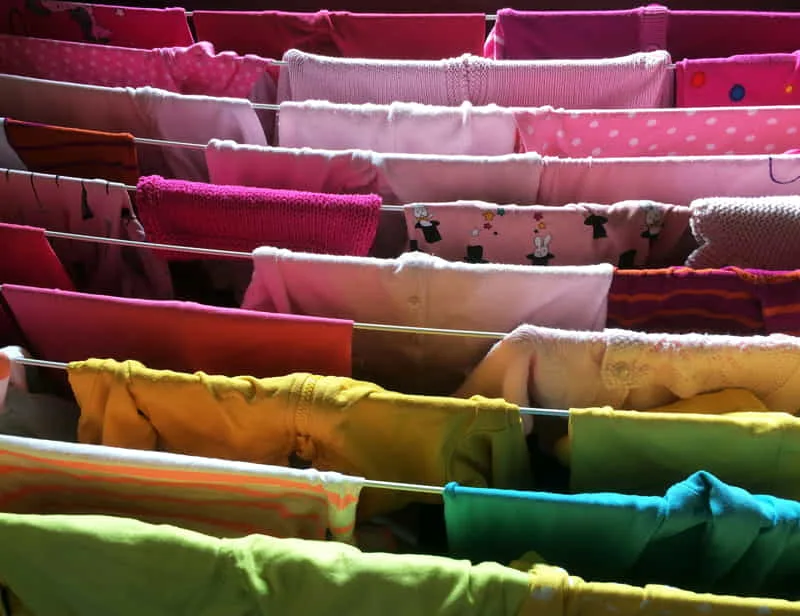
In the apparel industry, finishing methods determine fabric softness, drape, and color retention. Mechanical finishing such as calendering enhances fabric luster, while chemical finishes improve wrinkle resistance and dye uptake. High-performance sportswear, luxury garments, and everyday apparel all benefit from tailored finishing processes.
For example, a sportswear manufacturer uses enzyme treatments to achieve a soft, breathable finish while ensuring that moisture-wicking properties are maintained. High-end fashion brands rely on precise chemical finishes to produce fabrics with a luxurious hand and vibrant colors.
Home Textiles
Home textiles such as bed linens, curtains, and upholstery demand durable finishes. Mechanical finishing ensures smooth surfaces, while chemical treatments add features like stain resistance and water repellency. The right combination enhances the longevity and aesthetic appeal of home furnishings.
Technical Textiles
Technical textiles require finishes that impart properties like flame retardancy, anti-static behavior, and improved abrasion resistance. Chemical finishes can modify fiber surfaces to achieve these attributes without compromising structural integrity. Applications include automotive interiors, industrial safety gear, and medical textiles.
Packaging and Industrial Applications
PET films and laminates often undergo chemical finishing to improve barrier properties. Mechanical finishing processes also play a role in producing films with high clarity and strength. These applications extend into packaging, electronics, and graphic displays, where performance and aesthetics are critical.
End-Users
Apparel Manufacturers
Clothing and sportswear manufacturers depend on finishing processes to ensure that fabrics meet design and performance specifications. Consistency in finish impacts garment quality and consumer satisfaction.
Home Furnishings Producers
Textile companies producing bed linens, curtains, and upholstery prioritize durability, appearance, and comfort. Finishing treatments help achieve these properties and extend product life.
Technical Textile Companies
Producers of technical textiles—such as automotive interiors, industrial fabrics, and medical textiles—demand finishes that deliver performance under harsh conditions. Enhanced durability, flame retardancy, and resistance to abrasion are critical.
Packaging and Film Producers
PET film producers and packaging companies use finishing processes to improve barrier properties, clarity, and strength. These end-users require finishes that meet stringent performance criteria for food safety and product protection.
Market
Global Demand
Global demand for advanced textile finishing is growing. Increased consumer expectations for high-quality, durable, and sustainable products drive market expansion. Apparel, home furnishings, technical textiles, and packaging all contribute to the market’s growth.
Market Drivers
Key drivers include:
- Innovation: Advancements in both mechanical and chemical finishing techniques.
- Sustainability: Eco-friendly processes and materials gain traction.
- Digital Integration: Automation and digital controls improve product consistency.
- Customization: On-demand finishing enables bespoke fabric production.
Economic Impact
Investment in advanced finishing technologies boosts productivity and lowers per-unit costs. Manufacturers that optimize finishing processes can capture premium pricing and expand their market share globally. The global textile market continues to evolve as finishing technologies drive improvements in product performance and consumer satisfaction.
Future
Technological Advancements
The future of textile finishing lies in further digital integration and sustainable innovation. Advances in AI, IoT, and digital twins promise real-time optimization and predictive maintenance for finishing processes. Mechanical finishing will benefit from more precise control systems, while chemical finishing will see new eco-friendly formulations.
Sustainability
Sustainability will remain a major focus. Future developments include:
- Eco-Friendly Chemicals: Continued research into biodegradable and low-impact chemicals.
- Energy and Water Efficiency: New machinery designs will further reduce resource consumption.
- Recycling and Closed-Loop Systems: Innovations in recycling finished textiles and reusing process water will support circular economy models.
Market Expansion
Global markets for high-performance and sustainable textiles are expected to grow. Manufacturers who invest in advanced finishing technologies and digital process control will capture new market segments and meet evolving consumer demands.
Future Research
Ongoing research will explore:
- Hybrid Finishing Techniques: Combining mechanical and chemical processes for optimized fabric properties.
- Smart Finishing Technologies: Integrating sensors and adaptive control systems for on-the-fly adjustments.
- Advanced Material Science: Innovations in fiber chemistry and nanotechnology to further enhance textile finishes.
A future trend model can be summarized as:
Innovations and Research
Ongoing Research Initiatives
Research in textile finishing is vibrant and ongoing. Collaborative projects between academic institutions and industry drive innovation. Current research areas include:
- Novel Chemical Formulations: New reactive, enzymatic, and resin-based finishes that enhance fabric performance.
- Process Optimization: Integration of AI and machine learning to optimize finishing processes and reduce waste.
- Sustainable Innovations: Development of eco-friendly chemicals and closed-loop finishing systems that reduce environmental impact.
Collaborative Projects
Many research projects receive funding from governmental and international bodies. These collaborations yield breakthroughs that enable manufacturers to produce textiles with enhanced functionality while meeting strict sustainability targets.
A conceptual research collaboration model is:
This model emphasizes the multifaceted approach required for continuous improvement.

End-User Perspectives
Apparel and Fashion
End-users in the apparel sector require finishes that enhance comfort, durability, and aesthetic appeal. Fashion brands leverage both mechanical and chemical finishing to produce garments that stand up to repeated wear while maintaining vibrant color and a luxurious hand feel.
Home Textiles
Home textile producers focus on creating fabrics with long-lasting performance and high comfort. Finishing processes improve texture, color retention, and resistance to pilling. These attributes are critical for products such as bed linens, curtains, and upholstery.
Technical and Industrial Applications
Industries like automotive, aerospace, and industrial safety rely on finished textiles with specific performance characteristics. Chemical finishes may impart flame retardancy or anti-static properties, while mechanical finishing ensures a smooth, uniform surface that meets stringent safety standards.
Packaging
PET films and other flexible packaging materials also undergo finishing to enhance barrier properties, clarity, and strength. End-users in this market demand high-quality finished products that extend shelf life and protect contents.
Market
Global Demand and Trends
The global market for textile finishing continues to expand. Rising consumer expectations and increased competition drive demand for high-quality finishes. Innovations in mechanical and chemical finishing enable manufacturers to differentiate products through superior performance and sustainability.
Market Drivers
Key market drivers include:
- Innovation in Process Technologies: Advanced machinery and digital controls drive improved quality.
- Sustainability Trends: Eco-friendly finishing practices attract environmentally conscious consumers.
- Customization and Design Flexibility: On-demand finishing capabilities enable bespoke fabric production.
- Global Trade and Standards: Compliance with international standards expands market access.
Economic Impact
Investments in advanced finishing technology yield significant economic benefits. Enhanced process efficiency lowers production costs, while superior finished products command premium pricing. Manufacturers who innovate in finishing gain a competitive edge in the global market.
Future
Technological Advancements
The future of textile finishing lies in the integration of digital technologies and sustainable innovations. Future advancements will include:
- Enhanced Digital Controls: AI and IoT systems will drive real-time process optimization and predictive maintenance.
- Smart Finishing Systems: Digital twins and adaptive finishing machines will allow for dynamic adjustments to meet varying product requirements.
- Hybrid Finishing Techniques: Combining mechanical and chemical processes will enable multifunctional finishes that meet diverse market needs.
Sustainability and Environmental Impact
Sustainability remains a core focus. Future innovations will emphasize:
- Eco-Friendly Finishes: New, biodegradable chemical formulations will reduce environmental impact.
- Recycling and Circular Economy Models: Improved recycling technologies for finished textiles and effluents will support a circular economy.
- Resource Efficiency: Digital process control will minimize energy and water consumption.
Market and Consumer Trends
The market is expected to favor products that combine superior performance with sustainable production. Consumers increasingly demand textiles that offer durability, aesthetic appeal, and eco-friendly attributes. Manufacturers that invest in advanced finishing technologies are poised to capture new market segments and expand their global footprint.
A future trend model can be expressed as:
Innovations in Digitalization and Process Monitoring
Real-Time Monitoring and Predictive Analytics
Digitalization is transforming textile finishing. Advanced sensors continuously monitor key variables such as temperature, pH, and pressure. Digital systems analyze this data in real time, allowing operators to fine-tune processes instantly. Predictive analytics help forecast equipment maintenance needs, reducing downtime and ensuring consistent quality.
Digital Twins
Digital twins replicate the dyeing and finishing process in a virtual environment. This technology enables manufacturers to simulate process adjustments, test new formulations, and optimize finishing parameters without interrupting production. The integration of digital twins leads to higher efficiency and lower waste.
A simplified digital process model is:
Innovations in Supply Chain and Sustainability
Digital Supply Chain Integration
Digital supply chain management plays a key role in modern textile production. Advanced systems track raw materials, production processes, and distribution networks. Technologies such as blockchain enhance traceability, ensuring that finished textiles meet quality and sustainability standards.
Sustainable Manufacturing Practices
Sustainable practices in textile finishing include:
- Closed-Loop Water Systems: Recycling water used in finishing processes.
- Energy-Efficient Equipment: Using modern machinery to reduce energy consumption.
- Recycling Programs: Recovering off-cuts and reusing chemical waste.
- Green Certifications: Obtaining certifications like OEKO-TEX and GOTS to verify eco-friendly practices.
A lifecycle assessment (LCA) model quantifies environmental impact:
Lower values indicate improved sustainability.
Innovations in Yarn Design and Customization (Extended Section)
Though primarily focused on finishing, yarn design and customization significantly benefit from advanced finishing processes. Finishes impact the hand, appearance, and performance of yarns, influencing overall fabric quality.
Digital Customization
Digital finishing systems allow manufacturers to tailor finishing processes to produce unique textures and colors. Computer-aided design (CAD) tools enable designers to create intricate patterns that finishing machines execute with precision. This technology supports the production of limited-edition and bespoke textiles.
Benefits of Customization
Customization offers several advantages:
- Unique Visual Effects: Advanced finishing can produce gradient effects and multi-tone textures.
- Market Differentiation: Custom finishes command premium prices in niche markets.
- Rapid Prototyping: Designers can quickly test new finishing effects and adjust processes accordingly.
A conceptual diagram of digital customization in finishing is:
[ Design Input ]
         ↓
[ CAD Pattern Development ]
         ↓
[ Digital Finishing System ]
         ↓
[ Customized Textile Output ]
Market Analysis
Global Demand and Trends
The global market for textile finishing continues to grow as consumer expectations rise. Key market segments include apparel, home textiles, technical textiles, and packaging. Manufacturers focus on quality, sustainability, and innovation to meet these demands.
Market Drivers
Market drivers include:
- Technological Innovation: Advanced machinery and digital process controls.
- Sustainability: Increasing demand for eco-friendly textiles.
- Customization: The rise of on-demand finishing for bespoke products.
- Global Trade: Compliance with international standards supports market expansion.
Economic Impact
Investing in advanced finishing technologies boosts productivity and reduces per-unit costs. Manufacturers achieving high fixation rates and consistent finishes capture premium pricing and expand export opportunities. A simplified economic model is:
As production volume increases, unit costs decline, enhancing profitability.
Future Outlook
Technological Advancements
The future of textile finishing lies in continued digital integration, sustainability, and process optimization. Emerging technologies will drive:
- Enhanced Digital Controls: AI and IoT systems that optimize finishing parameters in real time.
- Smart Finishing Systems: Digital twins and predictive maintenance further reduce defects and energy usage.
- Hybrid Processes: Combining mechanical and chemical finishes for multifunctional fabrics.
Sustainability and Environmental Impact
Sustainable textile finishing will play a central role. Future trends include:
- Eco-Friendly Chemicals: Development of biodegradable and low-toxicity finishing agents.
- Recycled Finishes: Advances in recycling technologies will produce high-quality recycled textiles.
- Closed-Loop Systems: Complete integration of recycling and waste recovery in finishing processes.
Market Expansion and Global Trade
The global market will continue to expand as demand grows for high-performance, eco-friendly textiles. Manufacturers investing in advanced finishing technologies will capture significant market share. Global trade will be further facilitated by digital traceability and adherence to international standards.
A future growth model can be summarized as:
Innovations in Digitalization and Process Monitoring
Real-Time Monitoring
Advanced sensors track critical variables such as temperature, pressure, and chemical concentration. Real-time data acquisition helps maintain optimal process conditions and ensures consistent fabric quality. Digital monitoring minimizes process variability and defects.
Digital Twins
Digital twins simulate the entire finishing process virtually. This allows manufacturers to test process adjustments and predict maintenance needs without interrupting production. Integration of digital twins and AI-driven controls leads to enhanced process efficiency and reduced environmental impact.
A simplified model is:
Educational Initiatives and Workforce Development
University and Technical Training Programs
Universities and technical institutes offer specialized programs in textile finishing. Courses cover both mechanical and chemical finishing fundamentals, process optimization, and sustainable practices. Accredited certification programs enhance industry standards and prepare graduates for modern manufacturing challenges.
Online Learning and Webinars
Digital platforms now provide interactive webinars, virtual labs, and online tutorials on textile finishing. These resources ensure that professionals remain updated on emerging technologies and best practices. Continuous learning is crucial for sustaining innovation in a competitive market.

Regulatory and Standardization Aspects
International Certification
Compliance with international standards such as ISO, ASTM, and OEKO-TEX ensures that finishing processes meet quality and environmental benchmarks. Certifications boost market credibility and facilitate international trade.
National Regulations
National regulatory frameworks govern chemical usage, water consumption, and energy efficiency in textile finishing. Manufacturers adopt sustainable practices and eco-friendly chemicals to comply with these standards, reducing environmental impact while maintaining high product quality.
Innovations in Supply Chain and Sustainability
Digital Supply Chain Integration
Digital supply chain management tracks raw materials, production processes, and distribution networks. Blockchain technology enhances traceability, ensuring that textile finishing processes adhere to quality and sustainability standards. Efficient supply chain management reduces waste and improves cost efficiency.
Green Manufacturing Practices
Green manufacturing initiatives include:
- Closed-Loop Water Systems: Recycling water in finishing processes.
- Energy-Efficient Machinery: Modern equipment that reduces energy consumption.
- Waste Recycling: Programs to recover and reuse chemical waste and fabric off-cuts.
- Sustainable Sourcing: Using eco-friendly raw materials and finishing chemicals.
A lifecycle assessment (LCA) model quantifies environmental impact:
Future Research and Development Opportunities
Advancements in Mechanical Finishing
Research continues to refine mechanical finishing techniques. Innovations include:
- Advanced Calendering Systems: Digital controls that fine-tune pressure and temperature for optimum finish.
- Hybrid Mechanical-Chemical Processes: Combining physical treatments with mild chemical agents to achieve multifunctional finishes.
- Nanotechnology: Integrating nanomaterials to enhance fabric properties like luster, durability, and moisture management.
Advancements in Chemical Finishing
Chemical finishing research focuses on:
- Novel Reactive Agents: Developing new chemical groups that bond more efficiently to fibers.
- Eco-Friendly Formulations: Creating dyes and finishes with reduced toxicity and environmental impact.
- Process Optimization: Using digital process controls to optimize chemical finishing and reduce resource consumption.
Digital Integration in R&D
Digitalization plays a critical role in future research. AI, machine learning, and digital twins enable simulation and optimization of finishing processes, driving continuous improvements. Collaborative research initiatives between academia and industry foster breakthrough innovations that will define the next generation of textile finishing.
A conceptual future research model is:
\text{Future R&D Impact} = \text{Innovative Chemistry} + \text{Digital Process Integration} + \text{Sustainable Practices}
Global Perspectives and Market Expansion
International Standards and Market Dynamics
Global markets demand high-quality, sustainable textile finishes. Manufacturers must adhere to international standards, which drive product consistency and open new export markets. Regulatory bodies worldwide enforce standards that promote environmental responsibility and product safety.
Regional Market Trends
Different regions contribute uniquely to textile finishing:
- Asia: Combines traditional finishing methods with modern digital processes.
- Europe: Leads in technological innovation and quality assurance.
- Americas: Focuses on mass production and efficient, standardized processes.
Table: Regional Contributions to Textile Finishing
| Region | Traditional Methods | Modern Innovations |
|---|---|---|
| Asia | Hand finishing; local expertise | Digital finishing; sustainable chemical processes |
| Europe | Historical finishing craftsmanship | Computer-controlled finishing; high-quality outputs |
| Americas | Adapted European techniques | Mass production; lean finishing practices |
End-User Perspectives
Apparel and Fashion
End-users in the apparel sector demand finishes that enhance comfort, durability, and aesthetics. High-performance sportswear, luxury garments, and everyday wear all rely on effective finishing to ensure color vibrancy, softness, and longevity.
Home Textiles
Home textile manufacturers prioritize finishes that improve the look and feel of fabrics used in bedding, curtains, and upholstery. Consistent, high-quality finishing enhances the overall appearance and durability of home furnishings.
Technical Textiles
Technical textiles require finishes that impart properties such as flame retardancy, water repellency, and abrasion resistance. Industries like automotive, aerospace, and industrial safety depend on these advanced finishing processes for optimal performance.
Packaging and Industrial Applications
In packaging, finishes enhance the barrier properties, clarity, and strength of films and laminates. End-users in this sector value PET films and other materials that have been finished to meet rigorous standards.
Market
Global Demand and Market Drivers
The global market for textile finishing is robust. Consumers seek high-quality, durable, and aesthetically pleasing textiles. Manufacturers continue to invest in advanced finishing technologies to meet these expectations. Market drivers include innovation, sustainability, digital integration, and customization capabilities.
Economic Impact
Improved finishing processes enhance fabric quality, reduce production costs, and boost profitability. The global textile market benefits from increased export opportunities and premium pricing for finished products that exhibit superior performance and eco-friendly attributes.
A simplified market model is:
Future
Technological Advancements
The future of textile finishing lies in digital integration and sustainable innovation. Manufacturers will continue to refine both mechanical and chemical finishing processes using advanced digital controls, AI, and real-time monitoring systems. Innovations in nanotechnology, hybrid processes, and eco-friendly chemicals promise to revolutionize textile finishing.
Sustainability and Environmental Impact
Sustainability remains a top priority. Future developments will focus on:
- Eco-Friendly Finishes: New formulations that reduce environmental impact.
- Recycling and Circular Economy: Innovations in recycling finished textiles and reducing process waste.
- Resource Efficiency: Optimizing energy and water usage through digital process control.
Market Expansion
Global market trends indicate strong growth. Manufacturers that adopt cutting-edge finishing technologies and sustainable practices will capture premium market segments and expand globally. Digital traceability and compliance with international standards further drive market expansion.
A future outlook model can be expressed as:

Innovations in Digitalization and Process Monitoring
Digitalization transforms textile finishing by integrating advanced sensors, AI, and IoT into production processes. These systems provide real-time feedback, allowing operators to optimize conditions continuously. Predictive maintenance and digital twins reduce downtime and waste, ensuring consistent quality.
A simplified digital model is:
Educational Resources and Workforce Development
University Partnerships and Certification
A skilled workforce is essential for maintaining high-quality finishing processes. Universities and technical institutes offer specialized courses in textile finishing, covering both mechanical and chemical aspects. Accredited certification programs ensure that industry professionals possess the latest knowledge and skills.
Online Learning Platforms
Digital platforms provide accessible training through webinars, interactive tutorials, and virtual labs. Continuous education helps professionals stay updated on emerging technologies and industry best practices.
Regulatory and Standardization Aspects
International Standards
Global textile finishing processes must comply with international standards such as ISO, ASTM, and OEKO-TEX. These certifications ensure consistent quality, safety, and environmental performance, facilitating global trade and consumer trust.
National Regulations
Different regions enforce specific environmental and safety regulations. Manufacturers adopt eco-friendly chemicals, closed-loop water systems, and energy-efficient equipment to meet these regulatory requirements. Continuous compliance drives innovation and market expansion.
Summary of Key Points
Textile finishing transforms raw fabrics into high-performance products. Mechanical finishing methods, such as calendering, sanforization, and shearing, physically alter fabric properties. Chemical finishing processes use reactive agents, enzymes, and resins to modify fiber characteristics, enhancing attributes such as wrinkle resistance, color vibrancy, and durability.
Key aspects of textile finishing include:
- History and Evolution: From ancient hand treatments to modern digital finishing.
- Technological Evolution: The integration of digital control and automation in both mechanical and chemical processes.
- Raw Material Sourcing: High-quality fabrics and eco-friendly chemicals drive consistent outcomes.
- Innovations: Digital integration, eco-friendly formulations, and hybrid finishing techniques.
- Production Process: Detailed steps for mechanical and chemical finishing that optimize fabric properties.
- Challenges: Addressing process variability, environmental impact, and cost management.
- Real-World Applications: Apparel, home textiles, technical textiles, and packaging.
- End-Users: Apparel manufacturers, home furnishing producers, technical textile companies, and packaging firms.
- Market Dynamics: Global demand, market drivers, and economic impact.
- Future Trends: Digitalization, sustainability, customization, and continuous innovation.
Conclusion and Summary
In conclusion, the basic principles of textile finishing encompass both mechanical and chemical methods that transform raw fabrics into high-performance, aesthetically appealing products. Mechanical finishing techniques—such as calendering, sanforization, and shearing—provide physical enhancements that improve texture, luster, and dimensional stability. In parallel, chemical finishing processes use reactive, enzymatic, and resin-based treatments to modify fiber properties, imparting functionalities like wrinkle resistance, color fastness, and water repellency.
Over time, technological evolution has driven significant innovations in both approaches. Digital process control, advanced machinery, eco-friendly chemicals, and sustainable practices have revolutionized textile finishing. Manufacturers now face challenges such as process variability, high energy consumption, and environmental impact. However, ongoing research, digital integration, and market-driven innovations continue to push the boundaries of what is possible in textile finishing. The global market for finished textiles remains robust, driven by consumer demand for high-quality, sustainable, and customizable products. As the industry looks to the future, continued advancements in digitalization and sustainable practices promise even greater performance and environmental benefits.
Understanding these fundamentals equips textile professionals, designers, and engineers to optimize finishing processes, meet market demands, and drive innovation. With a focus on continuous improvement and sustainability, the future of textile finishing looks bright, offering opportunities for superior product quality and competitive market expansion.