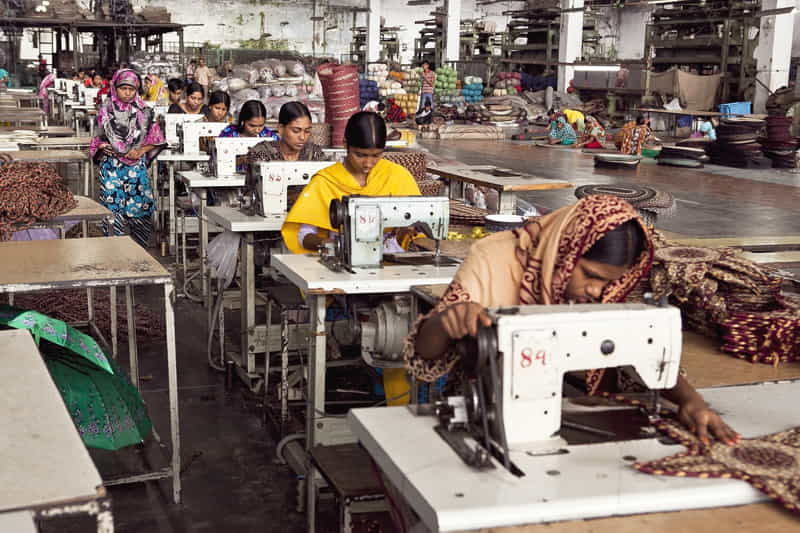
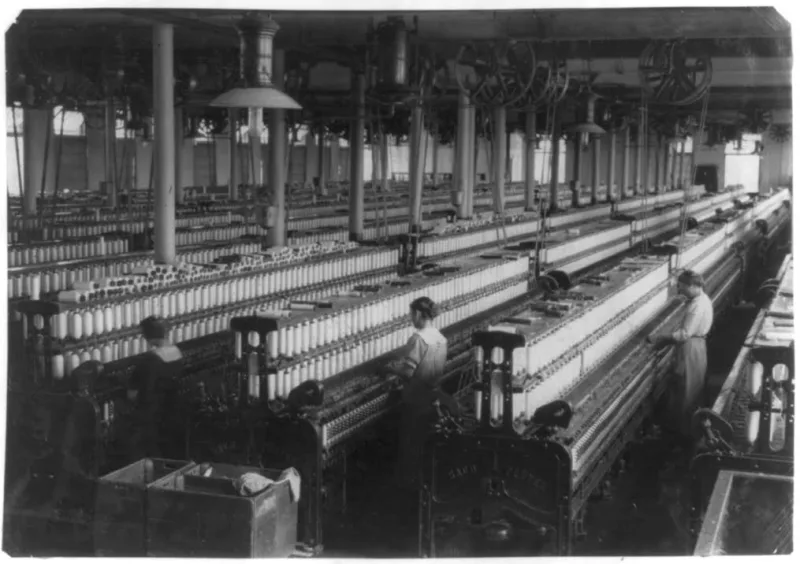
This article explores the numerous ways artificial intelligence (AI) is transforming the fashion and textile industries. From data analysis and personalized marketing to smart manufacturing and sustainability, AI is playing a crucial role in shaping the future of these sectors. The article discusses AI’s applications in areas such as trend forecasting, automated design tools, Generative Adversarial Networks (GANs), quality control, and intelligent textiles. It also highlights the role of AI in promoting sustainable practices, such as circular fashion models, eco-friendly materials, and waste reduction. The article concludes by addressing the challenges and opportunities presented by AI’s integration into the fashion and textile industries, emphasizing the potential for innovation, efficiency, and sustainability.
Although most orders for garments are placed by buyers on FOB basis, with buyers to pay for freight at the shipping destination, it is still necessary for the shipper or the agent to know how to calculate sea freight and air freight as buyers always need to know how much freight the merchandise cost per dozen. If you are required to sell on CIF basis, (with the shipper to prepay for freight at the shipping port) you will need to calculate the freight accurately for your own costing
Resolves a size and colour trim matrix into the number of distinct trim variants actually purchased, contrasts a rule-based BOM against flat per-SKU bills for rows held and edits per supplier change, and sizes the order halted when one single variant runs short.
Traces cost from fibre price through spinning, fabric formation, dyeing and cutting to an ex-factory garment cost, compounding the yield loss at every stage. Reports the fibre a garment really draws, the waste multiplier that produces it, the split between fibre and conversion, and how far the quotation moves when fibre prices move.
Works back from a towel’s finished size and nameplate weight to the yarn that has to be bought for it. Terry shrinks hard in finishing, so areal weight rises without yarn being added and a quote built on the finished figure is short from the start. Reports loom-state weight, yarn per towel and per dozen, the cost of both, and how many kilograms of yarn are bought for each kilogram of towel that is sold.
Runs a recycled and virgin blend through separate process losses, compares the content claimed on input with the content the output actually carries, and solves the recycled input a target content requires after both losses.
Sizes yarn purchase batches: holding cost per kg including moisture loss, economic order quantity, orders per year, annual ordering and holding costs, total inventory cost and whether a bulk discount threshold beats the EOQ.
Calculator
Scroll to Top
Contribute
Every record in these registers was sent in by somebody. Submissions are reviewed before they are published.