Home » Articles

Textile engineering articles

Page 61 of 84

army clothing

Finishing Technical Textiles

While using normal fibers to produce technical textiles it is imperative that high tech functional finishes are imparted to them to make them functionally superior and relevant to the end use application such as anti-bacterial, anti-static, UV protective, thermal, or biodegradable functions – are playing an increasingly important role. Since technical textiles are generally not fashion oriented, performance requirements and technical specifications determine the success of a product.Therefore fi

Read more »

Article

cargo container

Sea and Air Freight

Although most orders for garments are placed by buyers on FOB basis, with buyers to pay for freight at the shipping destination, it is still necessary for the shipper or the agent to know how to calculate sea freight and air freight as buyers always need to know how much freight the merchandise cost per dozen. If you are required to sell on CIF basis, (with the shipper to prepay for freight at the shipping port) you will need to calculate the freight accurately for your own costing

Read more »

Article

measurement items

Costing of Men’s Shirts

In order to achieve perfect garment costing, one must know about all the activities including purchase of fabrics, sewing, packing, transport, overheads, etc and also about their costs, procedures, advantages and risk factor. There are two types of garments, namely woven and knitted garments. Shirt, trouser, sarees, bedspreads, blankets, towels and made-ups are woven. T-shirts, sweaters, undergarments, pyjamas, and socks are knit.

Read more »

Article

alpaca

Alpaca Fiber and its Properties

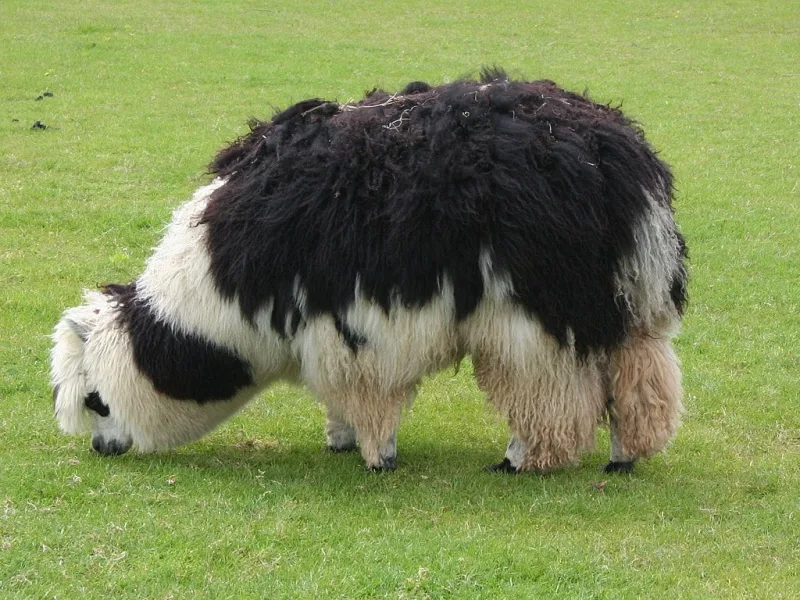
Alpaca are woolly mammals related to camels and llamas. This herding animalslive in the western South Americain grasslands and scrub at altitudes from 12,800to 15,000 feet. Young alpaca are called crias.Alpacas have a lifespan of about 15 – 20+ years. Some alpacas make a humming sound; whining, grumbling, clucking, and other assorted sounds are used by alpacas to communicate. Spitting is used by alpacas, probably as a sign of dominance, fear, or warning.

Read more »

Article

weaving machine

Parts of Weaving Loom

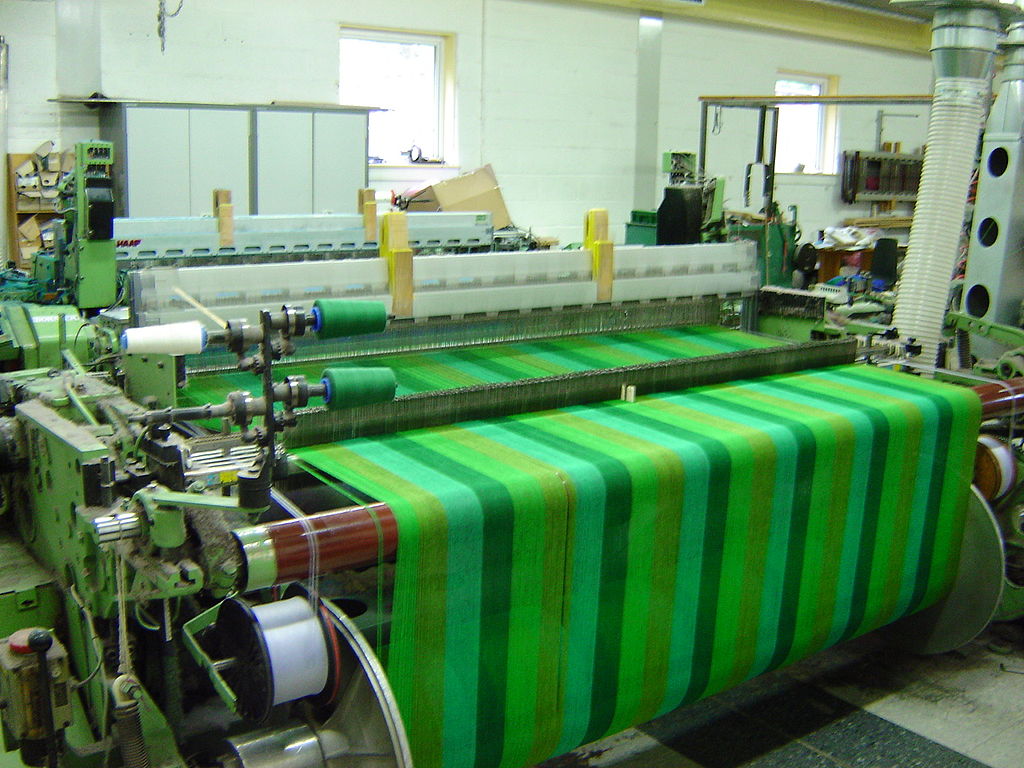
Weaving looms can range from quite simple to very complex. Looms have been used to produce cloth for thousands of years, and while technology has improved the loom, the basic strategies and practices remain much the same. Understanding the parts of the loom can help you learn to weave or simply learn a bit more about how weaving works.

Read more »

Article

Warping Systems and Selvedges and it’s types

The arranging of yarn threads in long parallel lengths of equal tension, onto a beam in preparation for weaving.During the warping process cones of yarn are placed onto a rack called a creel. From this creel yarn passes through tension and spacing devices and through a leasing reed which separates the yarn threads and keeps them in the correct order before being wound onto a warping balloon.Selvedge means the edge of a fabric that is woven so that it will not ravel or fray.

Read more »

Article

Scroll to Top