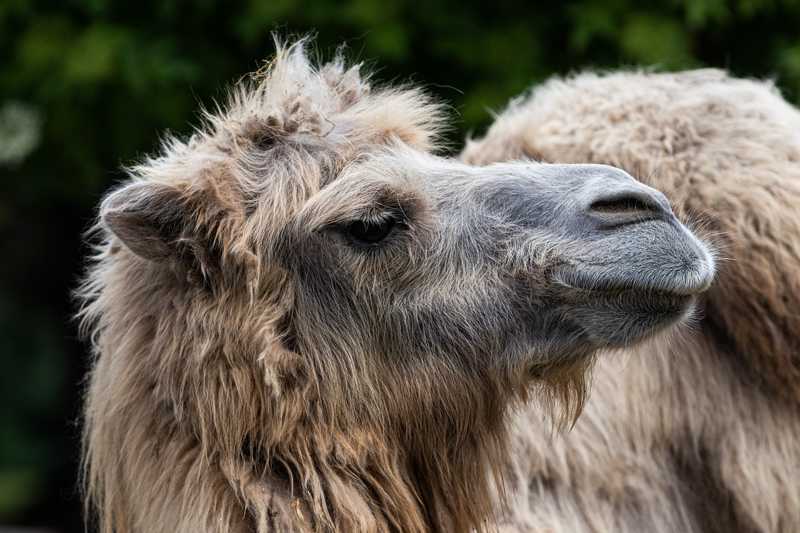
Alpaca, llama, cashmere, mohair, and camel hair fibers are luxurious natural fibers valued for their softness, warmth, and versatility in textiles. Used in high-end apparel and home textiles, these fibers offer unique properties while posing environmental and ethical considerations, making them key players in sustainable luxury textile manufacturing.
Finishing encompasses chemical or mechanical treatments performed on fibre, yarn, or fabric to improve appearance, texture, or performance. Some of the fabric finishing methods are-Brushing, Shearing, Pressing, Raising, Beetling, Calendaring, Folding, etc. Finishing can be carried out in 3 stages i.e. Pre-treatment, coloration and Finishing.
Fabrics are often printed with colour and patterns using a variety of techniques and machine types. It is the process of transferring colour, pattern, motif or decoration of one or more colours in any one of a variety of methods or techniques to fabric. It involves the surface application of colour in a predetermined pattern, design or motif by manual or mechanical directed discharge, direct or resist methods.
The Dyes are classified based on the fibers to which they can be applied and the chemical nature of each dye. Dyes are complex unsaturated aromatic compounds fulfilling characteristics like intense color, solubility, Substantiveness, and fastness. Dyes can be defined as the different type of coloring particles which differ in each type from the other in chemical composition and are used for coloring fabrics in different colors and shades which are completely soluble in liquid media.
Dyeing can be performed using continuous or batch processes. Yarn dyeing is used to create interesting checks, stripes, and plaids with different-colored yarns in the weaving process. Substances which cause these changes are called dyestuffs.
Dyeing operations are used at various stages of production to add color and intricacy to textiles and increase product value. It chemically changes a substance so that the reflecting light appears colored.
Preparation, also known as pre-treatment, consists of a series of various treatment and rinsing steps critical to obtaining good results in subsequent textile finishing processes. Fabric preparation, often hidden behind the scenes of the textile industry, is a vital component in the creation of high-quality fabrics. It sets the stage for successful dyeing, printing, and finishing processes, ultimately determining the fabric’s appearance, durability, and comfort. As the textile industry evolves to meet environmental and sustainability challenges, fabric preparation plays a crucial role in reducing water and energy consumption, minimizing chemical usage, and adopting eco-friendly practices. By understanding and optimizing the fabric pre-treatment process, the textile industry can produce textiles that not only meet consumer demands but also contribute to a more sustainable and responsible future.