Home » Articles

Textile engineering articles

Page 75 of 84

garment sampling

Garment Sampling

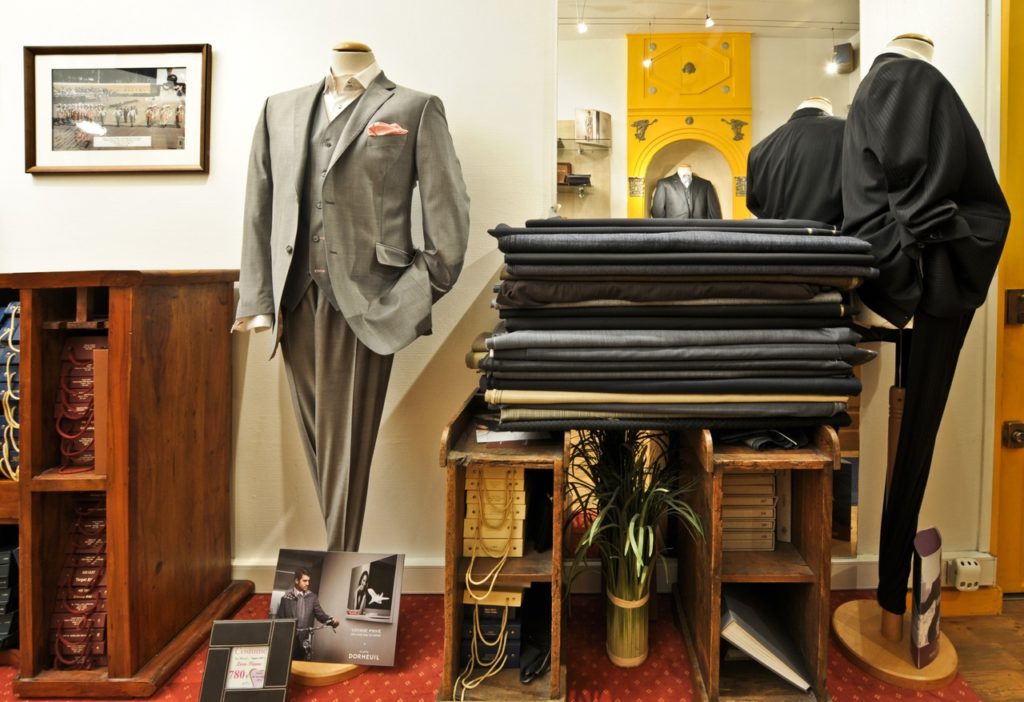
Garment samples are inevitably important and are developed tested before starting the bulk production. It means making a sample of the garment /fabric which requires to be sold. Sampling is one of the main process in Garment Industry and it has a vital role in attracting buyers. Because the buyers generally places the order after they are satisfied with the quality of the samples.

Read more »

Article

garment merchandising

Garment Merchandising

Merchandising is the department which mediates marketing and production departments. It is Space optimization through effective Brand/Package allocation, focusing on gaining first position, providing greatest exposure of brands to all consumers, creating a consistent, orderly and clean appearance for the products, maximizing the use of POS to increase consumer awareness of brand and promotions.

Read more »

Article

garment costing

Garment Costing

Costing is a very complex procedure, with set patterns and guidelines followed by the industry, and it is difficult to find out costs for every process there are some inbuilt costs while costing.Garment costing includes all the activities like purchase of raw materials and accessories, knitting fabrics, processing and finishing of fabrics, sewing, and packing of garments, transport, and conveyance, shipping, overheads, banking charges and commissions, etc.

Read more »

Article

Textile Product Costing

Costing is the system of computing cost of production or of running a business, by allocating expenditure to various stages of production or to different operations of a firm. Costing is the deciding factor of the prices and the important thing to be followed in all important stages like purchase, production, marketing, sales, etc. The cost calculation in the textile industry is still almost exclusively based on the production cost data.

Read more »

Article

old-knitting-machine

Knitting: Knitted Fabrics

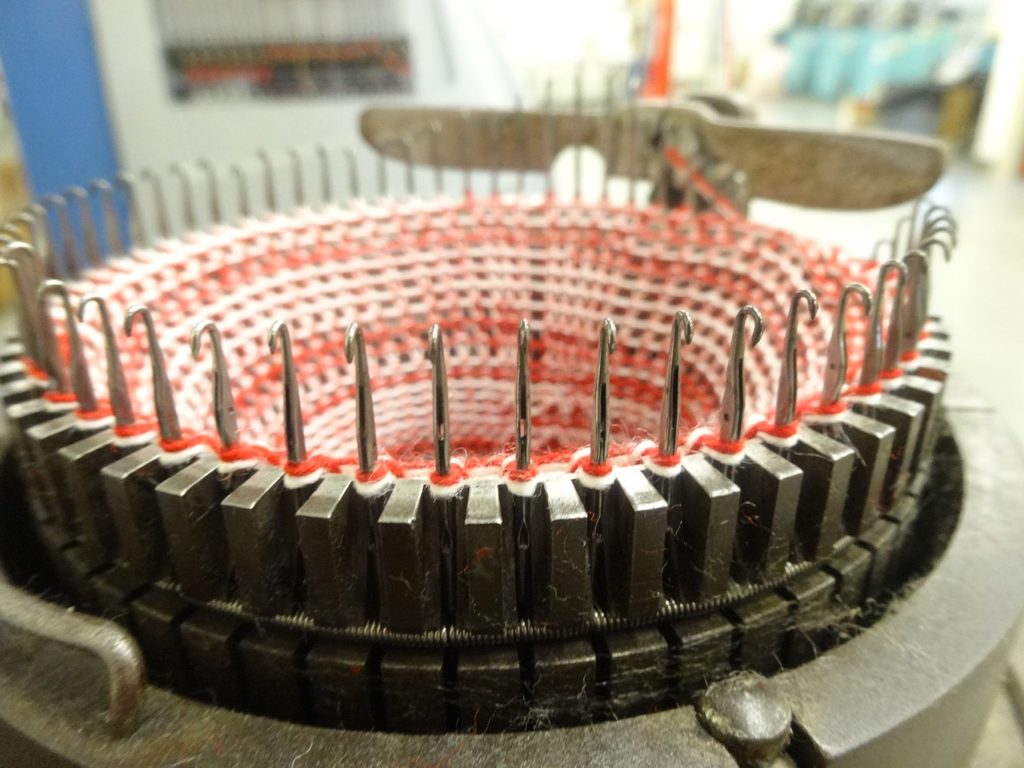
Knitting is a method by which thread or yarn may be turned into cloth. Knitting consists of consecutive loops, called stitches. As each row progresses, a new loop is pulled through an existing loop. The active stitches are held on a needle until another loop can be passed through them. Basically there are two types of knitting which are weft knitting, versus wrap knitting and another type is flat knitting versus circular knitting.

Read more »

Article

weaving

Weft and warp control of Weaving

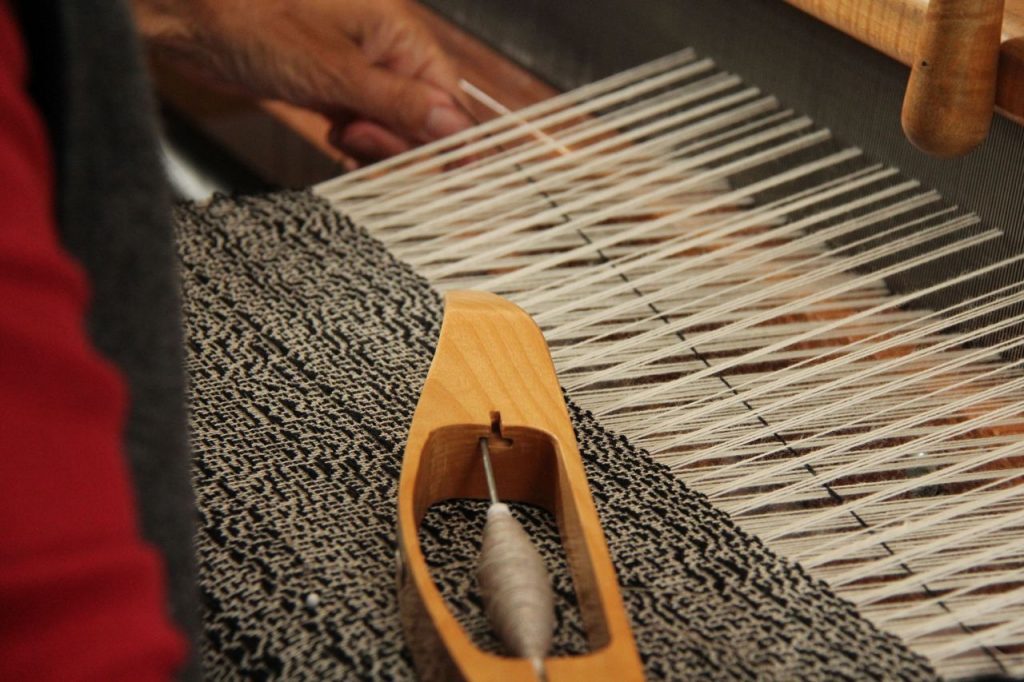
The weft stop motion controls the correct insertion of the weft into the shed. Warp and weft stop motions will stop the loom most immediately when a warp end or a pick breaks off. It avoids the faults disturbing the fabric surface. It helps not degrading the fabric quality. The feeders are supplied together with various outfits and adjustment possibilities, which vary according to the yarn type and count and to the insertion system used.

Read more »

Article

weft feeders

Weft feeders in Weaving

Weft feeders are feeding devices, which are also called weft storage feeders or weft accumulators, play an important role in the weaving machines where the weft is unwound overhead from the cone and is subjected to abrupt accelerations due to the drawing-off tension exerted by the insertion element. The balloon which is formed at each insertion can cause coil sliding and snarls, owing to the difficulty of braking adequately the yarn and to the high unwinding speed of the yarn from the cone.

Read more »

Article

Scroll to Top