Home » Articles

Textile engineering articles

Page 79 of 84

zigzag wavy twills

Zigzag or Wavy Twills: Structure, Characteristics, and Applications

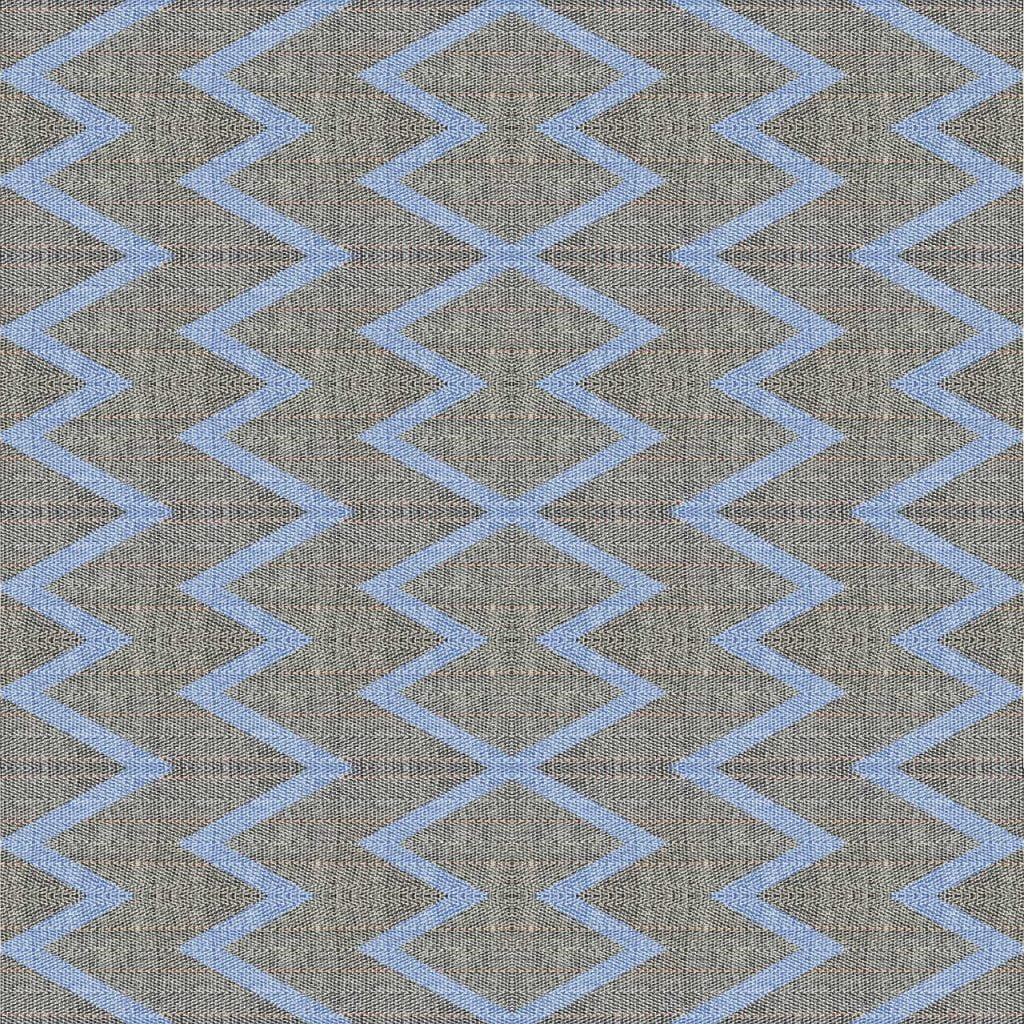
Zigzag or wavy twills are specialized variations of the twill weave, distinguished by their distinctive, visually striking patterns that alternate diagonal directions to create zigzag or wavy effects. This article explores the construction, characteristics, advantages, and applications of zigzag and wavy twills, highlighting their aesthetic appeal and functional properties. By examining their structural design, production considerations, and practical uses, the article provides a comprehensive resource for textile professionals and designers aiming to leverage these unique weaves in fashion, home textiles, and technical applications.

Read more »

Article

Garment_inspection

Garment Inspection

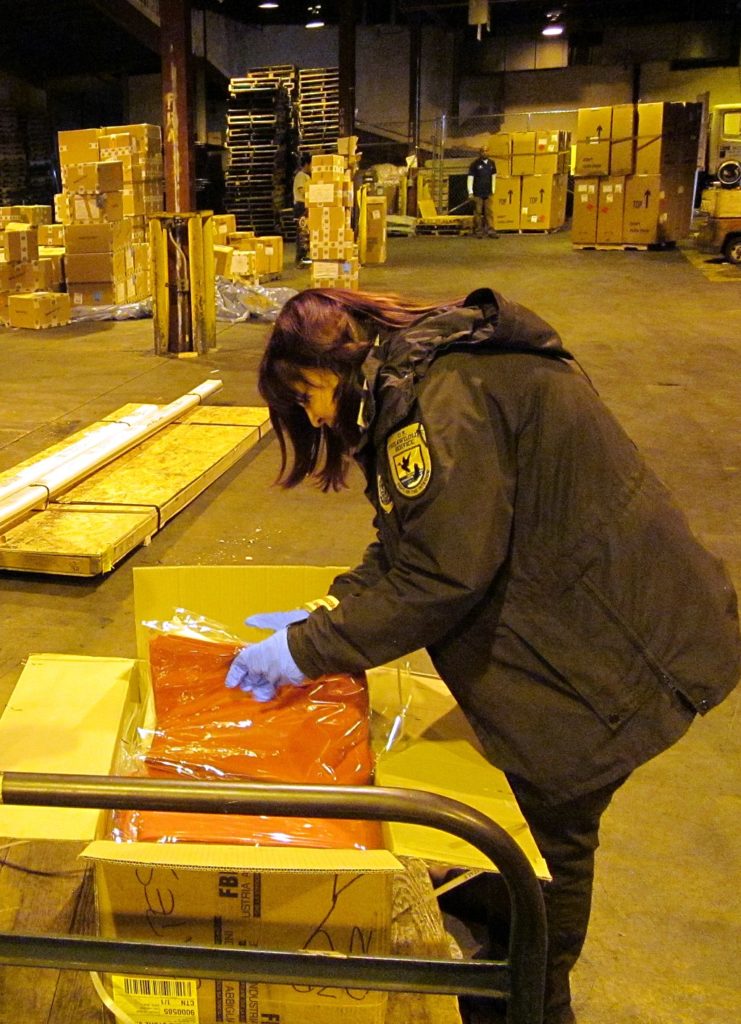
It becomes necessary to maintain the quality right from the production stage in order to deliver a satisfactory final product to the consumer with the right quality which in turn results in getting continuous orders from the same customers. The garment manufacturers inspect their products by designated responsible inspectors then only the right quality product will reach the consumer. Under quality assurance process, the bulk production is inspected before delivered to the customers.

Read more »

Article

Packaging Tape

Packaging tape will stick to most surfaces merely by applying pressure. The tape is made of a coated adhesive, which is backed by a non-sticky materials like paper, foil, fabric, or movie. There are several different grades & types of packaging tape products to suit varying packing demands. Polyethylene plastic tapes or poly tapes, most commonly used for packaging and for sealing light weight carton boxes subject to normal shipping and transport hazards.

Read more »

Article

Twill Weaves

Twill is a type of textile weave with a pattern of diagonal parallel ribs. It can be identified by looking at the presence of pronounced diagonal lines that run along the width of the fabric. It has higher resistance to tearing than a plain weave because it has fewer yarn interlacing per area, therefore a greater degree of internal mobility. In addition, two yarns will bear the load when the fabric is torn.

Read more »

Article

textile testing lab

Apparel Testing

Testing is a valuable aid for textile production, distribution, and consumption. During textiles testing the variation of a fibre or fabric i.e. length, colour, fineness, threads per inch, cover factor, is detected properly. Continuous test of the textiles results a enhanced and efficient output of the production. By Apparel Testing we can evaluate and ensure the quality of the garments to be used by the end users.

Read more »

Article

textile-labelling

Labels used on Textile Articles

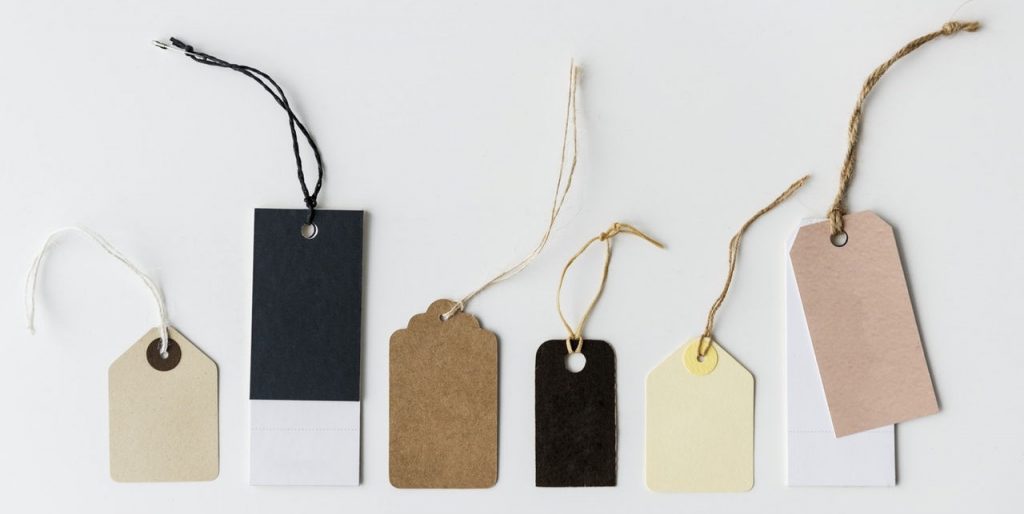
Symbols are written on labels, attached to textiles to indicate how a particular item should best be cleaned. Textile and apparel labels can help you consider alternative choices and make better buying decisions if you take time to read them. Permanent Care Labels (PCL) use symbols to explain how to care for wearing apparel and home sewing fabrics, so consumers need to learn the basic symbols.

Read more »

Article

weaving patterns

Plain Weaves – weaving pattern

Plain weave is the most common and tightest of basic weave structures in which the filling threads pass over and under successive warp threads and repeat the same pattern with alternate threads in the following row, producing a chequered surface. They do not ravel easily but tend to wrinkle and have less absorbency than other weaves. The plain weave is variously known as Calico or Tabby weave. It is the simplest of all weaves having a repeat size of 2.

Read more »

Article

Drafting Plans in weaving

Drafting Plans in weaving

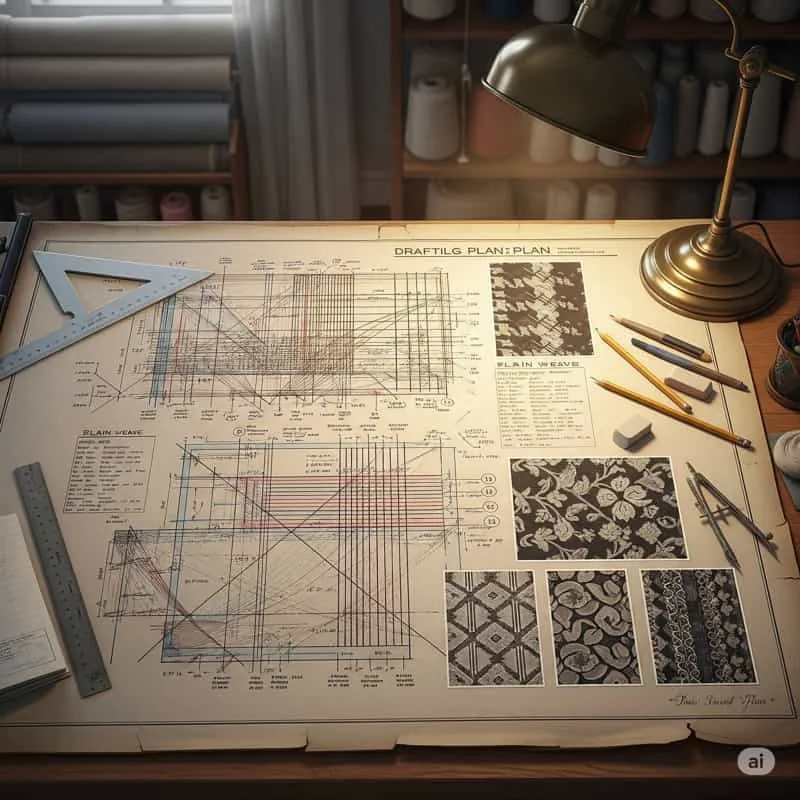
A draft indicates the number of heald shafts used to produce a given design and the order is which warp ends are threaded through the heald eyes of the heald shaft. The principle of drafting (i.e. putting of ends on different healed shafts) is that ends which work in different order require separate heald shafts. To keep matters simple, we can also say that the ends that work alike are put on the same heald shaft.

Read more »

Article

weaving loom motions

Fabric Weaving Basics

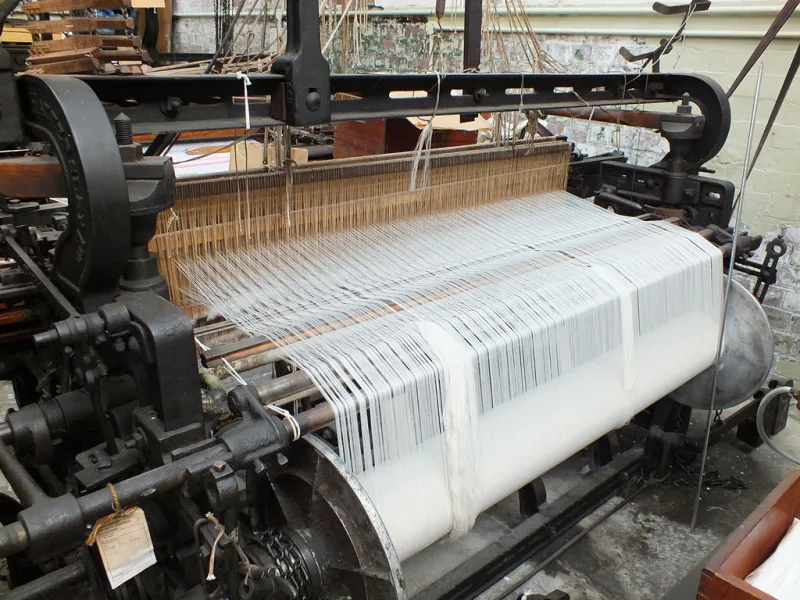
The process of producing a fabric by interlacing warp and weft threads is known as weaving. The machine used for weaving is known as weaving machine or loom. Weaving is an art that has been practiced for thousands of years. The earliest application of weaving dates back to the Egyptian civilization. In order to interlace wrap and weft threads to produce a fabric, the basic mechanisms necessary for any type of looms are Primary, Secondary and Auxiliary mechanisms.

Read more »

Article

Scroll to Top