
Apparel
Fusing Process and its Requirement in Garment Making
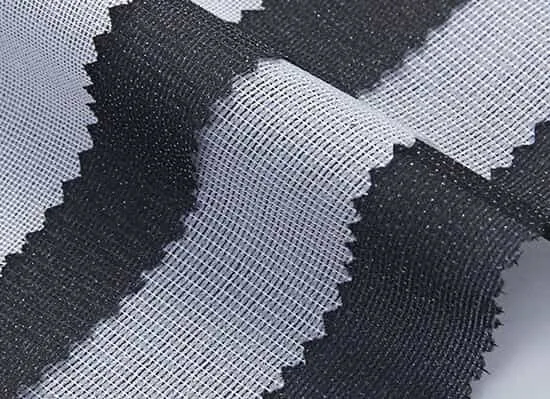
Regardless of which fusible and machine are used, fusing is controlled by four processing components such as temperature, time, pressure, and cooling.
Article
Interface of design and manufacturing for market-ready products. This section explains practical decision criteria, typical test methods, and failure modes that matter in real production. Readers get checklists, calculation steps, and case examples connecting specifications to cost, reliability, and compliance. Links map core concepts to upstream inputs and downstream processes so choices remain consistent across sourcing, manufacturing, and end-use performance. Each article includes definitions, diagrams where helpful, and plain-language notes to help newcomers ramp quickly while giving experienced professionals the depth needed to troubleshoot and optimize. Standards references are cited with context, and whenever trade-offs exist, we make them explicit so you can defend decisions. The coverage also includes metrics, data tables, and example calculations so results are reproducible. Where regulations apply, we highlight jurisdiction, scope, and verification pathways. Tools and templates are provided to speed up daily work without sacrificing rigor.
Apparel
Regardless of which fusible and machine are used, fusing is controlled by four processing components such as temperature, time, pressure, and cooling.
Article

Pre-Production
This article offers an extensive exploration of preparing for layout in garment making. Covering everything from pre-production planning and digital integration to sustainable practices and quality control, it provides actionable insights for optimizing fabric usage, reducing waste, and enhancing production efficiency.
Our in-depth analysis of garment layout preparation covers the importance of pre-production planning, the role of digital tools in marker making, and the integration of sustainable practices. Real-world case studies and future trends highlight how technology and innovative strategies drive efficiency and quality in modern garment production. Embracing these practices positions the industry for a future defined by improved sustainability, cost efficiency, and creative excellence.
Article

Pre-Production
The procedure of cutting layout of fabric is a vital aspect of textile and garment manufacturing that directly impacts cost efficiency, sustainability, and product quality. By understanding the procedures, considerations, and best practices involved, manufacturers can optimize their cutting layouts, reduce waste, and contribute to both economic and environmental sustainability in the fashion industry. Efficient cutting layouts not only save costs but also align with the growing demand for sustainable and responsible production practices.
Article

Pre-Production
After purchasing fabric, pattern, notions, and preparing the fabric (on grain and re-shrunk / washed), you are ready to do the pattern layout. A layout is a plan for the placement of pattern pieces on the fabric.There are various categories of layout marking like grainlines, place of fold brackets, notches etc. There are also various methods of cutting marking such as single size, multi-size, and cutting in a particular body size.
Article
Pre-Production
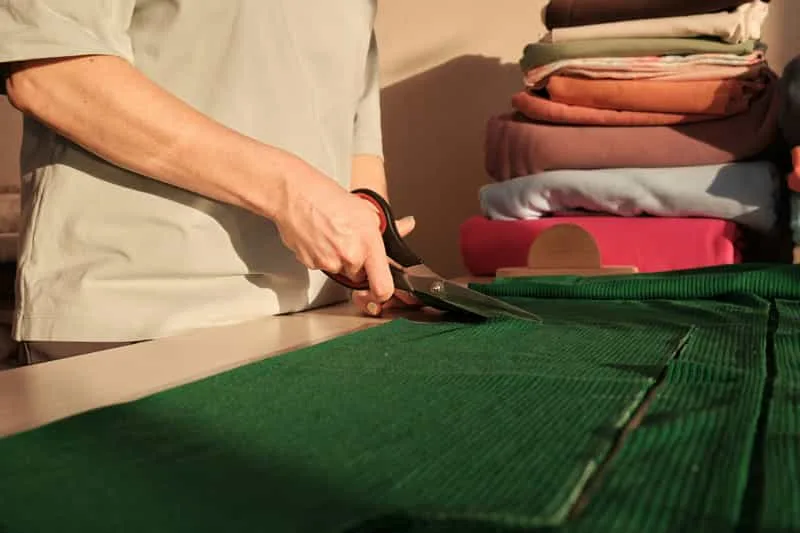
There are 2 techniques of cutting fabric like portable cutting, stationary cutting.With the advancement in technology there have been improvements in fabric techniques also like Automated, Numerically Controlled cutting systems, which has Automatic blade cutting, Laser cutting, Water jet cutting, Die cutting etc.
Article

Merchandizing
Men’s clothing includes garments such as suits, topcoats, cover coats, jackets, and slacks. Boy’s clothing includes suits, topcoats, overcoats, jackets, and raincoats. With the emergence of fashion as selling force, there are more divisions of men’s and boy’s section in department and specialty stores.
Article

Merchandizing
Differences in weight automatically limit some fabrics to particular seasons and use. In summer thin fabrics, such as voile, eyelet, batiste, sheer, creeps, and chiffons, in winter, for heavier materials such as wood tweeds, homespuns, velvet, corduroy, and fur like fabric.
Article
Merchandizing
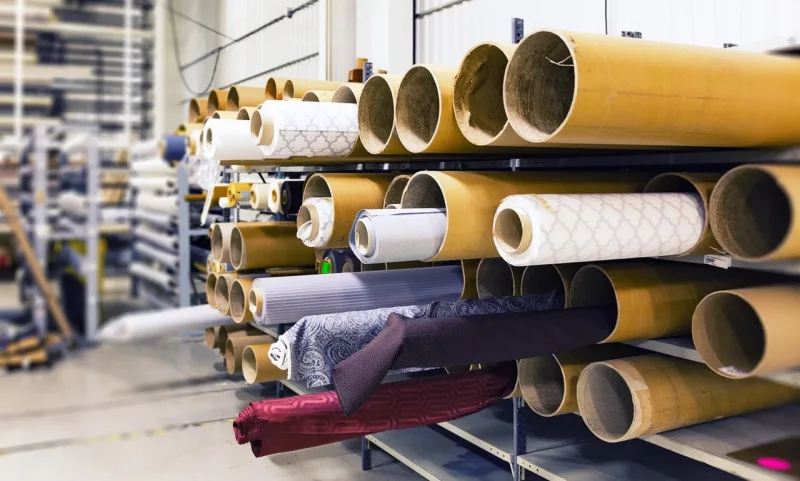
The vast variety of fabrics available today makes their identification important.We know that variety is created by using different fibers in combination. Knowledge of the fiber content of a fabric is, therefore, necessary to know its suitability, use, and care. Labels and salespersons are not always able to guide us.Fabric samples, Fabric specification, lead times are some of the ways to identify the fabric.
Article

Production
This explains the various features of men’s underwear or briefs like fabric, waistband, the elastic, the fly, inseam, gusset, back seam, leg opening, Jock cups etc.
Article
Every record in these registers was sent in by somebody. Submissions are reviewed before they are published.
1,496 machines in the register.Tell us about a missing one 306 event series in the register.Submit a trade fair or conference 3,038 standards tracked in the register.Get the changes by email each week