

Fabric
Sizing operation for textiles
Warp sizing is the process of giving a protective coating on the warp yarn to minimize yarn breakages during weaving operation.
Article
From warp preparation to loom tuning. Explains sheds, beat-up, take-up, and common faults. Includes reed and dent calculations, pick density planning, and productivity improvement with data. This section explains practical decision criteria, typical test methods, and failure modes that matter in real production. Readers get checklists, calculation steps, and case examples connecting specifications to cost, reliability, and compliance. Links map core concepts to upstream inputs and downstream processes so choices remain consistent across sourcing, manufacturing, and end-use performance. Each article includes definitions, diagrams where helpful, and plain-language notes to help newcomers ramp quickly while giving experienced professionals the depth needed to troubleshoot and optimize. Standards references are cited with context, and whenever trade-offs exist, we make them explicit so you can defend decisions.
Fabric
Warp sizing is the process of giving a protective coating on the warp yarn to minimize yarn breakages during weaving operation.
Article

Formulas/Calculations
Weaving formulas for loom production, reed count, fabric GSM, cover factor, crimp and yarn requirement, each worked through one example cotton fabric.
Article

Fabric
Major weaving patterns such as plain, twill, satin, Dobby, Jacquard, Pique, Pile, its characteristics, usages and techniques.
Article
Fabric
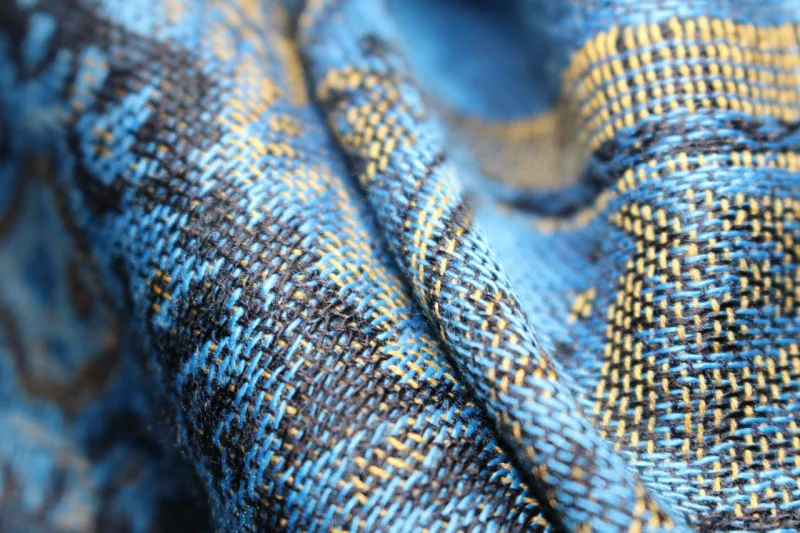
Weaving is the process of making cloth with two components, a warp, and a weft, and can be done by very simple techniques on a complicated loom.
Article
Fabric
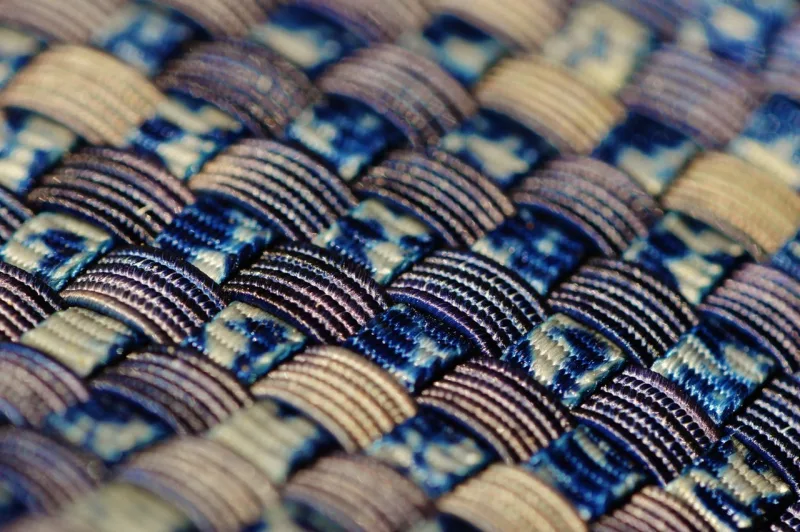
Fabrics can be constructed in a variety of ways, ranging from the matting together of fibrous materials to the intricate interlacing of complex yarn systems.
Article
Fabric
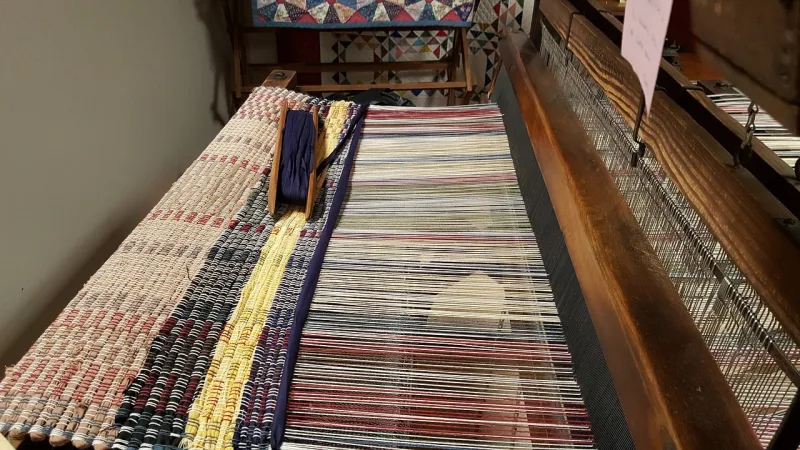
In weaving, no matter what type of weaving is being done, four major operations are performed in sequence and are continuously repeated, they are Shedding, Picking, Beating Up, Taking Up and Letting Off.
Article

Fabric
Diagonal weave are basically type of twill weaves confined to bold twills running at angles greater than 45°, although often regular 45° twills are spoken of as diagonals; regular diagonals are generally formed by combining two regular 45° twills in their picks or ends.Diamond weaves are type of twill weave which forms the shape of a perfect diamond.
Article
Fabric
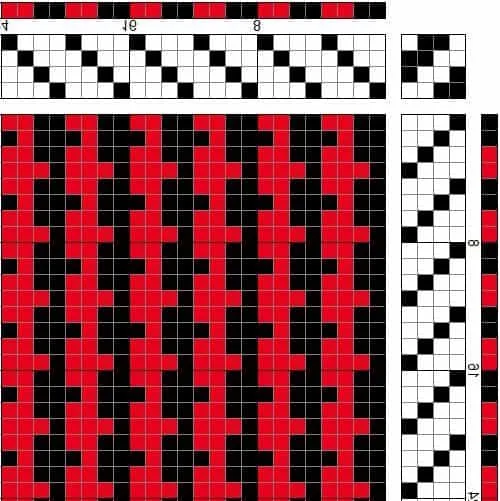
Skip twills are a type of broken twill effects formed by a skip drawing-in draft and a regular twill weave as a chain draft. The weaves that form a wave effects across the cloth known as pointed twills. These effects are also frequently spoken of as herring banes, or herring-bones stripes, because the radiating twill lines suggest the radiating bones of a fish’s backbone.
Article
Fabric
The fancy twill is formed by placing small spots between the main lines of twill. The first end of the weave should be a continuation of the last end and the first pick should be a continuation of the last pick, so that the weave will continue perfectly when repeated in either direction.
Article

Fabric
Discover waving combination twills, dynamic zigzag weaves blending durability and style. Learn techniques and sustainable applications for eco-friendly textiles.
Article
Every record in these registers was sent in by somebody. Submissions are reviewed before they are published.
1,496 machines in the register.Tell us about a missing one 306 event series in the register.Submit a trade fair or conference 3,038 standards tracked in the register.Get the changes by email each week