Manmade Fiber

Polyester, nylon, acrylic, elastane, and regenerated cellulosics. Polymer chemistry, spinning methods, modifications, and recycling routes. This section explains practical decision criteria, typical test methods, and failure modes that matter in real production. Readers get checklists, calculation steps, and case examples connecting specifications to cost, reliability, and compliance. Links map core concepts to upstream inputs and downstream processes so choices remain consistent across sourcing, manufacturing, and end-use performance. Each article includes definitions, diagrams where helpful, and plain-language notes to help newcomers ramp quickly while giving experienced professionals the depth needed to troubleshoot and optimize. Standards references are cited with context, and whenever trade-offs exist, we make them explicit so you can defend decisions.

garments with temperature control

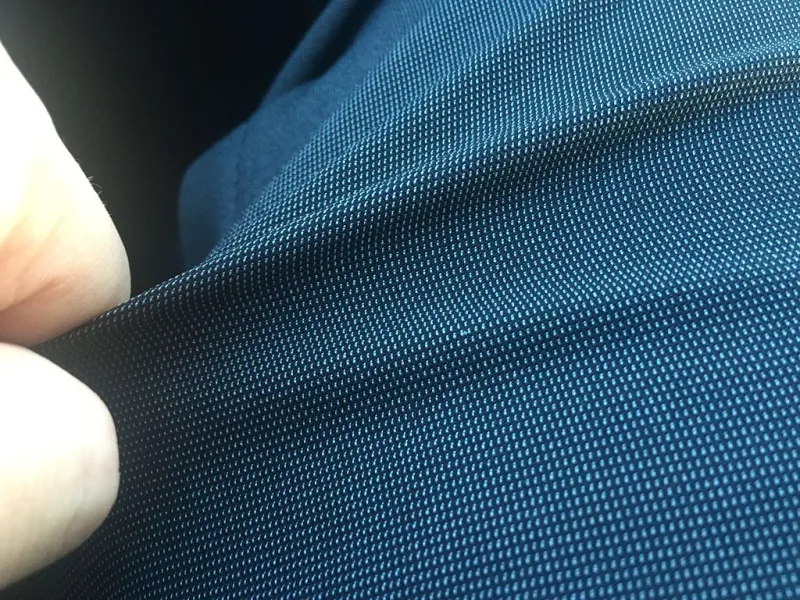
Micro-encapsulation/Odor Control and Stain resistant textiles

Microencapsulation is one of the latest technologies used to impart an array of unique characteristics to a garment.Particles filled with active ingredients are applied to the fabric or garments for long-lasting effects.Odor control is a hot topic in the apparel and hosiery arenas. Odor can be controlled by applying an antimicrobial finish, removing the odor molecules as they are formed or covering up the odor with a fragrance.Stain resistant finishes are no longer considered a niche market.

Read more »

Article

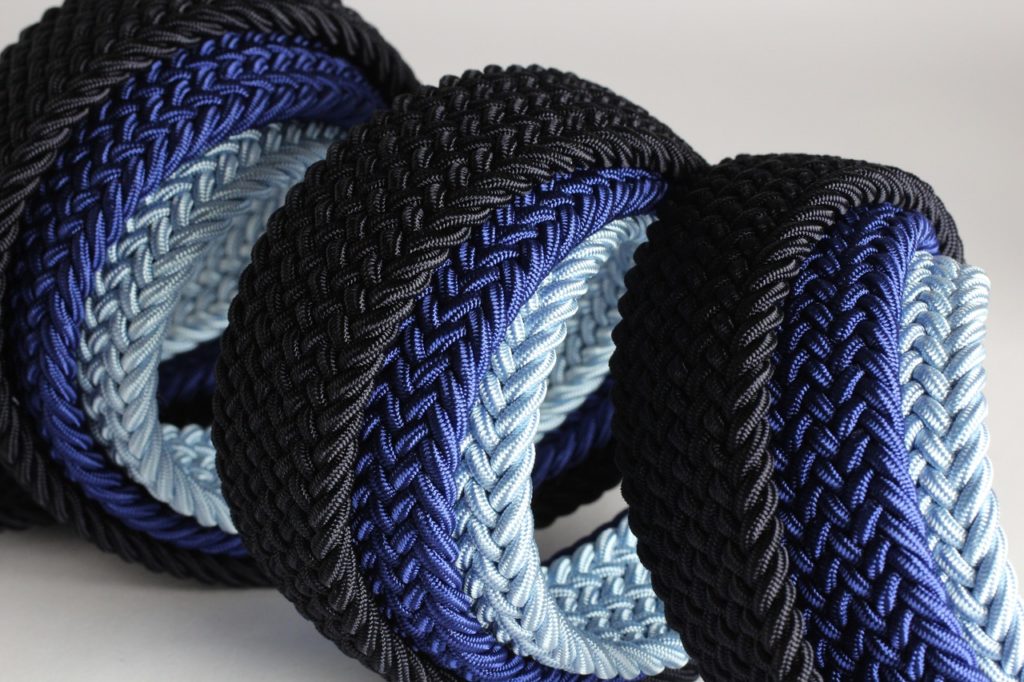
rope-fashion-blue-tire-belt-colors-1156673-pxhere.com

Timeline of Manmade Fibers

A useful filament was not produced until the last part of the 19th century when Swann and de Chardonnet extruded a solution of cellulose nitrate (collodion) through small holes (spinnerets). These pioneer manmade fibers were replaced by rayon fibers which were spun from an alkaline cellulose xanthate solution (viscose), which were in turn supplemented by cellulose acetate and many synthetic fibers.

Read more »

Article

cotton fiber

Definite Qualities Required for a Textile Fiber: Essential Characteristics and Performance Criteria

Textile fibers, the fundamental building blocks of fabrics, must possess specific qualities to meet the demands of various applications, from apparel to technical textiles. This article explores the essential characteristics required for a fiber to be suitable for textile use, including strength, flexibility, length, fineness, absorbency, and durability. By examining these qualities, their measurement, and their impact on performance, the article provides a comprehensive guide for textile professionals to select and optimize fibers for diverse end-uses.

Read more »

Article

Manmade Mineral Fibres

A variety of inorganic materials are made into fine fibers and used for structural strengthening or insulation; they are known as man-made mineral fibers (MMMF). Types of man-made mineral fiber have names such as mineral wool (which includes rock wool, slag wool, and glass wool), continuous filament, superfine and refractory (or ceramic) man-made mineral fiber. The names of these classes of materials have different origins and are not necessarily mutually exclusive.

Read more »

Article

Scroll to Top