Home » Fiber & Yarns » Page 7

Fiber & Yarns

Bridges raw fibers to yarn engineering, spinning, and quality trade-offs. This section explains practical decision criteria, typical test methods, and failure modes that matter in real production. Readers get checklists, calculation steps, and case examples connecting specifications to cost, reliability, and compliance. Links map core concepts to upstream inputs and downstream processes so choices remain consistent across sourcing, manufacturing, and end-use performance. Each article includes definitions, diagrams where helpful, and plain-language notes to help newcomers ramp quickly while giving experienced professionals the depth needed to troubleshoot and optimize. Standards references are cited with context, and whenever trade-offs exist, we make them explicit so you can defend decisions. The coverage also includes metrics, data tables, and example calculations so results are reproducible. Where regulations apply, we highlight jurisdiction, scope, and verification pathways. Tools and templates are provided to speed up daily work without sacrificing rigor.

Home » Fiber & Yarns » Page 7
ring of ring frames

Ring-Spinning

Arrangement and Schemtics of Ring Spinning

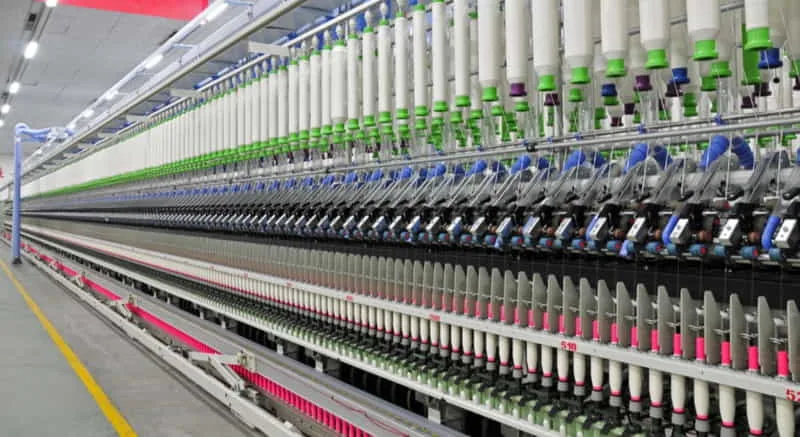
The traveller speed in a ring frame is the main limitation in achieving higher spindle speed because of the frictional resistance of traveller over the ring flange. The design, metallurgy, surface finish and breaking-in of the rings decide the speed at which a ring frame can be run without excessive end breaks. It is important to understand the schematics of the ring travellers in order to achieve maximum productivity from the ring spinning machines.

Read more »

Article

ring spinning machine

Ring-Spinning

Ring Spinning Pros and Cons

The ring spinning system is the oldest spinning system that remains dominant because of the high-quality yarns it produces. Ring spinning has various advantages besides disadvantages.It is the most flexible system from the viewpoints of fibers which can be used and the extent of the yarn counts which can be produced.

Read more »

Article

Types of Yarn Winding

Ring-Spinning

Types of Yarn Winding

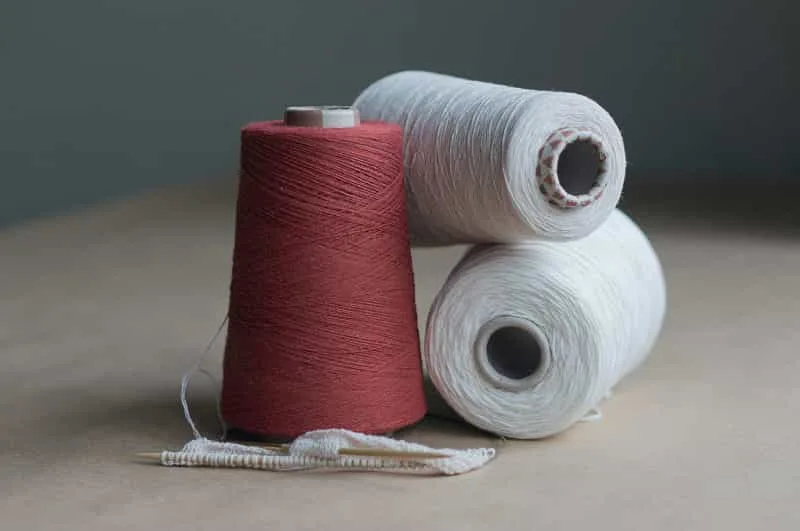
There are two types of winding machines: precision winders and drum winders. Precision winders, used primarily for filament yarn, have a traverse driven by a cam that is synchronized with the spindle and produces packages with a diamond-patterned wind. Drum winders are used principally for spun yarns; the package is driven by frictional contact between the surface of the package and the drum.

Read more »

Article

Ring-Spinning

Yarn Formation Systems

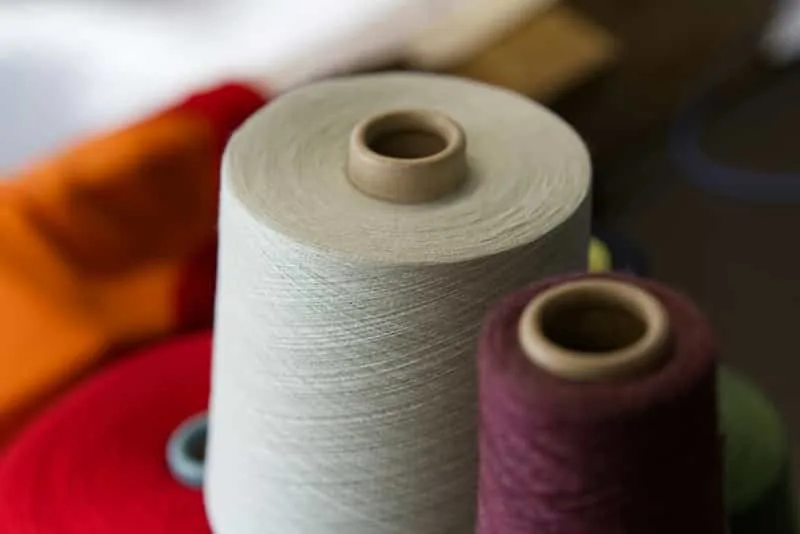
There are various commonly used popular Yarn Formation Systems.Some of them are Cotton woolen or worsted, staple, Filament yarn formation systems. Also some of the common types of yarns like mercerized, dyed, grindle or twisted, yarns are discussed in this page.

Read more »

Article

Scroll to Top