Natural Fiber
Grading of Wool
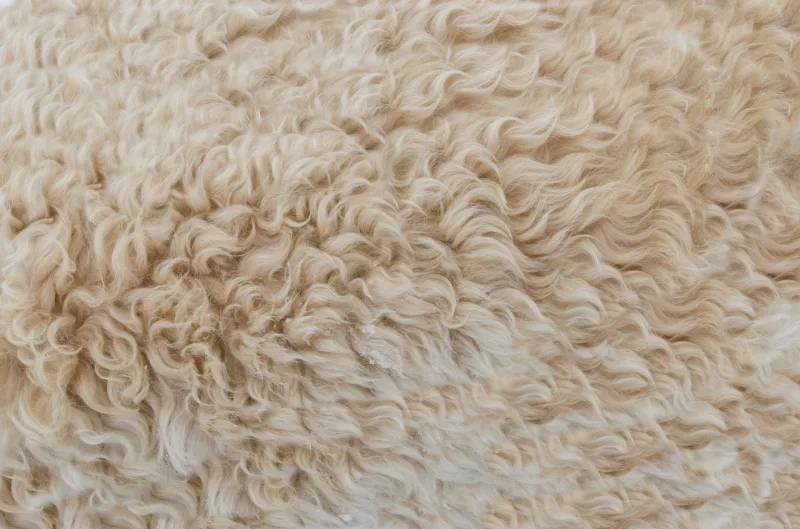
Certain qualities such as fineness, length, color, and appearance determine the end use and value of wool. Fineness largely determines whether the wool is used in a suit, sweater, blanket or in a pair of socks.
Article
Bridges raw fibers to yarn engineering, spinning, and quality trade-offs. This section explains practical decision criteria, typical test methods, and failure modes that matter in real production. Readers get checklists, calculation steps, and case examples connecting specifications to cost, reliability, and compliance. Links map core concepts to upstream inputs and downstream processes so choices remain consistent across sourcing, manufacturing, and end-use performance. Each article includes definitions, diagrams where helpful, and plain-language notes to help newcomers ramp quickly while giving experienced professionals the depth needed to troubleshoot and optimize. Standards references are cited with context, and whenever trade-offs exist, we make them explicit so you can defend decisions. The coverage also includes metrics, data tables, and example calculations so results are reproducible. Where regulations apply, we highlight jurisdiction, scope, and verification pathways. Tools and templates are provided to speed up daily work without sacrificing rigor.
Natural Fiber
Certain qualities such as fineness, length, color, and appearance determine the end use and value of wool. Fineness largely determines whether the wool is used in a suit, sweater, blanket or in a pair of socks.
Article
Air-Jet Spinning
In order to obtain the necessary information about energy consumption of a specific spinning mill, one which is able to spin every kind of staple fiber (i.e. cotton, linen, polyester, viscose) in a wide count range using both ring and open-end systems to be chosen.
Article
Air-Jet Spinning
The cost of yarn consists of several factors such as raw material energy or power, labor, capital etc. The cost of yarn excluding raw material is termed manufacturing cost. The share of the factors in manufacturing cost changes according to the yarn properties, machine operational properties and economical situation of the spinning mill.
Article
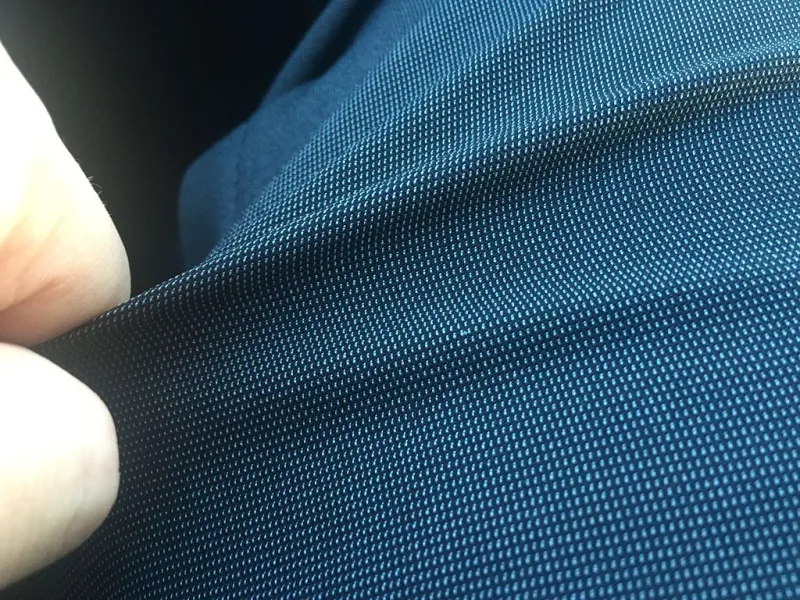
Manmade Fiber
Polyester is a synthetic fibre spun from PET plastic: whether it breathes or shrinks, how it compares with cotton, how to wash it, and sourced fibre data.
Article
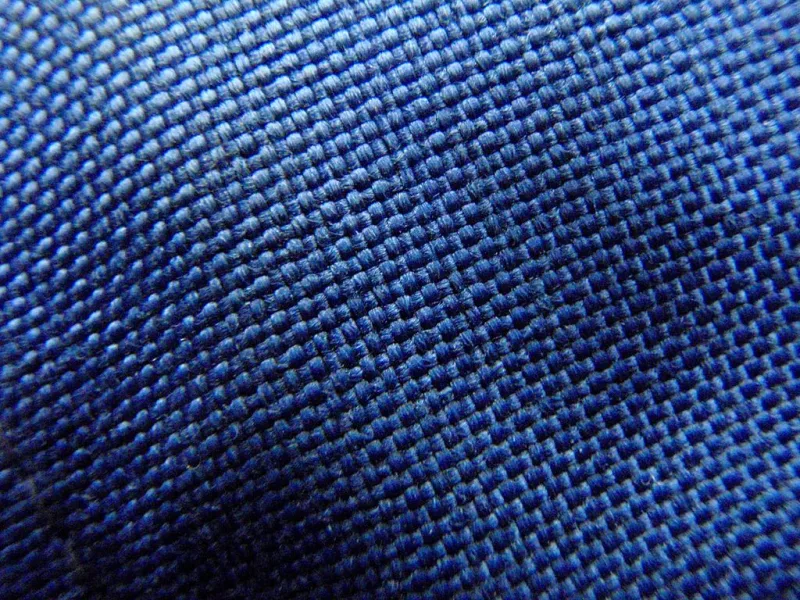
Manmade Fiber
Nylon does not absorb water – this is great for some uses, but also means that nylon fabric and movement combine to create static electricity.
Article

Natural Fiber
Wool is the protein fibre of the sheep fleece: why it is warm, felts and itches, its scales under a microscope, Merino grades, care and sourced fibre data.
Article
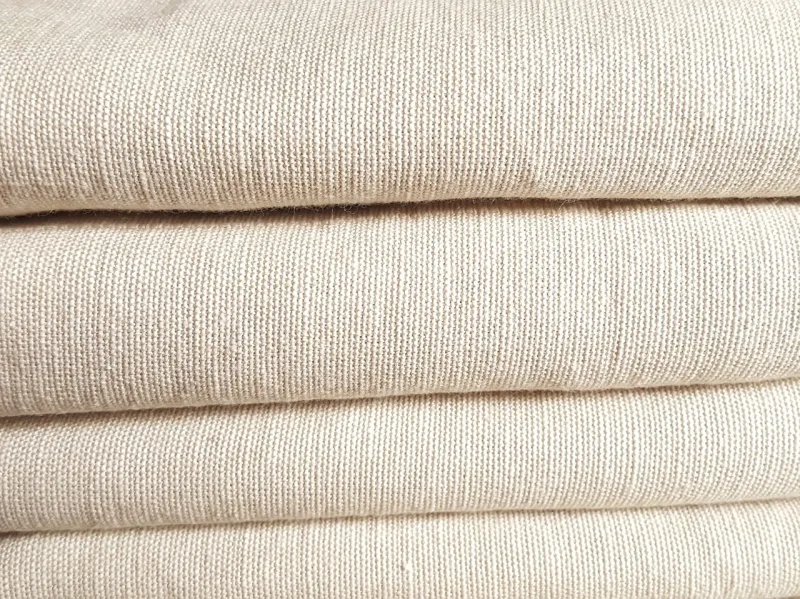
Natural Fiber
Linen is cloth woven from flax fibre: whether it breathes or shrinks, linen vs cotton, how to wash it, how flax is retted and spun, and sourced fibre data.
Article

Assorted
Detailed analysis of spinning mill setup, cost of production, investments, return on investment, profit calculation, ideal production output calculation etc.
Article
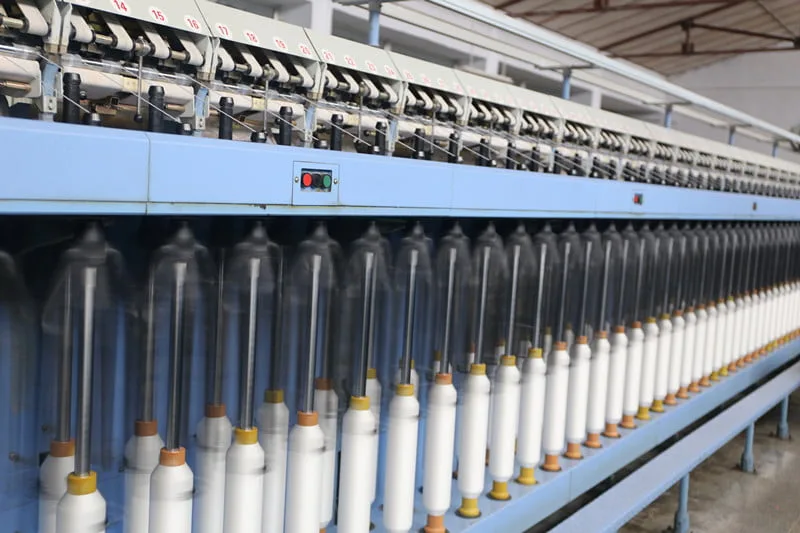
Ring-Spinning
The chief function of the simplex frame is the attenuation of sliver. Insertion of protective twist in order to hold the fine strand of silver. Winding of roving into a package that can be transported, sorted, donned on ring spinning machine.After carding the cotton is passed through draw frames. The draw frame draws the cotton into thick strands.These are then spun into thinner strands on the simplex frame spindles. The output of the simples frame is fed to the ring frame spindles which complete t
Article
Every record in these registers was sent in by somebody. Submissions are reviewed before they are published.
1,496 machines in the register.Tell us about a missing one 306 event series in the register.Submit a trade fair or conference 3,038 standards tracked in the register.Get the changes by email each week